Optimizing Logistics Through Advanced Freight Forwarding Technology Integrations
Sunday, August 30 2026
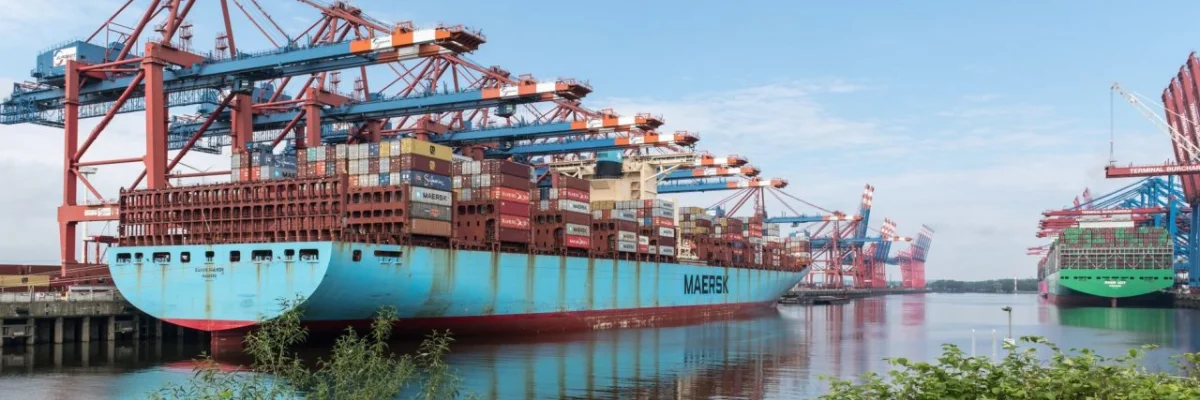
Modern freight forwarding is undergoing a profound transformation driven by rapid technological advancements and the urgent need for seamless digital connectivity. As supply chains grow increasingly complex, the ability to integrate diverse software platforms becomes a critical competitive advantage for logistics professionals aiming to enhance operational efficiency. By bridging the gap between isolated systems through robust APIs and cloud architecture, forwarders can automate manual tasks, reduce data entry errors, and provide real-time visibility to their global client base. Embracing these technological shifts ensures that businesses remain agile, resilient, and ready to navigate the evolving demands of international trade and logistics management.
The Power of Seamless System Integration
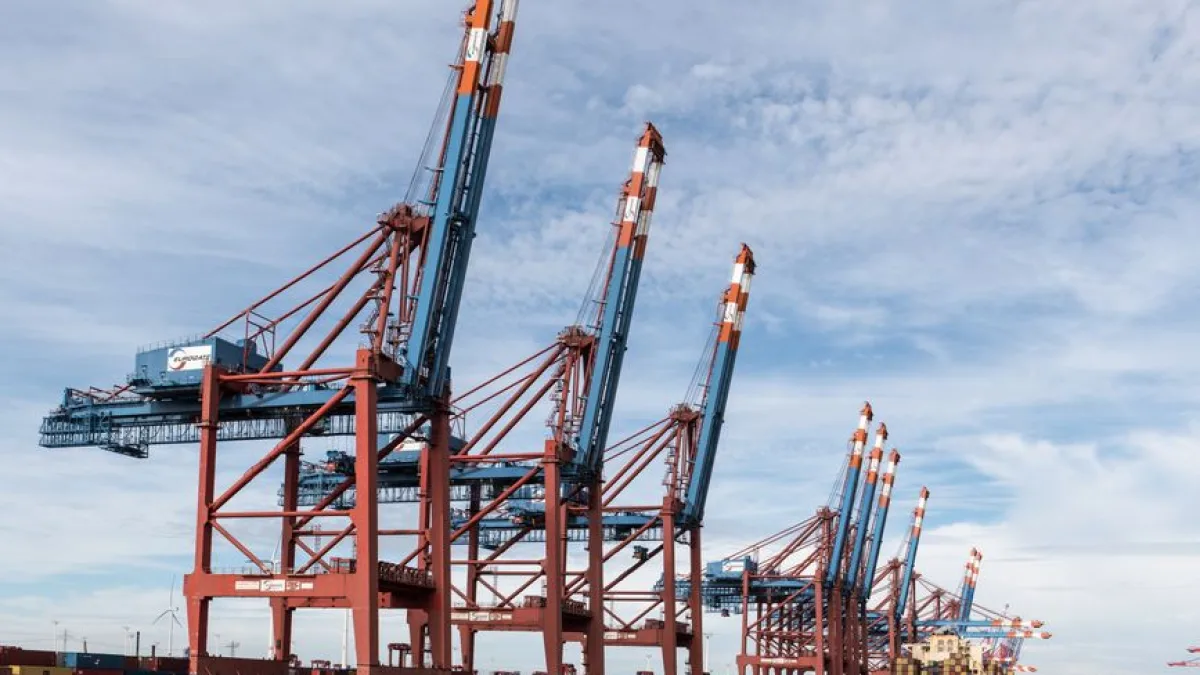
Integrating software ecosystems enables freight forwarders to unify fragmented workflows into one coherent hub. This digital unification eliminates data silos, allowing information to flow freely between transportation management systems, customs modules, and accounting software without requiring any manual intervention from your team.
- Unified Data Streams: Centralizing information across departments ensures that every stakeholder accesses the same accurate metrics. This eliminates discrepancies between shipments and billing, fostering trust with clients and improving overall decision speed.
- Automated Data Entry: Replacing manual typing with automated synchronization reduces human error significantly. Your staff can focus on high-value logistics challenges rather than performing repetitive administrative tasks that slow down the shipping process.
- Real-Time API Connectivity: Establishing direct connections with carriers and port authorities provides instantaneous status updates. This allows your team to anticipate delays and communicate proactive solutions to customers before minor issues escalate.
- Scalable Cloud Infrastructure: Cloud-based platforms grow alongside your business without requiring costly hardware maintenance. You can easily add new modules or integrate third-party tools as your global logistics requirements continue to expand daily.
By investing in these integration capabilities, you transform your operations from a manual-heavy environment into a streamlined digital powerhouse. This shift reduces overhead costs while simultaneously increasing the bandwidth of your staff. Clients appreciate the speed and precision that integrated systems provide, leading to stronger long-term partnerships and a distinct competitive edge in the fast-paced global freight market today.
Automating Compliance and Customs Documentation

Navigating the complex maze of international customs regulations requires precision, speed, and absolute accuracy. Automated integration between your freight forwarding platform and government portals ensures that all required documentation is filed correctly, minimizing expensive delays and potential compliance penalties for clients.
- Regulatory Update Tracking: Software platforms that monitor global trade regulations ensure your filings remain current. Automated alerts notify your team about policy changes, preventing costly shipment rejections at international borders and ports.
- Automated Document Generation: System integration allows for the automatic creation of essential shipping documents like bills of lading. By pulling data from existing orders, the software generates compliant paperwork that is ready for digital submission instantly.
- Risk Mitigation Tools: Integrated compliance checkers verify shipment details against global restricted party lists. This protects your firm from accidental involvement in illegal trade activities while maintaining strict adherence to international shipping security laws.
- Improved Audit Trails: Digital documentation provides a clear, unchangeable record of every transaction for future audits. Having all history stored securely in one place simplifies the verification process for regulatory bodies and your own internal reviewers.
Automation in compliance is not just about speed, it is about creating a safety net for your operations. By removing the guesswork from document preparation, you provide your clients with peace of mind. Consistent compliance builds your reputation as a reliable forwarder, ensuring that cargo moves across borders without friction or unexpected legal hurdles that typically plague traditional logistics processes.
Enhancing Customer Visibility with Live Tracking

Transparency is the cornerstone of modern logistics, with clients demanding instant visibility into their cargo location. Integrating live tracking features into your client portal empowers customers to monitor their shipments in real time, drastically reducing the volume of inbound inquiries.
- Customer Self-Service Portals: Allowing clients to check shipment status on their own schedule enhances their overall experience. This level of autonomy reduces phone and email traffic for your customer support department significantly.
- Proactive Delay Alerts: Automated notifications keep your customers informed about any unexpected changes in their delivery schedule. Being the first to share bad news builds credibility rather than waiting for them to discover the delay.
- Detailed Milestone Mapping: Visualizing the journey of freight builds immense confidence in your service capabilities. Clear timelines and location updates ensure that your clients always know where their goods are during transit.
- Personalized Reporting Dashboards: Clients can generate custom reports on their own shipping history and performance metrics. These data insights help them optimize their own supply chain strategies based on the trends provided by you.
Providing exceptional transparency distinguishes your firm from traditional competitors still relying on manual status checks. When you offer a sophisticated digital experience, you turn logistics into a premium service. Clients value the ability to manage their supply chain from their own dashboard, which fosters loyalty and encourages repeat business, ultimately driving sustained revenue growth for your freight forwarding company.
Scaling Operations with Data-Driven Insights

Data is the most valuable asset in modern freight forwarding, offering deep insights into performance, costs, and market trends. By leveraging integrated analytics, forwarders can identify bottlenecks and implement data-backed improvements that drive profitability and operational excellence across their entire organization.
- Cost Analysis Reporting: Integrated tools track every dollar spent across different routes and carriers. This visibility helps your team negotiate better rates and identify the most profitable lanes to focus on next.
- Performance Metric Tracking: Monitoring key performance indicators like on-time delivery rates allows for constant evaluation. These insights reveal areas where your process might need further optimization or where staff training should occur.
- Predictive Capacity Planning: Analyzing historical data helps you anticipate seasonal demand surges and prepare accordingly. Proper planning ensures you have the necessary resources available to handle increased volume without sacrificing service quality.
- Efficient Resource Allocation: Analytics reveal exactly how your staff is spending their time during the workday. This information allows management to distribute workloads more effectively, ensuring peak productivity and preventing burnout among employees.
Turning raw shipping data into actionable intelligence is a game changer for growing freight forwarders. It allows leadership to make confident, informed decisions that align with long-term business goals. By continuously monitoring your operational performance through these advanced dashboards, you maintain a level of agility that allows you to adapt to market fluctuations faster than your competitors can possibly manage.
Conclusion

Integrating technology into your freight forwarding business is no longer optional in today's digital global market. By leveraging robust software connections for documentation, tracking, and data analysis, you position your company for long-term success. Focus on implementing these solutions to remove manual bottlenecks and deliver superior value to your clients. Start modernizing your operations today to ensure your firm remains a leader in global logistics.