Optimizing Logistics Through Strategic Technology Integrations
Saturday, October 3 2026
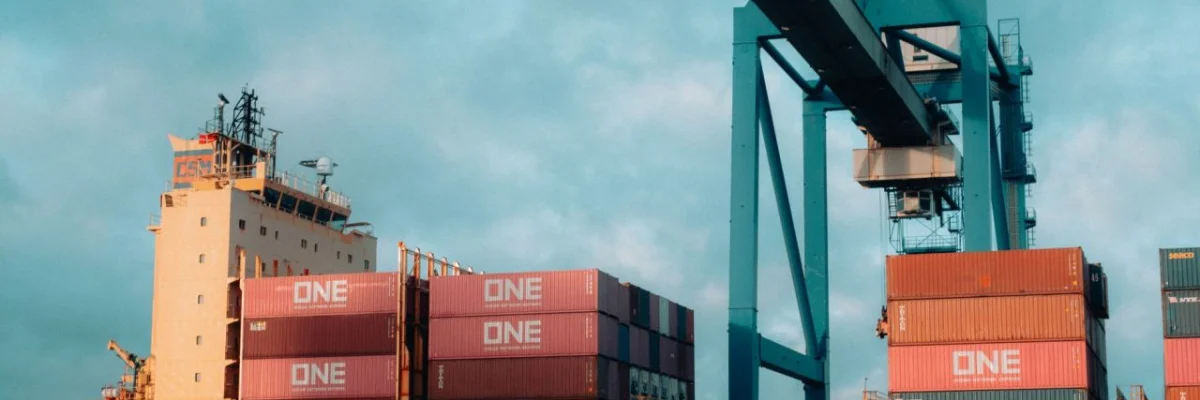
Modern freight forwarding relies on the seamless exchange of data across global supply chain networks. As organizations face increasing pressure to provide real-time visibility and faster turnaround times, the reliance on legacy manual processes has become a significant bottleneck. Implementing a robust cloud-based software platform allows forwarders to centralize operations and break down communication silos. By prioritizing strategic integrations with carriers, customs authorities, and warehouse management systems, businesses can transform their workflows into scalable engines of growth. This digital evolution is no longer just a competitive advantage but an essential requirement for surviving in an increasingly volatile international trade landscape today.
Centralized Data Architecture

Building a unified data architecture is the primary step for forwarders looking to scale. By consolidating information from disparate sources into one interface, teams can reduce human error and eliminate the need for redundant manual data entry tasks across departments.
- Improved Data Accuracy: Automating information flow ensures that shipping documents reflect the exact status of cargo movements without requiring manual updates or constant reconciliation between different team members throughout the day.
- Unified Reporting Tools: Centralized platforms provide comprehensive dashboards that allow managers to track key performance indicators across all shipping lanes while maintaining full oversight of operational costs and carrier billing.
- Seamless Internal Collaboration: Shared access to live records enables logistics teams to resolve discrepancies faster by having a single source of truth that is updated in real time by everyone.
- Reduced Operational Friction: Streamlined data streams lower the time spent hunting for paperwork, which allows your staff to focus on solving complex logistical problems rather than administrative record keeping tasks.
Adopting a central software hub drastically reduces the burden on your administrative staff while increasing the reliability of client communications. When every department references the same accurate data, trust between partners grows exponentially. This foundation allows freight forwarders to pivot quickly during market fluctuations, ensuring that operations remain smooth even when global shipping conditions become difficult, ultimately driving long-term customer loyalty and sustainable profit margins.
Automated Carrier Connectivity
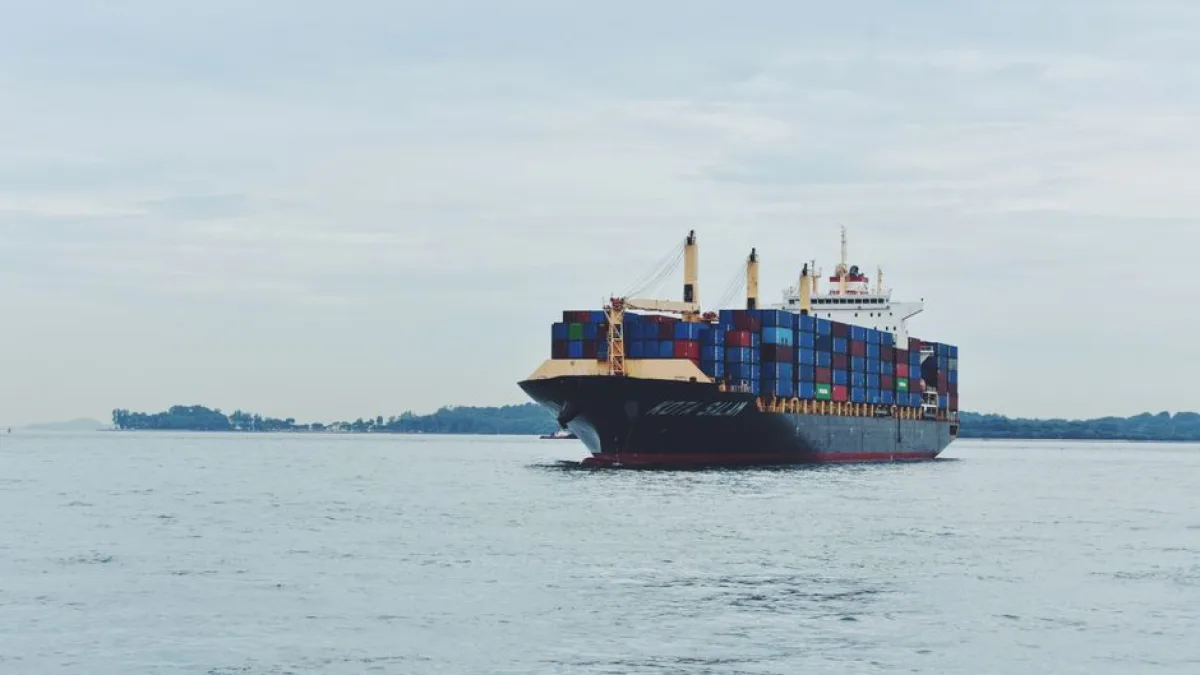
Direct API integrations with major shipping carriers provide an immediate edge by automating booking and tracking processes. Instead of manually updating websites or checking emails, your team receives automatic notifications regarding vessel arrivals, departure delays, and final delivery milestones.
- Instant Booking Capabilities: Direct integration allows users to submit booking requests directly to carrier systems, bypassing external portals and speeding up the confirmation cycle for high volume cargo routes.
- Real Time Tracking: Live feeds from ocean and air carriers update the status of shipments automatically, providing your clients with immediate transparency without needing manual status updates sent.
- Automated Rate Updates: Syncing carrier rate tables ensures that your quotes remain accurate and competitive, preventing revenue loss caused by outdated pricing information or manual calculation errors during bookings.
- Enhanced Communication Loops: Automated alerts keep all stakeholders informed about schedule changes, which reduces the volume of support tickets and follow up calls handled by your operations team.
Integrating with carriers directly removes the manual labor often associated with basic track and trace functionality. By letting the software handle routine communications, you empower your employees to concentrate on high value activities like account management and strategic growth. This level of automation turns operational data into a powerful tool for your business, creating a responsive logistics network that consistently meets client expectations.
Customs Compliance Synchronization

Streamlining customs filings through integrated software reduces the risk of expensive penalties and shipment delays. When your documentation platform talks directly to government portals, it ensures that all mandatory declarations are compliant and submitted within the required regulatory timeframes.
- Standardized Filing Processes: Integrated systems enforce consistency in data entry, which helps prevent incomplete submissions that often lead to customs holds or unnecessary inspection fees during peak shipping seasons.
- Real Time Compliance Checks: Automated verification tools scan documents for missing details or errors before submission, ensuring every declaration meets the specific criteria of the destination country without manual oversight.
- Faster Document Processing: Digital transmission of filings reduces the latency between arrival at port and clearance, significantly speeding up the movement of goods from transit zones to final destinations.
- Secure Data Encryption: Modern integrations utilize secure protocols to transmit sensitive trade data, ensuring that your company and client information remains protected throughout the entire customs clearance lifecycle today.
Regulatory compliance is the backbone of efficient freight forwarding, yet it remains one of the most stressful tasks for operational teams. Leveraging integrated software to automate these complex processes minimizes the possibility of human oversight. By ensuring that your documentation is always audit ready, you provide your clients with a seamless import experience, further solidifying your firm as a reliable industry partner.
Predictive Analytics Capabilities

Forwarders can leverage their integrated data to generate predictive insights that guide future decision making. By analyzing historical shipment patterns and carrier performance metrics, companies can anticipate potential bottlenecks and proactively adjust their strategies to maintain supply chain continuity.
- Demand Forecasting Models: Historical shipment data reveals seasonal trends, allowing forwarders to allocate capacity effectively and manage warehouse space long before peak demand cycles actually begin to influence market prices.
- Carrier Performance Scoring: Analytical modules track and rank the reliability of various carriers, helping your team choose the best transport partners based on empirical success rates and total costs.
- Cost Optimization Insights: Identifying hidden expenses through detailed spend analysis helps management negotiate better rates and improve the overall margin on every freight transaction handled by the company.
- Risk Mitigation Planning: Predictive tools identify high risk transit lanes, allowing teams to develop contingency plans that protect cargo integrity and delivery deadlines against unforeseen global supply chain disruptions.
Transforming raw logistics data into actionable business intelligence is essential for modern freight forwarders who want to scale. Predictive analytics allow you to move from a reactive model to a proactive one, where decisions are backed by hard numbers rather than intuition. This shift enables your team to anticipate obstacles and deliver superior service, setting your brand apart from competitors in the market.
Conclusion

Integrating technology into your freight forwarding operations is the most effective way to drive growth and operational excellence. By focusing on centralized data, carrier connectivity, customs compliance, and predictive analytics, you build a resilient foundation for success. Embrace these digital tools today to eliminate inefficiencies, enhance your service delivery, and secure your competitive position in the rapidly evolving global logistics landscape of tomorrow.