Optimizing Logistics Workflow for Modern Freight Forwarders
Saturday, July 25 2026
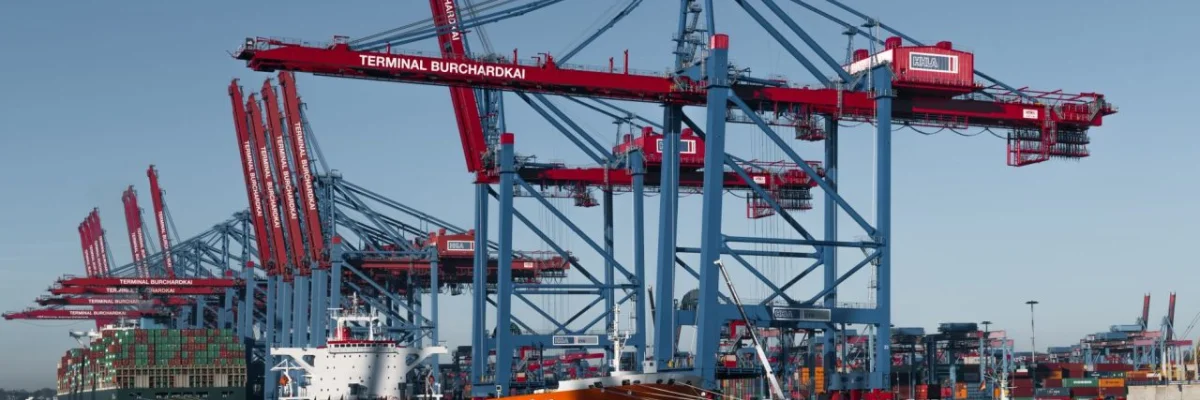
In the fast paced world of global trade, modern freight forwarders face increasing pressure to balance efficiency with visibility. Maintaining a competitive edge requires moving beyond legacy systems and adopting agile, cloud based digital solutions. As shipping volumes fluctuate and market demands shift, the ability to automate routine tasks and provide real time updates becomes the primary differentiator between industry leaders and those struggling to keep pace. By refining operational workflows and embracing data driven decision making, forwarders can significantly improve their service reliability, reduce human error, and build stronger long term relationships with their global clients and partner carriers.
Mastering Digital Documentation
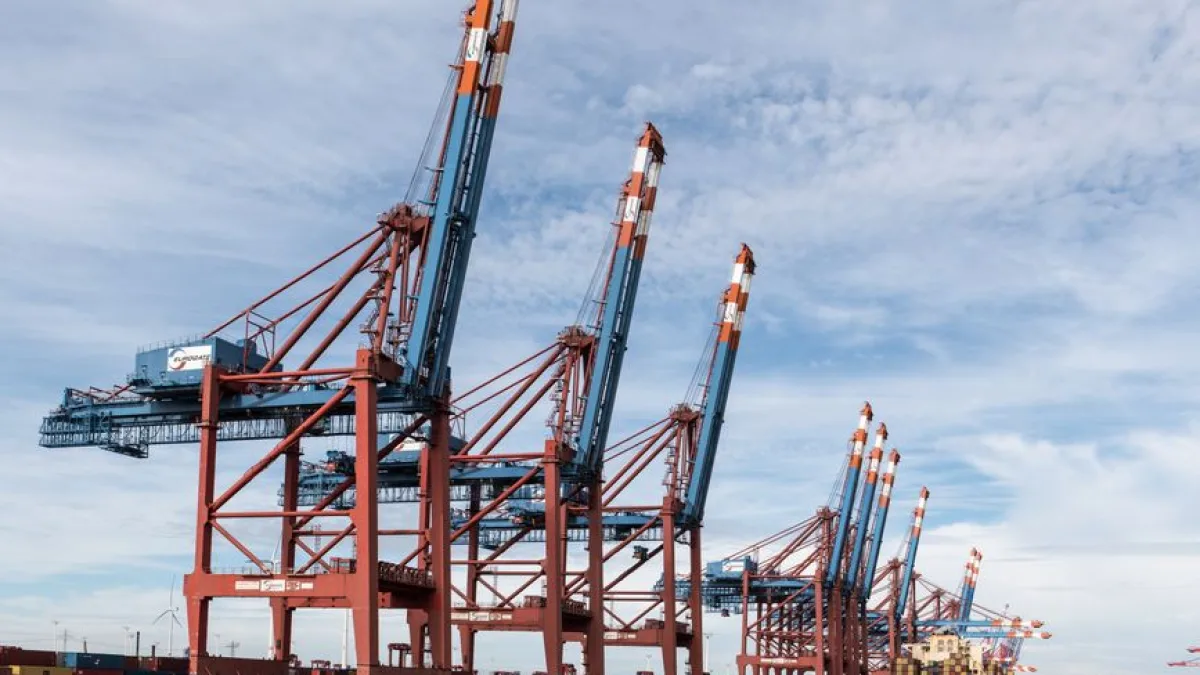
Managing vast amounts of documentation remains a major hurdle for logistics firms. Transitioning from manual paper filing to centralized cloud platforms minimizes the risk of lost records while ensuring that every shipment file stays perfectly organized, accessible, and audit ready for all stakeholders involved.
- Automated Data Entry: Implementing smart systems that extract data from bills of lading significantly reduces manual typing errors and speeds up the overall processing time for every single shipping file.
- Centralized Cloud Storage: Keeping all client documentation in a secure cloud environment allows your global team members to collaborate effectively while maintaining full control over sensitive business access levels.
- Version Control Systems: Using software that tracks every document modification prevents confusion between shipping parties by ensuring everyone always views the most current and verified version of the paperwork.
- Digital Signature Integration: Adopting electronic signature tools accelerates the approval process by eliminating the need for physical printing, scanning, and mailing of time sensitive trade documents across different countries.
- Secure Data Backups: Regular automated backups of your logistics documentation protect your company against accidental file loss or system failures, ensuring business continuity during any unexpected technical incident.
Adopting a digital first approach to documentation is more than a convenience; it is a vital operational necessity. By removing the dependency on physical paper trails, forwarders can process shipments with unprecedented speed and precision. This shift empowers your staff to focus on high value tasks like strategic carrier negotiations rather than wasting hours searching for misplaced invoices or outdated shipping labels in physical cabinets.
Optimizing Carrier Communication
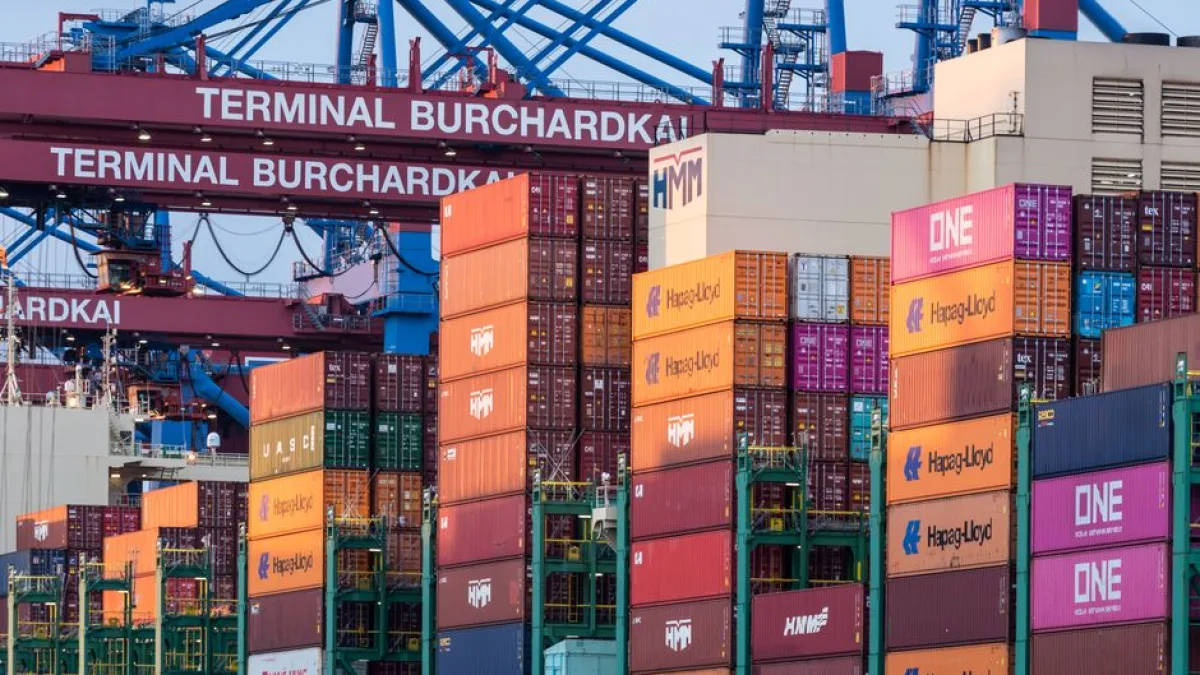
Effective communication with carriers determines the success of every shipment journey. Real time connectivity and clear messaging protocols reduce misunderstandings and delays, ensuring that transporters and forwarders remain aligned regarding status updates, schedule changes, and unexpected cargo handling requirements during transit.
- Unified Messaging Platforms: Utilizing centralized communication tools within your software prevents fragmented email chains and ensures all essential stakeholders have instant access to critical status updates and inquiries.
- Instant Status Alerts: Configuring automated notifications allows your team to receive immediate updates regarding vessel arrivals, departure delays, or terminal congestion, facilitating proactive responses to any disruption.
- Standardized Query Templates: Using predefined templates for common carrier requests ensures that all communications remain consistent, professional, and contain all necessary information to expedite the resolution process.
- Integrated Chat Features: Enabling direct messaging within your freight software keeps project discussions relevant and linked to specific shipments for easier future reference or internal compliance audits.
- Performance Metric Sharing: Sharing transparent feedback with carriers through your platform encourages better service levels and fosters stronger, more collaborative partnerships that benefit your long term business.
Strong communication protocols are the backbone of a successful freight forwarding operation. When everyone involved has access to a single source of truth, the chances of costly miscommunication decrease dramatically. This visibility allows forwarders to provide their clients with accurate information, thereby increasing trust and loyalty. A connected team is a faster team, capable of solving complex logistical problems with calm confidence.
Leveraging Advanced Data Analytics

Data is the most valuable asset in modern logistics management today. By utilizing advanced analytics, forwarders can identify bottlenecks, evaluate route profitability, and optimize carrier selection based on historical performance patterns rather than relying on gut feelings or outdated industry assumptions alone.
- Trend Identification Tools: Analyzing historical shipping data helps your team spot seasonal patterns, enabling better capacity planning and helping you negotiate more favorable rates with your partner carriers.
- Profitability Analysis Reports: Generating detailed reports on margins per route or client allows you to identify which segments of your business provide the highest financial returns.
- Performance Benchmarking Metrics: Tracking delivery times and service quality against your set internal standards ensures that you maintain consistent excellence across all of your regional shipping routes.
- Predictive Capacity Modeling: Leveraging software that forecasts volume trends helps you anticipate market shifts and secure necessary container space before prices rise during peak demand shipping seasons.
- Actionable Dashboard Insights: Using visual dashboards provides an immediate view of your operational health, allowing managers to address underperforming lanes or high cost shipments with precise data.
Moving toward a data driven strategy allows forwarders to transform raw information into a powerful competitive advantage. Instead of reacting to disruptions, your business becomes predictive and proactive. This transformation reduces unnecessary spending, optimizes resources, and positions your firm as an innovative partner in the global supply chain. Informed decisions based on solid metrics will always yield better results than mere intuition.
Building Resilient Supply Chains
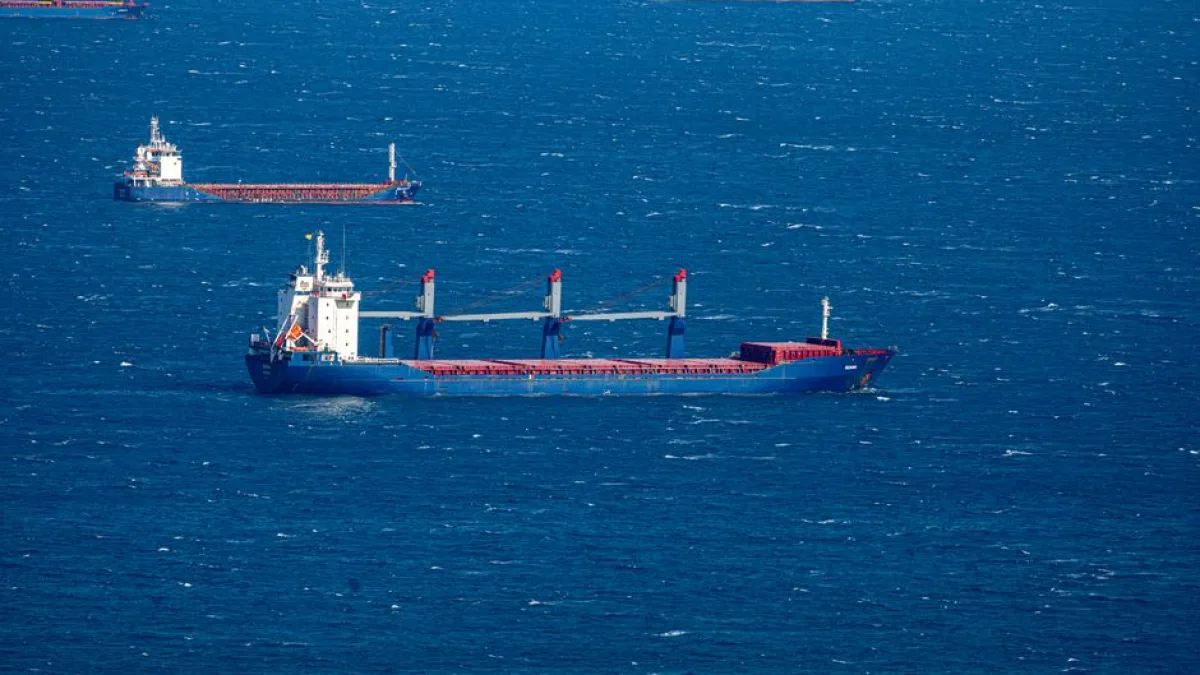
Building resilience means designing processes that withstand global disruptions. From geopolitical changes to port strikes, forwarders must develop flexible strategies that allow them to pivot quickly without compromising the safety or the reliability of their clients cargo and project timelines.
- Multi Carrier Strategies: Diversifying your portfolio of carriers minimizes the impact of localized strikes or capacity shortages, ensuring that you always have backup options for critical shipments.
- Real Time Visibility: Investing in tracking technology ensures you have continuous oversight of your cargo, allowing you to react rapidly if a specific route faces sudden closure.
- Scenario Planning Exercises: Conducting regular stress tests on your logistics workflows helps your team develop effective contingency plans for various disruption types like weather or labor issues.
- Flexible Route Mapping: Utilizing software that allows for quick route adjustments helps you steer clear of known bottlenecks, maintaining schedules even when primary transport channels are restricted.
- Risk Mitigation Documentation: Keeping comprehensive insurance and compliance records readily available ensures that your business is prepared to handle any legal or financial challenges that arise.
Resilience is not just about survival but about maintaining service quality under pressure. Forwarders who prioritize flexible systems and contingency planning stand out during periods of market instability. By investing in these robust workflows today, you protect your clients interests and solidify your reputation as a reliable logistics provider. Flexibility is the key to enduring in a complex and evolving industry.
Conclusion

Success in modern freight forwarding relies on combining human expertise with powerful cloud technology. By automating documentation, fostering clear communication, utilizing deep analytics, and building resilient chains, your firm will achieve lasting growth. Start evaluating your internal software capabilities today to ensure your team is equipped for the future of global logistics. Consistent improvement remains the only way to dominate in this marketplace.