Optimizing Logistics Workflow for Modern Freight Forwarders
Monday, October 26 2026

In an era where global supply chains face unprecedented pressure, freight forwarders must transition from manual spreadsheets to digital-first solutions. Success depends on achieving real-time visibility and seamless communication across complex networks. By leveraging cloud-based platforms, professionals can reduce administrative overhead and mitigate risks associated with human error. The shift toward automation is no longer a luxury but a necessity for staying competitive in international trade. As you refine your operational strategy, focusing on data-driven decision making and streamlined vendor interactions will empower your team to handle rising cargo volumes with speed, accuracy, and efficiency while maintaining high service standards.
Mastering Digital Documentation

Transitioning from paper trails to digital repositories transforms how teams manage sensitive shipping documents. By centralizing information within a secure cloud environment, your staff can access critical files from anywhere, significantly reducing the time spent searching for invoices or customs paperwork.
- Centralized document storage: Securely archive all shipping documents in one cloud-based location to ensure that your team can retrieve critical information instantly without sorting through endless physical filing cabinets.
- Automated data extraction: Utilize optical character recognition tools to automatically pull data from bills of lading and invoices, reducing manual entry errors that often delay critical global shipments.
- Version control systems: Maintain a single source of truth by utilizing systems that track changes in real time, preventing confusion when multiple stakeholders edit complex shipping documents.
- Secure access controls: Protect sensitive client data by implementing granular permission settings that allow specific team members and partners to view only the files necessary for their.
- Cloud integration benefits: Connect your document management system with other operational software to trigger automatic updates whenever a new document is uploaded, keeping all global stakeholders perfectly informed.
Digital transformation reduces the risk of data silos that frequently hinder communication between logistics teams. When documentation is accessible and accurate, the entire transit process moves forward without unnecessary bottlenecks. Prioritize moving your archives to the cloud today to ensure your business remains agile and capable of handling rapid document flows while maintaining full compliance with international maritime regulations and security protocols.
Enhancing Real-Time Cargo Visibility
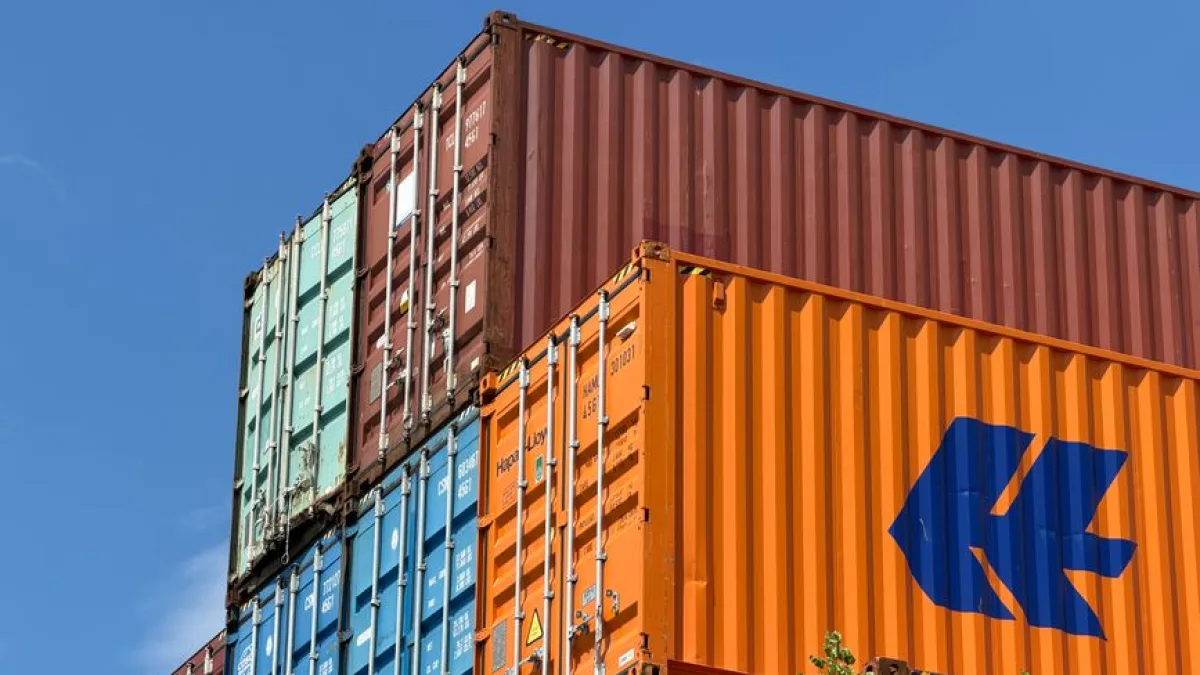
Visibility acts as the backbone of modern freight forwarding, allowing companies to offer proactive solutions before delays become crises. When you monitor shipments through a single dashboard, you eliminate the constant back-and-forth emails between partners and your valued clients.
- GPS tracking integration: Connect your platform with carrier GPS feeds to provide your clients with accurate status updates regarding their cargo location throughout the entire ocean journey.
- Proactive status alerts: Configure automated notification systems that alert your staff immediately when a vessel encounters delays, allowing you to inform customers before they even ask.
- Live vessel monitoring: Access real-time data from major shipping lines to visualize exact transit routes and arrival times, helping you plan inland logistics more effectively than.
- Automated milestone updates: Set up triggers that automatically update the status of each shipment as it passes through specific checkpoints, ensuring high transparency for all involved.
- Improved customer trust: Provide your clients with a personalized portal where they can view live updates on their freight, fostering deeper professional trust and long-term business relationships.
Providing customers with live updates minimizes the volume of manual status requests, freeing your team to focus on resolving complex logistics hurdles. This level of transparency distinguishes market leaders from competitors who still rely on delayed communication channels. Investing in tracking technology ensures your operations remain resilient against unpredictable global events while delivering the reliability that modern businesses demand for their essential supply chains.
Standardizing Vendor Communication

Standardization in communication prevents critical information from getting lost within disorganized email threads. By creating structured workflows for vendor interactions, you ensure that every partner follows the same protocols, which reduces misunderstandings and accelerates the overall cargo handling timeline effectively.
- Standard communication templates: Develop predefined email templates for common logistics scenarios to ensure that your communication remains consistent and professional across all interactions with international overseas agents.
- Structured task assignments: Use built-in project management tools to assign specific tasks to external vendors, ensuring clear accountability for every stage of the shipment lifecycle process today.
- Integrated chat features: Move away from fragmented email chains by using integrated messaging tools that keep discussions tied directly to specific shipment records for future reference.
- Unified portal access: Require all your vendors to use a single portal for updating shipment statuses, which prevents the entry of inconsistent data into your primary.
- Performance tracking metrics: Evaluate vendor responsiveness and accuracy by logging communication times and completion rates, allowing you to make data-backed decisions regarding your long-term logistics partnerships.
Consistent communication practices reduce the burden on your administrative staff while increasing the quality of service provided to clients. When vendors operate under a unified framework, you decrease the likelihood of missed deadlines or incorrect filings. Implementing these standards creates a smoother, more predictable flow of information that ultimately benefits the bottom line and improves the reputation of your company.
Automating Financial Workflows
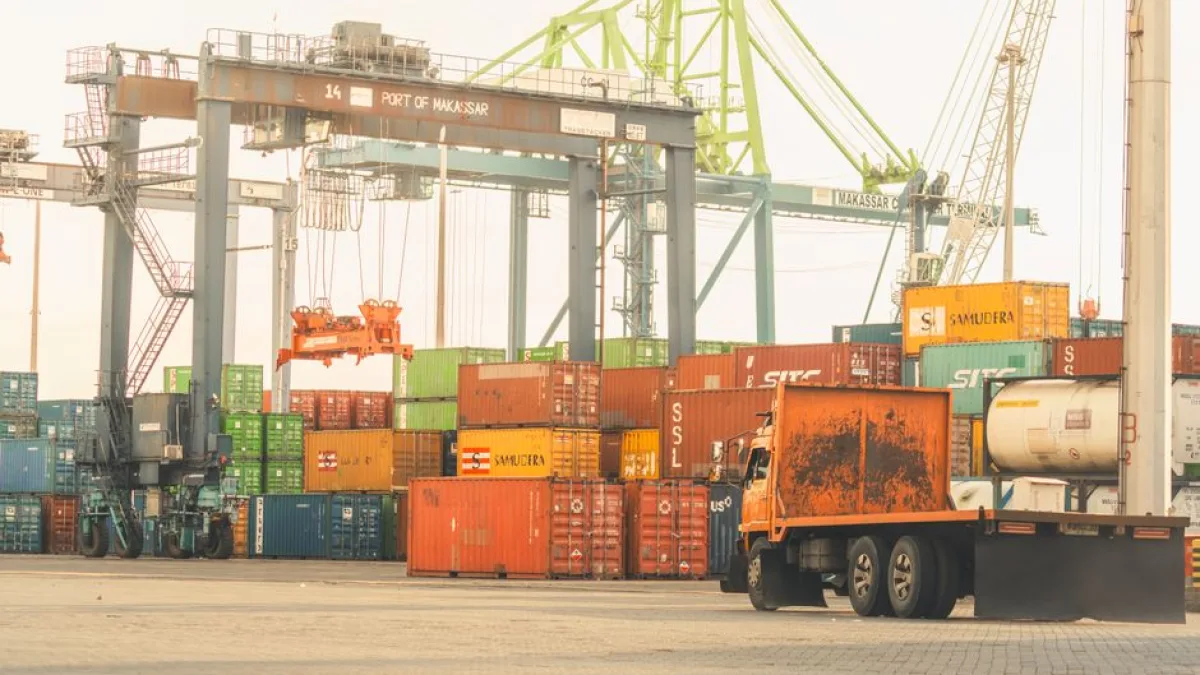
Manual financial processes such as invoicing often lead to missed payments or billing errors that damage your professional credibility. Automated billing systems streamline the entire revenue cycle by integrating directly with your operational data, ensuring that every shipment is accounted for accurately.
- Automatic invoice generation: Configure your software to create invoices automatically as soon as a shipment reaches a specific milestone, ensuring timely billing and improved cash flow cycles.
- Integrated cost tracking: Sync your operational platform with accounting tools to ensure that all freight charges, surcharges, and customs duties are captured accurately for every single.
- Real-time expense reconciliation: Match incoming vendor invoices against pre-approved quotes automatically, highlighting discrepancies instantly so you can resolve billing issues before they impact your financial reporting accuracy.
- Customizable payment reminders: Automate the delivery of payment reminders to clients to improve your accounts receivable performance while reducing the time your staff spends on collections.
- Financial reporting insights: Generate detailed reports on profit margins per shipment, providing the strategic insights needed to optimize your pricing strategies and grow your forwarding business.
Financial automation removes the heavy lifting from your accounting team and minimizes the risk of human error during invoice generation. By creating a direct link between logistics operations and financial management, you ensure that your business remains profitable and cash-positive. Focus on scaling your operations by adopting robust tools that simplify the complex billing cycles inherent in the global freight industry.
Conclusion

Optimizing your logistics workflow requires a commitment to digital tools that enhance visibility, streamline communication, and automate routine financial tasks. By adopting these best practices, you empower your team to handle higher volumes of freight with greater precision and efficiency. Prioritize your software investments today to build a resilient foundation for your freight forwarding business and maintain a strong competitive edge.