Optimizing Logistics Workflows for Freight Forwarding Success
Thursday, October 15 2026
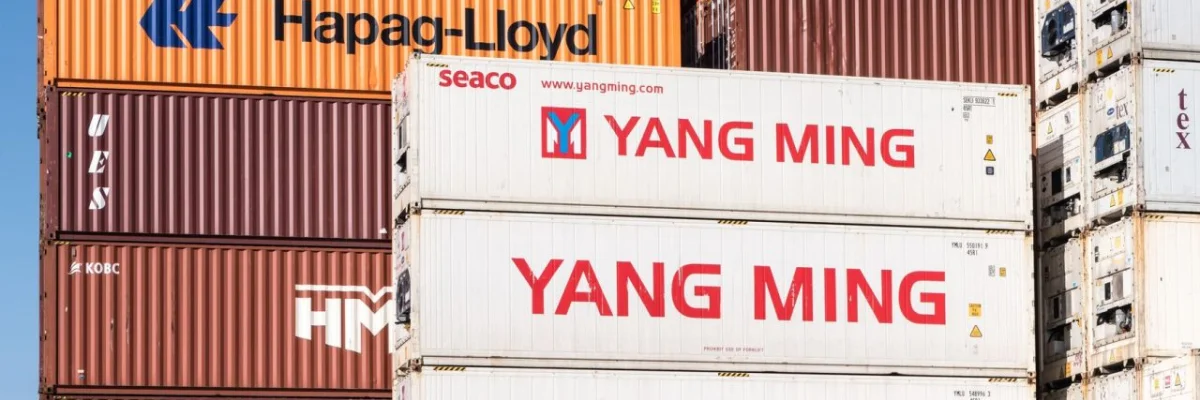
The modern logistics landscape demands unprecedented levels of agility and precision from freight forwarders aiming to maintain a competitive edge. As global supply chains grow increasingly complex, the reliance on fragmented manual processes often leads to costly errors and missed delivery deadlines. To thrive, professionals must shift toward integrated digital solutions that centralize documentation and streamline communication across international borders. By embracing cloud-based technologies and refined operational practices, forwarders can enhance transparency for their clients while drastically reducing administrative overhead. This guide explores essential strategies to optimize your daily operations, ensuring that your business remains scalable, resilient, and highly profitable in an evolving market.
Mastering Digital Document Management
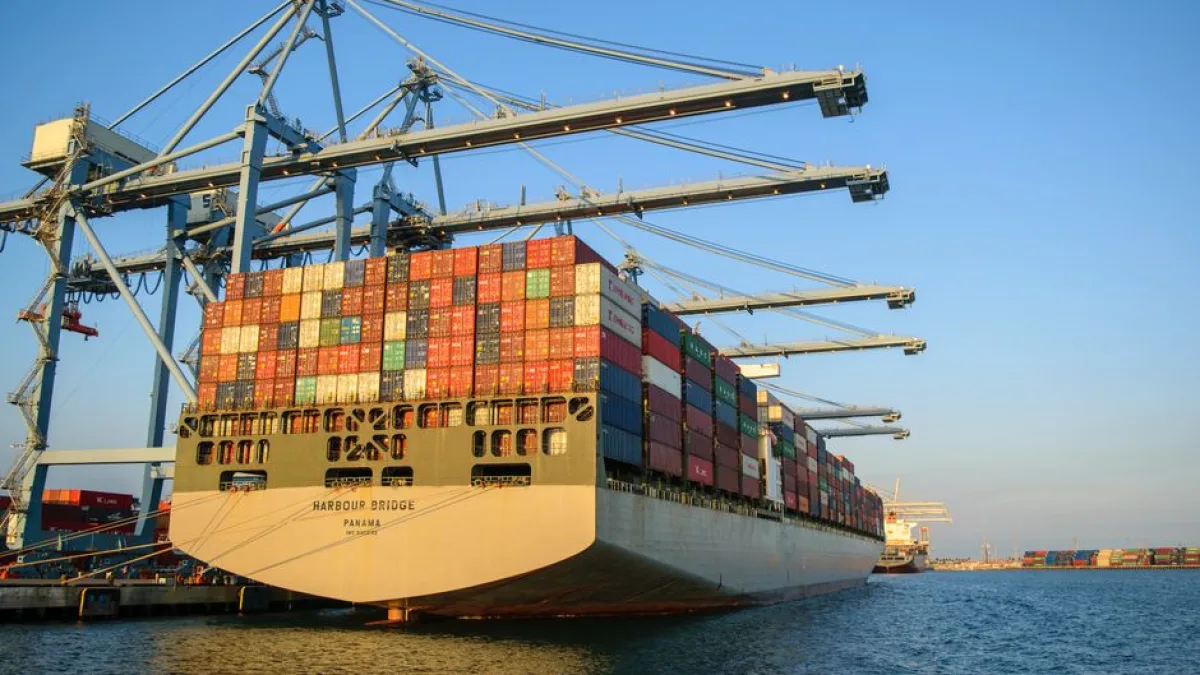
Transitioning from paper-based archives to digital document repositories is a critical step for modern forwarders. Digital systems allow for instant retrieval of shipping records, significantly reducing the time staff spend searching for physical files while minimizing risks of lost information.
- Centralized Cloud Storage: Migrate your physical documentation to a secure cloud-based platform that allows authorized team members to access vital shipping records from any global location in real time.
- Automated Data Entry: Implement optical character recognition software to extract information from invoices and packing lists automatically, which helps eliminate manual typing errors and accelerates processing speeds for teams.
- Version Control Protocols: Establish strict naming conventions and file versioning systems to ensure that every stakeholder is viewing the latest version of customs forms or carrier agreements daily.
- Secure Access Controls: Define precise user permissions within your software to protect sensitive client data while ensuring that specific staff members can collaborate on documents without security breaches.
By digitizing your workflows, you effectively remove the bottlenecks associated with physical handling. This shift not only improves internal productivity but also enhances the reliability of the service provided to your partners. When documents are managed through a unified platform, your team can resolve discrepancies faster and provide clients with accurate updates, ultimately strengthening long term business relationships and improving your operational standing globally.
Leveraging Real Time Shipment Tracking

Visibility is the primary currency of the logistics industry, as clients demand continuous updates on their high-value cargo. Integrating real-time tracking tools provides the transparency needed to manage expectations effectively while allowing forwarders to react quickly to transit delays.
- Live API Integration: Connect your forwarding platform directly with ocean and air carrier APIs to receive automatic status updates without needing to query multiple carrier websites individually daily.
- Proactive Exception Alerts: Configure your system to trigger automatic notifications whenever a shipment deviates from its planned schedule, allowing for rapid mitigation before the client becomes dissatisfied.
- Customer Visibility Portals: Provide your clients with a secure portal where they can monitor their shipments independently, which reduces the volume of status inquiries handled by your staff.
- Data Driven Analysis: Collect tracking data over several months to identify consistent transit trends and performance issues with specific carriers or routes to optimize your logistics planning.
Real-time visibility turns a reactive approach into a proactive one. When you have access to live location data, you can inform clients about potential delays before they impact their inventory levels. This level of communication fosters trust and positions your company as a reliable partner. Investing in robust tracking technology ensures that you stay ahead of industry demands and maintain high service standards.
Streamlining Communication with Partners

Clear communication is the backbone of successful freight forwarding operations, as errors often arise from disjointed email chains and missing information. Establishing structured communication protocols ensures that all parties involved in the supply chain remain aligned on critical requirements.
- Unified Messaging Platforms: Use integrated communication tools within your software to keep all shipment-specific correspondence in one place, preventing important details from getting lost in general email.
- Template Based Responses: Standardize your outgoing emails for common status updates or document requests to ensure consistent messaging and save significant time for your customer service representatives.
- Automated Task Reminders: Set internal alerts for follow-ups with overseas agents or customs brokers to ensure that no critical action items are overlooked during the busy shipping season.
- Collaborative Workflow Tools: Encourage internal teams to use shared notes and status indicators on individual shipments so that everyone knows exactly what stage the cargo is at.
Structuring your communication reduces the noise that often distracts from actual logistics management. By moving away from unstructured threads toward integrated systems, your team will spend less time hunting for information and more time solving high-level challenges. This professional approach leads to fewer misunderstandings, faster resolution times for common issues, and a much cleaner operational record that clients will truly appreciate for years.
Optimizing Customs Compliance Processes

Customs compliance remains one of the most challenging aspects of international freight forwarding. By automating the classification and filing process, forwarders can avoid expensive fines and prevent cargo from being held indefinitely at borders by local customs authorities.
- Digital Tariff Databases: Maintain a regularly updated library of tariff codes within your software to ensure accurate classification of goods and avoid overpayment or underpayment of import duties.
- Error Checking Algorithms: Use system logic to flag missing information or conflicting data on declarations before they are submitted, which helps prevent time-consuming customs audits or shipment rejections.
- Standardized Filing Templates: Create reusable templates for recurring shipments to ensure that your declarations are consistently compliant and meet all specific requirements of different national customs agencies.
- Regulatory Update Monitoring: Subscribe to industry alerts or use compliance software that updates your team on changing international trade laws to keep all your logistics operations compliant.
Effective compliance management protects both your business and your clients from unnecessary financial risks. By integrating these practices into your daily operations, you demonstrate a commitment to excellence and professional responsibility. A strong focus on accuracy allows your team to move cargo across borders without incident. This reliability builds your reputation as a forwarder who truly understands the complexities of international trade regulations.
Conclusion
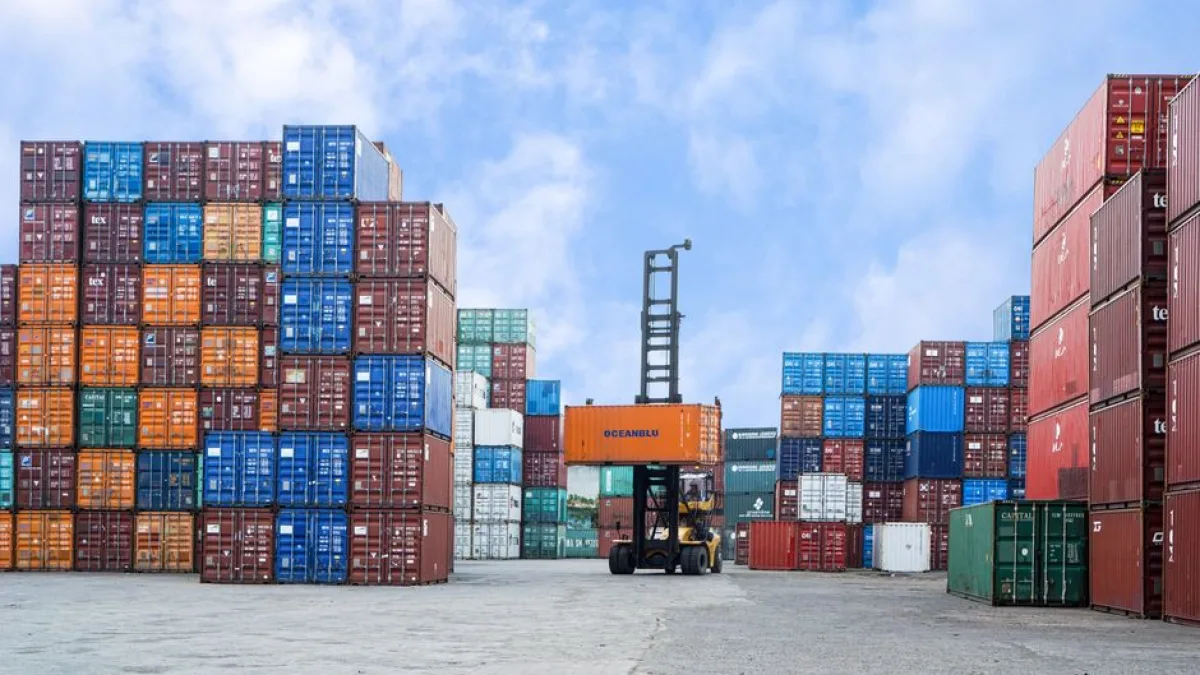
Improving your logistics workflows is a continuous journey that yields significant rewards in efficiency and client satisfaction. By digitizing documents, embracing real-time tracking, standardizing communication, and prioritizing customs compliance, you build a resilient foundation for growth. Start implementing these best practices within your team today to streamline operations and elevate the quality of your services in an increasingly demanding global freight market.