Optimizing Ocean Freight Logistics for Modern Freight Forwarders
Monday, July 27 2026

The global ocean freight landscape is shifting rapidly as digitisation becomes the primary driver of efficiency for modern freight forwarders. With increasing complexities in supply chain transparency, volatile shipping rates, and the constant demand for real-time visibility, forwarders must adapt their operational strategies to remain competitive. Leveraging cloud-based technology allows your team to move beyond legacy manual processes that impede growth. By integrating robust digital tools into your daily workflow, you can effectively manage cargo movements, improve communication with carriers, and provide clients with the data-driven insights they expect in today's high-stakes shipping environment.
Streamlining Carrier Communications
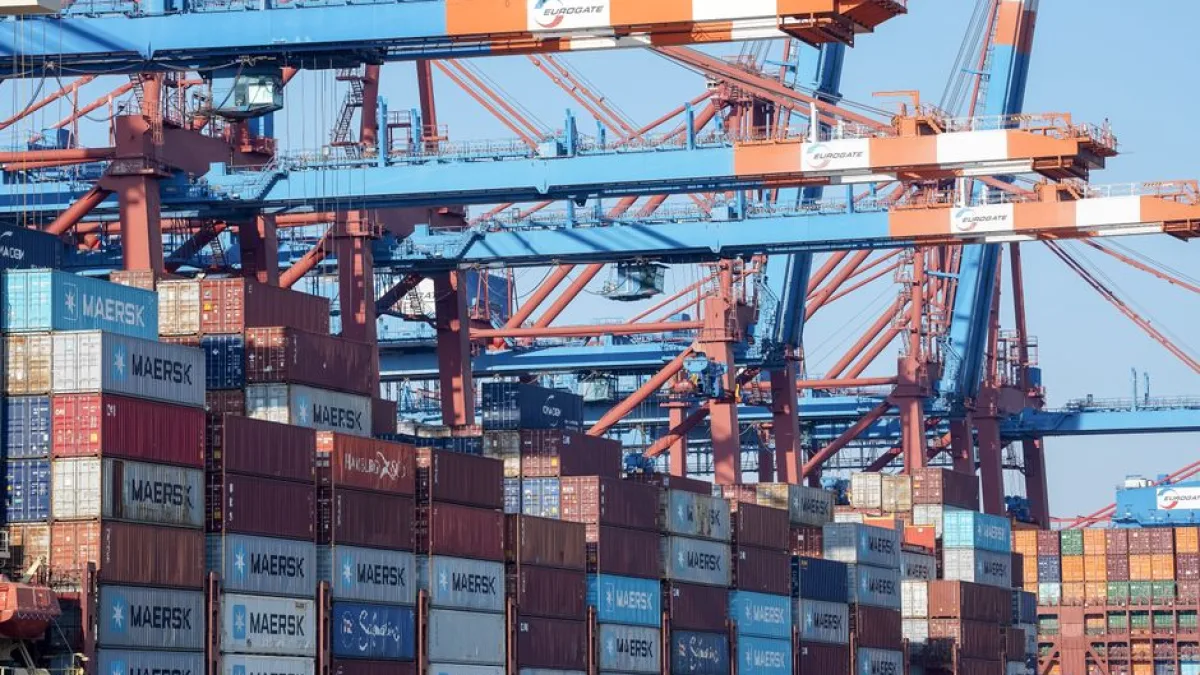
Effective communication remains the cornerstone of successful maritime shipping operations. By utilizing centralized platforms, freight forwarders can eliminate the friction caused by siloed email chains and disconnected legacy systems that frequently result in costly errors or missed deadlines.
- Automated Rate Requests: Use digital portals to push rate requests to multiple carriers simultaneously, saving hours of manual data entry while ensuring you receive the most competitive market pricing.
- Unified Messaging Hubs: Keep all correspondence within a single cloud-based system so that every team member can access vital shipment updates without searching through multiple personal inbox folders.
- Real-time Booking Updates: Receive instant notifications regarding booking confirmations or changes, allowing your operations team to react immediately and keep customers informed about their cargo status at all times.
- Enhanced Data Accuracy: Reduce manual input errors by using automated templates that pull information directly from your shipping database to populate carrier documentation with total precision every single time.
Adopting a unified communication strategy transforms your daily logistics workflow by removing the guesswork from carrier management. When your team spends less time chasing updates and more time solving client challenges, your service quality increases substantially. Modern software solutions provide the necessary infrastructure to scale your operations efficiently, ensuring that every shipment proceeds smoothly from the point of booking through to the final port arrival.
Leveraging Real-time Tracking Data
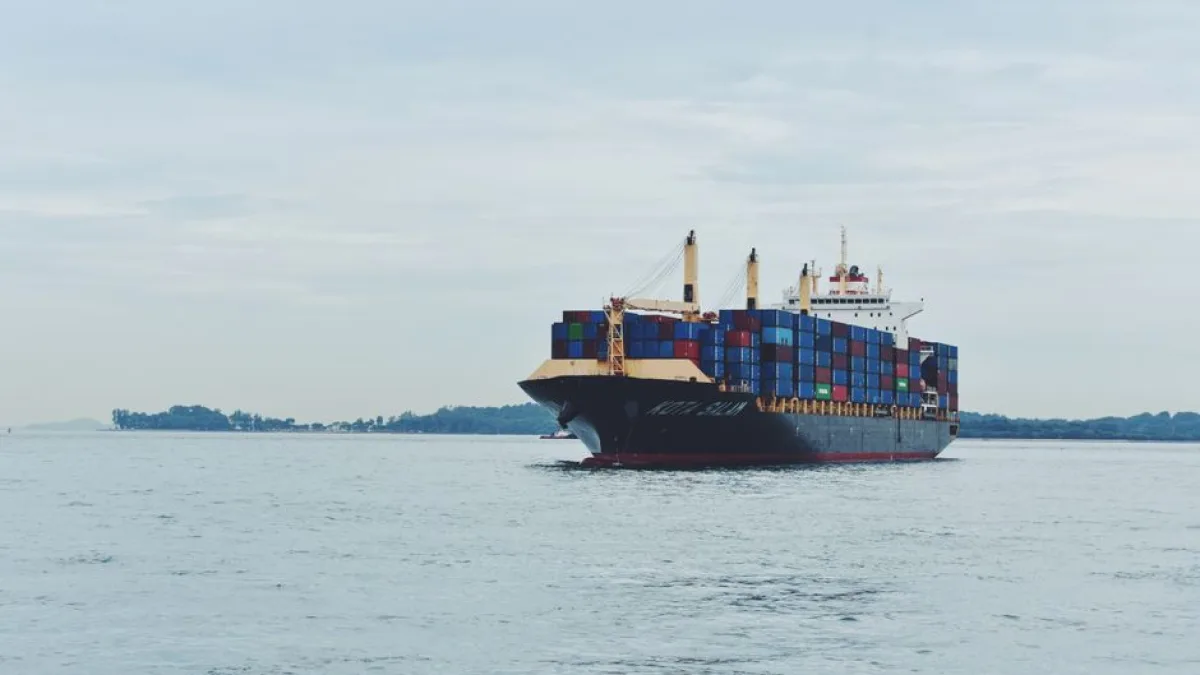
Visibility is no longer a luxury but a fundamental requirement for clients who demand precise tracking of their inventory. Implementing live tracking features enables your agency to provide unmatched transparency across the entire ocean freight lifecycle for every customer.
- Live Vessel Tracking: Monitor the exact location of vessels using satellite integration to provide clients with accurate arrival estimates and proactive alerts regarding any potential port congestion delays.
- Milestone Event Alerts: Trigger automated status updates for key shipping milestones including gate-in, vessel departure, and customs clearance so that clients feel fully connected to their cargo.
- Exception Management Tools: Identify potential disruptions early through advanced analytics that flag anomalies in transit times, allowing your team to offer alternative routing options before problems escalate.
- Predictive Arrival Estimates: Utilize historical and live data to refine your estimated time of arrival projections, helping your customers plan their inland distribution cycles with much greater confidence.
Visibility tools allow you to distinguish your freight forwarding services in a crowded market by delivering a superior customer experience. When you offer real-time tracking, you build long-term trust with shippers who need reliability above all else. This proactive approach to logistics management minimizes the anxiety surrounding global transit, positioning your business as a dependable partner in their complex supply chain networks.
Mastering Digital Documentation

Processing paperwork constitutes one of the most time-consuming aspects of ocean freight. Shifting to paperless documentation management helps your team avoid compliance pitfalls and accelerates the speed of customs clearance during the complex international shipping process.
- Centralized Document Storage: Maintain a secure cloud repository for bills of lading, commercial invoices, and packing lists that is accessible to authorized staff members from any global location.
- Standardized Document Templates: Create uniform document formats that comply with international shipping regulations, reducing the risk of rejection by port authorities or customs agencies during transit.
- Electronic Signatures: Facilitate faster document approval cycles by enabling clients and partners to sign critical shipping paperwork digitally from their mobile devices or desktop computers anywhere.
- Automated Compliance Audits: Rely on software that checks documentation against local customs requirements automatically to ensure your shipments meet all international trade laws and avoid costly penalties.
Digital documentation management is the key to accelerating your turnaround times and improving overall operational compliance. By eliminating the reliance on physical paper trails, you simplify the administrative burden on your staff and ensure that critical documents are always available when needed. Streamlined digital workflows not only reduce overhead costs but also create a professional image that attracts high-volume shippers to your platform.
Enhancing Financial Visibility

Profit margins in the ocean freight sector are often thin, making precise financial control essential for long-term sustainability. Managing your invoices, vendor payments, and customer billing through an integrated platform ensures accurate tracking of your agency's bottom-line performance daily.
- Automated Invoice Matching: Automatically reconcile vendor invoices against original bookings to ensure you are never overcharged by carriers, protecting your margins while maintaining excellent vendor relationships consistently.
- Flexible Billing Cycles: Set up automated billing schedules that align with client payment terms, improving your company cash flow and reducing the need for manual accounts receivable chasing.
- Cost Analysis Reports: Generate detailed reports on shipping costs per route or per carrier to identify where your agency can optimize spending and negotiate better future rates.
- Integrated Accounting Sync: Connect your freight software directly to popular accounting platforms to ensure that financial data flows seamlessly without the need for redundant entry or reconciliation.
Solid financial control allows your business to survive market fluctuations and reinvest in growth opportunities. When you have a clear view of your revenue and expenses, you make better decisions regarding carrier partnerships and pricing strategies. Mastering your financial data provides the stability needed to expand your services and compete effectively against larger players in the global ocean freight industry today.
Conclusion

Modernizing your ocean freight operations is essential for success in a competitive market. By embracing cloud-based tools that handle communication, tracking, documentation, and financial oversight, you position your freight forwarding business for sustainable growth. Start integrating these digital solutions into your workflow today to improve service quality, reduce operational friction, and deliver superior value to your customers. Reach out to MakeCargo to see how we can help.