Optimizing Ocean Freight Logistics for Modern Freight Forwarders
Thursday, July 30 2026
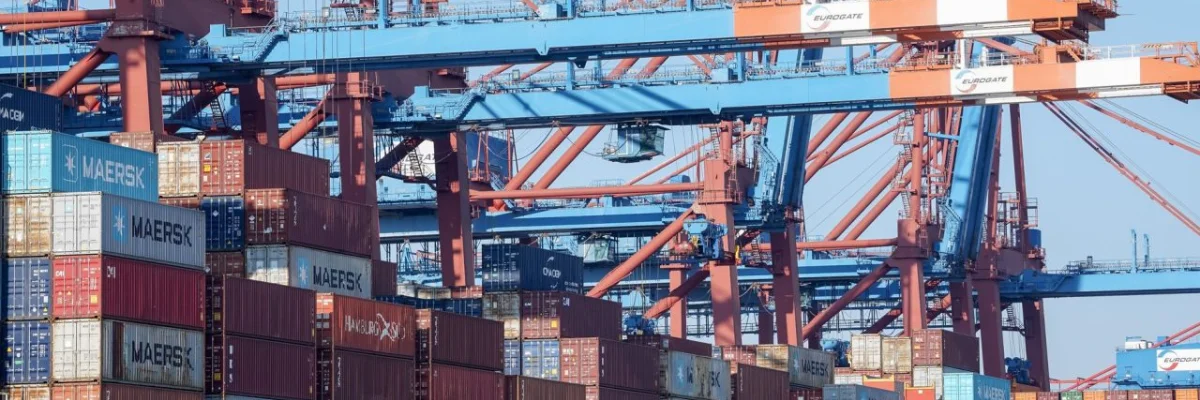
The global maritime industry remains the backbone of international trade, yet freight forwarders face increasing complexity due to volatile market conditions and shifting consumer demands. Efficiency is no longer an optional advantage but a core necessity for survival in a competitive landscape. By leveraging cloud-based platforms like MakeCargo, logistics professionals can centralize their operations, enhance visibility, and eliminate the manual bottlenecks that typically stifle growth. This article explores how digital transformation enables forwarders to navigate current challenges effectively while maintaining profit margins and delivering superior service quality to clients across every shipping route worldwide.
Digitizing Operational Workflows

Transitioning from legacy spreadsheets to automated digital platforms significantly reduces human error and streamlines daily tasks. When teams have a unified view of every shipment, they can make faster, data-driven decisions that ultimately improve the overall throughput of their cargo operations.
- Automated Documentation Processing: Eliminate the time-consuming burden of manual data entry by utilizing intelligent software tools that automatically extract and organize essential shipment information directly from digital documents.
- Centralized Communication Hubs: Consolidate all interactions with carriers, agents, and clients into a single platform to prevent critical details from getting lost in fragmented email chains.
- Real-time Status Updates: Provide stakeholders with instantaneous access to shipment progress through automated notifications that update as soon as new data enters the logistics management system.
- Streamlined Quoting Processes: Generate professional and accurate freight quotes in minutes rather than hours by using pre-configured templates that pull live pricing data for specific shipping lanes.
Digital transformation acts as the catalyst for scalability in a modern brokerage environment. By automating repetitive administrative tasks, your team gains the freedom to focus on high-value activities such as client acquisition and strategic planning. This shift not only reduces operational overhead but also creates a scalable framework that supports long-term growth even as the volume of shipments increases across your network.
Enhancing Supply Chain Visibility
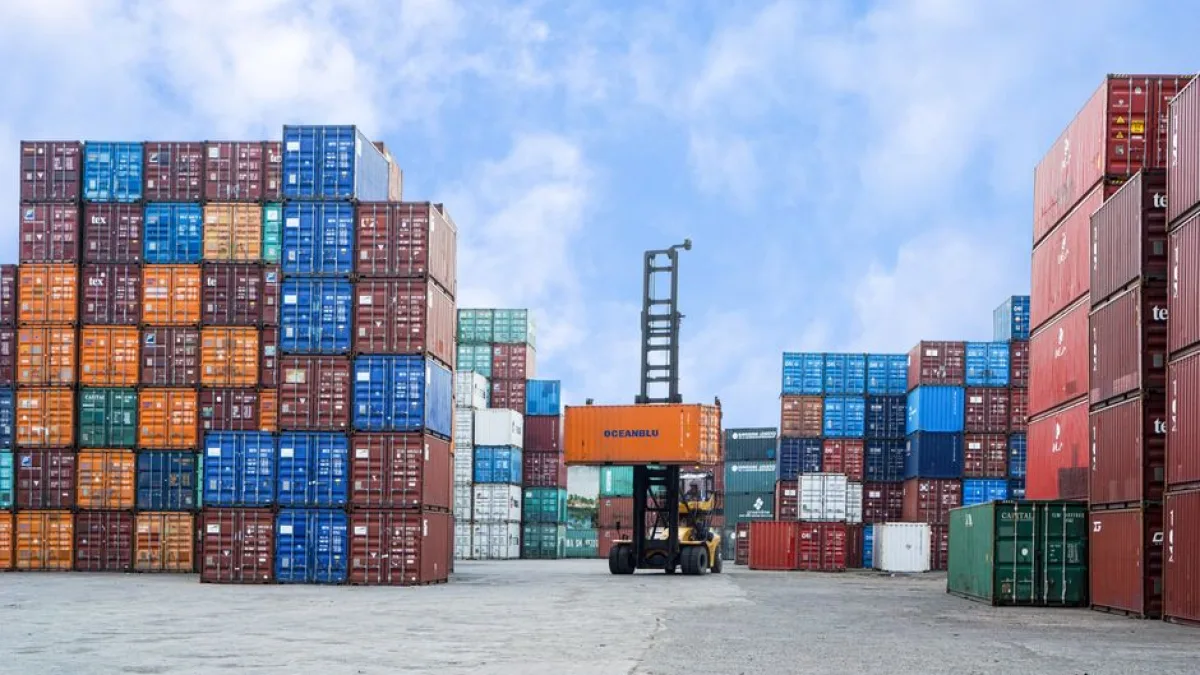
Total visibility into the supply chain empowers forwarders to proactively manage exceptions before they escalate into costly delays. Tracking container movements across oceans requires robust digital infrastructure that integrates seamlessly with major shipping lines to provide accurate and reliable data.
- Live Tracking Integration: Connect directly with global ocean carrier APIs to receive precise location updates for every vessel and container currently moving through the international transit network.
- Proactive Exception Management: Identify potential bottlenecks or port congestion issues early by monitoring automated alerts that notify your team the moment a schedule deviation occurs globally.
- Customized Client Portals: Offer your customers a dedicated login area where they can monitor their cargo status without needing to call or email your staff directly.
- Historical Data Analytics: Leverage past shipment records to identify performance patterns among various carriers and shipping routes, allowing for better strategic decision-making in the future period.
Visibility serves as the bedrock of customer trust in the freight forwarding sector. When you can provide accurate information regarding the location and status of cargo, clients feel confident in your ability to manage their logistics needs. This level of transparency distinguishes your service from competitors who rely on outdated, reactive communication methods, helping you retain high-value accounts over the long term.
Managing Carrier Relationships
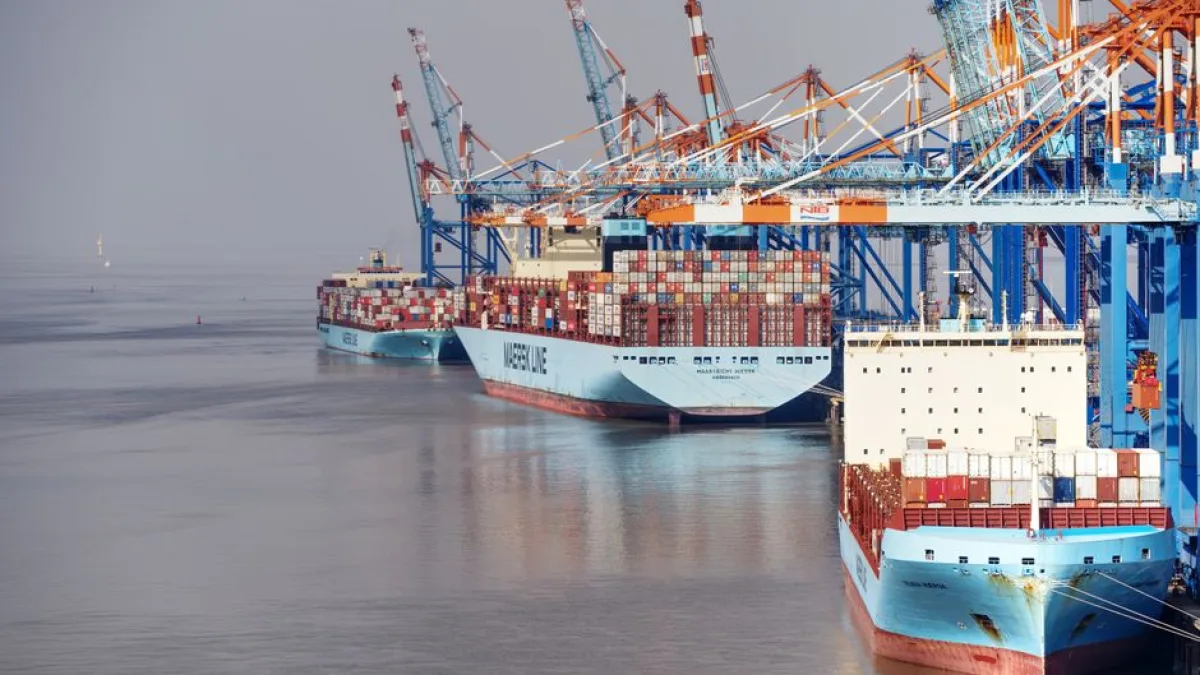
Maintaining strong partnerships with ocean carriers is essential for securing space and competitive rates during peak seasons. Effective relationship management relies on clear communication, consistent booking volumes, and the ability to provide carriers with clean data that simplifies their own internal processing requirements.
- Volume Forecasting Tools: Use your platform to track shipping volumes accurately, providing carriers with the reliable data they need to allocate space for your future bookings effectively.
- Performance Benchmarking Reports: Generate clear reports that compare carrier service levels, helping you negotiate better contracts based on verifiable data regarding transit times and reliability metrics.
- Electronic Booking Submissions: Transmit booking requests directly through integrated portals to reduce manual errors and ensure that your shipment data enters carrier systems without any delays.
- Collaborative Dispute Resolution: Use digital logs to track historical carrier invoices and disputes, creating a transparent audit trail that makes resolving billing discrepancies much faster and simpler.
Building strong carrier bonds requires consistent performance and professional interaction. By utilizing software that simplifies the way you interact with steamship lines, you position your firm as a preferred partner in their network. This strategic alignment ensures better support when capacity becomes tight, giving your clients a vital advantage in the market while keeping your operational costs as low as possible.
Compliance and Documentation Safety

Navigating the complex landscape of international customs regulations demands extreme attention to detail and rigorous record-keeping. Advanced freight software keeps your documentation organized and compliant, significantly reducing the risk of fines, shipment seizures, or other costly legal complications during the import process.
- Document Version Control: Ensure that every team member works from the latest version of shipping documents by using a centralized cloud storage system with automatic file updates.
- Regulatory Compliance Templates: Utilize built-in templates that align with international customs requirements to ensure that all declarations are accurate and filed in the correct format.
- Secure Data Archiving: Protect your sensitive client and cargo information with robust cloud security protocols that ensure long-term document retention and easy access for future audits.
- Digital Signature Integration: Speed up the approval process by utilizing integrated electronic signature tools that allow authorized parties to sign essential documents from any location.
Regulatory compliance is a non-negotiable aspect of the logistics industry that requires constant vigilance. By automating your documentation workflow, you create a fail-safe environment where errors are detected early and corrected before they impact the shipment process. This dedication to accuracy not only safeguards your business from legal risks but also reinforces your professional reputation as a reliable forwarder in the industry.
Conclusion

Optimizing ocean freight requires a combination of technology and strategic planning. By moving your operations to a cloud-based platform, you gain the agility needed to compete in a demanding global market. Start your digital journey today to improve visibility, reduce manual errors, and elevate the service levels you provide to your clients. Partner with MakeCargo to build a more efficient future for your logistics business.