Optimizing Ocean Freight Logistics for Modern Freight Forwarders
Thursday, July 30 2026
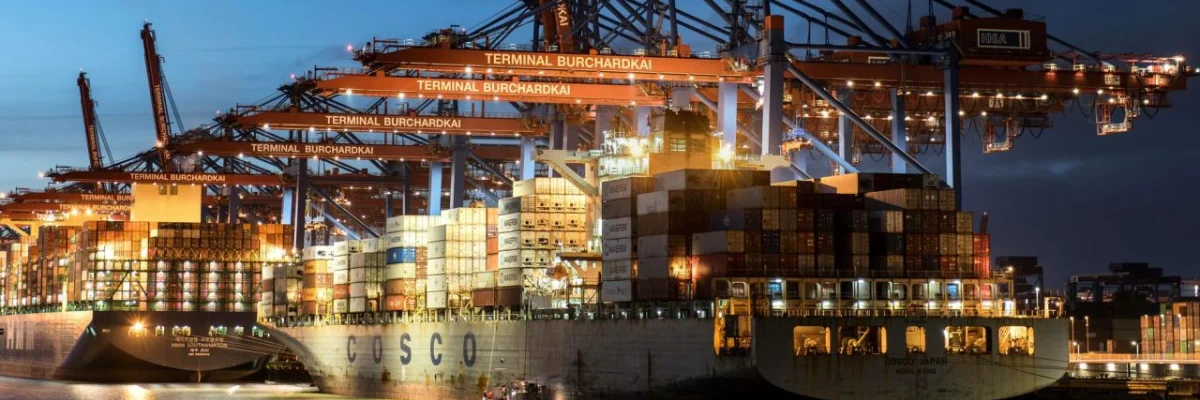
The global maritime landscape is currently shifting toward a more digitized and transparent model. For freight forwarders, the pressure to maintain operational efficiency while navigating unpredictable port congestion and fluctuating freight rates has never been higher. Leveraging cloud-based technology is no longer a luxury but a fundamental necessity for survival in this competitive environment. By integrating advanced software solutions, forwarders can automate tedious documentation processes, provide real-time tracking visibility to their clients, and foster stronger collaboration across their supply chain networks. Adapting to these digital requirements will define the leaders in ocean freight management for years to come.
Advancing Digital Documentation Workflows

Manual document processing is a significant bottleneck that drains resources and slows down cargo movement. Transitioning to automated digital systems allows forwarders to centralize bill of lading handling and customs declarations within a single, unified cloud platform for better accuracy.
- Eliminate manual entry: Automating data entry reduces human error significantly, ensuring that critical shipping details remain accurate across every digital document generated during the complex ocean freight booking process.
- Centralized document repository: Cloud platforms provide a secure, searchable database where every shipping document is stored, making retrieval instantaneous for team members regardless of their physical location or office time zone.
- Faster customs clearance: Integrated digital workflows allow forwarders to share information with customs brokers ahead of vessel arrival, which helps prevent costly delays and minimizes potential port storage fees.
- Enhanced audit trails: Every edit or interaction with a shipping document is logged within the software, providing complete visibility and accountability for teams involved in high-stakes international shipping logistics.
By shifting away from legacy paper based systems, freight forwarders gain the ability to process cargo documentation with unprecedented speed and precision. This transition reduces the administrative burden on your staff, allowing them to focus on high value tasks such as customer relationship management. Ultimately, digitizing your workflows is the most effective way to improve your bottom line and ensure consistent operational excellence.
Leveraging Real Time Container Tracking
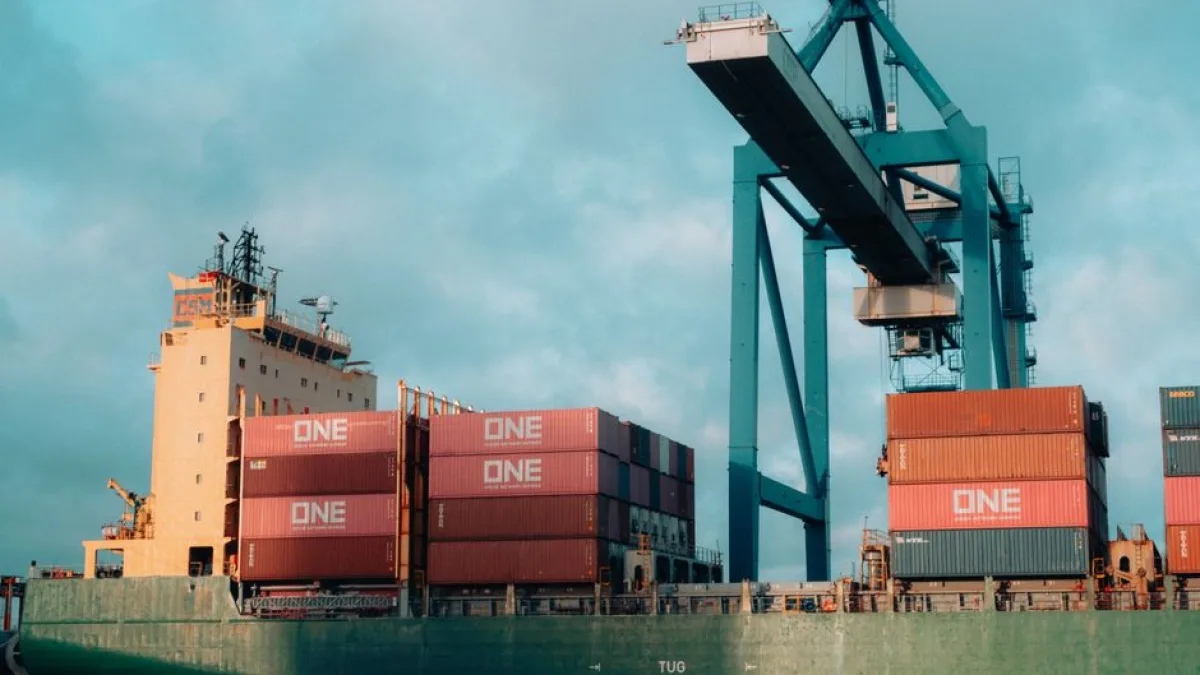
Real time tracking provides the transparency that modern customers demand from their logistics partners. By connecting directly to carrier APIs, forwarders can monitor container status updates constantly and proactively address potential disruptions before they negatively impact the final delivery timeline.
- API carrier integration: Connecting your freight software directly to ocean carrier systems ensures that you receive the most accurate status updates for every single vessel and container shipment.
- Proactive delay alerts: Automated notification triggers keep your clients informed the moment a delay occurs, which allows for better expectation management and minimizes frustration during major supply chain bottlenecks.
- Interactive client dashboards: Providing customers with direct access to a branded tracking dashboard enhances trust while reducing the need for your staff to answer routine status inquiries.
- Predictive vessel ETAs: Modern tracking tools use sophisticated algorithms to provide more accurate arrival estimates than standard carrier schedules, helping your clients plan their warehouse inventory levels effectively.
Visibility serves as the backbone of modern freight forwarding, turning data into a powerful competitive advantage for your agency. When you provide your clients with constant updates, you move from being a simple service provider to a trusted strategic partner. Investing in real time tracking capabilities ensures that your business remains relevant and capable of meeting the demands of modern global trade.
Optimizing Carrier Rate Management

Managing multiple ocean freight rates is a complex task that requires constant attention to market trends and carrier performance. Having a centralized system to compare quotes ensures that forwarders can offer the most cost effective shipping solutions to their clients.
- Automated rate comparisons: Software tools instantly compare spot rates and contract prices from multiple carriers, ensuring that your team always selects the most profitable and efficient shipping route.
- Dynamic quote generation: Generating professional quotes in seconds allows your sales team to capture more business by responding to client inquiries faster than competitors who rely on spreadsheets.
- Carrier performance analytics: Detailed reporting features allow you to analyze historical carrier data, helping you negotiate better service contracts and prioritize partners who offer the best reliability.
- Market trend tracking: Keeping track of historical rate fluctuations enables your team to offer better advice to clients regarding the best time to book their urgent ocean shipments.
Efficient rate management is essential for maintaining healthy profit margins in a volatile market. By utilizing specialized software to handle quote comparison and carrier selection, you free your staff from manual spreadsheet work. This allows them to focus on building long term carrier relationships and providing superior consultative services that keep your clients loyal to your business over the long run.
Scaling Operations Through Cloud Collaboration
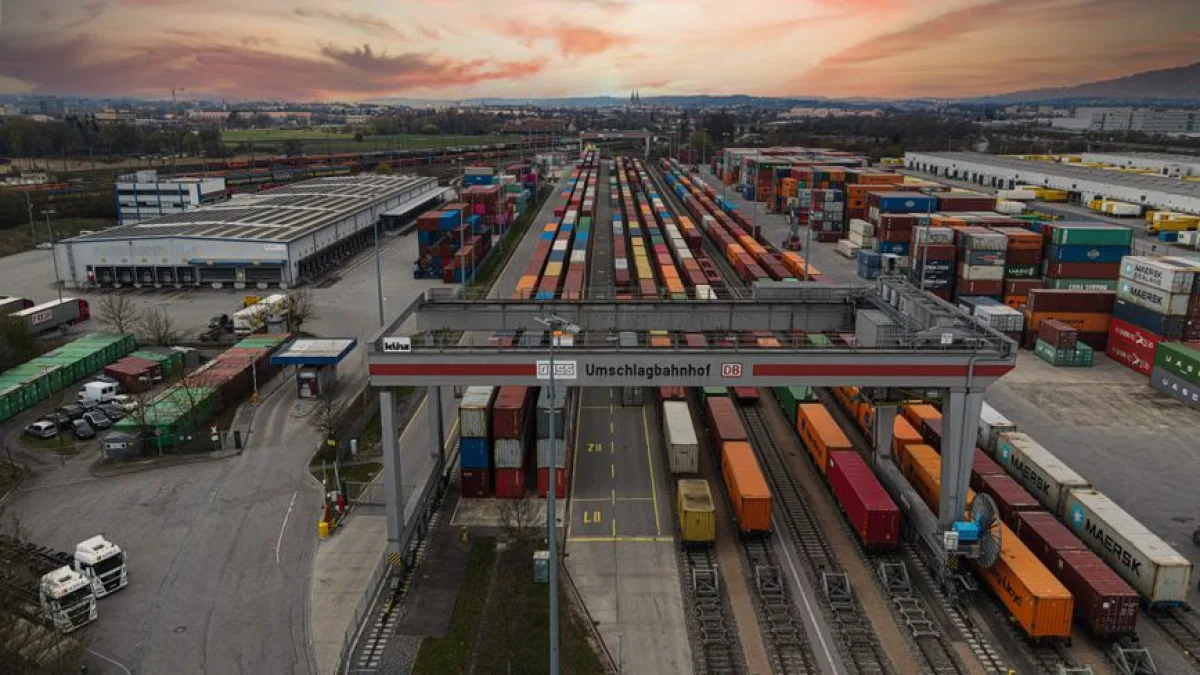
Cloud technology breaks down communication silos between global offices and remote teams. By using a shared digital infrastructure, freight forwarders can scale their operations effectively without increasing administrative overhead or facing the challenges of fragmented communication channels and data storage.
- Global office synchronization: Cloud platforms ensure that teams across different continents work from the same live data, which eliminates confusion and prevents the duplication of tedious administrative tasks.
- Secure remote access: Employees can access critical shipment information from anywhere in the world, allowing for a flexible workforce that remains productive regardless of the local office situation.
- Seamless partner collaboration: Secure guest access features allow you to share specific shipment details with overseas agents or trucking partners without compromising your entire internal business database.
- Infrastructure cost reduction: Eliminating the need for expensive on site servers reduces your overall IT maintenance costs while ensuring high levels of data security and system uptime.
Scaling your freight forwarding business requires a robust foundation that supports growth rather than hindering it. Cloud based software provides the flexibility to add new users and offices instantly as your company expands into new markets. By choosing a scalable platform today, you are preparing your agency to meet the evolving demands of global trade and setting yourself up for long term success.
Conclusion
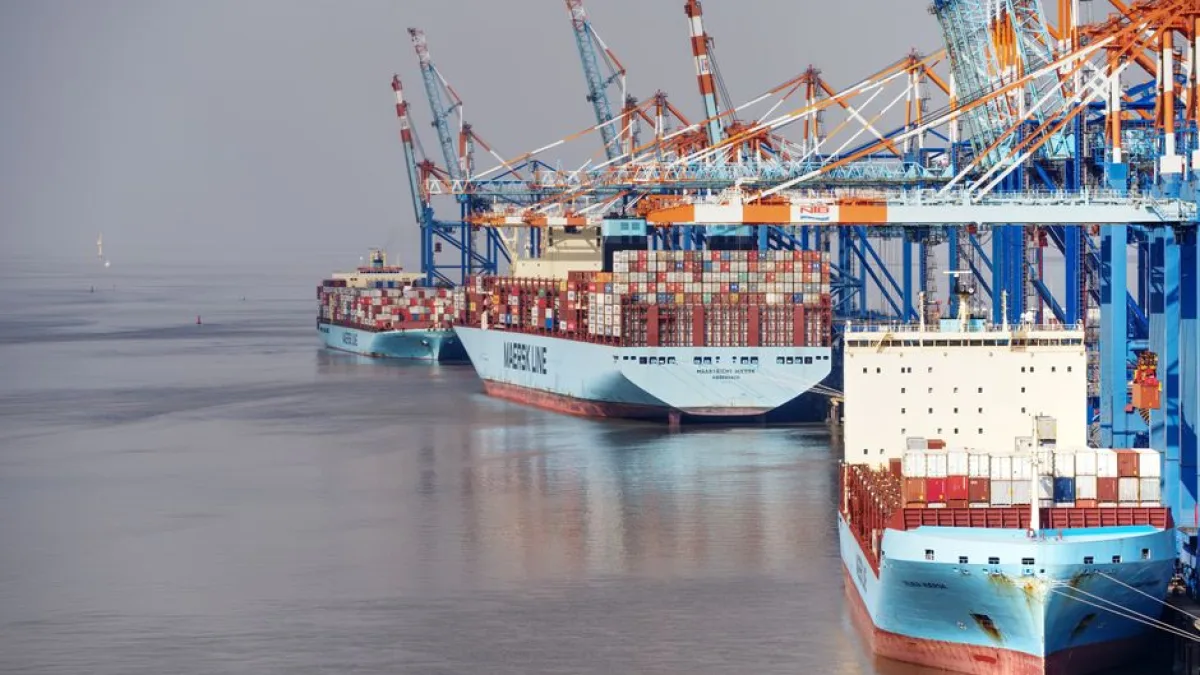
Modernizing ocean freight management is the key to maintaining a competitive edge in an increasingly digital world. By leveraging cloud based software to automate documentation, provide real time tracking, and streamline collaboration, freight forwarders can overcome traditional industry challenges. Embrace these innovative tools today to drive efficiency and deliver exceptional service, ensuring your business stays ahead of the curve in the rapidly evolving logistics market.