Optimizing Ocean Freight Logistics for Modern Freight Forwarders
Friday, July 31 2026
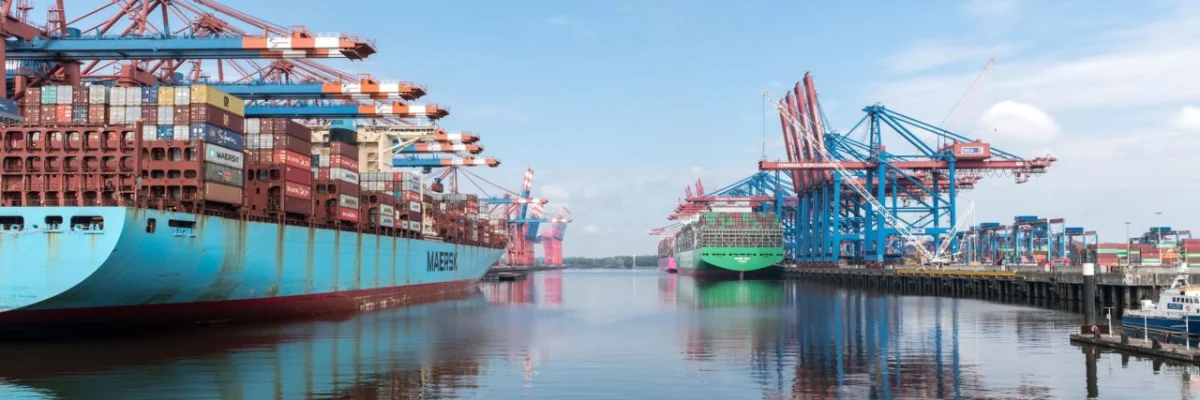
The global maritime landscape is currently undergoing a period of profound transformation, forcing freight forwarders to reevaluate their traditional operational strategies. As supply chains become increasingly complex, relying on manual processes is no longer sustainable for businesses aiming to scale. Digital integration serves as the backbone for modern logistics, enabling forwarders to gain real-time visibility and control over container movements. By embracing cloud-based platforms, professionals can now mitigate risks associated with port congestion and fluctuating carrier schedules. This article explores how adopting advanced technological solutions can drive efficiency, enhance client satisfaction, and secure a competitive advantage in a volatile international trade environment.
Digital Transformation Strategies

Implementing digital tools allows forwarders to centralize documentation and communication, eliminating the inefficiencies of legacy systems. By automating repetitive tasks, teams can focus on higher-value activities while reducing human error during critical shipping operations in the ocean freight sector.
- Automated Documentation Flows: Centralizing bill of lading creation and customs filing through cloud platforms ensures consistency across all shipments while significantly reducing the time spent on manual data entry tasks.
- Real-time Vessel Tracking: Integrating GPS and satellite data directly into your dashboard provides live updates on vessel locations, allowing for proactive communication regarding potential arrival delays or schedule changes.
- Client Portal Integration: Providing your customers with a dedicated access point to track their cargo builds immense trust and transparency, effectively reducing the volume of inbound status inquiries.
- Dynamic Workflow Automation: Configure intelligent triggers within your logistics software to automatically notify stakeholders when specific milestones are reached, ensuring seamless coordination between carriers and internal staff teams.
Transitioning to a fully digital environment may seem daunting, yet the long-term benefits for your freight forwarding agency are undeniable. By digitizing your core workflows, you position your business to handle higher shipment volumes without the need for proportional staffing increases. This efficiency gain translates directly into improved margins and a superior service experience that keeps your clients coming back to you.
Managing Port Congestion
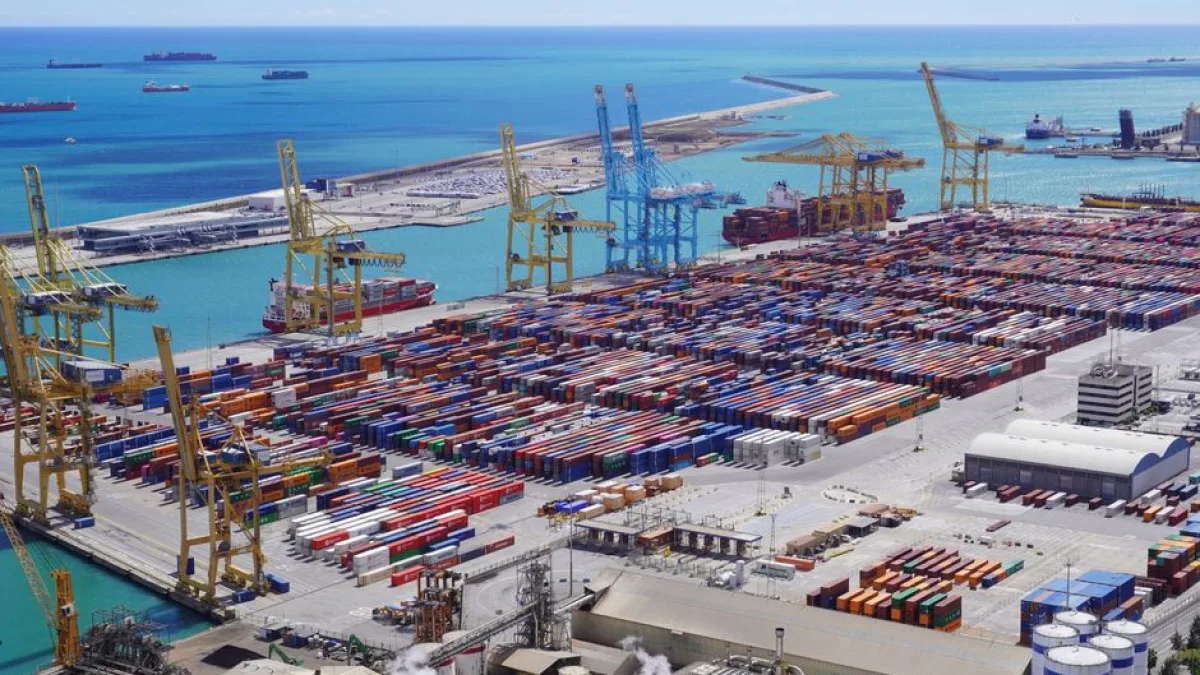
Managing port congestion is a critical challenge that requires agile decision-making and robust data analysis. When delays occur, forwarders must be equipped to quickly pivot their routing strategies to maintain delivery timelines and satisfy the expectations of their global clients.
- Predictive Capacity Planning: Utilize historical port congestion data to forecast potential bottlenecks before they happen, enabling you to advise clients on selecting alternative routes or ports of arrival.
- Supplier Communication Protocols: Establish automated notification systems that alert all parties immediately when a vessel is delayed, preventing downstream complications at the warehouse or inland transport stages.
- Enhanced Load Consolidation: Optimize your LCL shipments by utilizing advanced software algorithms that group cargo efficiently, reducing the number of individual containers that require port-side handling and processing.
- Flexible Carrier Routing: Maintain strong relationships with multiple shipping lines to ensure you have the flexibility to switch carriers when specific routes become overwhelmed by heavy traffic.
The ability to anticipate and react to port disruptions differentiates top-tier forwarders from the rest of the market. Rather than reacting to crises as they unfold, you can use software to model various scenarios and prepare contingency plans in advance. This proactive stance protects your reputation as a reliable partner and minimizes the financial impact caused by unexpected international maritime delays.
Optimizing Carrier Relations
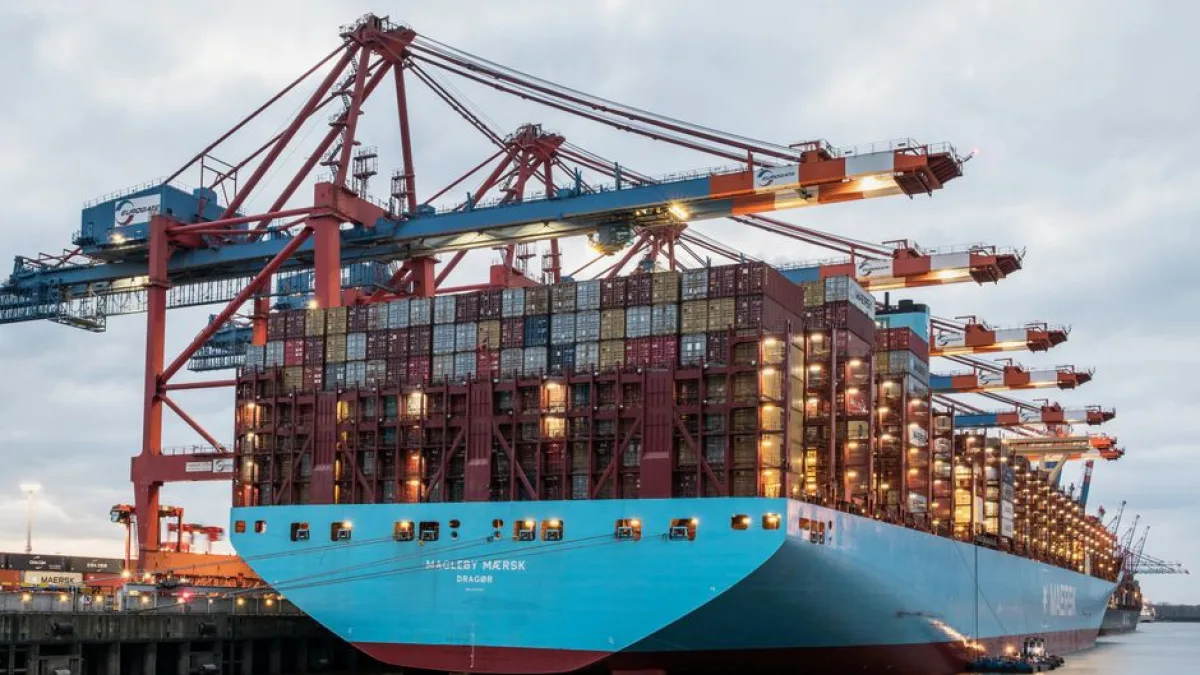
Cultivating strong relationships with ocean carriers is essential for securing space and competitive pricing. A digital platform assists by providing clear data on your shipping volume, which serves as a powerful bargaining tool during annual contract negotiations.
- Data-Driven Rate Analysis: Compare carrier quotes instantly using a centralized pricing engine to identify the most cost-effective options based on current market trends and your specific route history.
- Contract Management Systems: Keep all carrier agreements and service level commitments in a searchable digital archive, ensuring that your team always has access to the latest terms.
- Volume Forecasting Accuracy: Provide carriers with precise data on your future shipping volumes, which helps them allocate space for your cargo and improves your priority status during peak seasons.
- Performance Metric Tracking: Monitor carrier reliability by tracking transit times and incident reports, allowing you to prioritize the partners who consistently deliver on their service level agreements.
Strong carrier relations are built on a foundation of transparency and consistent volume delivery. When you utilize software to track your performance and maintain accurate records, you turn into a preferred customer for major shipping lines. This preference often leads to better service levels, more favorable pricing structures, and increased priority when space becomes limited on major trade lanes worldwide.
Enhancing Compliance Standards
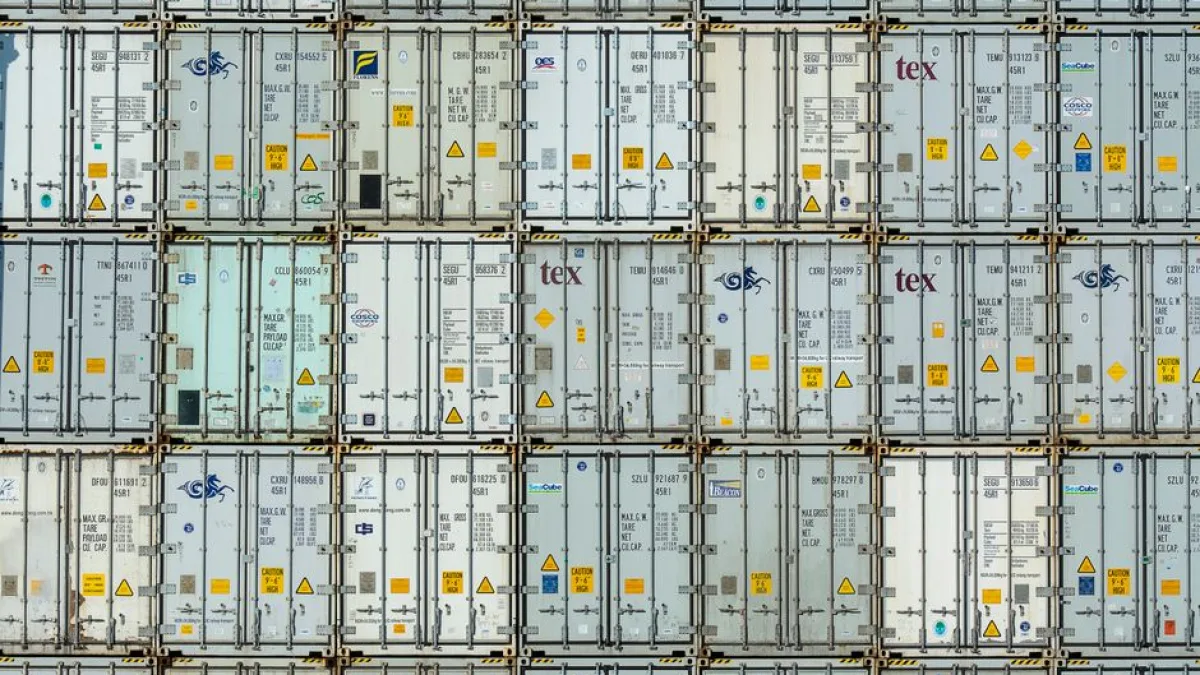
Staying ahead of international shipping regulations is non-negotiable for freight forwarders. With changing environmental standards and security mandates, software helps ensure your documentation remains accurate and compliant with the laws of every jurisdiction through which your cargo passes.
- Standardized Regulatory Filings: Utilize software templates that automatically update to include the latest customs requirements, ensuring every declaration is filed correctly to avoid expensive fines and cargo holds.
- Sustainability Data Reporting: Generate accurate carbon emission reports for your clients by leveraging data from your shipping operations, helping them meet their own environmental and social governance goals.
- Automated Security Screening: Ensure that all cargo manifests undergo rigorous automated checks for prohibited items or restricted entities before they ever reach the terminal for loading operations.
- Audit Trail Integrity: Maintain a permanent digital record of every communication and document exchange, providing a clear audit trail that simplifies compliance reviews and internal quality inspections.
Compliance is a complex field that requires precision and constant vigilance from your operations team. By automating the validation process, you reduce the risk of clerical errors that lead to regulatory penalties. Ultimately, investing in robust compliance software preserves your license to operate and strengthens your reputation as a responsible and trustworthy link in the global supply chain management ecosystem.
Conclusion

Navigating the complexities of ocean freight requires a combination of strategic planning and modern technology. By centralizing your operations on a cloud-based platform, you can overcome common industry hurdles such as port congestion, carrier negotiations, and regulatory compliance. Start your journey toward higher operational efficiency today by digitizing your workflows and empowering your team with the right tools for the modern global marketplace.