Optimizing Ocean Freight Logistics for Modern Forwarders
Sunday, August 2 2026
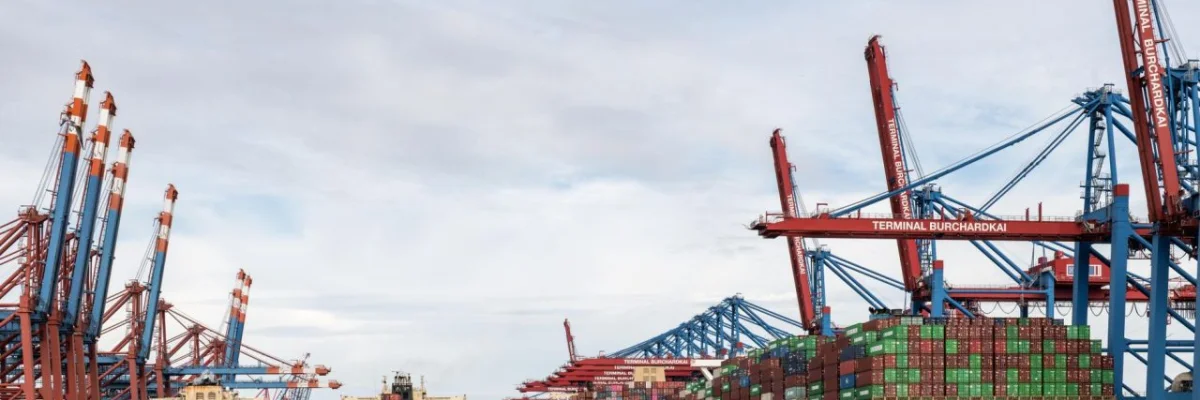
Global ocean freight faces unprecedented complexity as supply chain volatility becomes the new standard for modern logistics providers. Forwarders are constantly pressured to balance rising operational costs with the urgent demand for end-to-end visibility and real-time tracking. By leveraging digital transformation, forwarders can transition from manual spreadsheet management to automated workflows that improve precision. This shift is essential for companies aiming to remain competitive while navigating port congestion, fluctuating capacity, and unpredictable carrier schedules. Adopting a cloud-based approach allows your team to focus on strategic growth and value-added client services rather than administrative bottlenecks that hinder your overall throughput.
Digital Transformation Strategies

Modernizing your technology stack requires focusing on centralized data management that connects every stage of the shipment lifecycle. By removing silos, your team gains a single source of truth that simplifies decision-making during volatile market conditions and unexpected port delays.
- Unified Data Platforms: Implementing a cloud-based software solution ensures that your operations, finance, and sales teams share the same real-time information to reduce errors and improve overall internal communication.
- Automated Documentation Workflows: Replacing manual paperwork with digital automation tools allows your staff to generate essential shipping documents quickly while minimizing human input errors across your global operations.
- Real-time Tracking Integration: Connecting your system to carrier APIs provides automatic updates on container locations, allowing your customer service team to provide proactive status reports to clients.
- Cloud Security Standards: Utilizing enterprise-grade cloud platforms protects your sensitive shipment data against cyber threats while ensuring that your records remain accessible to authorized team members from anywhere.
Transforming your operational digital landscape serves as the foundation for long-term scalability. By migrating to cloud-native platforms, you effectively eliminate the risks associated with legacy software limitations. This upgrade empowers your staff to execute complex tasks with higher accuracy and speed. As your business grows, these robust digital foundations allow you to handle larger volumes without requiring a proportional increase in administrative overhead costs.
Streamlining Carrier Relationships
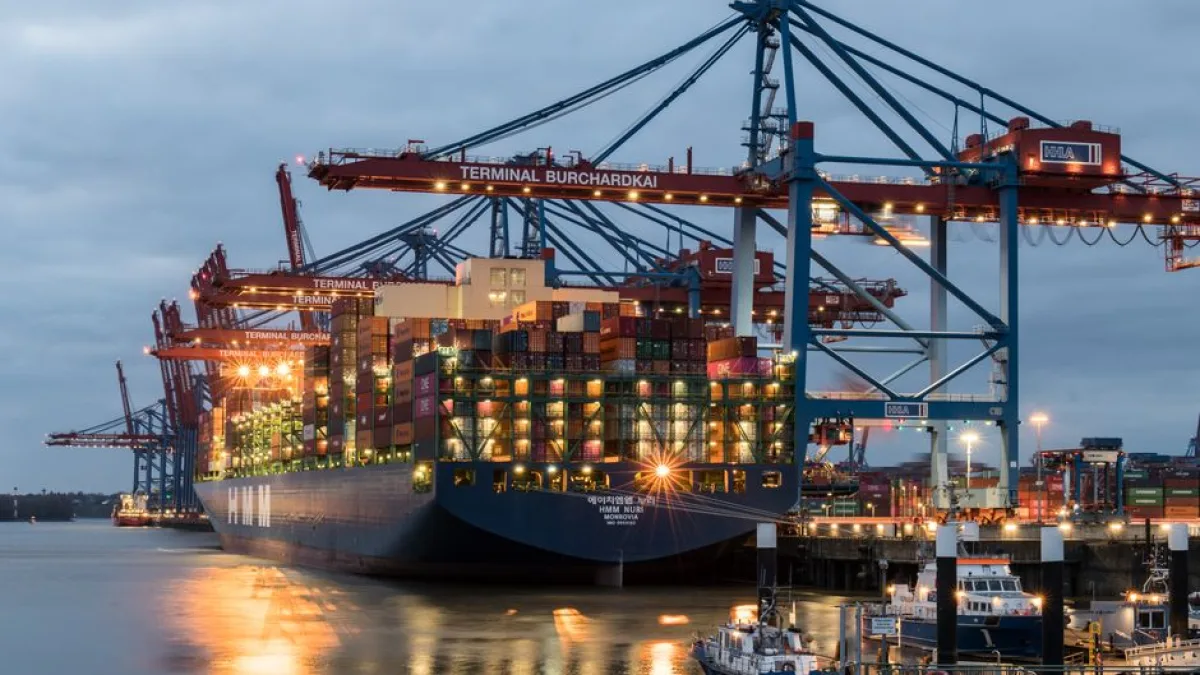
Maintaining healthy relationships with major ocean carriers requires consistent communication and a clear understanding of space allocation. Forwarders who utilize data-driven insights to negotiate better rates often find themselves with a significant competitive advantage in a tight market.
- Strategic Carrier Partnerships: Developing strong ties with primary shipping lines helps secure necessary vessel space during peak seasons and improves your ability to manage unpredictable transit fluctuations effectively.
- Automated Rate Management: Using software to track and compare carrier rates in real time enables your team to select the most cost-effective and efficient shipping routes.
- Capacity Forecasting Tools: Predictive analytics allow you to anticipate future space requirements based on historical data, helping you negotiate more favorable contract terms with your maritime partners.
- Performance Metric Tracking: Monitoring carrier service levels through objective metrics helps your team identify which partners provide the best value and reliability for your specific client needs.
Optimizing your carrier network is about more than just finding the lowest price available. It is about creating reliable partnerships that ensure cargo moves consistently despite global disruptions. By focusing on data-driven management, you build a resilient logistics network that can withstand market shocks. Proactive communication with carriers creates a collaborative environment where problems are solved before they impact your end customers.
Enhancing Customer Transparency

Today's customers expect instant access to shipment status updates and documentation through digital portals. Meeting these expectations is a critical factor in maintaining client loyalty and standing out in a crowded global freight forwarding market environment.
- Client Access Portals: Providing a secure web portal allows your clients to view their shipment status, access invoices, and download documentation at any time of the day.
- Proactive Milestone Notifications: Configuring automatic email or SMS alerts for key shipment milestones keeps your clients informed and reduces the volume of inbound status inquiries.
- Document Sharing Portals: Enabling digital document collaboration reduces the need for back-and-forth email communication while ensuring that everyone works from the most current version of paperwork.
- Transparent Financial Reporting: Providing clients with detailed breakdowns of charges and automated invoices fosters trust and ensures a smooth reconciliation process for their accounting departments.
Transparency is no longer a luxury but a fundamental requirement for building long-term trust. When you provide your clients with self-service tools and immediate visibility, you reduce their stress and improve their overall satisfaction. This high level of service differentiates your brand from competitors who still rely on slow, manual reporting methods. Ultimately, satisfied clients become loyal partners who drive your business growth.
Scaling Operations for Growth

Scaling your freight forwarding business requires a balance between manual expertise and automated efficiency. As your shipment volume increases, your software platform must handle the added complexity without sacrificing the quality of your personalized service offerings.
- Modular Software Scalability: Selecting platforms that grow with your company allows you to add features or regional support without needing a complete system overhaul or replacement.
- Integrated Workflow Automation: Automating routine tasks like entry filing or status updates allows your team to handle significantly higher volumes without needing to hire additional staff.
- Cross-Border Compliance Tools: Utilizing built-in compliance features ensures that your shipments meet international regulations, reducing the risk of customs delays and avoiding costly penalty fees.
- Performance Analytics Dashboard: Reviewing business intelligence reports helps leadership identify operational trends and allocate resources more effectively to maximize profitability across all of your active trade routes.
Scaling successfully involves optimizing your existing resources before expanding your headcount. By investing in scalable technology, you create a lean operational environment that remains agile in the face of change. This strategic approach ensures that you remain profitable even as your volume fluctuates. Focus on refining your internal processes and you will build a company that is prepared for future industry demands.
Conclusion

Optimizing ocean freight operations is an ongoing journey that requires both technological investment and a commitment to process excellence. By digitizing workflows and prioritizing transparency, your firm can navigate complex market challenges with greater confidence and efficiency. MakeCargo provides the essential tools to help your team thrive in this competitive landscape. Contact our team today to explore how our software supports your growth.