Optimizing Ocean Freight Logistics for Modern Freight Forwarders
Friday, August 7 2026

The global ocean freight landscape is currently undergoing a period of intense transformation as freight forwarders grapple with unpredictable market fluctuations and evolving client expectations. Efficiency is no longer just a competitive advantage but a fundamental requirement for survival in this complex sector. By embracing digital integration and data-driven decision making, logistics providers can effectively navigate the volatility of international shipping lanes. This article explores essential strategies for enhancing operational workflows, optimizing container management, and leveraging technology to ensure that cargo reaches its destination on time while maintaining healthy profit margins amidst ever-changing maritime conditions.
Modernizing Documentation Processes

The transition toward paperless documentation represents a significant leap forward for modern logistics firms looking to increase speed. By digitizing key paperwork like bills of lading and commercial invoices, companies can reduce human error and speed up customs processing times significantly.
- Automated Data Entry: Implement advanced OCR technology to scan and process shipping documents automatically, which minimizes manual input errors and saves valuable administrative hours for your dedicated logistics team.
- Cloud Document Storage: Utilize a centralized cloud platform to store all shipping records, ensuring that your team and partners access the most current versions of documents in real time.
- Instant Compliance Checks: Leverage software that automatically validates regulatory data against international standards, helping you avoid costly penalties or delays during the mandatory customs clearance phase of transport.
- Digital Signature Integration: Enable secure e-signatures for all parties involved in the shipment, which accelerates the signing process and eliminates the need for physical courier services during documentation handovers.
Adopting these digital practices allows your team to focus on high-value client relations rather than repetitive administrative tasks. As documentation becomes more streamlined, the risk of data discrepancies decreases, leading to smoother handovers at ports and faster release of cargo. Investing in these software tools today will pay dividends as your company scales its operations and manages larger volumes of international freight shipments.
Optimizing Container Load Planning
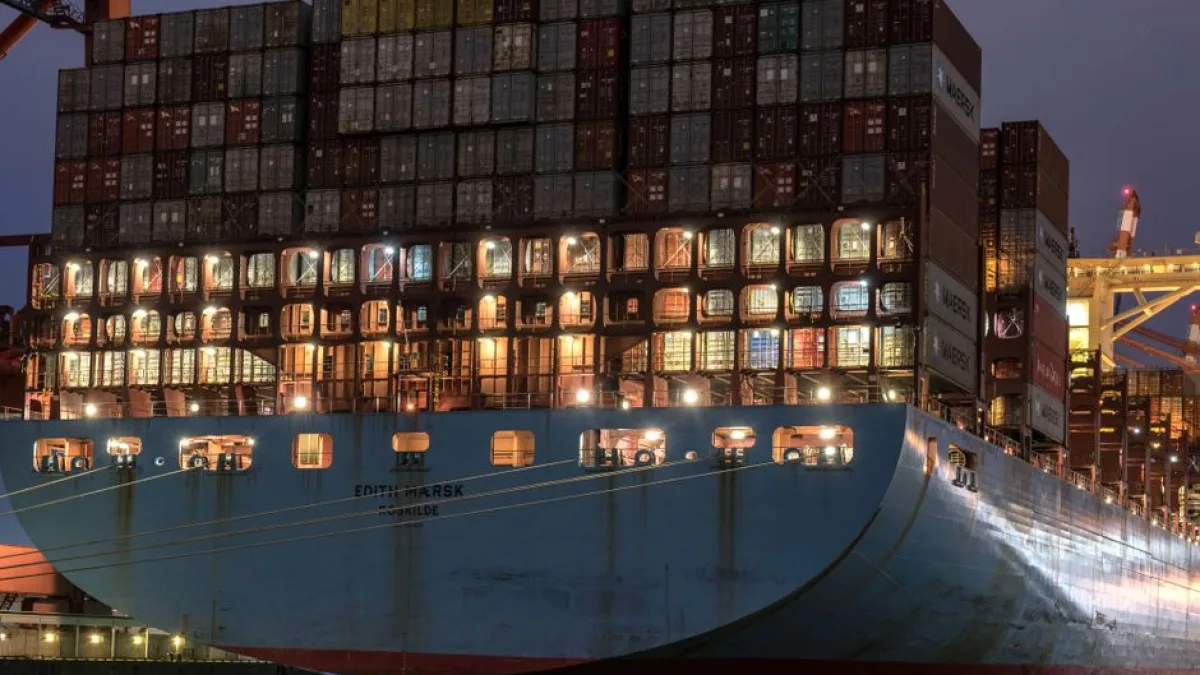
Effective load planning is the backbone of cost-effective ocean freight management and plays a critical role in maximizing vessel space utilization. Strategic arrangement of cargo ensures that containers are balanced, secure, and ready for efficient loading at the terminal.
- Smart Space Utilization: Use specialized software to calculate the optimal arrangement of goods, which ensures maximum container capacity usage and prevents wasted space within every single ocean freight shipment.
- Weight Distribution Balancing: Ensure that heavy cargo is distributed evenly across the container floor, which reduces the risk of structural damage and improves safety during heavy sea movements.
- Hazardous Material Segregation: Automate the compliance checks for dangerous goods to ensure that hazardous items are stored in accordance with strict international safety protocols for maritime transport.
- Real Time Visualization: Access visual dashboards that provide a clear representation of how cargo sits within a container, allowing your warehouse team to improve efficiency during loading cycles.
By refining your container load strategies, you directly influence your bottom line by minimizing the number of containers required for each individual shipment. This precision reduces overall freight costs while simultaneously improving the safety of the cargo during transit. Forwarders who prioritize these smart planning techniques can offer better value to their clients while ensuring that their operational workflows remain highly efficient and scalable.
Real Time Shipment Visibility

Visibility is the primary demand of modern shippers who require constant updates regarding their cargo status. Providing accurate, real time tracking information helps build trust and allows for proactive management when unexpected delays occur in the supply chain.
- Live Tracking Updates: Integrate satellite and terrestrial tracking data into your platform, providing clients with precise location updates from port of origin to the final destination delivery point.
- Proactive Delay Alerts: Set up automated notification systems that warn your team about potential disruptions, enabling you to inform customers before small issues escalate into major service failures.
- Port Congestion Data: Utilize live data streams that report on current congestion levels at major hubs, allowing for better route planning and more accurate estimated arrival time forecasting.
- Client Portal Access: Grant your shippers direct access to a dedicated online portal where they can monitor their shipments, reducing the volume of inbound status inquiry emails daily.
Transparency acts as a powerful differentiator in a crowded freight forwarding market, distinguishing your service from less tech-forward competitors. When clients feel informed, their satisfaction levels rise, leading to stronger long-term partnerships and improved loyalty. By investing in robust tracking tools, you convert complex logistics data into a user-friendly experience that empowers your customers and reinforces your reputation for professional reliability.
Strategic Carrier Relationship Management

Strong partnerships with ocean carriers remain vital for securing competitive rates and reliable space allocation. Proactive management of these relationships ensures that your agency remains a priority, even when global capacity is tight or market demand spikes unexpectedly.
- Data Driven Negotiations: Use historical shipping volume data to leverage better rates from carriers, demonstrating your consistency and value as a reliable partner during annual contract renewal cycles.
- Performance Metric Tracking: Maintain a scorecard for your carrier partners to evaluate their reliability and service quality, which informs your selection process for future high-priority cargo shipments.
- Shared Planning Sessions: Schedule regular strategy meetings with carrier representatives to discuss future capacity needs, which helps both parties prepare for seasonal surges in global trade volume.
- Conflict Resolution Frameworks: Establish clear communication channels for addressing disputes, ensuring that issues like sudden booking cancellations or equipment shortages are resolved quickly without affecting the end customer.
Nurturing strong carrier relationships creates a safety net that protects your operations during volatile market shifts. By working collaboratively with shipping lines, you gain better insight into capacity trends and can adjust your procurement strategy accordingly. These strategic alliances are essential for maintaining steady growth and ensuring that your clients receive high-quality service, regardless of the challenges present in the global ocean freight market.
Conclusion
Optimizing your ocean freight operations is an ongoing journey that requires both the right technology and a strategic mindset. By focusing on documentation efficiency, load planning, visibility, and carrier relationships, you position your firm for sustained growth. Start implementing these best practices within your freight forwarding software to drive better performance. Elevate your service levels and streamline your maritime logistics workflows starting today.