Optimizing Ocean Freight Logistics for Modern Forwarders
Sunday, August 9 2026

The global ocean freight landscape remains the backbone of international trade, yet it is currently undergoing a radical transformation driven by digital innovation. For forwarders, the challenge lies in balancing legacy processes with the need for real-time visibility and cost efficiency. As market volatility continues to impact shipping lanes and container availability, adopting a cloud-based approach has moved from a competitive advantage to a basic survival requirement. By centralizing operations and embracing automated workflows, freight professionals can effectively manage complex supply chains while delivering superior service quality and maintaining margins in an increasingly demanding and unpredictable economic environment.
Leveraging Digital Infrastructure
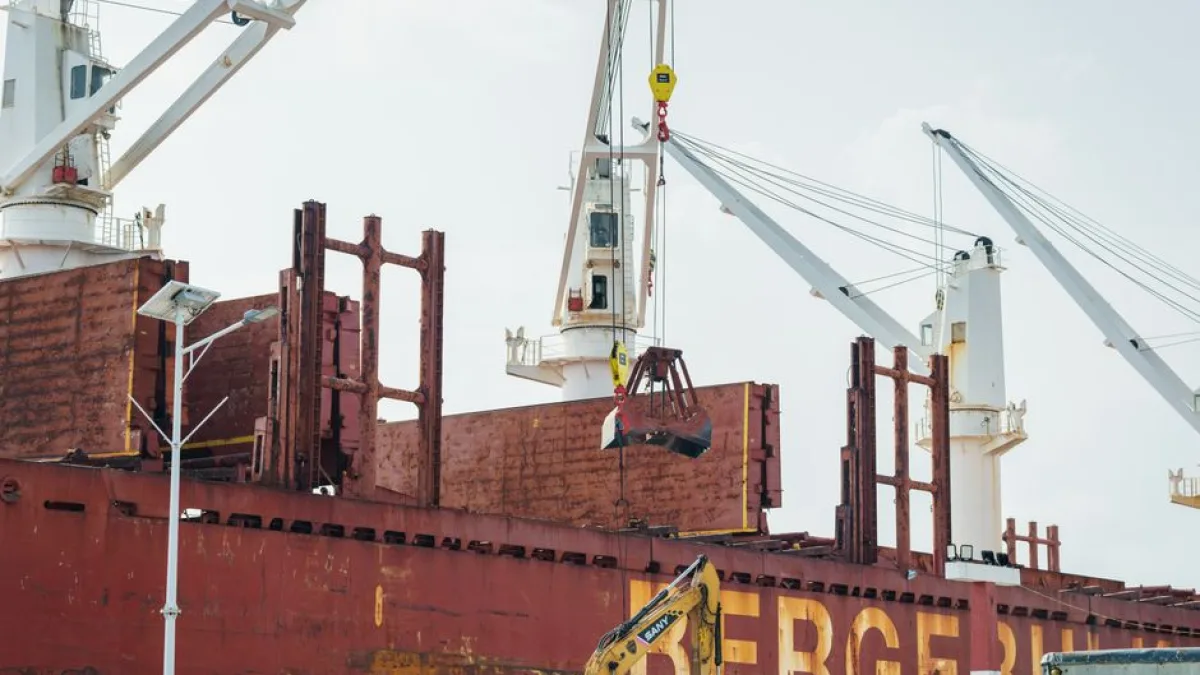
Digital transformation begins with the integration of cloud-based platforms that replace fragmented spreadsheets and manual data entry tasks. This shift allows teams to capture critical shipment data in real-time, reducing the risk of human error across various international booking channels.
- Automated Data Entry: Implement smart systems that parse documents automatically to minimize manual labor and improve overall speed in processing complex ocean freight documentation for your diverse client base.
- Centralized Cloud Storage: Maintain a secure and accessible repository for all shipping documents to ensure that your entire team stays aligned on every project throughout the lifecycle.
- Real-time Communication Portals: Utilize integrated messaging tools to connect with carriers and clients instantly, ensuring that all parties remain informed regarding status updates and any potential cargo delays.
- Scalable System Architecture: Select software solutions that grow alongside your firm, allowing you to add new users and features without the need for expensive hardware or infrastructure upgrades.
Transitioning to a digital-first mindset empowers forwarders to reclaim lost time and focus on value-added activities. By removing manual bottlenecks, teams can handle higher volumes with greater accuracy and less stress. This operational efficiency is essential for scaling modern logistics businesses while keeping overhead costs under control. Ultimately, technology serves as the foundation for sustainable growth and long-term success in the competitive global market.
Enhancing Shipment Visibility
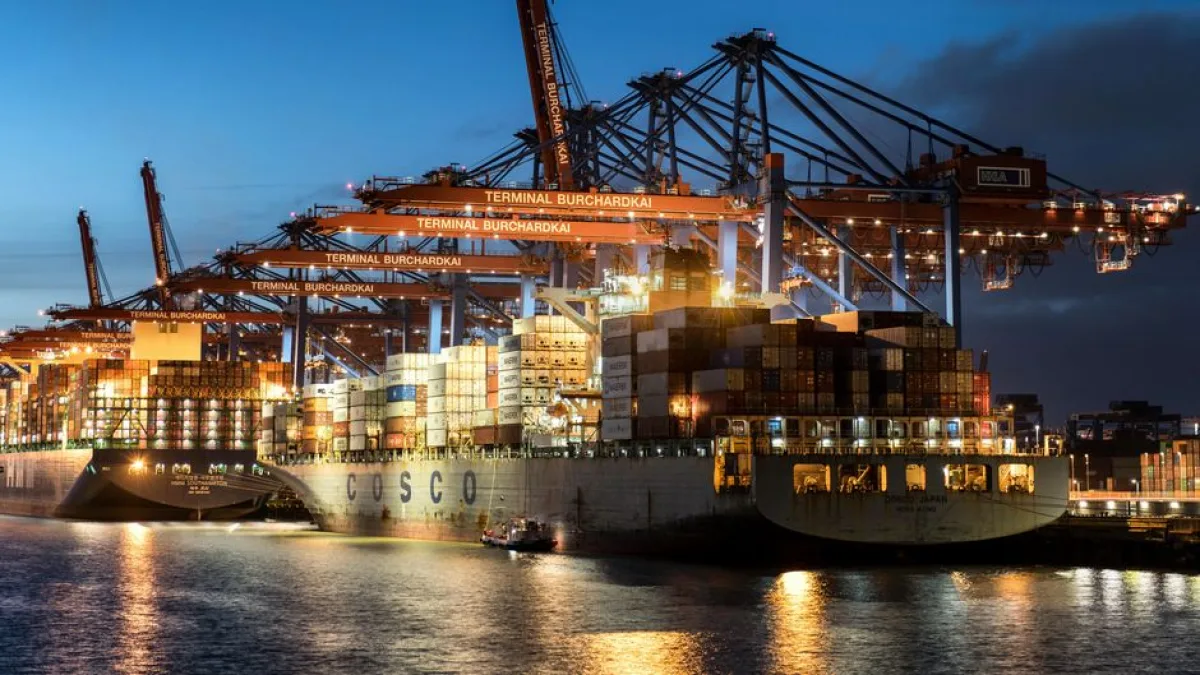
Real-time visibility tools provide forwarders with the clarity needed to anticipate disruptions before they escalate. Accessing live status updates on container movements ensures that you can provide clients with accurate ETAs and proactive solutions during unexpected shipping delays.
- Live Tracking Integration: Connect your platform directly with carrier APIs to receive instant updates on container locations, which helps in managing expectations for your end-customers effectively.
- Predictive Delay Alerts: Utilize machine learning features that monitor port congestion and weather patterns to provide early warnings, allowing you to re-route cargo when necessary to avoid.
- Comprehensive Dashboard Views: Visualize all active shipments through a single interface, giving managers a high-level overview of operational health and immediate insight into urgent matters requiring attention.
- Proactive Client Reporting: Automate custom reports that update stakeholders automatically, saving your team from constant manual status check requests while maintaining high levels of professional trust.
When visibility becomes a standard feature, trust between forwarders and shippers strengthens significantly. Providing data-driven insights rather than guesswork allows your business to position itself as a reliable partner in the supply chain. This transparency reduces the frequency of inbound inquiries, allowing your customer support staff to dedicate their time toward solving complex logistical challenges rather than simply answering basic status questions.
Managing Documentation Complexity

Managing the mountain of paperwork associated with ocean freight is a massive drain on company resources. Modern software simplifies this process by digitizing bills of lading, commercial invoices, and packing lists to ensure complete compliance and faster processing speeds.
- Automated Document Generation: Create standard templates for essential shipping documents to reduce drafting time and ensure that all required regulatory information is included in every submission.
- Secure Cloud Signing: Adopt electronic signature technology to eliminate the need for physical printing and scanning, which drastically speeds up the approval process for international cargo.
- Regulatory Compliance Checks: Integrate automated validation tools that scan documentation for common errors before submission, preventing costly customs delays and fines during the international clearing process.
- Searchable Document Archives: Build a comprehensive database where historical documents are indexed, allowing your team to retrieve records in seconds during audits or specific client inquiries.
Optimized document management is a core pillar of a high-performing freight forwarding operation. By streamlining these administrative tasks, you allow your staff to dedicate more energy to strategic initiatives and business development. Furthermore, the reduction of paper-based errors significantly mitigates financial and legal risks. Precision in documentation remains a competitive differentiator that keeps your operations running smoothly despite the inherent complexities of global trade.
Maximizing Operational Efficiency
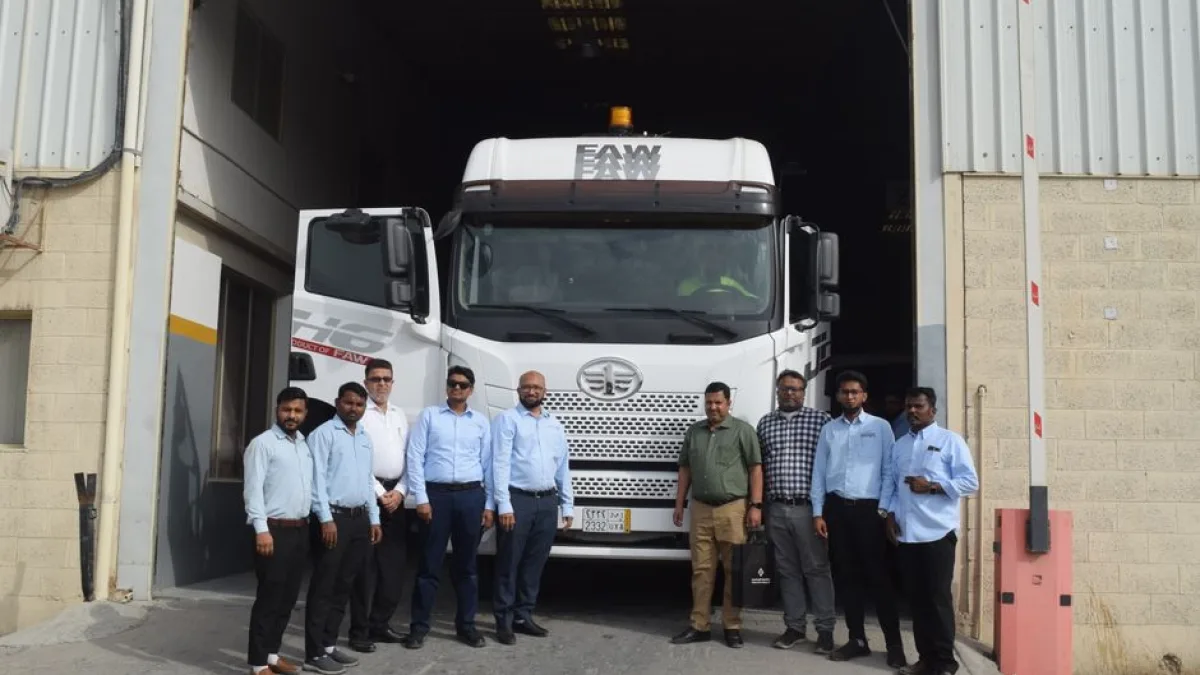
Operational efficiency is achieved when workflows are standardized and automated through intelligent software solutions. Aligning internal processes helps teams collaborate better, ensuring that every shipment is managed with consistent quality and professional attention to detail from booking to delivery.
- Standardized Workflow Templates: Define clear steps for every shipment type, which ensures that your team consistently follows the same best practices regardless of the specific cargo or route.
- Automated Task Reminders: Set internal triggers to notify staff about upcoming deadlines, such as document cutoffs or carrier space confirmations, to ensure nothing falls through the cracks.
- Cost Management Analytics: Monitor profit margins for each shipment in real-time by tracking carrier costs against client billing to ensure that your firm remains consistently profitable.
- Cross-Departmental Collaboration: Use shared digital workspaces to bridge gaps between sales, operations, and accounting, fostering a culture of teamwork and improving overall organizational agility and responsiveness.
Efficiency in operations is not just about speed but also about maintaining consistency in service delivery. When internal processes are predictable and well-documented, the business can handle market fluctuations without losing quality. This internal stability allows for faster decision-making, which is vital when navigating the rapid changes in ocean freight. By fostering a culture of continuous improvement, your forwarder will thrive in any environment.
Conclusion

Successful ocean freight management requires a synergy of smart technology and strategic planning. By digitizing workflows, improving visibility, and optimizing documentation, freight forwarders can effectively navigate the complexities of global logistics. Embrace these cloud-based tools today to streamline your operations and deliver superior service to your clients. Start your journey toward a more efficient, profitable future by upgrading your digital infrastructure with MakeCargo today.