Optimizing Ocean Freight Logistics for Modern Forwarding
Wednesday, August 12 2026
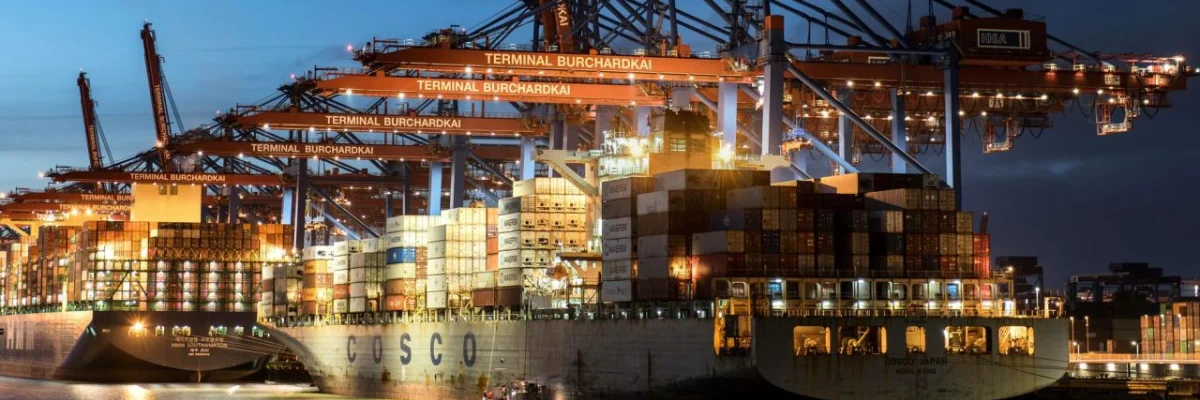
Navigating the complex landscape of global ocean freight requires more than just moving containers from point A to point B. As supply chains face unprecedented volatility, freight forwarders must leverage advanced digital tools to ensure operational efficiency and cargo visibility. Integrating cloud-based platforms into your existing workflows transforms how you manage bookings, documentation, and carrier communications. By embracing automation and data-driven decision making, logistics providers can effectively mitigate risks, reduce overhead costs, and deliver superior service to clients. This guide explores essential strategies to modernize your ocean freight operations and maintain a competitive edge in an increasingly digital industry.
Mastering Carrier Capacity Management
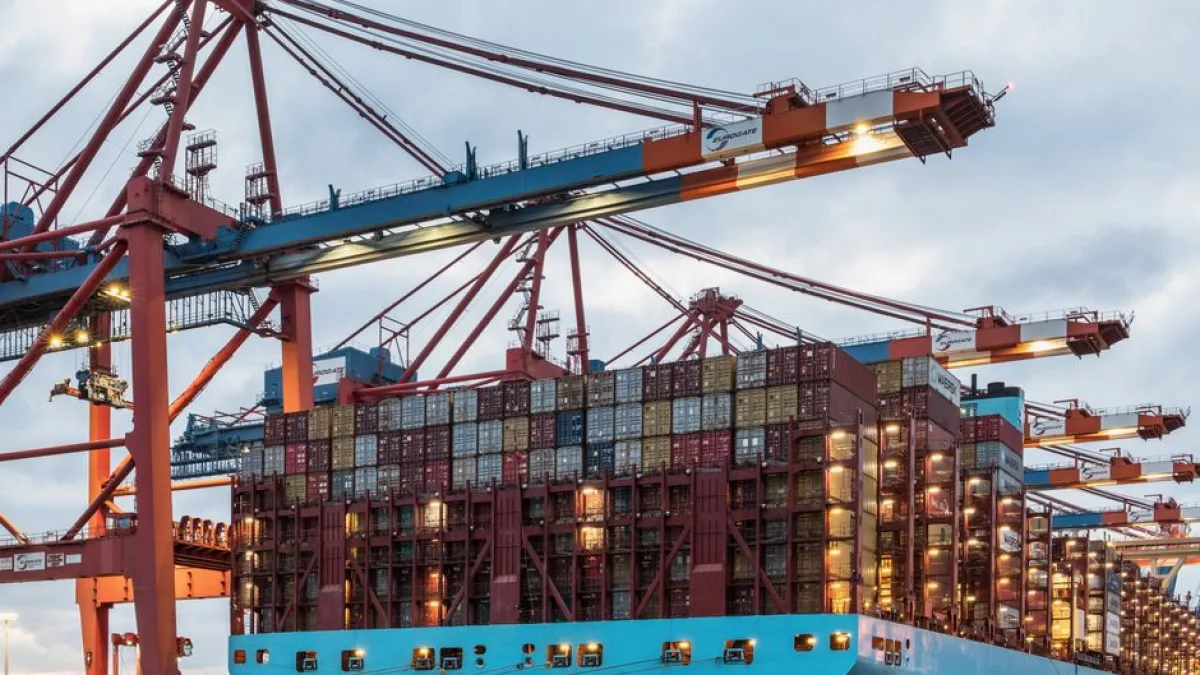
Managing space allocations effectively prevents costly delays and helps forwarders maintain consistent service levels. Digital tools now allow teams to monitor carrier schedules in real time, enabling smarter booking decisions that align with specific client deadlines and overall freight availability requirements.
- Automated space booking: Integrate your software with carrier systems to secure container slots instantly without manual data entry or long wait times for email confirmations from steamship lines.
- Real-time schedule tracking: Access live vessel movement data to anticipate potential transit delays before they occur, allowing you to proactively communicate updates to your import and export clients.
- Allocation monitoring tools: Track your monthly volume commitments against actual bookings to ensure you maximize your carrier contract benefits while avoiding unused space penalties or unexpected surcharges.
- Data driven forecasting: Utilize historical shipment data to predict seasonal capacity crunches, helping your team plan ahead and secure space when demand typically exceeds the available vessel supply.
Adopting a robust digital platform for managing carrier capacity changes the game for high-volume forwarders. By removing manual spreadsheets and relying on unified cloud systems, your team gains transparency across all active bookings. This visibility facilitates faster responses to market fluctuations and prevents the common errors associated with traditional booking methods. Invest in tools that empower your operations team to perform at their absolute best.
Digitalizing Freight Documentation Processes
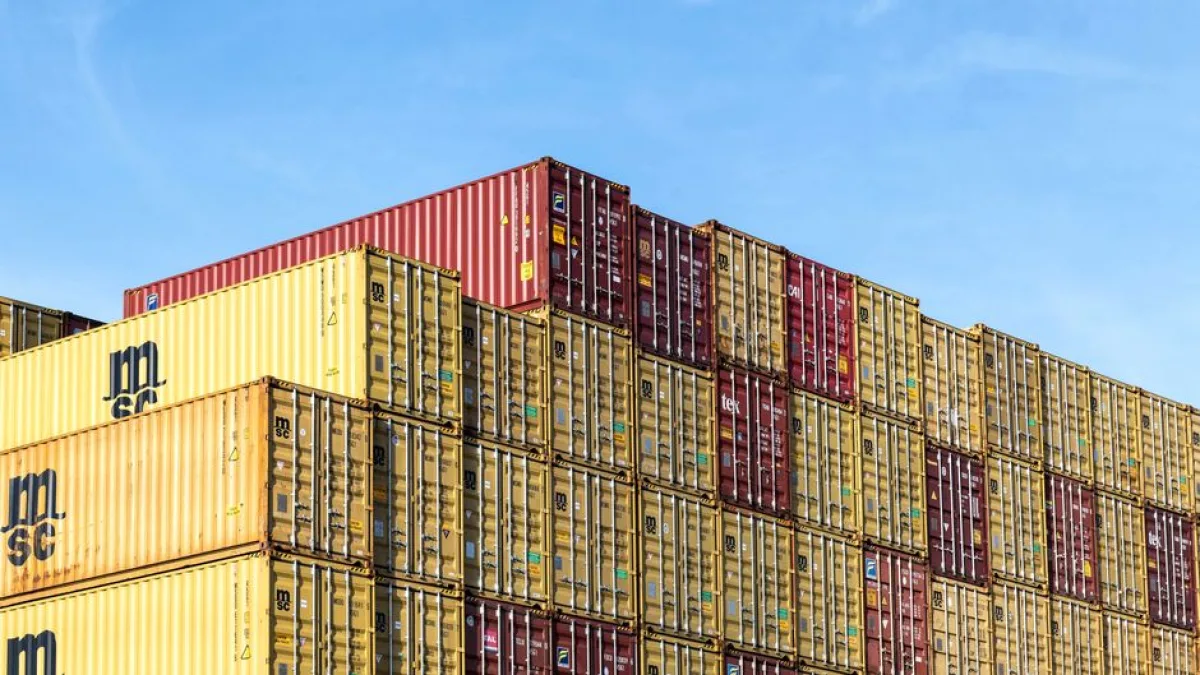
Paperwork remains a significant bottleneck for logistics teams, often causing clearance delays at major ports. Modernizing your document management through cloud solutions creates a centralized repository, ensuring that every bill of lading and customs invoice is accessible, accurate, and fully compliant.
- Automated document generation: Reduce errors by automatically pulling shipment data into standardized templates for bills of lading, arrival notices, and commercial invoices directly from your software platform.
- Centralized digital filing: Organize all shipment-related documents in a secure cloud folder that allows team members to retrieve critical files instantly without searching through physical filing cabinets.
- Secure document sharing: Enable your shippers and consignees to upload or download required documentation via a secure customer portal, eliminating the need for fragmented email correspondence chains.
- Automated compliance checks: Utilize intelligent software features that automatically flag missing information or regulatory discrepancies in your shipping documents before they reach the customs brokerage department.
The transition toward paperless logistics is no longer optional for forwarders wanting to scale operations. Moving away from manual data entry and disjointed email threads significantly reduces the risk of human error during international transit. When your documentation is digitized and synced across your entire team, you accelerate the billing cycle and improve overall customer satisfaction regarding your professionalism and reliability.
Enhancing Real-Time Cargo Visibility

Tracking container progress across the ocean is vital for keeping clients satisfied and supply chains moving smoothly. Advanced visibility solutions provide precise updates on vessel positions, allowing you to manage exceptions effectively rather than reacting only when a shipment fails to arrive on time.
- Live vessel tracking: Integrate GPS and AIS data directly into your dashboard to provide clients with accurate, up-to-the-minute updates on the status of their sea freight.
- Proactive exception management: Receive automated alerts whenever a container is offloaded unexpectedly, delayed at a transshipment hub, or impacted by port strikes or sudden weather events.
- Client notification systems: Set up automated triggers that notify your customers via email or portal alerts when their cargo reaches specific milestones during its oceanic journey.
- Improved transit reliability: Analyze performance metrics from different carrier routes to identify the most reliable shipping lanes, helping you recommend the best options for your customers.
Providing exceptional visibility is a key differentiator in the freight forwarding market today. When you provide accurate, automated tracking updates, your clients spend less time asking for status reports and more time managing their inventory. This builds deep trust and loyalty, positioning your agency as a proactive partner. Leverage modern software to turn tracking data into a transparent and seamless customer experience.
Financial Efficiency in Ocean Shipping

Financial management within ocean freight demands high accuracy regarding surcharges, detention fees, and carrier invoices. A cloud-based platform automates the reconciliation process, ensuring that your company captures every expense accurately while maintaining healthy profit margins on every single shipment you manage.
- Automated cost allocation: Map complex ocean freight rates and accessorial charges automatically to specific shipments, ensuring that no extra cost goes unbilled to your valuable end customers.
- Simplified invoice reconciliation: Compare incoming carrier invoices against your original booking rates automatically to identify discrepancies or overcharges before you approve payments for your logistics service providers.
- Dynamic profit analysis: Access detailed reports on the profitability of individual lanes or clients to understand exactly where your business generates the highest return on investment.
- Streamlined accounting integration: Sync your operational platform with accounting software to ensure that revenue and expense data flow seamlessly, eliminating double entry tasks for the finance team.
Financial precision is the backbone of any successful freight forwarding firm. By integrating automated financial tools into your daily ocean freight workflows, you prevent the common issue of lost revenue through unbilled surcharges or undetected carrier errors. Consistent financial oversight allows your business to scale profitably. Use data to refine your pricing strategies and ensure that every shipment contributes positively to your bottom line.
Conclusion
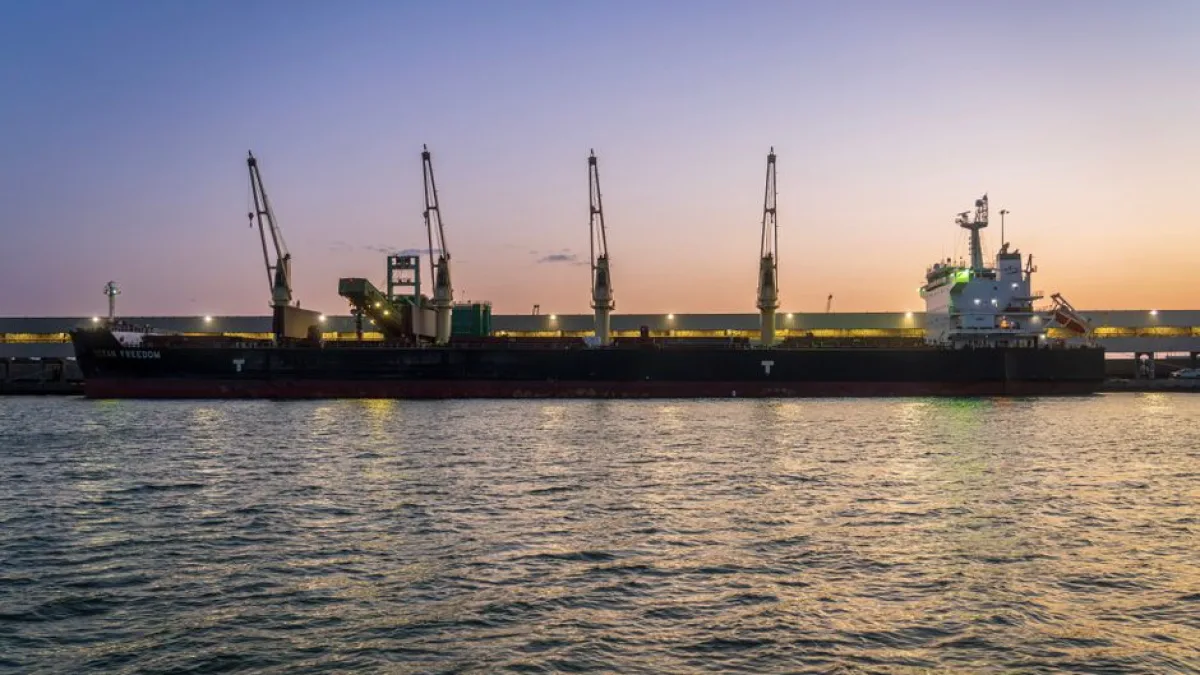
Modernizing your ocean freight operations is an essential step for staying competitive in today's fast-paced logistics industry. By adopting cloud-based software, you can automate manual tasks, improve document accuracy, and provide the transparency your clients demand. Start evaluating your current processes today to identify where technology can drive greater efficiency. Reach out to the MakeCargo team to discover how our platform can support your growth.