Optimizing Ocean Freight Logistics for Modern Freight Forwarders
Sunday, August 16 2026
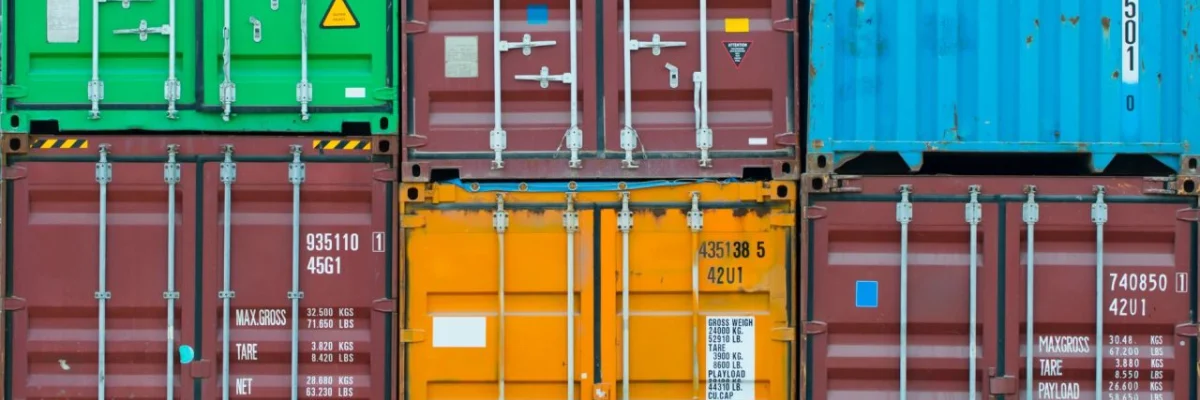
Ocean freight remains the backbone of global commerce, yet freight forwarders frequently struggle with fragmented data, shifting container availability, and unpredictable transit times. As supply chains grow more complex, the reliance on manual spreadsheets and disconnected communication channels creates significant operational bottlenecks that stifle growth. Modern logistics professionals must transition toward digital platforms to maintain visibility and efficiency in an increasingly volatile market. By leveraging cloud-based software solutions, forwarders can automate core processes, improve customer transparency, and reduce the heavy administrative burden that typically defines the industry. Mastering these digital tools is essential for maintaining a competitive edge in today's fast-paced international trade environment.
Digital Visibility Tools
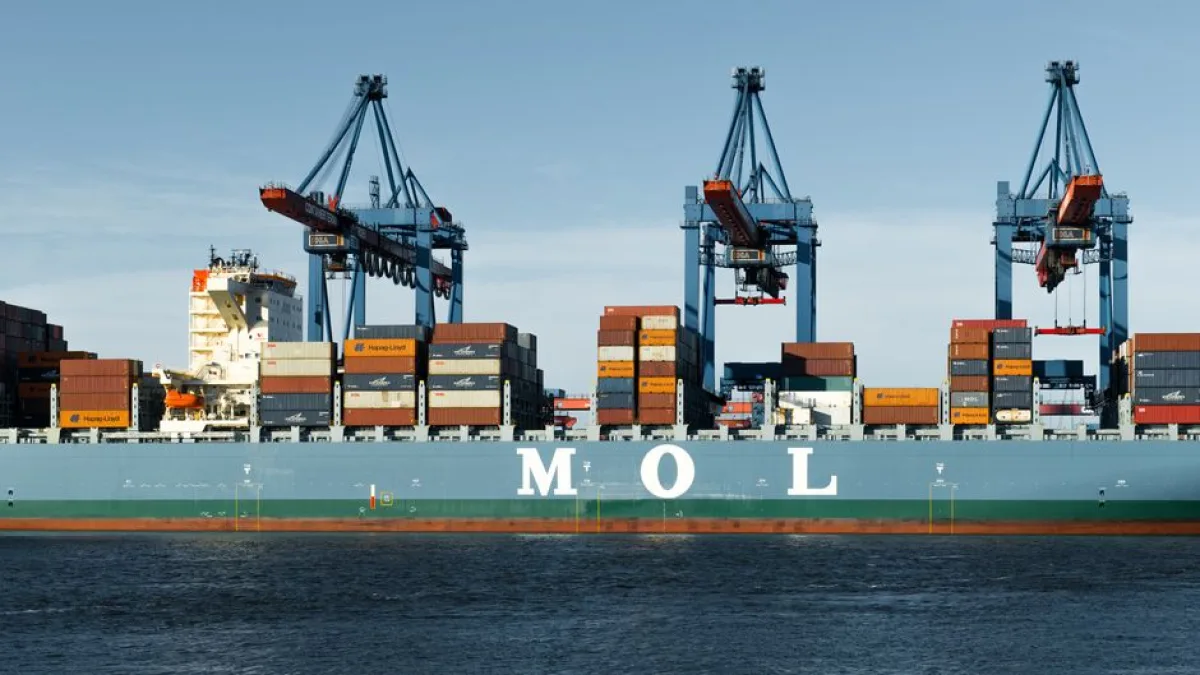
Real-time tracking provides a comprehensive overview of vessel movements and port activities, allowing your team to monitor cargo status from origin to final destination. This clarity eliminates the guesswork and allows for proactive management of potential transit delays.
- Automated Tracking Updates: Advanced software platforms provide automatic milestones for every container, ensuring your team receives live data regarding vessel location and estimated arrival times without manual verification.
- Centralized Shipment Data: Storing all documentation and tracking details in one cloud platform prevents information loss and allows your staff to access critical shipment data from anywhere.
- Exception Management Alerts: Proactive notifications identify potential bottlenecks or weather delays early, empowering forwarders to communicate transparently with clients before critical issues escalate into significant service failures.
- Integrated Port Connectivity: Direct connections to port authority systems allow for instant data synchronization, which reduces manual entry errors and speeds up the customs clearance process considerably.
Adopting digital visibility tools transforms the client experience by replacing uncertainty with reliable data. When forwarders provide precise, up-to-the-minute updates, trust between the agent and the shipper grows significantly. This commitment to transparency is not just a value-added service but a necessity in the modern freight landscape where every hour counts toward operational success and improved customer retention rates for your logistics business.
Container Capacity Planning
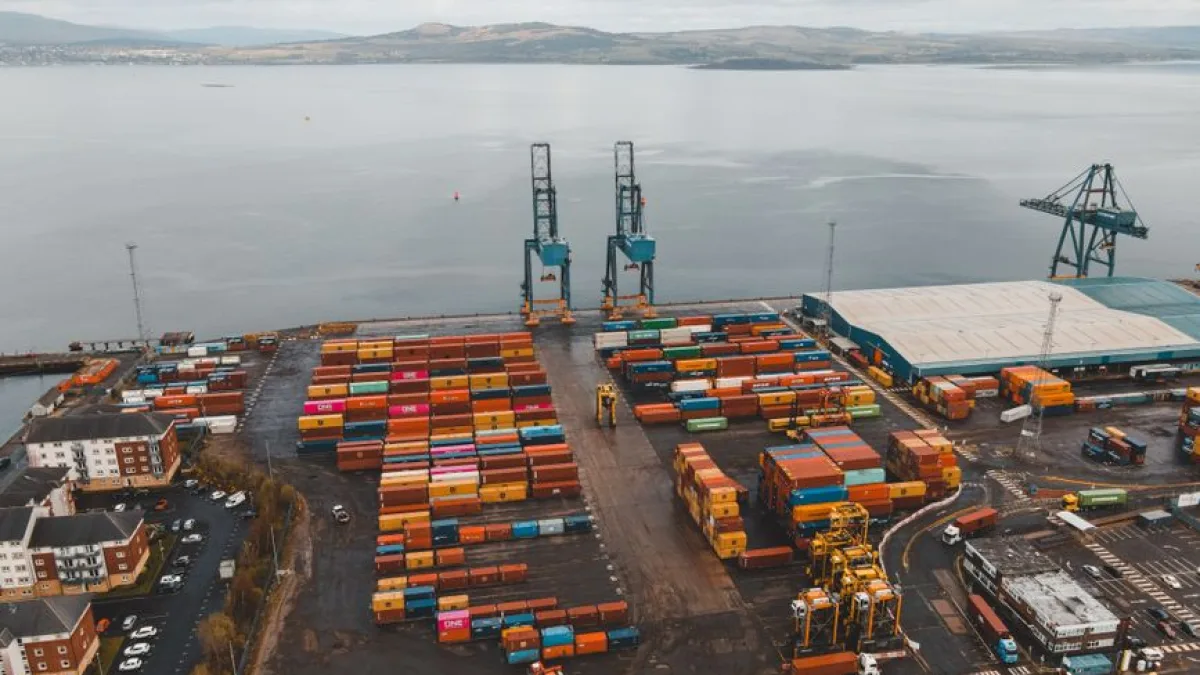
Managing container allocation requires precise forecasting and strong relationships with carriers to ensure space availability during peak seasons. Effective planning tools allow you to balance your load volumes against available shipping capacity to avoid expensive last minute penalties.
- Historical Volume Analysis: Analyzing past shipment patterns helps forwarders predict seasonal surges in demand, enabling better negotiation strategies with ocean carriers to secure essential shipping space allotments.
- Carrier Performance Metrics: Tracking carrier reliability through software analytics allows you to choose partners based on actual historical transit performance rather than simply the lowest quoted price.
- Dynamic Allocation Management: Digital tools allow you to adjust your booking strategies dynamically as market conditions change, ensuring that you optimize space usage across multiple shipping lanes.
- Automated Booking Requests: Submitting booking requests directly through integrated software interfaces minimizes human error and reduces the time spent on repetitive data entry tasks during busy periods.
Proactive capacity planning minimizes the risk of rolled cargo and high spot market costs. By aligning your logistics strategy with accurate volume projections and reliable carrier partnerships, your firm can maintain stability even during market volatility. This strategic approach ensures that you always meet your customer delivery commitments while keeping overhead expenses under control and maximizing the overall profitability of your freight operations.
Documentation and Compliance

Automating your documentation workflow is essential for minimizing costly delays and ensuring regulatory compliance across international borders. Digital document management creates a seamless audit trail that simplifies the customs entry process and reduces overall administrative overhead for staff.
- Standardized Document Templates: Using automated templates ensures that every bill of lading and commercial invoice adheres to global standards, preventing rejections by customs officials or shipping lines.
- Digital Signature Integration: Implementing secure electronic signature workflows speeds up the approval process significantly, allowing shipments to move forward without waiting for physical document courier services.
- Compliance Database Access: Integrated software systems automatically update with the latest international trade regulations, helping your team remain compliant and avoid heavy fines for documentation errors.
- Secure Cloud Storage: Encrypted document storage provides peace of mind while ensuring that every team member can retrieve vital records instantly whenever a request is made.
Streamlined documentation processes are the key to unlocking faster release times at destination ports. By moving away from manual filing and paper-heavy workflows, your office can handle larger shipment volumes without increasing headcount. This efficiency gain allows your team to focus on higher value tasks like business development and client relations, which ultimately drives long-term revenue growth and professional operational excellence.
Collaborative Freight Networks

Building strong collaborative networks with overseas agents and vendors ensures smoother transitions at every stage of the transit. Cloud-based platforms facilitate instant communication and data sharing, breaking down silos that often hinder effective international freight forwarding operations today.
- Instant Message Exchanges: Built-in communication modules allow your team and overseas partners to discuss shipment details directly, keeping all relevant context tied to the specific freight record.
- Vendor Performance Rating: Tracking how well your overseas partners perform helps you refine your network, ensuring that only the most reliable agencies handle your client shipments.
- Shared Task Management: Assigning specific milestones to agents through a digital interface ensures that everyone understands their responsibilities and timelines for every active shipment file.
- Real-time Data Transparency: Granting agents controlled access to shipment data ensures everyone works from the same information, which prevents miscommunication and costly errors in the logistics chain.
Collaboration is the heart of successful international shipping. By using digital platforms to connect your global team, you create a unified operational structure that is capable of handling complex challenges with ease. This synergy improves response times and ensures that your clients receive a consistent, high-quality service experience regardless of where their cargo is located across the entire global shipping network.
Conclusion
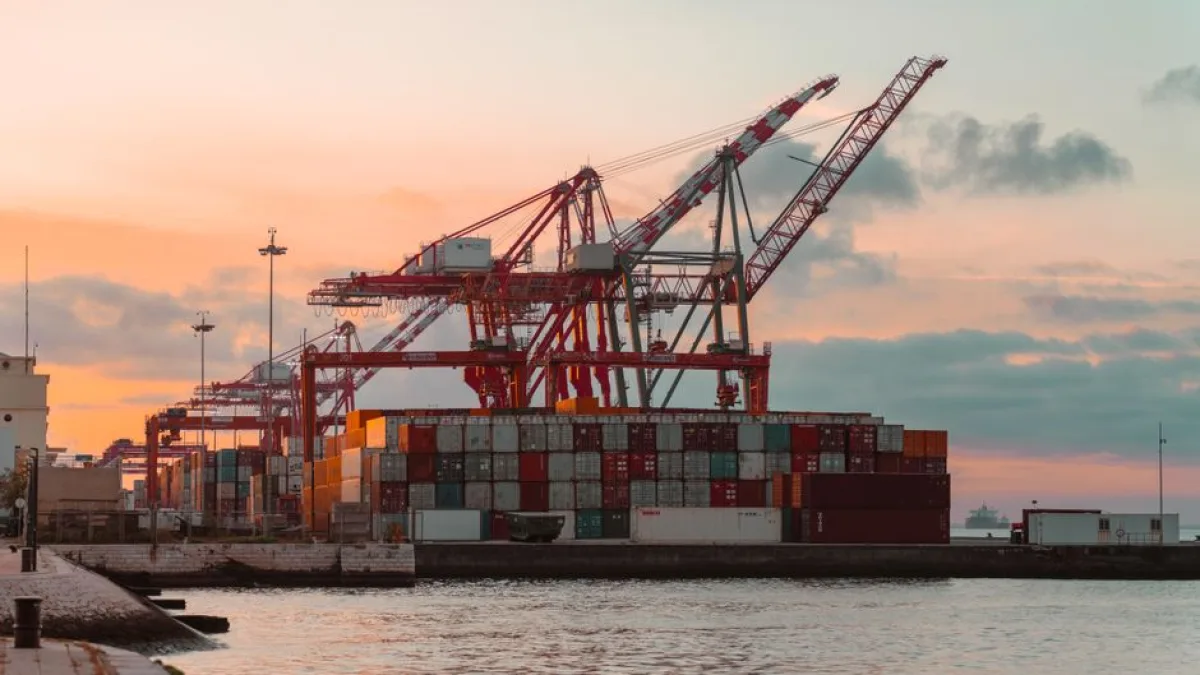
Modernizing your ocean freight operations is no longer optional for firms aiming to scale in a competitive market. By integrating digital tools for visibility, capacity management, documentation, and collaboration, your company can achieve unprecedented levels of efficiency. Start evaluating your software needs today to position your freight forwarding business for long-term success and growth within the fast-evolving global logistics landscape.