Optimizing Ocean Freight Logistics for Modern Forwarders
Monday, August 24 2026
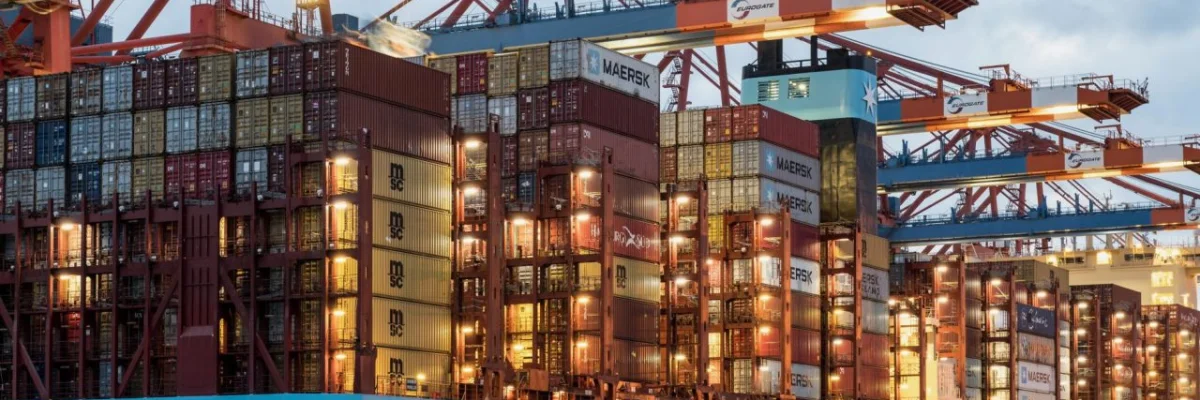
The global ocean freight landscape is currently undergoing a period of intense transformation as freight forwarders struggle to balance volatile market rates with the growing demand for real time visibility. As traditional methods of manual tracking and spreadsheet management become increasingly obsolete, industry professionals must adopt cloud based solutions to remain competitive. Efficiency is no longer just a goal but a necessity for survival in a complex supply chain environment where every delay impacts the bottom line. By embracing technological integration and data driven decision making, forwarders can unlock new levels of operational productivity and improved customer satisfaction across all major international trade routes.
Leveraging Digital Freight Platforms
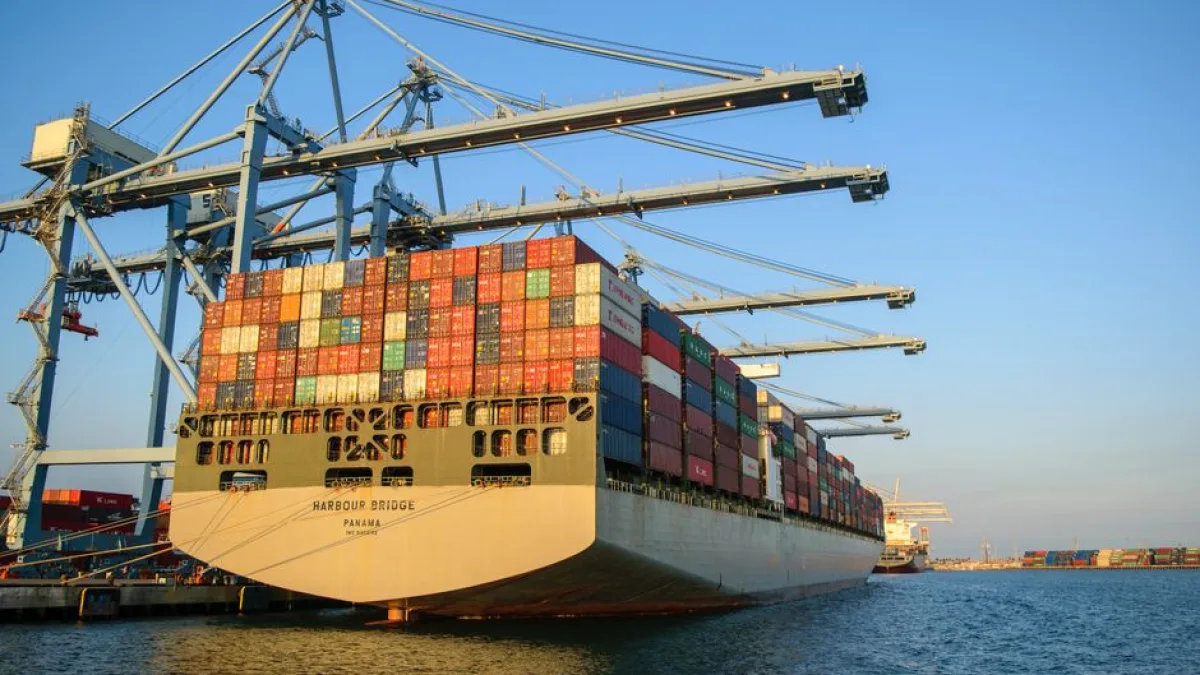
Digital platforms act as the central nervous system for modern logistics operations. By consolidating documentation and communication into a single interface, these tools allow teams to process shipments faster while reducing the risk of human error during complex ocean transit cycles.
- Real time tracking: Integrate live vessel location data directly into your dashboard to provide clients with automated status updates that reduce the frequency of manual inquiry emails and phone calls.
- Automated document handling: Streamline the generation of bills of lading and commercial invoices by utilizing cloud software that populates forms instantly based on existing booking information and client profiles.
- Centralized communication hubs: Keep all stakeholders aligned by hosting chats and file exchanges within the shipment record to ensure that critical updates are never lost in fragmented email chains.
- Performance analytics dashboard: Analyze your shipment history to identify recurring bottlenecks or transit delays and make informed adjustments to your preferred carrier selection strategies for future booking cycles.
Adopting a comprehensive digital platform allows freight forwarders to shift focus from tedious administrative tasks to high value customer relations. When your data is unified, your team can respond to market fluctuations with speed and precision. This shift not only improves internal productivity but also builds long term trust with shippers who value transparency and reliability in an unpredictable global trade environment today.
Navigating Container Capacity Management
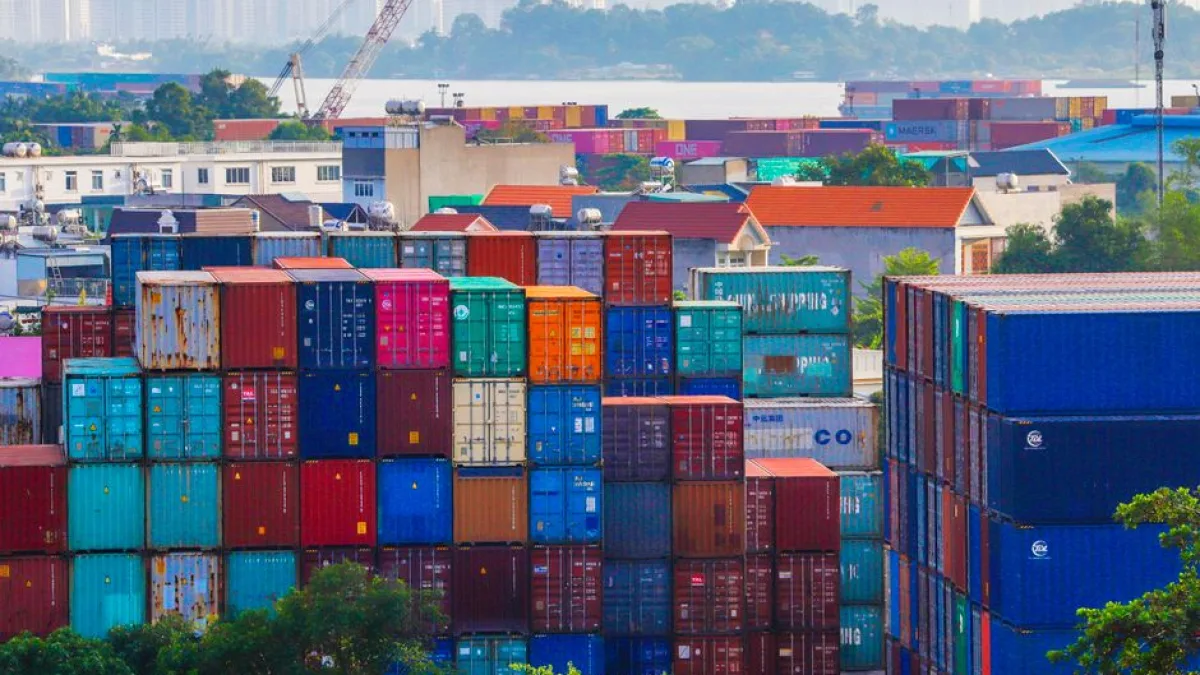
Managing space on vessels remains a constant challenge due to fluctuating demand and carrier capacity limits. Forwarders need robust tools to forecast space requirements and secure allocations early to avoid costly rolls or delays during peak shipping seasons around the world.
- Predictive space forecasting: Use historical data trends to anticipate volume spikes and secure necessary container allocations from carriers well in advance of the busy holiday shopping seasons.
- Dynamic allocation tracking: Monitor your booked space against confirmed carrier capacity to ensure that your logistics team never overcommits to clients during periods of extreme port congestion.
- Strategic carrier partnerships: Maintain strong relationships with multiple ocean carriers to provide backup options for your customers when primary routes become overbooked or suffer sudden operational disruptions.
- Flexible routing alternatives: Develop contingency plans that utilize different port combinations or multimodal options to keep cargo moving when specific lanes experience significant capacity constraints or industrial action.
Capacity planning is an essential skill that separates top tier forwarders from the rest of the pack. By combining automated forecasting tools with proactive communication, you can navigate even the most restrictive shipping seasons with confidence. Consistently meeting your space commitments strengthens your reputation and ensures that your clients can rely on your services regardless of the underlying global market conditions.
Enhancing Global Supply Chain Visibility

End to end visibility is the cornerstone of modern freight forwarding. Shippers demand to know the exact status of their cargo at all times, making real time tracking features an essential component of your service offering for global ocean movements.
- Milestone automated notifications: Configure your software to trigger immediate alerts whenever a container reaches a major milestone like gate out, vessel departure, or final port of discharge arrival.
- Exception management alerts: Receive instant notifications when a shipment falls behind schedule, allowing your team to proactively inform the customer and offer solutions before the situation escalates.
- Interactive client portals: Provide your customers with a secure login where they can view their own cargo status and access historical documents without contacting your staff directly.
- Port congestion monitoring: Stay informed about potential delays at major global hubs by integrating port status data into your tracking workflows to manage customer expectations effectively always.
Transparency is no longer a luxury but a fundamental expectation of the modern supply chain. When you provide your clients with granular visibility into their ocean freight, you empower them to manage their inventory more efficiently. This approach reduces friction and turns logistics into a competitive advantage, proving that your agency is a reliable partner that prioritizes clarity and open communication throughout.
Reducing Administrative Overhead Costs

Administrative costs frequently erode profit margins in freight forwarding. By automating repetitive tasks such as invoicing and carrier reconciliations, forwarders can significantly reduce their overhead while simultaneously improving the overall accuracy of their financial records and billing processes.
- Automated billing cycles: Generate invoices automatically upon the confirmation of shipment milestones to ensure faster payment processing and improved cash flow management for your logistics agency operations.
- Carrier invoice reconciliation: Use smart software to compare carrier invoices against original bookings to identify discrepancies quickly and recover overcharged amounts before paying for services rendered.
- Standardized data entry: Reduce errors caused by manual typing by enabling system integrations that pull customer information directly into your booking records with just a few simple clicks.
- Digital workflow automation: Set up automated tasks for recurring processes like quote follow ups or document approval requests to keep your operations moving even when staff members are busy.
Focusing on the reduction of administrative tasks allows your employees to dedicate more time to strategic growth and problem solving. As your operations become leaner, your ability to handle higher volumes without increasing headcount improves significantly. This efficiency allows for a more scalable business model that can grow alongside your customer base without succumbing to the typical pressures of manual logistics management.
Conclusion

Mastering ocean freight logistics requires a blend of smart technology and proactive strategy. By leveraging the right software tools and maintaining clear communication, freight forwarders can overcome industry challenges and build lasting success. Start streamlining your operations today by integrating cloud based solutions that provide the visibility and efficiency your clients demand. Success in this complex field is built on constant improvement and reliable service.