Optimizing Ocean Freight Logistics for Modern Forwarders
Sunday, August 30 2026
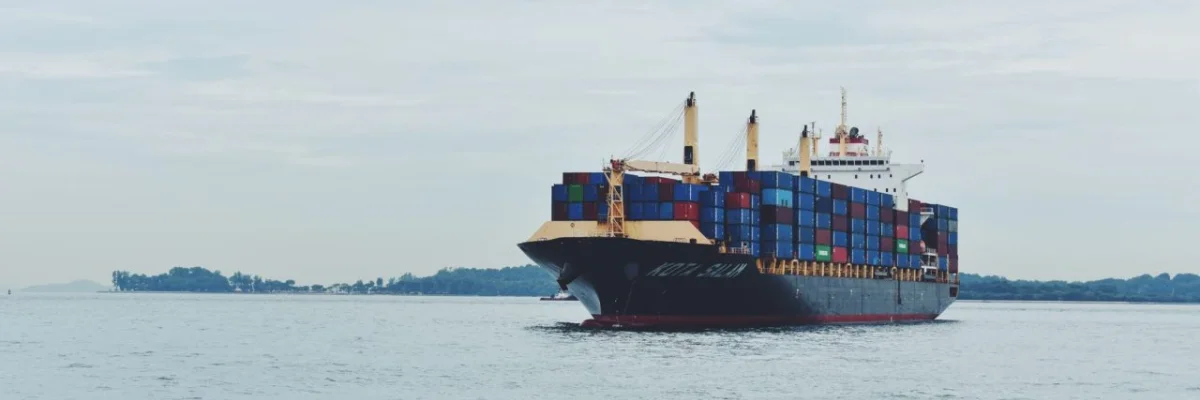
Global supply chains are evolving at an unprecedented pace, placing significant pressure on freight forwarders to deliver speed, transparency, and cost efficiency. As ocean freight remains the backbone of international trade, the ability to navigate complex shipping routes, fluctuating capacity, and port congestion is what separates industry leaders from the rest. Modern digital platforms now offer the necessary tools to automate manual workflows and provide real-time visibility into every container movement. By leveraging advanced software solutions, forwarders can proactively manage exceptions, reduce human error, and build resilient partnerships that withstand the volatile nature of global maritime commerce.
Mastering Container Logistics
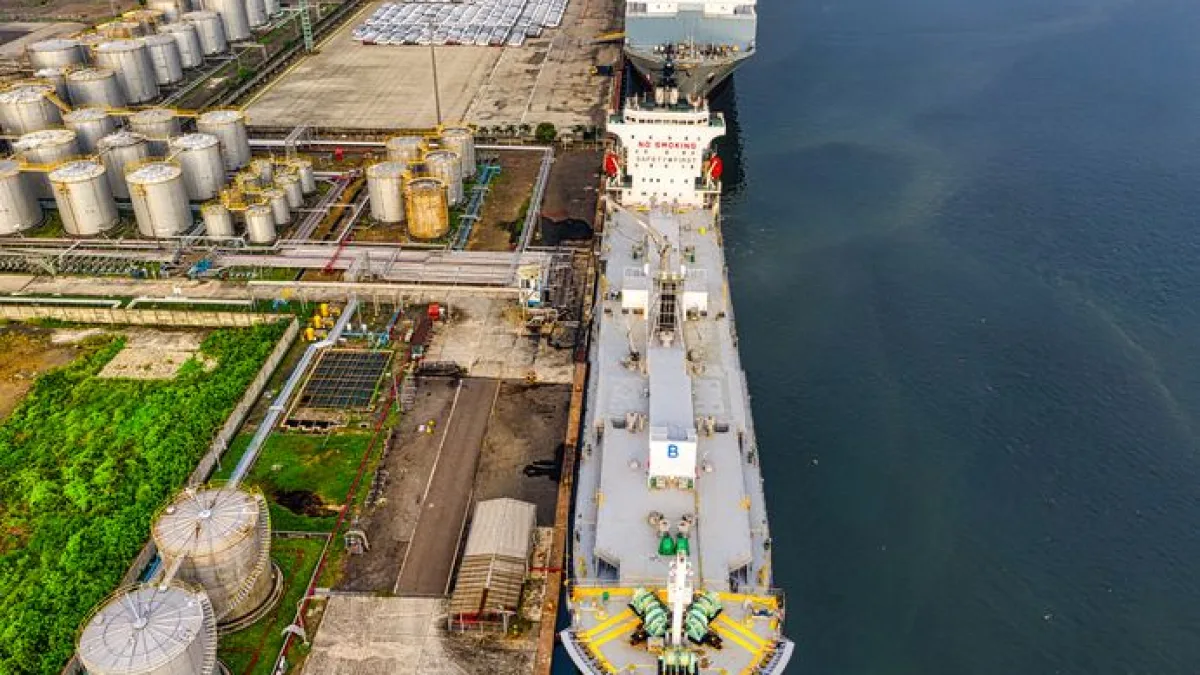
Efficient container management is the cornerstone of successful ocean freight operations. Forwarders must balance vessel capacity, container availability, and equipment positioning to ensure that shipments move seamlessly across the globe without unnecessary delays or incurring costly demurrage fees for their clients.
- Automated Tracking Systems: Real-time data integration allows forwarders to monitor vessel status continuously, enabling them to anticipate potential delays and proactively notify clients before issues escalate into serious operational problems.
- Equipment Availability Checks: Modern software platforms provide instant insights into empty container stocks at specific ports, ensuring that your team secures essential equipment well before the booking deadline arrives.
- Optimized Routing Strategies: Analyzing historical performance data helps forwarders select the most reliable carriers and routes, effectively minimizing transit times while maximizing cost savings for all your major shipping accounts.
- Dynamic Capacity Planning: Digital tools enable teams to forecast volume fluctuations accurately, allowing for better negotiations with steamship lines and ensuring you maintain space during peak shipping seasons.
By streamlining your container management processes, you can significantly reduce the time spent on administrative tasks. Investing in automated solutions allows your team to focus on high-value client relationship management rather than manual data entry. As you gain better control over equipment and routing, your operational efficiency improves, leading to higher profitability and a stronger competitive edge in an increasingly crowded international logistics market today.
Digital Documentation Efficiency

Paper-heavy processes are the primary cause of friction in modern ocean freight forwarding. Digitizing the documentation flow ensures that Bills of Lading, commercial invoices, and packing lists are processed with precision, speed, and full compliance with international maritime regulations.
- Instant Document Generation: Smart software creates standardized shipping documents instantly from existing booking data, effectively reducing the risk of clerical errors and speeding up the overall customs clearance process.
- Cloud Based Storage: Centralized digital archives keep all shipping records accessible from anywhere in the world, ensuring that your team can collaborate effectively and retrieve information within seconds.
- Automated Compliance Checks: Integrated validation engines automatically flag missing information or regulatory errors in your manifests, protecting your firm from potential fines and significant customs processing delays abroad.
- Secure Client Portals: Sharing documents through secure portals builds trust with your shippers by providing them with immediate access to their files whenever they require them for audit.
Shifting away from traditional paper-based workflows is essential for maintaining agility in today's fast-paced shipping environment. Digital documentation not only speeds up the release of cargo but also enhances the overall customer experience by providing transparency and reliability. As you transition your operations to a fully digital framework, you will notice a marked improvement in team productivity and lower operational overhead costs.
Streamlining Carrier Communications

Maintaining clear communication with steamship lines is vital for handling the complexities of modern sea freight. Forwarders who utilize integrated messaging platforms can resolve booking queries and resolve scheduling disputes far faster than those relying solely on emails and phone calls.
- Integrated Messaging Channels: Centralized communication hubs keep every stakeholder on the same page, preventing important information from becoming lost in cluttered email inboxes during critical peak shipping periods.
- Automated Status Updates: Configure automated alerts that push notifications to carriers and clients immediately when a vessel reaches a milestone, eliminating the need for constant manual status checks.
- Collaborative Booking Management: Unified platforms allow team members to view booking progress in real-time, ensuring that everyone knows the current status of every shipment moving through your network.
- Direct Carrier Integration: Advanced API connections allow for seamless data exchanges, significantly reducing manual effort while increasing the accuracy of the information provided to your loyal shipping customers.
Optimizing how you communicate with carrier partners leads to fewer misunderstandings and faster resolution times for complex shipping challenges. When your team spends less time chasing updates and more time managing exceptions, your service quality levels will naturally increase. Building a robust, tech-driven communication strategy is a key investment that pays dividends in both operational reliability and long-term client satisfaction and loyalty.
Leveraging Real-time Analytics

Data is the most valuable asset in modern ocean freight forwarding. By analyzing performance metrics, forwarders can identify bottlenecks, evaluate carrier reliability, and uncover hidden cost-saving opportunities that would otherwise remain buried in thousands of lines of raw, unstructured spreadsheet data.
- Performance Benchmarking Reports: Detailed dashboards help you compare carrier performance metrics like transit times and on-time arrivals, empowering you to choose partners who truly deliver value for money.
- Cost Analysis Tools: Visualize your total spend by trade lane or client to identify areas where margins are thinning, allowing for smarter pricing strategies and better financial control.
- Predictive Trend Analysis: Use historical data to anticipate seasonal shifts in freight rates, ensuring that you can offer competitive pricing to clients before the market trends begin shifting.
- Operational Bottleneck Identification: Identify specific ports or transfer points that consistently cause delays, allowing you to suggest alternative routes that offer better reliability for your urgent cargo.
Data-driven decision making allows you to move beyond reactive logistics management and start leading your industry through foresight and planning. When you understand your operations through the lens of accurate analytics, you gain the confidence to scale your business effectively. Continuous improvement starts with the right insights, turning every shipping challenge into a strategic opportunity for growth, innovation, and sustained profitability in logistics.
Conclusion
Mastering ocean freight logistics requires a blend of technology, strategy, and constant adaptation to global market trends. By automating manual tasks, digitizing your documentation, and utilizing real-time analytics, you position your firm for long-term success. Now is the perfect time to evaluate your current software stack and embrace digital transformation to drive higher efficiency, better client service, and increased profitability for your freight forwarding business.