Optimizing Ocean Freight Logistics for Modern Freight Forwarders
Sunday, August 30 2026
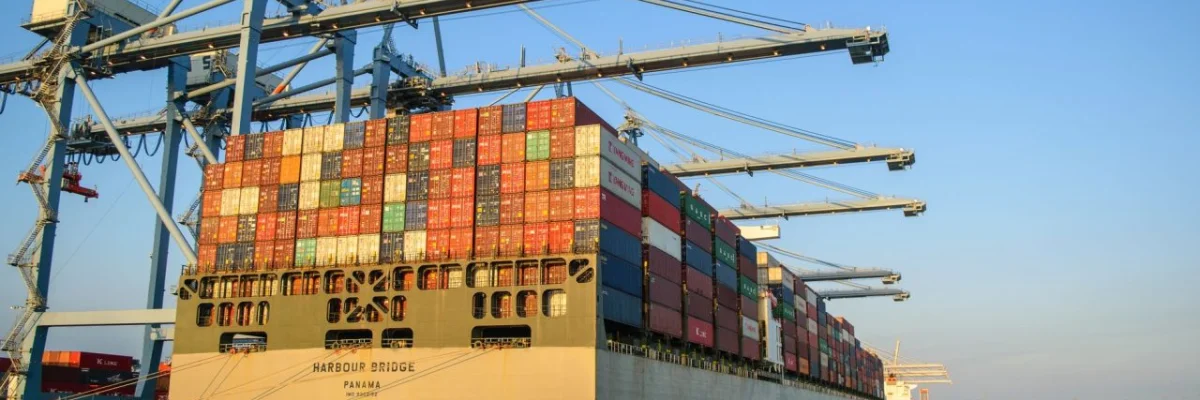
The global ocean freight landscape is currently undergoing a period of intense transformation as shippers demand greater transparency and speed in their supply chain operations. For freight forwarders, the challenge lies in balancing complex documentation requirements with the constant pressure to reduce transit times and maintain competitive pricing models. Adopting cloud-based platforms has become essential for managing container movements across international waters effectively. By leveraging real-time data and automated workflows, logistics professionals can navigate the complexities of modern shipping while providing superior service to their clients. This article explores key strategies for elevating your ocean freight operations through digital innovation.
Modernizing Cargo Tracking Systems
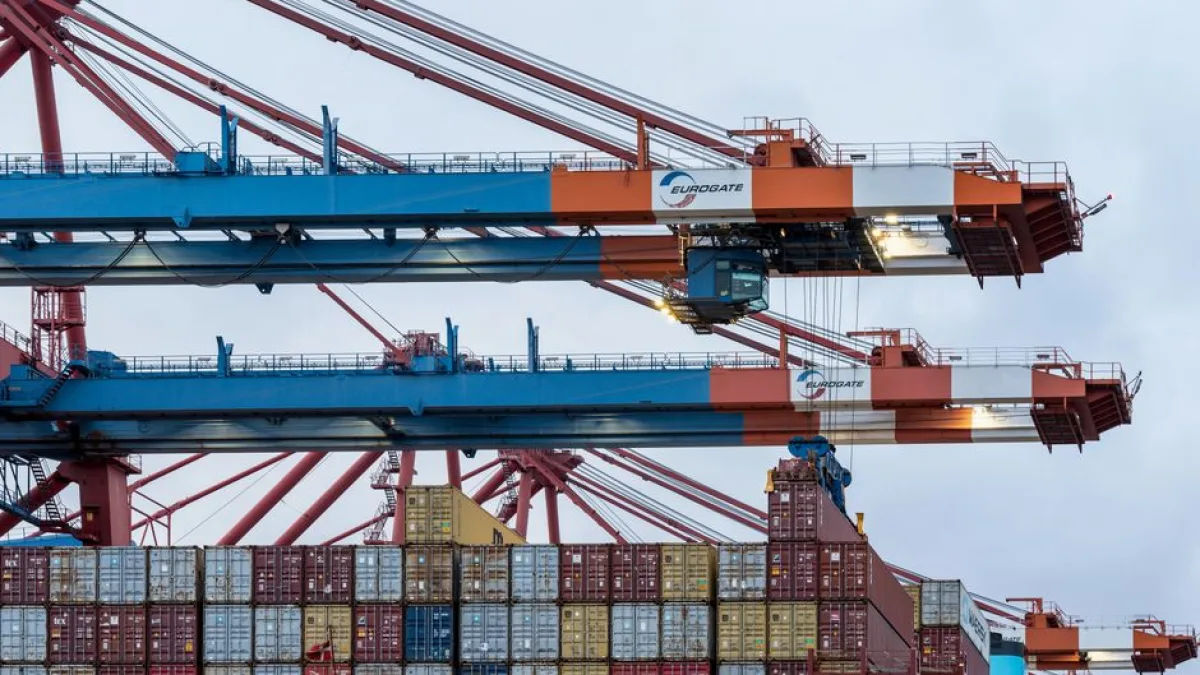
Real-time visibility into your container movements is no longer a luxury but a fundamental necessity for global trade. Digital platforms allow you to monitor vessel positions constantly, ensuring that any potential delays are identified and mitigated before they impact your clients.
- Enhanced Visibility Tools: Automated tracking software provides instant updates on vessel locations, allowing your team to communicate proactive status reports to stakeholders without manual data entry or tedious phone calls.
- Proactive Delay Alerts: Intelligent systems detect early signs of port congestion or weather disruptions, enabling your staff to re-route cargo or inform consignees of adjusted schedules well in advance.
- Seamless Data Integration: Modern platforms connect directly with shipping line databases to pull accurate information, eliminating human error and ensuring that your operational team works with live, reliable data.
- Client Portal Access: Providing customers with a branded web interface builds trust and transparency by allowing them to track their own shipments whenever they need immediate operational status updates.
Integrating advanced tracking solutions transforms your business from a traditional broker into a data-driven logistics partner. By reducing the time spent on manual status queries, your team gains the capacity to focus on higher value tasks like business development and complex problem solving. Modern freight software provides the foundation for scalable growth and ensures that your service remains agile in a changing global market.
Streamlining Documentation Workflows

Managing bills of lading and customs declarations requires extreme precision to avoid costly delays at the port. Digital automation tools help centralize your document management processes, ensuring that compliance and regulatory paperwork are filed accurately and on time for every single shipment.
- Automated Form Filling: Smart software solutions auto-populate shipping documents using existing database entries, significantly reducing the administrative burden and minimizing the risk of expensive clerical errors occurring during processing.
- Centralized Document Storage: Secure cloud storage keeps every bill of lading and commercial invoice accessible, allowing your team to retrieve vital shipment information from any location at any time.
- Regulatory Compliance Checks: Integrated modules run automatic audits against international trade regulations to ensure your documentation meets the latest legal standards for every country involved in the route.
- Digital Approval Chains: Internal digital workflows facilitate rapid document verification by authorized managers, which speeds up the preparation of essential paperwork required for smooth port gate-in processes.
Optimizing your documentation workflow is perhaps the most effective way to eliminate bottlenecks in the shipping cycle. By moving away from paper files or scattered spreadsheets, you drastically reduce the chance of administrative mistakes that stall cargo movement. Investing in digitized document management systems positions your freight forwarding agency as a highly professional entity capable of handling complex international logistics without any unnecessary downtime.
Optimizing Carrier Selection Strategies
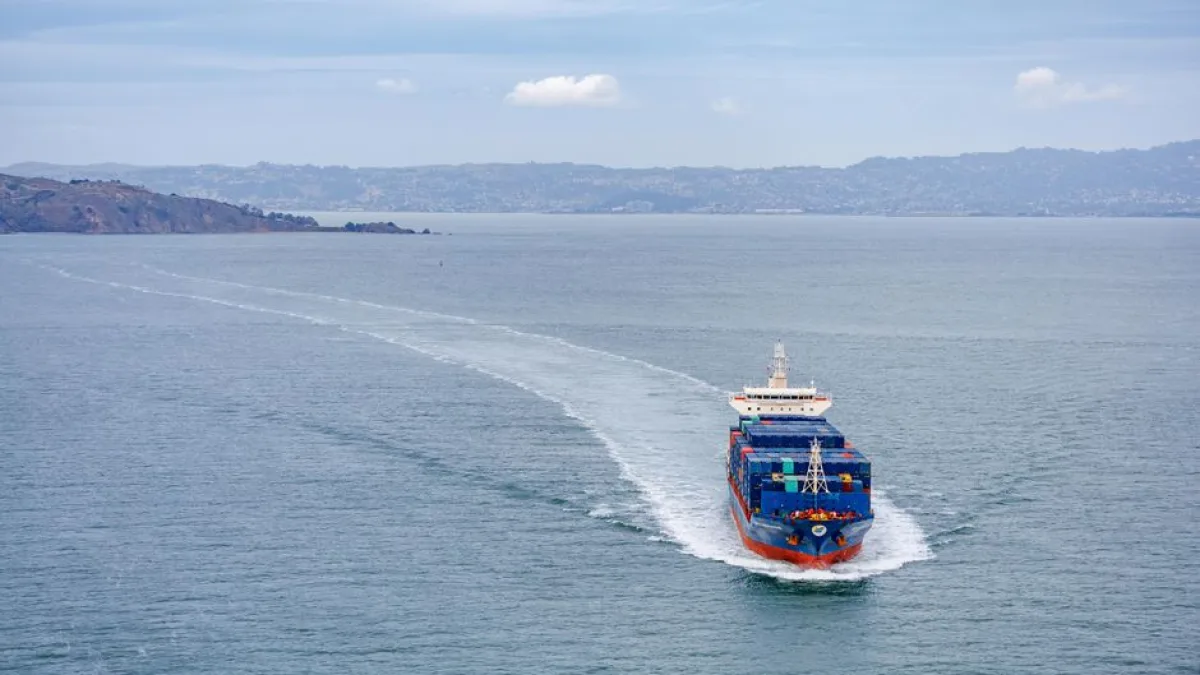
Choosing the right carrier involves balancing cost efficiency against reliability and transit speed. With powerful analytics tools, you can compare carrier performance metrics and historical data to select the best possible shipping partners for your specific client requirements and routes.
- Performance Analytics Dashboards: Analytical tools visualize carrier performance over time, highlighting trends in transit duration and reliability so you can prioritize vendors that consistently meet your established service agreements.
- Dynamic Pricing Comparison: Modern software allows your staff to compare live rates from multiple shipping lines side by side, ensuring your agency always selects the most cost-effective options available.
- Historical Reliability Data: Accessing detailed logs of previous shipments helps you anticipate which carriers are prone to delays during peak seasons, allowing you to plan your logistics strategy more effectively.
- Carrier Relationship Management: Centralized platforms record communication and service history with every carrier, helping your procurement team negotiate better rates and service terms based on documented performance statistics.
Leveraging data for carrier selection removes the guesswork from your logistics planning and empowers your team to deliver consistent value. By systematically evaluating partners, you protect your margins while ensuring high service levels for your clients. This strategic approach to procurement is essential for forwarders who want to maintain a strong competitive advantage while navigating the unpredictable nature of global ocean freight markets.
Leveraging Cloud Collaboration Tools

Effective communication is the cornerstone of successful logistics management. Cloud-based platforms enable your entire team to share updates and collaborate on complex shipment issues in real time, regardless of their geographical location or the time zone where they work.
- Shared Operational Workspace: Unified dashboards act as a single source of truth for your team, preventing information silos and ensuring that everyone remains aligned on shipment priorities and status.
- Instant Team Notifications: Automated internal alerts keep your staff informed about critical updates or urgent client requests, enabling a coordinated response that maximizes efficiency across your global forwarding network.
- Standardized Operational Processes: Digital platforms enforce consistent workflows across all team members, ensuring that every shipment is handled with the same high level of care and regulatory diligence.
- Vendor Communication Portal: Integrated chat features allow your team to communicate directly with overseas agents or port contacts within the platform, keeping every conversation linked to specific shipments.
Cloud technology breaks down the barriers that prevent effective collaboration in large shipping teams. When everyone has access to the same live information, your agency operates with a level of speed and agility that manual processes cannot match. Embracing these digital collaboration tools is a key step toward modernizing your freight forwarding operation and delivering the seamless service that today's shippers expect from you.
Conclusion
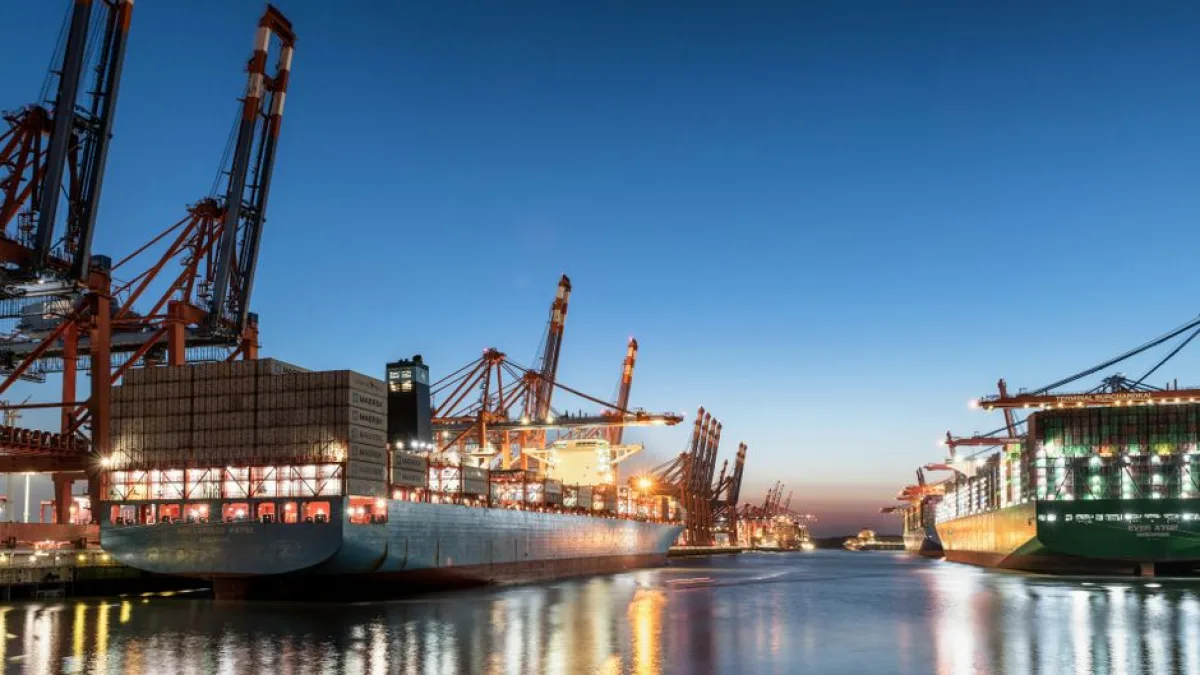
Embracing digital transformation in ocean freight is essential for forwarders who aim to lead in an increasingly competitive industry. By leveraging real-time tracking, automated documentation, and data-driven carrier selection, your team can overcome common logistics challenges with confidence. Start optimizing your operations today by transitioning to a unified cloud-based platform and watch your efficiency, client satisfaction, and overall bottom line grow significantly over time.