Optimizing Ocean Freight Logistics for Modern Forwarding
Friday, September 4 2026
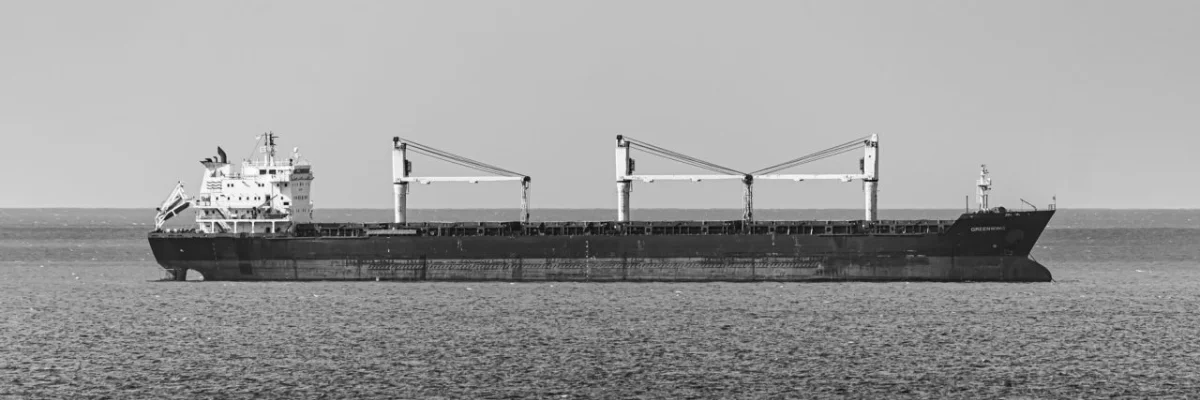
The global ocean freight landscape is evolving rapidly as digital transformation becomes a prerequisite for success. Forwarding professionals today face mounting pressure to navigate complex supply chains while maintaining profitability and high service standards. With shipping lanes becoming increasingly volatile and capacity fluctuations occurring without warning, relying on manual processes is no longer a viable strategy. Embracing cloud-based technology allows firms to synchronize operations, enhance real-time visibility for customers, and gain a competitive edge in a crowded market. By leveraging data-driven insights, logistics providers can turn operational bottlenecks into streamlined, efficient workflows that support long-term business growth and client satisfaction across international borders.
Container Capacity Management
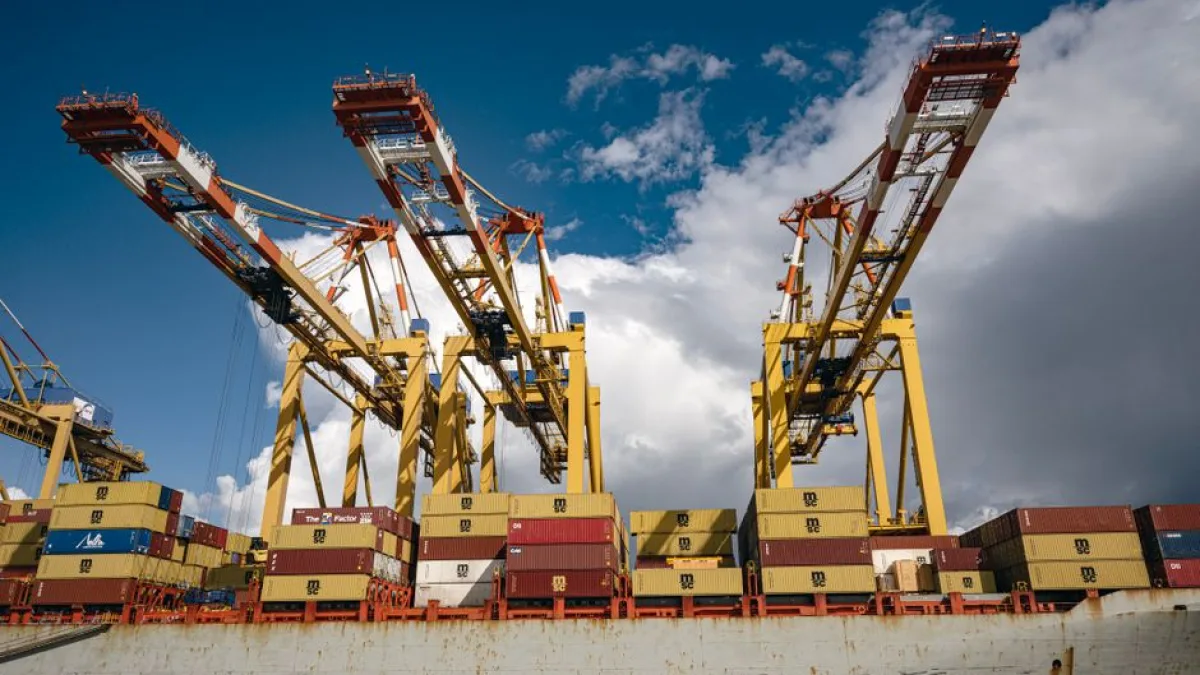
Managing container availability across various ocean routes requires a precise balance between supply and demand. Forwarders must actively monitor equipment pools and vessel scheduling to avoid costly delays that impact bottom line performance and erode trust with global shipping partners.
- Real-time inventory tracking: Implementing automated digital systems allows teams to monitor container status across different ports instantly to ensure that bookings are aligned with actual available vessel capacity at every stage.
- Route optimization tools: Utilizing advanced analytics helps logistics managers identify the most cost-effective shipping lanes by comparing transit times and freight rates against current global port congestion and fuel surcharges.
- Predictive demand modeling: Historical data analysis enables professionals to forecast seasonal shipping spikes effectively so they can secure necessary space on vessels before peak season surcharges become prohibitively expensive for clients.
- Carrier performance metrics: Measuring the reliability of different steamship lines allows forwarders to make informed decisions that minimize the risk of roll-overs and ensure cargo reaches the final destination on schedule.
Optimizing how containers are handled within your logistics network creates a foundation for operational excellence. By focusing on predictive insights rather than reactive firefighting, you empower your team to handle complex shipments with confidence. These improvements not only reduce the risk of unexpected service disruptions but also significantly enhance the overall value proposition you offer to your clients in an increasingly competitive global trade environment.
Digital Documentation Automation

Paperwork remains a significant burden for many forwarders who handle hundreds of bills of lading and customs declarations every week. Automating these workflows reduces human error, speeds up clearance processes, and ensures that sensitive trade documentation is stored securely.
- OCR processing technology: Advanced character recognition software extracts data from physical documents automatically to eliminate manual entry errors while drastically reducing the time spent on repetitive administrative tasks during shipping.
- Unified document portal: Centralizing all shipping documents in a single cloud platform enables internal teams and external stakeholders to access critical files anytime from any global location securely.
- Compliance verification systems: Integrated compliance modules flag potential errors in commercial invoices or packing lists before submission to customs authorities to prevent costly delays and potential fines for importers.
- Automated notifications workflow: Setting up automated alerts ensures that all relevant parties are notified immediately when new documents are uploaded or when specific clearance milestones have been reached successfully.
Transitioning away from paper files is essential for any modern forwarding business looking to scale operations efficiently. When documentation flows seamlessly between the shipper, the carrier, and the freight forwarder, the entire transit process becomes faster and more transparent. This transition reduces overhead costs and allows your staff to focus on strategic client relationship management instead of manual data entry and document filing.
Real-Time Cargo Visibility
Providing clients with precise information about their cargo location is now a standard requirement rather than a premium service. Visibility platforms allow you to offer proactive communication that builds long-term loyalty and reduces the influx of status inquiries.
- GPS tracking integration: Connecting ocean carrier data with cloud software gives you live updates on vessel locations so you can provide clients with accurate estimated arrival times daily.
- Exception management alerts: Proactive notifications inform your team whenever a shipment deviates from the planned route or experiences unexpected delays so you can manage customer expectations immediately.
- Custom client dashboards: Providing customers with personalized digital portals enables them to monitor their active shipments, access invoices, and view documentation without needing to call or email staff.
- Data-driven operational transparency: Leveraging transparent reporting tools allows you to show clients the specific value your firm provides by highlighting on-time delivery percentages and successful route management strategies.
Visibility serves as the backbone of modern customer service in the freight industry. By removing the guesswork from global shipping, you transform the client experience into a seamless and predictable engagement. Providing this high level of clarity positions your forwarding business as a reliable partner capable of handling the most complex logistics challenges with total confidence and professional precision during every shipment.
Cost Efficiency and Profitability

Controlling costs in ocean freight is a complex task involving multiple variables including bunker surcharges, port fees, and currency fluctuations. Forwarders must adopt a data-centric approach to pricing to protect their margins while remaining attractive to their global customer base.
- Dynamic pricing models: Utilizing software that updates rates in real time ensures that your quotes remain competitive while accounting for volatile market changes in ocean freight costs daily.
- Automated invoice reconciliation: Matching carrier invoices against your original quotes automatically prevents overbilling and ensures that your margins remain protected throughout the entire ocean shipping lifecycle of shipments.
- Centralized procurement data: Aggregating procurement data across your entire organization helps you negotiate better volume-based rates with ocean carriers and service providers to improve your overall service margins.
- Overhead reduction strategies: Migrating legacy infrastructure to modern cloud platforms lowers IT costs and enables a more flexible workforce capable of handling global demand shifts without increasing headcount.
Sustainable profitability depends on your ability to track every single cent associated with your shipping operations. When you have full oversight of your financial performance, you can make smarter decisions regarding carrier selection and client pricing strategies. This disciplined approach to cost management creates a resilient business model that can withstand market volatility while consistently generating value for your stakeholders and clients alike.
Conclusion

Success in ocean freight today requires a commitment to digital tools that enhance visibility and automation. By modernizing your container management, documentation, and cost analysis, you position your forwarding company for sustainable growth. Start leveraging data to streamline your daily operations and focus on delivering exceptional service to your global clients. MakeCargo is here to support your transition to a smarter, more efficient future.