Optimizing Ocean Freight Logistics for Modern Forwarders
Saturday, September 5 2026
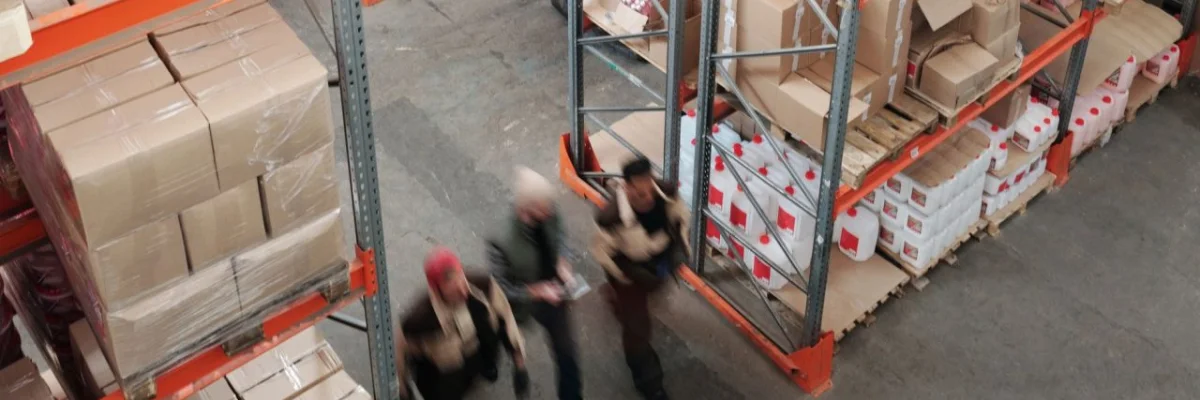
The global shipping industry faces unprecedented pressure to deliver speed and transparency in an increasingly volatile market. Freight forwarders must navigate complex supply chain disruptions, fluctuating fuel costs, and rising customer expectations for real-time cargo visibility. Leveraging cloud-based technology has become essential for those who want to remain competitive in the face of these challenges. By modernizing operations through digital automation, logistics providers can reduce manual errors and focus on delivering high-value services to their clients. This guide explores the core strategies that forwarders are currently adopting to ensure reliability and efficiency in their ocean freight operations today.
Container Tracking Advancements
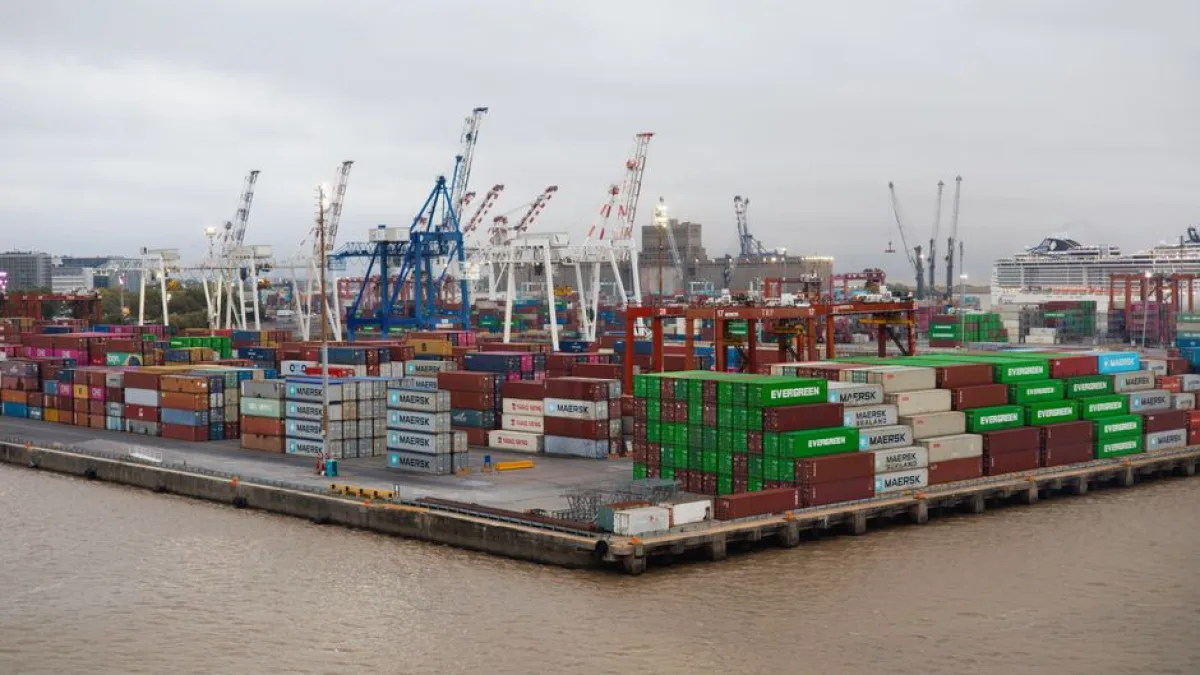
Advancements in container tracking technology allow forwarders to monitor shipments across vast oceans with precision. Real-time data feeds provide logistics teams with the necessary insights to proactively manage potential delays before they impact the final delivery schedule for their clients.
- Enhanced Visibility Tools: Automated tracking software integrates directly with carrier systems to provide live status updates on container locations, ensuring that all stakeholders have access to accurate information at once.
- Proactive Delay Alerts: Intelligent systems detect anomalies in transit schedules and notify the operations team immediately, allowing for rapid decision-making and better management of client expectations during unforeseen disruptions.
- Predictive Arrival Estimates: Modern algorithms analyze historical data and weather patterns to provide highly accurate arrival estimates, which helps forwarders optimize their downstream transport and warehouse planning processes significantly.
- Data Transparency Benefits: Maintaining clear communication through a centralized digital platform reduces the need for manual status checks, fostering deeper trust between freight forwarders and their global shipping partners.
Adopting these advanced tracking capabilities allows forwarders to move beyond reactive management styles. By embracing digital visibility, companies minimize the risk of inventory shortages for their customers while maintaining a high level of operational control. These tools do not just track cargo; they empower teams to handle complex logistical hurdles with confidence. Modern technology turns ocean freight into a streamlined, predictable component of global commerce.
Optimizing Freight Documentation
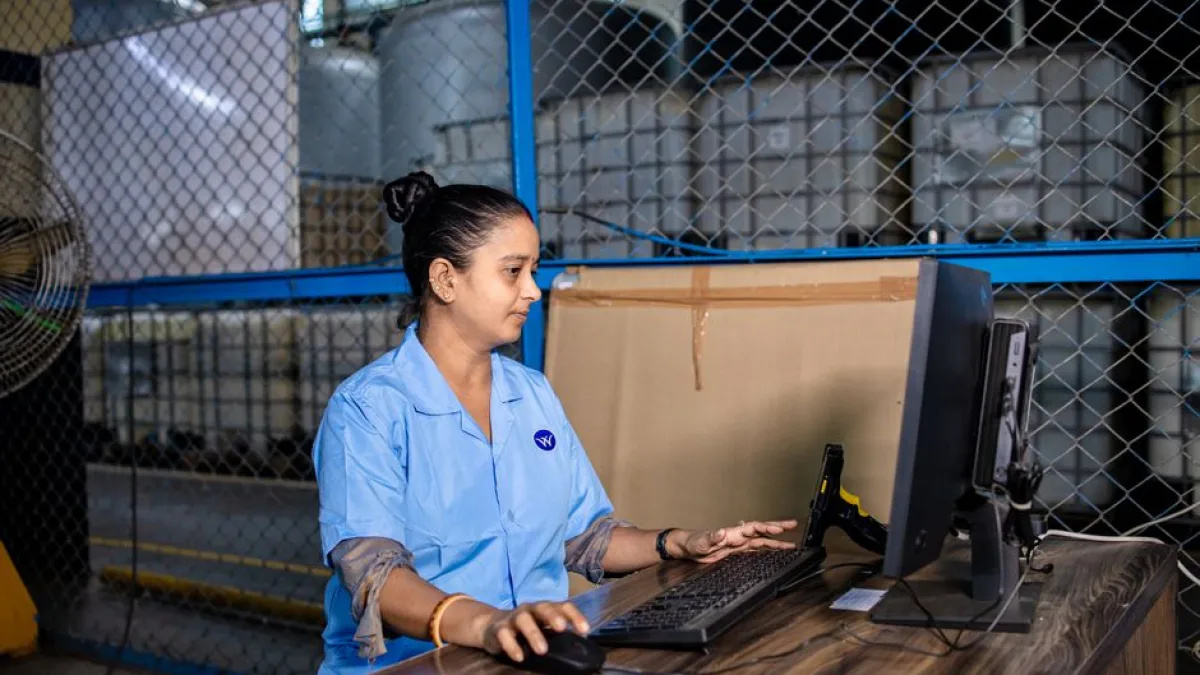
Managing the endless stream of documentation is often the most time-consuming task for freight forwarders. Moving away from manual paper processes toward digital document management systems helps teams save hours of administrative work while significantly reducing common human input errors.
- Automated Filing Systems: Cloud platforms automatically categorize and store essential shipping documents, ensuring that every piece of paperwork is easily searchable and accessible to authorized team members across the globe.
- Integrated Customs Forms: Pre-filled templates and direct electronic integration with customs authorities accelerate the clearance process, minimizing hold times at busy ports and reducing the risk of administrative penalties.
- Standardized Workflows: Implementing consistent digital workflows for all ocean freight operations ensures that every shipment adheres to the same quality standards, regardless of which team member handles the cargo.
- Secure Cloud Storage: Encrypted document hosting protects sensitive client information and shipment data from unauthorized access, providing peace of mind while ensuring full compliance with international data privacy and security regulations.
Digital transformation in documentation is no longer optional for successful freight forwarders. By automating repetitive tasks, your staff can shift their focus toward strategic account management and business development efforts. This transition improves overall processing speed and ensures that compliance requirements are met with consistency. Investing in a robust platform simplifies the administrative burden while building a solid foundation for sustainable, scalable growth.
Streamlining Carrier Relationships
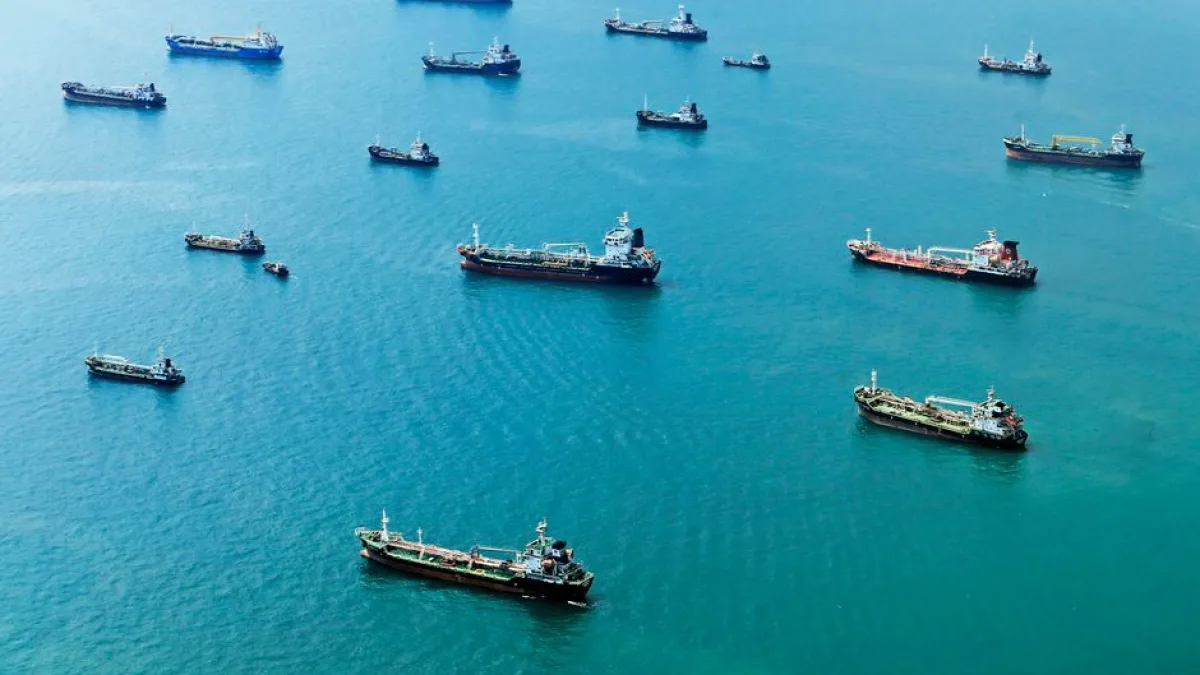
Nurturing strong carrier relationships remains a cornerstone of successful ocean freight management. By utilizing collaborative platforms to manage communication and contracts, forwarders can secure better pricing and more reliable space allocations, even during periods of heavy market congestion or capacity shortages.
- Centralized Carrier Portals: Digital hubs allow forwarders to request quotes, compare service levels, and confirm bookings from multiple ocean carriers through a single, intuitive interface, saving valuable time every day.
- Dynamic Contract Management: Real-time analysis of carrier performance metrics enables forwarders to negotiate contracts based on data rather than intuition, ensuring they receive the most competitive rates and reliable services.
- Collaborative Dispute Resolution: Digital communication logs ensure that all interactions regarding invoicing discrepancies or service failures are documented clearly, facilitating faster resolution times and maintaining healthy working professional partnerships.
- Performance Reporting Tools: Detailed analytics dashboards allow forwarders to track carrier reliability and transit performance, helping them identify the best partners for specific trade lanes and cargo requirements easily.
Building strong bridges with ocean carriers is essential for navigating the complexities of modern shipping lanes. A collaborative approach, supported by data, transforms the vendor relationship into a strategic partnership that benefits all parties involved. By streamlining these interactions, forwarders can offer more stable services to their clients while maintaining healthy margins in a highly competitive and often unpredictable global shipping environment.
Scaling Through Cloud Automation

The future of freight forwarding lies in cloud automation, which allows companies to scale operations without increasing overhead costs. By leveraging scalable digital infrastructure, forwarders can handle higher shipment volumes while maintaining the agility needed to respond to global market shifts.
- Global Team Collaboration: Cloud-based software enables employees in different time zones to work on the same shipments simultaneously, ensuring 24-hour operational coverage and faster processing for global clients.
- Scalable Resource Planning: Flexible digital tools allow logistics companies to expand their capacity instantly during peak shipping seasons without the need for additional permanent staff or manual infrastructure upgrades.
- Integrated Accounting Modules: Automatic generation of invoices and financial reports based on shipment data eliminates manual billing errors and accelerates the cash flow cycle for your growing logistics business.
- API Driven Integration: Seamless connections between your software and third-party logistics apps allow for an ecosystem where information flows freely, creating a unified experience for both staff and customers.
Embracing the power of the cloud prepares your freight forwarding business for the challenges of tomorrow. Scalability is about more than just technology; it is about creating a flexible mindset that prioritizes efficiency and data-driven results. As you automate your core processes, you free your team to focus on high-level strategy. This evolution is the key to achieving long-term success in ocean freight.
Conclusion

Modernizing your ocean freight operations is the most effective way to improve service delivery and maintain a competitive edge. By leveraging advanced tracking, automated documentation, strong carrier partnerships, and scalable cloud solutions, forwarders can navigate the complexities of global trade with ease. Start your digital transformation today to unlock new levels of efficiency and provide the seamless logistics experience that your customers expect.