Optimizing Ocean Freight Logistics for Modern Forwarders
Sunday, September 6 2026
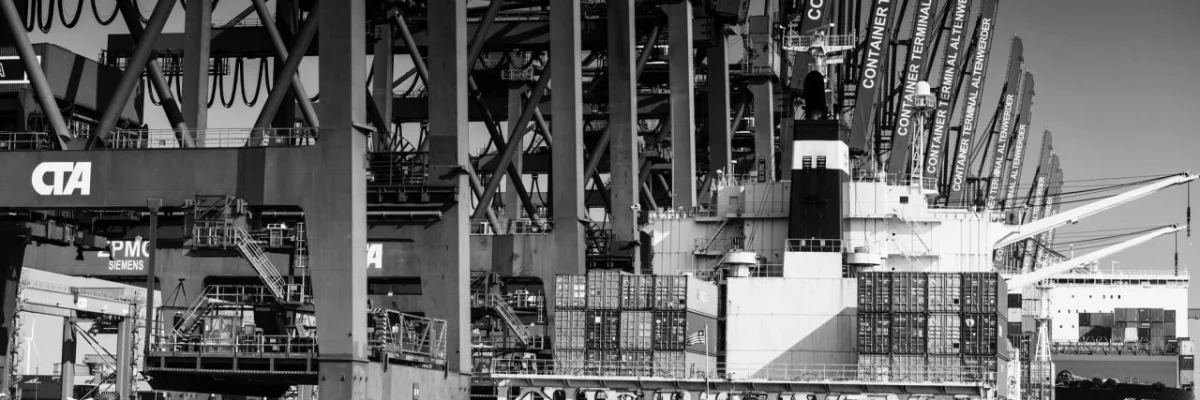
The global shipping landscape is evolving at a breakneck speed, forcing freight forwarders to move beyond manual processes and embrace digital transformation. As capacity fluctuations and port congestions continue to test operational resilience, the ability to manage ocean freight with precision becomes a significant competitive advantage. Relying on outdated legacy systems often results in data silos and visibility gaps that hinder growth. By integrating sophisticated cloud-based technology, forwarders can synchronize their end-to-end supply chain activities, reduce administrative overhead, and deliver superior value to shippers. This shift is no longer just a luxury but a necessity for long-term survival in international trade.
Mastering Container Capacity Management
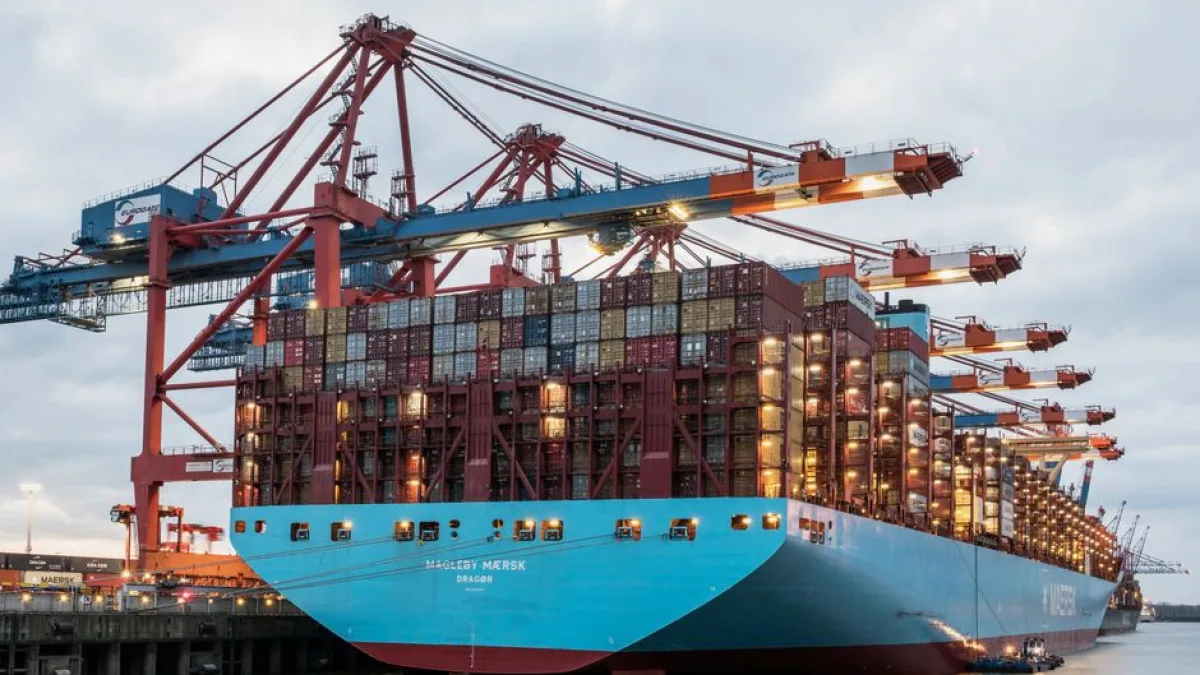
Efficiently managing container space is the cornerstone of profitable ocean logistics. Forwarders must balance vessel scheduling with cargo consolidation to maximize load factors while minimizing costs. Advanced software platforms provide the real-time insights required to monitor available slots across multiple carriers effectively.
- Automated Booking Flows: Streamline your entire reservation process by connecting directly with carriers to secure space, reducing manual data entry errors and saving hours of repetitive administrative labor every week.
- Load Consolidation Tools: Utilize smart algorithms to group smaller shipments into full container loads, ensuring that you achieve maximum density while significantly lowering freight costs for your various clients.
- Real-time Capacity Tracking: Gain immediate visibility into slot availability across diverse shipping lines, which allows your team to make informed booking decisions based on current market rates and schedules.
- Carrier Performance Analysis: Review historical data regarding carrier reliability and transit times to identify the most dependable partners for specific trade lanes, thereby improving your overall service quality commitments.
Precision in capacity management empowers forwarders to offer more flexible solutions to their customers during peak seasons. By leveraging data-driven insights to fill containers efficiently, firms can maintain healthier profit margins even during market volatility. Transitioning from reactive booking strategies to a proactive, automated approach ensures that your operations remain scalable as your client base expands and your logistical requirements grow in complexity.
Enhancing Supply Chain Visibility
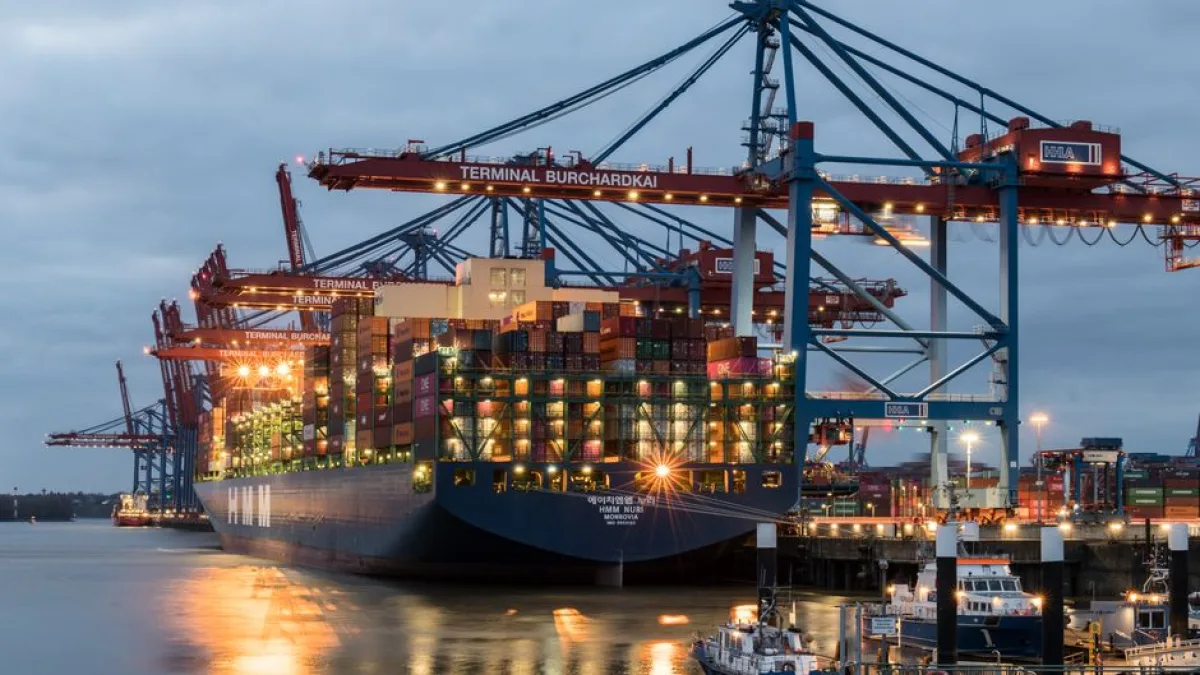
Transparency is the most critical demand from modern shippers who need to know the exact status of their cargo. Real-time tracking capabilities allow forwarders to anticipate delays and communicate proactively, fostering trust and long-term loyalty with every managed ocean shipment.
- Live Tracking Integration: Connect your software directly to global vessel tracking databases to provide customers with accurate and instantaneous updates regarding their cargo status throughout the entire transit.
- Automated Status Alerts: Configure customizable notifications that inform stakeholders of important milestone events automatically, effectively reducing the volume of inbound status inquiries your support team must handle daily.
- Exception Management Dashboards: Detect potential bottlenecks or port congestion issues before they escalate into major disruptions by monitoring live data feeds that highlight deviations from the planned shipping route.
- Transparent Document Access: Provide secure digital portals where shippers can retrieve their bills of lading and commercial invoices instantly, eliminating the friction caused by slow email-based document exchanges.
Delivering comprehensive visibility transforms the freight forwarding experience for your clients. By providing constant access to live tracking data, you position your agency as a reliable partner capable of navigating complex global logistics challenges. This high level of service differentiates your brand in a crowded market and builds a strong foundation for sustainable growth through recurring business and positive industry reputation.
Streamlining Documentation and Compliance

Managing the flow of ocean freight requires handling mountains of documentation, from customs declarations to certificates of origin. Digitalizing these workflows reduces the risk of human error and ensures that shipments move through international borders without unnecessary regulatory or administrative delays.
- Digital Document Storage: Securely archive all shipping documents in a centralized cloud location, making it simple for your team to access critical files from any device at any time.
- Automated Customs Filings: Integrate your software with local customs authorities to submit mandatory declarations directly, which significantly speeds up the clearance process and avoids costly port storage fees.
- Standardized Template Creation: Utilize pre-built document templates that populate automatically with shipment data, ensuring consistency and accuracy across every bill of lading and packing list your team generates.
- Electronic Signature Workflows: Implement digital signing features to expedite the approval of important shipping documents, removing the need for physical printing, scanning, or mailing of time-sensitive paperwork during transit.
Effective document management is essential for avoiding penalties and maintaining smooth operational flow. By removing paper-based bottlenecks and automating routine filings, your team can focus their energy on high-value tasks such as customer acquisition and service optimization. A streamlined documentation process not only saves time but also minimizes the risks associated with non-compliance, keeping your client shipments moving safely through global customs checkpoints.
Scaling Through Cloud Integration

The cloud is a powerful equalizer that allows freight forwarders to operate with the agility of large global enterprises. By utilizing a unified digital infrastructure, firms can synchronize their internal teams, external partners, and clients within one secure, accessible, and high-performance operating environment.
- Centralized Team Collaboration: Enable your staff to work together on the same shipments simultaneously from different locations, ensuring that everyone remains aligned with the latest status and updates.
- Seamless Partner Integration: Connect easily with agents, trucking companies, and warehouses through standardized API protocols to create an interconnected supply chain network that operates as one cohesive unit.
- Scalable Software Modules: Choose a flexible platform that allows you to add features as your business grows, ensuring that your technology investment stays relevant to your changing needs.
- Advanced Data Analytics: Leverage powerful reporting tools to evaluate your agency performance, allowing you to identify profitable trade routes and optimize your operational strategy for better results.
Adopting a cloud-first strategy provides the agility required to thrive in the competitive ocean freight market. When all stakeholders share a single version of the truth, operational silos disappear and communication becomes more efficient. Investing in scalable cloud infrastructure prepares your business for future challenges while ensuring that your service delivery remains fast, consistent, and highly responsive to your customers needs.
Conclusion
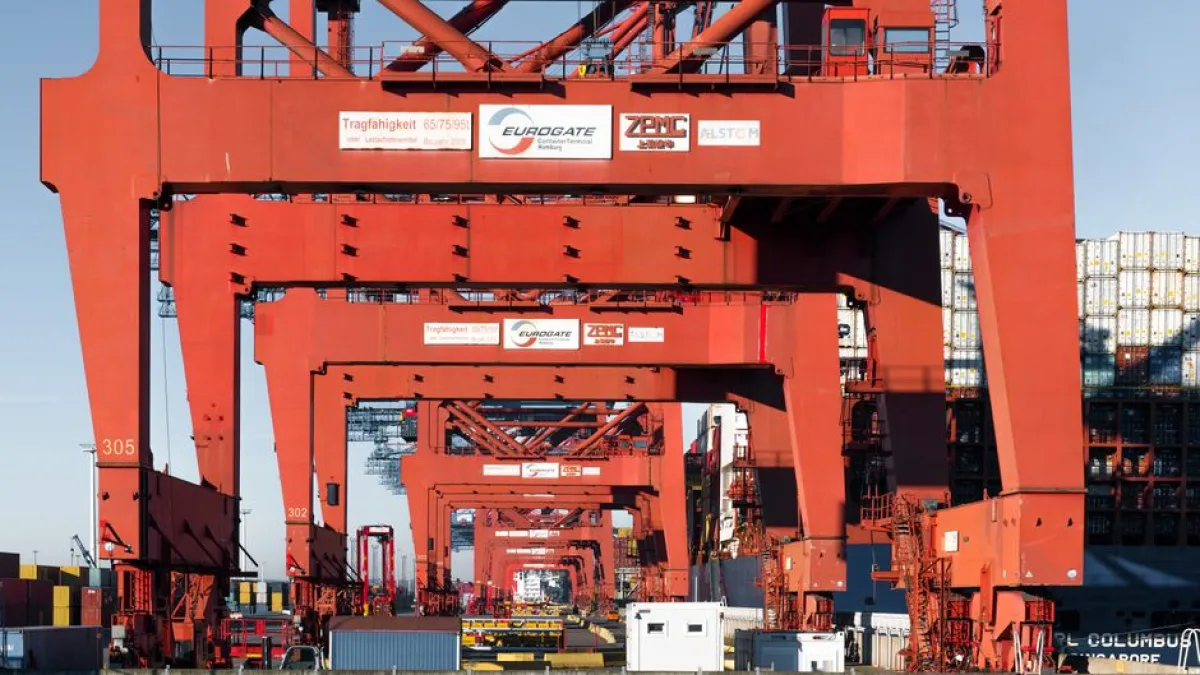
The future of ocean freight lies in the adoption of intelligent software that prioritizes automation and real-time visibility. By streamlining capacity management, documentation, and partner collaboration, freight forwarders can overcome the traditional hurdles of international shipping. Now is the ideal time to evaluate your current operations and embrace a digital-first approach that drives long-term efficiency, profitability, and superior service for every client you serve.