Optimizing Ocean Freight Logistics for Modern Forwarders
Thursday, September 10 2026
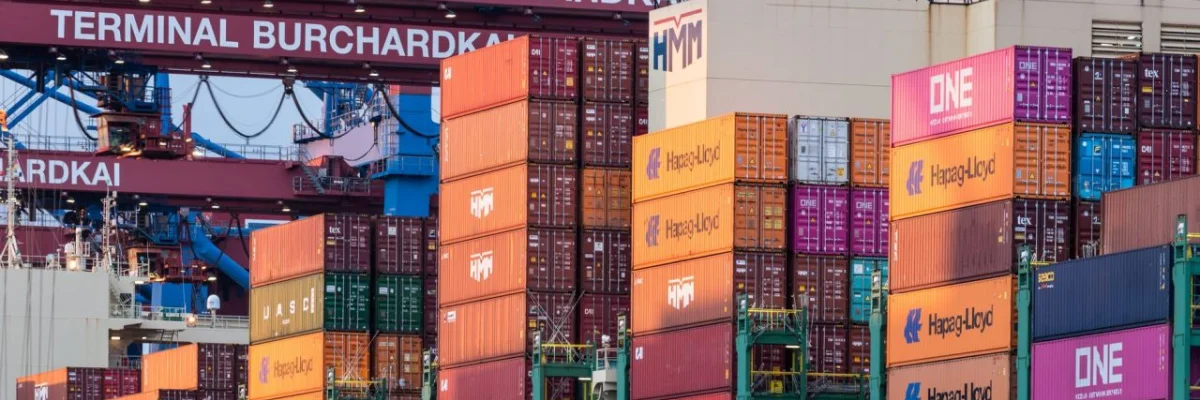
The global shipping landscape is undergoing a period of intense transformation as freight forwarders grapple with unpredictable market fluctuations and evolving client expectations. Leveraging cloud-based technology has become essential for firms aiming to maintain visibility and efficiency within their ocean freight operations. By centralizing documentation, automating manual tasks, and integrating real-time tracking, companies can significantly reduce administrative overhead while enhancing customer service standards. This article explores critical strategies for scaling your logistics business effectively in the modern digital era, ensuring your operations remain competitive and resilient against the backdrop of an increasingly complex international supply chain environment.
Digital Transformation Strategies

Embracing digital tools enables forwarders to transition from legacy spreadsheet management toward unified cloud ecosystems. By prioritizing integration, firms ensure that data flows seamlessly across departments, reducing costly errors and helping teams focus on high-value client communication and complex troubleshooting tasks.
- Centralized Data Hubs: Consolidate all booking details and shipping documents into a single platform to eliminate information silos and allow instant access for remote teams operating across various time zones.
- Automated Workflow Tasks: Utilize software to trigger routine status updates and alerts automatically, which frees up your staff to concentrate on building stronger relationships with your core logistics partners.
- Real-time Visibility Tools: Deploy advanced tracking systems that provide transparent updates on cargo locations, empowering your team to provide proactive service to customers before potential delays even occur.
- Cloud Security Protocols: Implement robust cybersecurity measures within your digital infrastructure to protect sensitive client data and financial records against emerging digital threats in the modern global landscape.
Adopting these technological improvements represents a fundamental shift in how your firm handles day-to-day logistics operations. While the initial transition requires dedicated effort, the long-term benefits include improved operational agility and a significantly lower risk of manual input mistakes. As you continue to refine your digital processes, your team will gain the confidence to manage larger freight volumes with increased precision and speed.
Effective Carrier Communication

Building strong relationships with ocean carriers remains a cornerstone of successful freight forwarding. When communication lines are clear and efficient, forwarders can better negotiate rates and secure space during peak seasons, ultimately providing better value for their own shipping customers.
- Structured Communication Channels: Standardize how your team requests space and confirms schedules with carriers to ensure that every booking follows a predictable and efficient internal workflow process for all.
- Direct API Integrations: Connect your software directly to carrier systems to receive instant confirmation on booking status, which removes the need for manual emails and lengthy phone calls.
- Performance Metric Tracking: Maintain detailed records regarding carrier reliability and transit times to inform your future routing decisions and help select the best partners for specific shipping lanes.
- Collaborative Dispute Resolution: Establish clear protocols for handling billing discrepancies or documentation errors quickly, maintaining positive partnerships that benefit both your business and the international carrier service providers.
Strong carrier relationships serve as a competitive advantage that sets your firm apart in a crowded marketplace. By fostering transparency and respect, you position your agency as a reliable partner capable of navigating volatile market conditions with ease. Remember that consistency in your interactions will build trust over time, leading to more favorable terms that support your long-term growth and operational stability objectives.
Managing Peak Season Challenges

Peak season requires forwarders to anticipate capacity constraints and plan shipments well in advance. Strategic preparation allows you to bypass the chaos of last-minute bookings and ensure your clients receive consistent service even when global demand surges unexpectedly across the world.
- Advanced Forecasting Models: Analyze historical shipment data to predict upcoming volume trends, allowing you to secure essential space allocations before the market becomes tight or rates increase rapidly.
- Diverse Routing Options: Develop a portfolio of alternative routes and carrier options to maintain flexibility during periods of heavy congestion or sudden operational disruptions at key ports.
- Proactive Client Advisories: Send timely updates regarding capacity risks to your customers early in the season, which helps manage their expectations and encourages them to plan their own inventories.
- Buffer Capacity Planning: Reserve extra space on major trade lanes during peak months to accommodate urgent shipments, ensuring your clients stay operational during the most challenging timeframes.
Preparation is the ultimate cure for the stresses associated with peak season logistics. By acting as a strategic consultant rather than just a service provider, your team becomes indispensable to your clients during their busiest times. This proactive approach not only stabilizes your workload but also justifies higher margins by demonstrating the tangible value you provide when external conditions become difficult to navigate.
Optimizing Documentation Processes

Accurate documentation is the lifeblood of ocean freight, and even minor errors can lead to expensive delays at customs or port terminals. Modern software solutions allow for digital documentation management, ensuring that every manifest and bill of lading is correct and verified.
- Digital Template Libraries: Use standardized document templates to ensure compliance with international regulations and reduce the time spent recreating repetitive paperwork for each individual shipping customer record.
- Automated Validation Rules: Implement software validation checks that automatically flag missing information or inconsistent data entries, preventing documents from being submitted with errors that cause port delays.
- Secure Cloud Storage: Maintain an organized, cloud-based archive of all shipping documentation, providing instant retrieval for audits or customer inquiries without searching through physical filing cabinets and folders.
- Electronic Signature Integration: Adopt e-signature technology to finalize agreements and releases instantly, significantly accelerating the movement of cargo across borders and reducing your reliance on traditional paper processes.
Efficient documentation practices transform your operational efficiency by removing friction from the customs clearance and delivery process. Investing in these digital standards minimizes human error and speeds up your total turnaround time for every shipment handled. As you streamline these backend tasks, you create a scalable foundation that supports business expansion and consistently improves the overall satisfaction levels of your international freight clients.
Conclusion

Mastering ocean freight logistics requires a blend of technological adoption, strong partner relationships, and rigorous process management. By focusing on these core areas, you position your firm for sustainable growth in a competitive global market. Start your transition today by evaluating your current workflows and identifying where automation can provide the highest return, ensuring your team remains agile, efficient, and ready for future challenges.