Optimizing Ocean Freight Logistics in the Modern Era
Thursday, September 24 2026
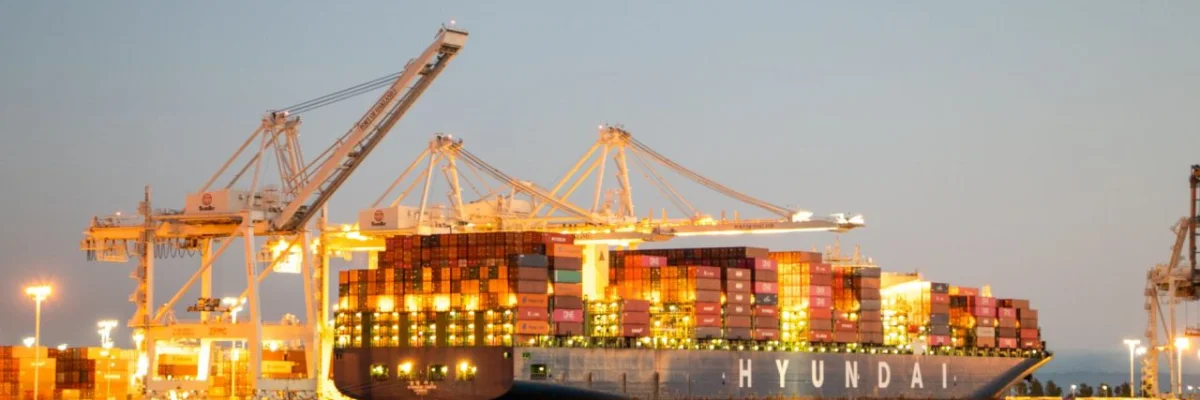
The global ocean freight industry continues to face unprecedented volatility, forcing freight forwarders to re-evaluate their operational strategies for long-term success. As supply chain complexities grow, the demand for transparency and real-time visibility becomes non-negotiable for modern logistics providers. Relying on outdated manual processes or disconnected spreadsheets leaves companies vulnerable to inefficiency, rising operational costs, and client dissatisfaction. By embracing digital transformation and integrating cloud-based management tools, forwarders can better navigate port congestion, capacity shortages, and fluctuating rates. This article explores essential strategies for forwarders aiming to streamline workflows, improve client communication, and achieve a significant competitive advantage in today's fast-paced international shipping market.
Digitizing Operational Workflows

Transitioning from manual entry to automated digital workflows is the most effective way to eliminate human error and accelerate documentation turnaround. Automation tools ensure that teams spend less time on repetitive tasks and more time focusing on strategic growth and customer service.
- Automated Documentation Processing: Reduce errors by utilizing intelligent software that automatically populates bills of lading and commercial invoices, ensuring data accuracy across all your international shipping documents and customs compliance filings.
- Real-time Booking Management: Seamlessly connect with carrier systems to receive instant quotes and booking confirmations, which drastically reduces the time spent waiting for manual email responses or phone updates.
- Centralized Data Storage: Consolidate all shipment details into one cloud platform to provide your team with a single source of truth that minimizes communication silos and improves internal collaboration.
- Integrated Workflow Triggers: Set up automated status notifications for your clients that trigger whenever a milestone is reached, keeping stakeholders informed without requiring manual check-ins from your support team.
By shifting toward an automated digital framework, your business will experience immediate improvements in throughput and accuracy. These technical enhancements allow your staff to focus on high-value client relationships rather than correcting data entry mistakes. Adopting these modern digital practices is no longer a luxury but a fundamental requirement for forwarders who want to maintain their margins and reputation in a competitive global market.
Leveraging Real-time Visibility

Visibility is the backbone of modern logistics, allowing forwarders to proactively address delays before they impact the end customer. Providing accurate tracking data establishes trust and differentiates your service offerings from competitors who rely on legacy reporting methods.
- Live Tracking Updates: Gain instant access to vessel positions and container status updates through API integrations, ensuring your team has the most accurate information available for every shipment.
- Proactive Delay Alerts: Implement predictive monitoring systems that notify your team of potential port bottlenecks or weather disruptions, allowing you to suggest alternate routes to customers before issues escalate.
- Client Portal Access: Empower your customers with a secure web portal where they can view real-time shipment status independently, which reduces incoming emails and phone inquiries significantly.
- Performance Analytics Dashboards: Utilize built-in analytics to monitor carrier performance and transit times, enabling your company to make data-driven decisions when selecting partners for specific ocean trade lanes.
Transparent logistics reporting is vital for maintaining long-term partnerships with high-volume importers and exporters. By integrating visibility tools into your daily operations, you demonstrate a level of professionalism that justifies your premium service pricing. These capabilities foster customer loyalty and provide your team with the leverage needed to manage complex shipments across international waters while staying ahead of unpredictable industry challenges.
Enhancing Carrier Collaboration

Building strong digital bridges with carriers is essential for negotiating better rates and securing vessel space during peak seasons. Effective collaboration relies on reliable data exchange and clear communication channels that span your entire network of global partners.
- Direct Carrier Integrations: Use cloud platforms to establish electronic data interchange connections with major shipping lines, facilitating faster exchange of bookings, schedules, and critical cargo documentation.
- Streamlined Rate Management: Organize all carrier pricing agreements in a digital database that enables your sales team to compare costs and margins instantly during the quoting process.
- Automated Partner Communication: Replace fragmented email chains with integrated messaging systems that keep all communications regarding specific shipments contained within the relevant job file for easy reference.
- Consolidated Space Booking: Use platform features to manage container load planning more effectively, allowing you to maximize vessel space utilization and reduce costs for your valued customer base.
Strengthened carrier relationships allow your freight forwarding business to remain resilient even when global capacity is limited. By providing clean, structured data to your shipping partners, you become a preferred forwarder that is easier to work with than your competition. This professional approach leads to better negotiation terms and higher reliability for your clients, ultimately securing your position within a volatile ocean freight sector.
Ensuring Regulatory Compliance
Managing global trade compliance requires precision and constant vigilance to avoid heavy fines or shipment seizures. A robust software platform helps ensure all documentation adheres to international standards while keeping your company audit-ready at all times for authorities.
- Automated Compliance Checks: Configure your system to automatically flag missing documentation or incorrect customs codes, ensuring every shipment complies with destination country regulations before it even leaves the port.
- Audit Trail Tracking: Maintain a comprehensive digital history of every document version, user action, and communication, which provides essential support during any external customs audit or internal review.
- Denied Party Screening: Integrate real-time screening tools that verify all entities involved in a transaction against global sanction lists, protecting your business from potential legal and financial risks.
- Standardized Data Formats: Ensure that all electronic filings utilize standardized industry formats required by modern port authorities, which facilitates faster processing times and smoother clearance procedures at international borders.
Adhering to strict international trade regulations protects your license and builds your credibility with both clients and government authorities. Investing in compliance automation mitigates the inherent risks associated with cross-border shipping while freeing your staff from manual paperwork burdens. By prioritizing security and accuracy, you create a sustainable foundation for your logistics business to expand into new markets with total confidence.
Conclusion

Success in the ocean freight sector requires a blend of technological adoption and proactive client management. By implementing the digital strategies outlined here, your freight forwarding business can increase efficiency, improve visibility, and ensure total regulatory compliance. Start your journey toward operational excellence today by evaluating your current software capabilities and making the necessary upgrades to stay competitive in this rapidly evolving global industry.