Optimizing Ocean Freight Logistics for Modern Freight Forwarders
Saturday, September 26 2026

The global maritime industry remains the primary engine of international trade, yet freight forwarders face increasing complexity due to volatile market conditions and shifting consumer demands. Navigating this landscape requires a strategic approach to documentation, vessel capacity management, and real-time visibility. As digitisation transforms the sector, forwarders who leverage advanced cloud-based platforms gain a competitive advantage by streamlining manual workflows and reducing human error. This guide explores essential pillars for managing ocean freight operations effectively, helping logistics professionals enhance their service delivery while optimizing costs in an environment where precision and speed define market leadership and sustainable growth.
Mastering Carrier Capacity Management
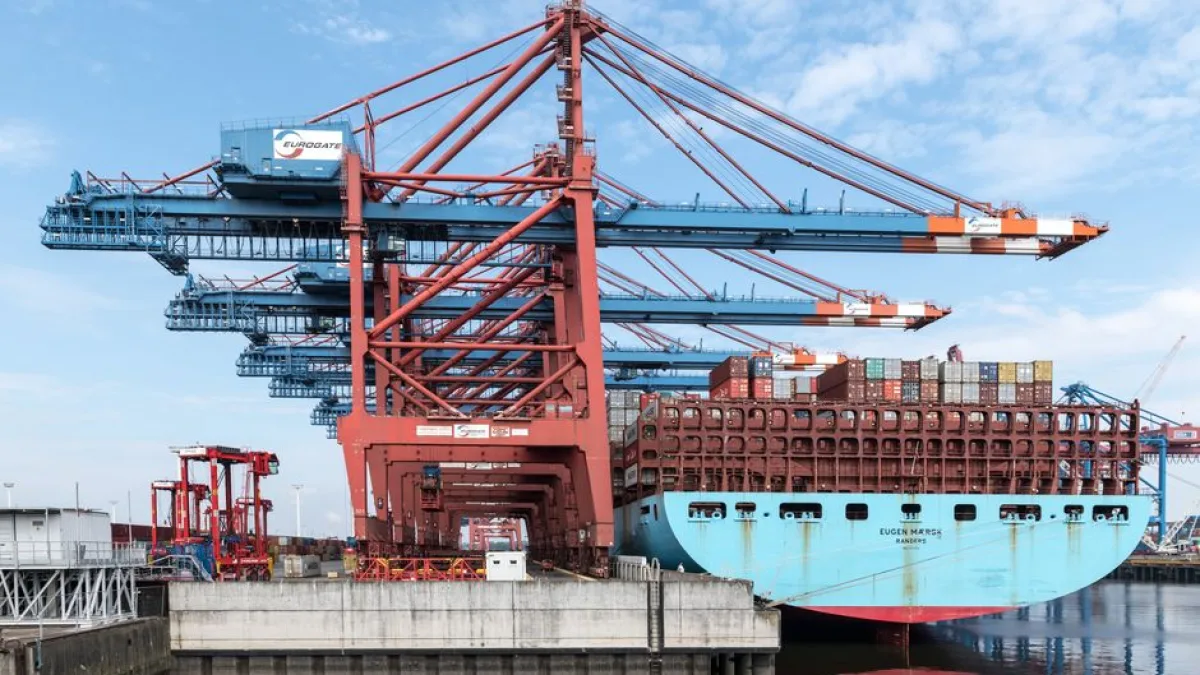
Effective management of vessel space is a critical success factor for modern freight forwarders handling large ocean volumes. By predicting market fluctuations and securing space in advance, companies avoid costly delays and ensure consistent service levels for their diverse client base.
- Strategic Space Allocation: Forwarders should leverage historical data and predictive analytics to forecast space requirements, ensuring that bookings are secured well before seasonal peaks impact global vessel availability.
- Carrier Relationship Management: Building strong partnerships with major shipping lines allows forwarders to negotiate better rates and obtain priority access to container space during high-demand periods throughout the year.
- Automated Booking Systems: Implementing digital platforms eliminates the reliance on manual spreadsheets, providing teams with real-time updates on available capacity and instantly confirming bookings with international carrier systems.
- Contingency Route Planning: Developing alternative routing strategies ensures that freight movement remains fluid even when major ports face unexpected congestion or labour strikes that disrupt primary service lanes.
Optimizing how your firm manages capacity directly influences your bottom line and reputation. When you integrate automated tools into your daily workflow, you reduce the risk of overbooking or missing critical shipment windows. This proactive stance allows your team to focus on strategic client needs rather than firefighting logistical bottlenecks, ultimately positioning your agency as a reliable partner in a highly competitive maritime marketplace.
Streamlining Essential Documentation

Processing bills of lading and commercial invoices is often the most time-consuming task for ocean freight teams. Transitioning to paperless digital workflows accelerates clearance times while significantly improving accuracy for customs compliance and internal auditing processes across the board.
- Digital Documentation Flow: Migrating to cloud-based systems allows your team to generate, store, and share critical shipping documents instantly, reducing the administrative burden of traditional paper-based filing methods.
- Automated Compliance Checks: Integrated software solutions scan documentation for errors in real-time, ensuring that all regulatory requirements are met before shipments depart to prevent costly customs clearance delays.
- Secure Data Sharing: Using encrypted cloud platforms guarantees that sensitive client information remains protected while allowing seamless collaboration between exporters, importers, and international port authorities globally.
- Template Management Tools: Standardizing shipping documents through pre-built templates saves valuable time for operations staff, ensuring consistency across all accounts and reducing repetitive manual data entry tasks.
Precision in documentation is the heartbeat of efficient ocean freight operations. By removing the friction of paper-based systems, forwarders can significantly speed up the release of goods at ports of arrival. Investing in digital document management today will prevent the administrative logjams of tomorrow, enabling your staff to handle higher volumes with greater confidence and ensuring your clients enjoy a seamless shipping experience.
Enhancing Shipment Visibility

Providing clients with accurate, live updates regarding their ocean cargo is now a standard requirement rather than a premium service. Visibility platforms empower forwarders to deliver proactive communication, which fosters deep trust and long-term loyalty with every single shipping account.
- Real-time Tracking Integration: Connecting your operating platform directly to carrier data provides live vessel status updates, allowing your team to inform clients of arrivals without manual status checks.
- Proactive Exception Alerts: Automated notification systems instantly flag potential transit delays or route changes, enabling your staff to communicate solutions to clients before they even notice an issue.
- Client Portal Access: Offering customers a dedicated dashboard for their cargo status encourages self-service, which significantly reduces the volume of repetitive status inquiry emails for your team.
- Predictive Arrival Estimates: Advanced algorithms analyze historical transit times and current weather data to provide more accurate estimated times of arrival for your critical ocean freight shipments.
Visibility is more than just knowing a location; it is about providing clarity during moments of logistical uncertainty. When clients feel informed and supported through every stage of the transit process, they are far more likely to remain loyal. By automating these updates, you free up your team to solve complex problems while maintaining a high standard of professional service and transparency.
Driving Operational Efficiency

Operational excellence requires looking beyond individual tasks to analyze the entire workflow of your ocean freight department. Identifying and eliminating inefficiencies in communication and resource allocation is key to maintaining healthy profit margins and improving overall team productivity levels.
- Centralized Workflow Dashboards: Consolidating all communication, booking data, and financial records into one unified dashboard minimizes the time spent switching between multiple disparate software programs and systems.
- Performance Metric Tracking: Monitoring key performance indicators like profit per TEU helps management identify high-performing lanes while pinpointing areas that require urgent optimization or process improvement efforts.
- Seamless Interdepartmental Synergy: Using collaborative software tools ensures that sales, operations, and accounting departments are always aligned on shipment status, preventing internal miscommunication and costly administrative errors.
- Scalable Resource Planning: Preparing your workforce for peak seasons by using data-driven staff planning ensures that you have enough personnel to manage high workloads without compromising quality.
Operational efficiency is a continuous journey rather than a destination. By consistently auditing your internal processes and utilizing modern software, you create a scalable foundation that supports business growth. Focus on refining your workflows today to ensure that your freight forwarding firm remains agile and profitable, regardless of the shifting tides within the broader global ocean freight shipping industry.
Conclusion
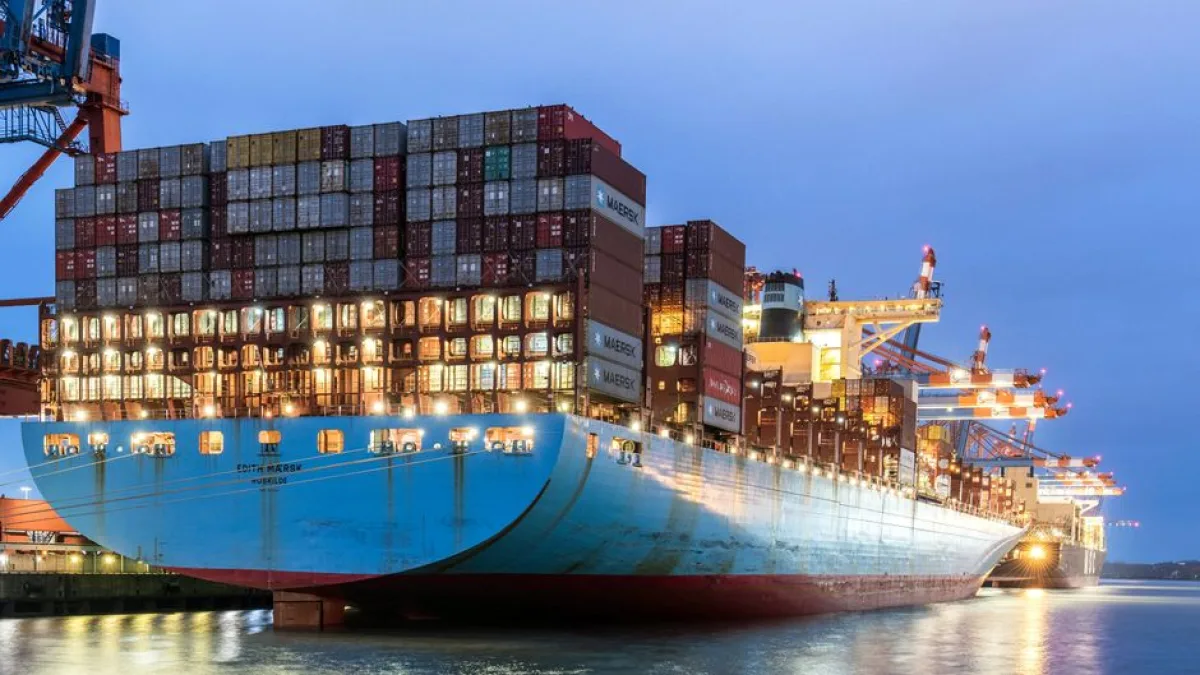
Mastering the complexities of ocean freight requires a combination of technology, strategic planning, and proactive communication. By digitizing documentation, enhancing visibility, and streamlining your internal workflows, you can provide superior service while maintaining competitive margins. Embrace these digital tools to transform your operations and lead your freight forwarding agency toward a future defined by efficiency, reliability, and sustained growth in the global market.