Optimizing Ocean Freight Logistics for Modern Freight Forwarders
Thursday, October 1 2026
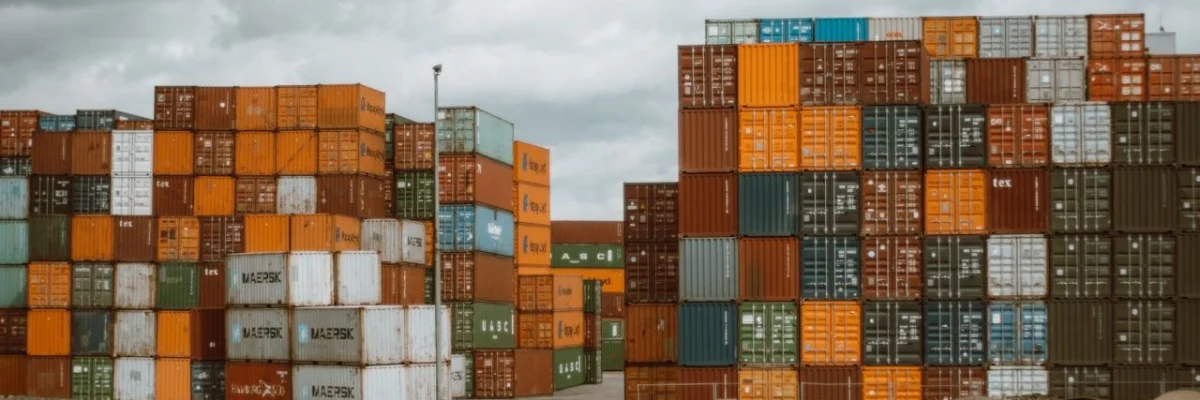
The global shipping landscape is undergoing a massive transformation driven by digitalization and the need for greater transparency. For freight forwarders managing complex ocean logistics, the ability to anticipate disruptions and maintain fluid communication channels is no longer a luxury but a fundamental necessity. As supply chains become increasingly volatile, professionals must leverage advanced software tools to consolidate data, automate documentation, and provide real-time updates to their clients. By adopting a proactive approach to ocean freight management, forwarders can mitigate risks, improve operational efficiency, and provide superior service levels that set their business apart in a highly competitive market environment.
Navigating Global Port Operations
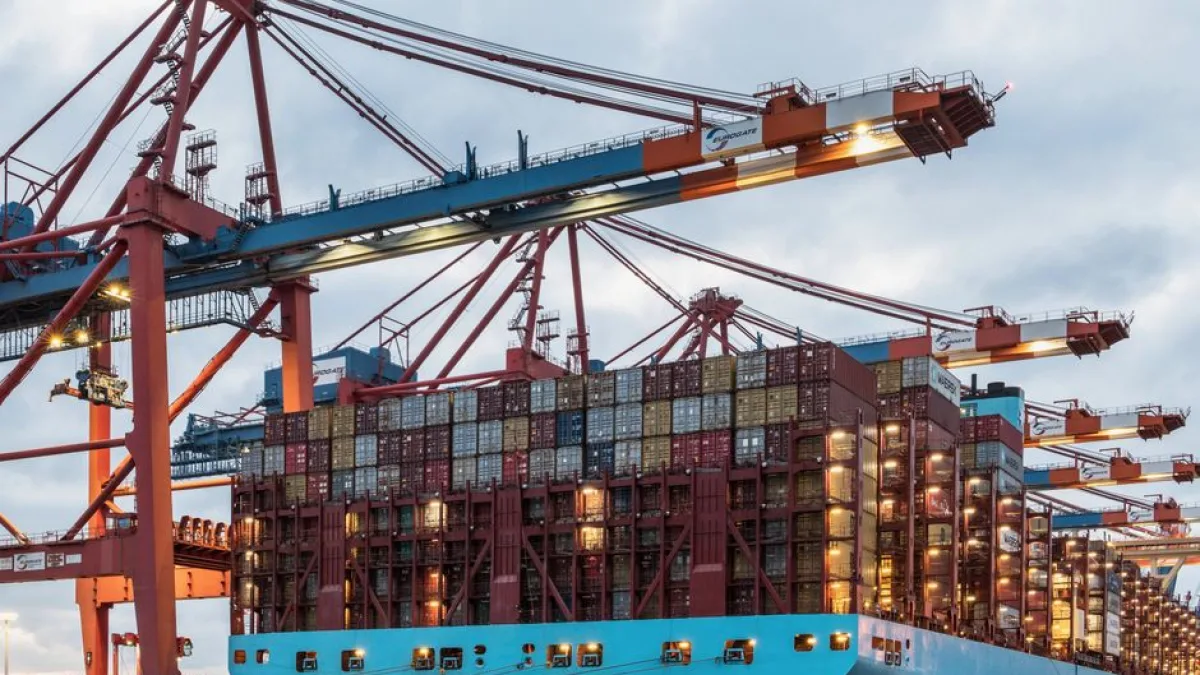
Efficient port operations rely on meticulous coordination between terminal authorities, trucking companies, and ocean carriers to ensure smooth cargo movement. Forwarders who master these logistical touchpoints significantly reduce detention and demurrage costs while ensuring that vessels remain on schedule throughout the voyage.
- Real-time visibility tools: Integrated software platforms provide live tracking of container statuses as they move through busy terminals, allowing teams to react instantly to unexpected bottlenecks and port congestion.
- Documentation accuracy standards: Utilizing digital templates for bills of lading and customs forms reduces manual data entry errors that often lead to costly delays at international border crossings.
- Carrier performance analysis: Monitoring historical data regarding carrier transit times helps forwarders select the most reliable shipping lines to meet specific client delivery windows and quality expectations.
- Automated notifications system: Sending proactive alerts regarding status changes or vessel arrivals builds trust with clients, demonstrating a commitment to transparency and professional service in every shipment.
Mastering port operations requires a combination of robust software and strong professional relationships with key stakeholders. By minimizing the time containers spend idle on the dock, forwarders provide immense value to their clients. This focus on speed and accuracy ensures that shipments remain profitable while maintaining high customer satisfaction ratings throughout the duration of the entire international transit process from port to door.
Managing Complex Shipping Documentation

The sheer volume of paperwork required for international ocean freight creates significant administrative burdens for even the most experienced teams. Streamlining these workflows through cloud-based systems allows forwarders to digitize compliance processes and ensure all regulatory requirements are met without unnecessary delays.
- Cloud document storage: Centralizing all shipping paperwork in a secure cloud repository enables team members to access critical files instantly from any location around the world.
- Customs compliance integration: Automated systems update in line with changing international trade regulations, ensuring that all submitted documentation meets the latest legal standards for every destination.
- Standardized digital workflows: Implementing consistent internal processes for reviewing documents ensures that every file is complete, accurate, and ready for submission before the cargo arrives.
- Error tracking software: Using analytics to identify recurring mistakes in document preparation helps managers refine training programs and improve overall team performance during the busy season.
Digitalization of documentation represents the most significant opportunity for freight forwarders to increase their operational capacity without adding overhead. By replacing manual processes with automated workflows, teams can focus their energy on high-value client relationship tasks. This transformation ensures that compliance remains a strength rather than a hurdle, allowing forwarders to handle larger volumes of cargo with greater speed and precision.
Leveraging Advanced Data Analytics

Data is the most valuable asset a modern freight forwarder possesses when making decisions about routes, carriers, and market capacity. Converting raw information into actionable insights allows businesses to stay ahead of industry trends and manage their resources with unprecedented levels of strategic foresight.
- Market trend forecasting: Analyzing historical shipping data enables forwarders to predict seasonal demand fluctuations, helping clients secure space on vessels well before capacity becomes extremely tight.
- Cost optimization metrics: Tracking every expense associated with shipping routes helps identify opportunities to consolidate shipments or renegotiate rates with ocean carriers for better margins.
- Performance benchmarking tools: Comparing internal KPIs against industry standards provides clear targets for improvement, driving team efficiency and identifying areas where technology can add value.
- Predictive delay modeling: Sophisticated algorithms can forecast potential delays based on weather patterns or port traffic, allowing forwarders to pivot their strategies before problems occur.
Data analytics transforms the way freight forwarders approach ocean logistics by moving from reactive tasks to proactive planning. When teams have access to clear performance indicators, they can identify inefficiencies that were previously hidden within the daily noise of shipping. Embracing this analytical culture ensures that every logistical decision is backed by solid evidence, leading to improved long-term profitability and sustainable growth.
Enhancing Client Communication Strategies

Exceptional client service is the hallmark of a successful freight forwarding business in a world where information is expected instantly. Providing clients with clear, consistent, and automated updates ensures they feel informed and valued, which is critical for building long-term partnerships in the ocean freight sector.
- Client portal access: Offering a dedicated web portal allows customers to view their shipping status, invoices, and documents at their convenience without calling for updates.
- Personalized communication plans: Tailoring the frequency and format of updates to individual client preferences demonstrates a high level of care and understanding for their business.
- Collaborative problem resolution: Using shared digital platforms to work through shipping challenges with clients fosters a sense of partnership and speeds up the decision-making process.
- Instant feedback loops: Regularly collecting client feedback regarding service experiences provides the insights necessary to adjust communication styles and improve overall satisfaction scores throughout time.
Building strong client relationships depends on delivering the right information at the right time. By leveraging digital tools to automate standard communications, forwarders free up time for meaningful conversations that solve complex issues. This balanced approach to technology and personal touch ensures that clients remain loyal, even when faced with the inevitable complexities of global ocean shipping and logistics chains.
Conclusion

Staying ahead in the ocean freight industry requires a commitment to innovation and continuous improvement. By integrating advanced technology into daily operations, freight forwarders can transform their workflows, increase efficiency, and deliver superior results for their clients. As the market continues to evolve, those who embrace digital tools will find themselves better positioned to navigate future challenges and unlock new opportunities for global growth.