Optimizing Ocean Freight Logistics for Modern Freight Forwarders
Sunday, October 4 2026
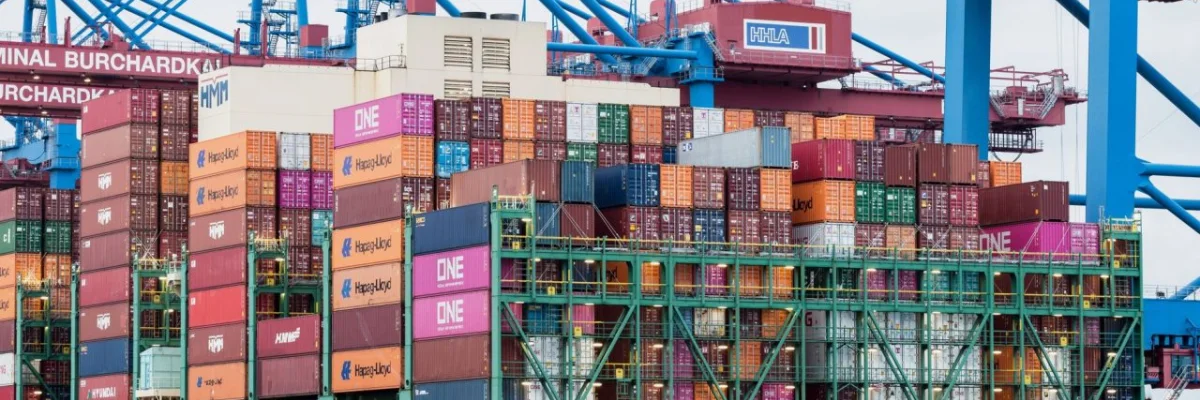
The global maritime industry remains the primary backbone of international trade, yet freight forwarders face increasing complexity due to market volatility and shifting consumer demands. Effectively managing ocean freight requires a seamless balance between carrier relations, real-time tracking, and administrative precision. As digital transformation continues to reshape logistics, professionals must adopt advanced software solutions to maintain a competitive edge. By streamlining operations and embracing data-driven decision-making, freight forwarders can reduce overhead costs while significantly enhancing the overall reliability of their supply chain services. This article explores essential strategies to optimize your ocean freight management and ensure sustained growth in a challenging shipping landscape.
Digital Documentation Efficiency
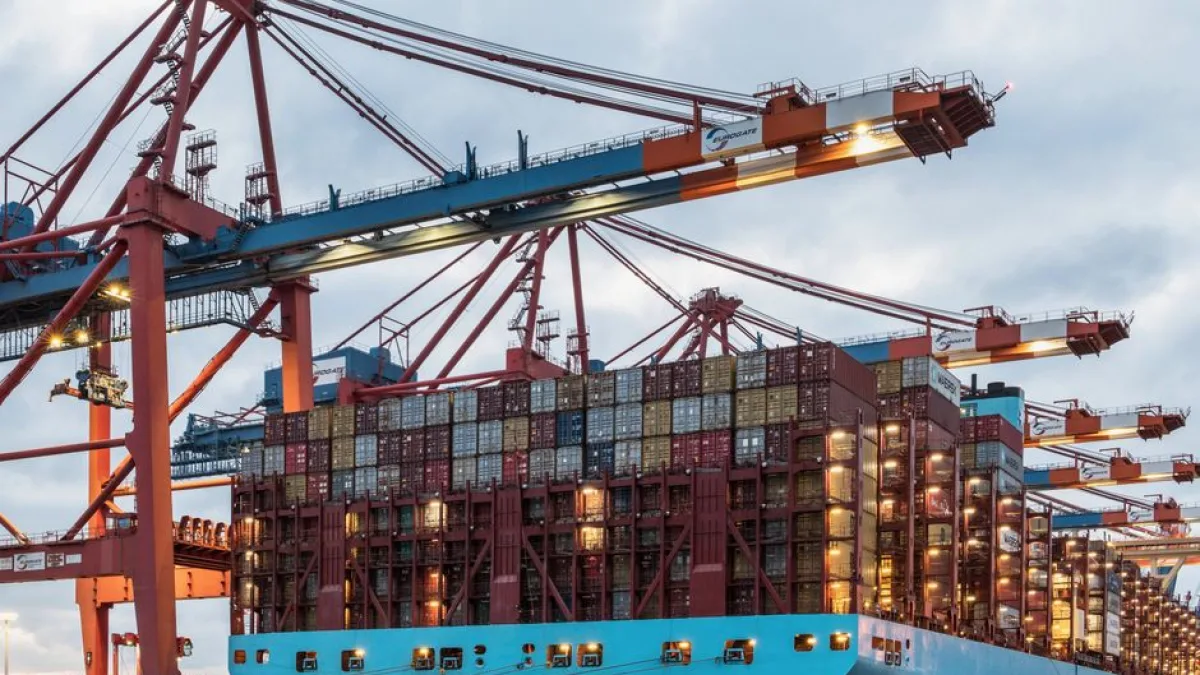
Managing complex documentation remains a bottleneck for many logistics providers today. By transitioning to digital workflows, freight forwarders can eliminate manual errors, accelerate customs clearance processes, and provide clients with accurate, instant updates regarding their critical maritime cargo status.
- Automated Bill Lading: Simplify the generation and distribution of bills of lading by integrating automated data entry tools that reduce manual input time by nearly fifty percent overall.
- Digital Customs Compliance: Ensure all shipments adhere to international trade regulations by utilizing software that automatically updates documentation based on the latest destination country import requirements today.
- Centralized Document Storage: Maintain a secure and accessible digital repository for all shipping records to facilitate quick retrieval during audits and improve internal team collaboration across departments.
- Electronic Invoice Processing: Speed up cash flow cycles by deploying automated invoicing systems that generate accurate charges immediately after the shipping container reaches the final destination port terminal.
Adopting a digital-first approach to documentation transforms how your team interacts with global carriers and customers. Rather than chasing paperwork, your staff can focus on high-value tasks that drive revenue growth. This shift not only minimizes costly shipping delays but also builds long-term trust with clients who demand transparency. Investing in modern software tools is essential for staying agile in the fast-paced global ocean freight market.
Predictive Carrier Capacity Planning
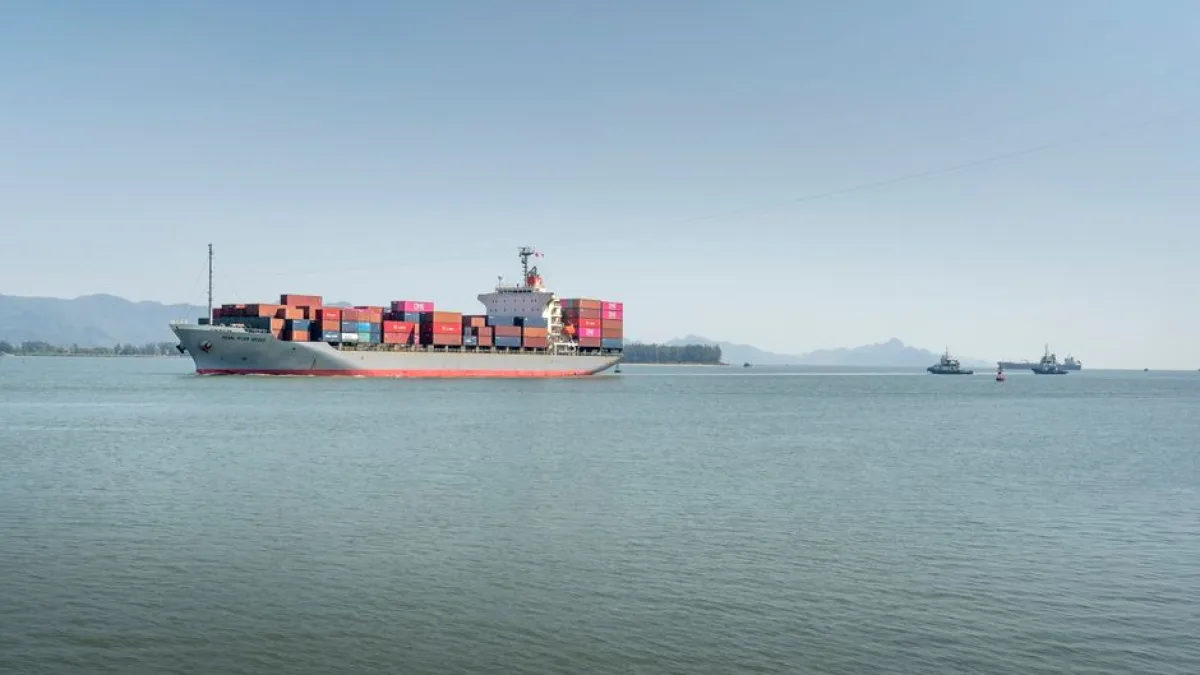
Forwarders must anticipate space shortages to keep supply chains moving during peak seasons. Advanced planning tools allow you to forecast capacity needs, secure essential vessel space, and prevent the logistical gridlock that often occurs when demand suddenly outpaces available supply.
- Predictive Demand Analytics: Utilize historical shipment data to forecast upcoming capacity requirements, allowing your team to book vessel space well in advance of anticipated seasonal traffic volume spikes.
- Carrier Performance Monitoring: Track carrier reliability metrics such as transit times and cancellation rates to make informed decisions when selecting partners for your most urgent client shipments.
- Dynamic Space Management: Deploy software solutions that allow you to adjust booking allocations in real time, ensuring that your company maintains maximum flexibility during sudden market shifts.
- Multi-Carrier Strategy Implementation: Diversify your shipping options by building strong relationships with multiple global carriers, which provides a necessary buffer when one partner faces unexpected service disruptions.
Effective capacity planning is the hallmark of a resilient freight forwarding business that thrives under pressure. By leveraging predictive insights rather than relying on guesswork, you protect your clients from unnecessary delays and volatile market conditions. This proactive strategy ensures your operations remain consistent regardless of external disruptions. Consistently monitoring your capacity requirements is the most reliable way to maintain superior service levels throughout the year.
Visibility Through Real-Time Tracking

Client expectations for real-time visibility have reached an all-time high in the modern supply chain. Providing customers with accurate, up-to-the-minute status updates about their cargo location is now a mandatory requirement for forwarders aiming to maintain high retention rates.
- Live Container Tracking: Offer clients a branded portal where they can monitor container movements from the point of origin to the final destination with complete, real-time transparency.
- Automated Milestone Alerts: Configure proactive notification systems that automatically email or text your customers whenever their shipment reaches a critical waypoint or encounters a known transit delay.
- Exception Management Tools: Equip your operations team with software that highlights potential delays, allowing you to proactively resolve issues before they negatively impact the final customer experience.
- Integration With Carriers: Connect your internal software directly to major shipping lines to pull precise GPS location data, eliminating the need for manual status checking and communication.
Transparent communication is the cornerstone of a successful freight forwarding partnership. When you empower your clients with immediate visibility, you reduce the time spent answering routine status inquiries and improve overall satisfaction scores significantly. Technology that provides a clear window into the supply chain helps you stand out in a crowded market. Consistently delivering high-quality tracking information is the best way to secure client loyalty.
Streamlining Financial Operations

Profit margins in the freight industry are often slim, making financial precision vital for long-term viability. Efficiently managing accounts payable and receivable ensures that your business maintains healthy cash flow and remains capable of investing in new technology or staff recruitment.
- Integrated Freight Billing: Link your shipping operations directly to your accounting platform to ensure that every charge is captured accurately without any manual reconciliation or lost revenue.
- Automated Currency Conversions: Manage international payments with ease by utilizing tools that handle complex currency conversions, ensuring that your financial statements reflect true market exchange values.
- Vendor Payment Automation: Optimize your outgoing cash flow by setting up automated payment schedules for shipping lines and trucking partners to ensure that all accounts remain current.
- Real-Time Margin Tracking: Monitor the profitability of every single shipment in real time to identify which routes or partners are providing the best financial returns for business.
Precision in financial operations allows your management team to make smarter decisions about the direction of your company. By eliminating manual bookkeeping errors and tracking your profit margins closely, you gain a competitive advantage that is difficult for less organized competitors to match. Building a robust financial foundation ensures you have the capital necessary to adapt to future challenges and continue growing your brand successfully.
Conclusion
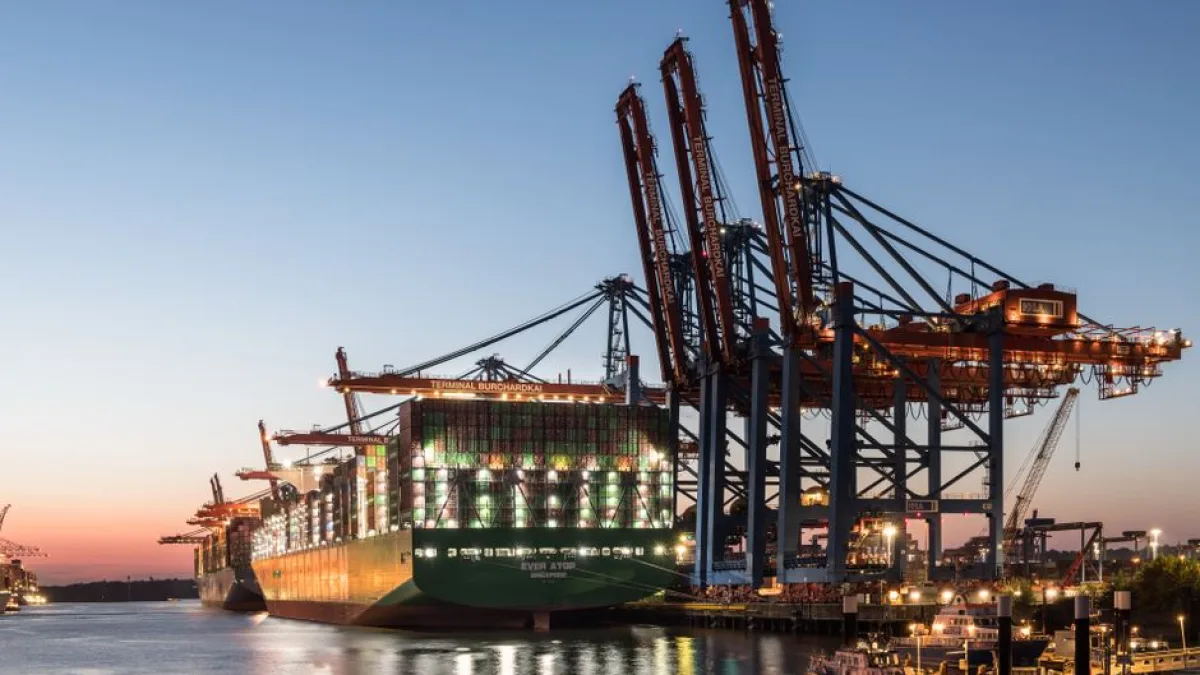
Mastering ocean freight logistics requires a blend of advanced technology and strategic operational foresight. By focusing on digital documentation, capacity planning, transparent tracking, and precise financial management, your freight forwarding business can navigate any global market challenge with confidence. Start optimizing your internal workflows today to deliver superior value to your clients. A more efficient, data-driven approach is the key to achieving long-term success in shipping.