Optimizing Ocean Freight Logistics for Modern Freight Forwarders
Tuesday, October 6 2026

The global ocean freight landscape is undergoing a massive transformation driven by digitalization and shifting consumer expectations. As freight forwarders face volatile capacity, rising costs, and complex regulatory requirements, the ability to maintain operational agility becomes a primary competitive advantage. Leveraging cloud-based technology allows logistics providers to unify fragmented data streams, providing real-time visibility across the entire supply chain. By embracing automated workflows and predictive analytics, forwarders can mitigate risks while enhancing client satisfaction. This article explores essential strategies to streamline your ocean freight operations, ensuring your team remains ahead in a demanding and increasingly digitized global market environment.
Mastering Carrier Capacity Management
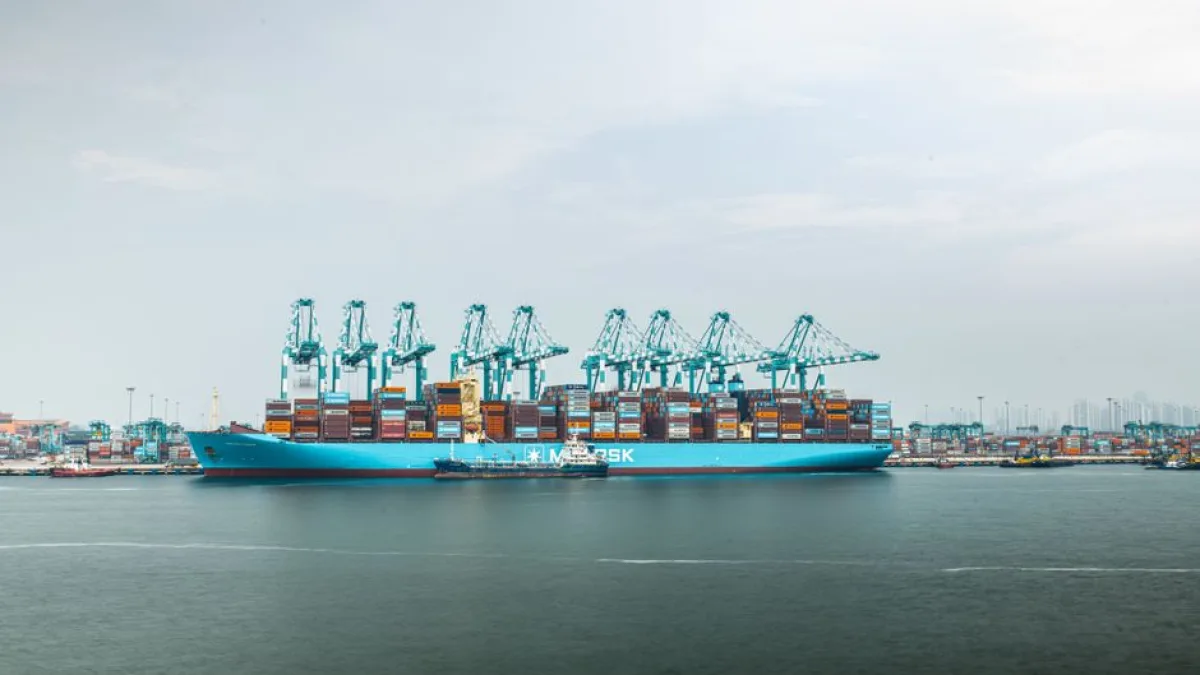
Effective capacity management is the cornerstone of successful ocean freight operations in a volatile market. Forwarders must balance vessel space availability with fluctuating demand to maintain service reliability while keeping costs under control during peak shipping seasons or unexpected supply chain disruptions.
- Real-time capacity tracking: Integrate your software with carrier systems to monitor available vessel space instantly, enabling your team to book allocations before competitors claim the limited remaining cargo slots.
- Historical demand forecasting: Utilize past booking data to predict seasonal volume spikes, allowing your company to secure competitive contract rates well in advance of the typical annual demand surges.
- Strategic carrier partnerships: Maintain strong relationships with ocean carriers to negotiate flexible terms that allow for volume adjustments, ensuring your operational stability during periods of unpredictable global trade shifts.
- Automated booking updates: Reduce manual errors by automating the submission of shipping instructions directly to carriers, which significantly decreases the likelihood of administrative delays or costly documentation mistakes.
By shifting away from legacy spreadsheets and manual communication, your freight forwarding business can significantly improve its agility. Implementing automated capacity monitoring tools ensures that your team always operates with precise, up to date information. This proactive approach not only helps in securing essential space but also builds long term trust with your clients by providing consistent, reliable service regardless of the market conditions.
Digital Documentation and Compliance

Navigating the complex world of international shipping documentation requires precision and constant compliance with evolving trade regulations. Automating your paperwork ensures that every bill of lading and customs form is accurate, reducing potential legal risks and avoiding costly detention fees at ports.
- Centralized document management: Store all essential shipping records in a secure cloud repository, making it easier for authorized team members to access critical information during complex transit processes.
- Automated compliance checks: Implement software that automatically flags discrepancies in your customs filings or dangerous goods documentation before submission, preventing potential legal penalties and significant cargo processing delays.
- Electronic data interchange: Leverage modern EDI standards to exchange shipping documents electronically with partners, ensuring that data flows seamlessly between all stakeholders involved in the ocean freight lifecycle.
- Standardized template workflows: Create uniform templates for common shipping documents to streamline your administrative output, ensuring consistent branding and regulatory accuracy across every single shipment your company handles.
Adopting a digital-first approach to documentation is essential for reducing human error and accelerating cargo clearance times. When data is managed in a centralized digital environment, your team can avoid the traps of disjointed email threads and lost physical records. This transition not only secures your operational compliance but also elevates the professional experience provided to your clients through faster, more accurate logistics documentation.
Optimizing Port and Terminal Operations
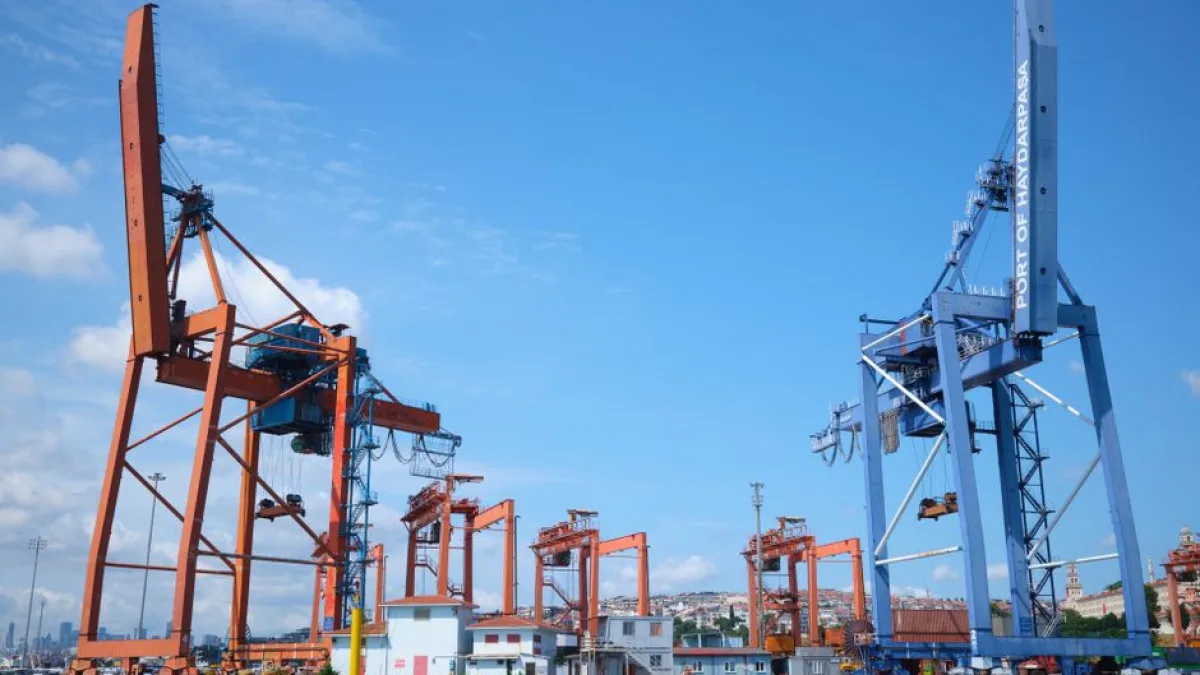
Efficient terminal interactions determine the final speed of your ocean freight delivery. Managing port throughput and container status updates effectively allows forwarders to provide accurate arrival estimates while reducing the overhead costs associated with port congestion and extended container storage time frames.
- Automated status updates: Receive instant notifications regarding container gate-in and vessel departure events, allowing you to update your clients immediately whenever a change in their shipment status occurs.
- Proactive congestion monitoring: Utilize location-based data to identify congested terminals early, enabling your logistics coordinators to reroute shipments to alternative ports to avoid significant vessel berthing delays.
- Integrated terminal communication: Connect directly with port gate systems to streamline the pickup and return of empty containers, which lowers drayage expenses and improves overall trucking fleet efficiency.
- Real-time visibility tools: Empower your customers with a branded portal that shows container locations and milestones, reducing the volume of inbound inquiries your support team must handle.
Optimizing how you interface with port terminals is a critical step in reducing the total lead time for international shipments. By leveraging real-time data, your team can anticipate terminal bottlenecks before they cause massive operational headaches. This high level of visibility is what differentiates successful forwarders, turning traditional port challenges into opportunities for providing superior customer service and operational transparency throughout the journey.
Leveraging Advanced Data Analytics

Data is the most valuable asset for a modern freight forwarder seeking to optimize profitability. Analyzing performance metrics across your ocean freight lanes allows for smarter decision making, enabling you to identify underperforming routes and capitalize on new market opportunities with great precision.
- Route performance analysis: Evaluate the transit times and cost efficiency of different shipping lanes to identify which carriers offer the best value for your specific customer cargo requirements.
- Cost breakdown insights: Monitor all ancillary fees and surcharge trends to identify hidden expenses that impact your profit margins, allowing you to adjust your pricing strategies accordingly.
- Customer profitability reporting: Gain a clear view of which client accounts generate the highest volume and margin, helping your sales team focus their efforts on the most lucrative opportunities.
- Predictive delay modeling: Use historical weather and traffic data to predict potential route delays, allowing your operations team to provide clients with accurate information and contingency plans.
Data-driven forwarders are consistently more successful at navigating the complexities of ocean freight because they base their decisions on hard evidence rather than guesswork. By continuously analyzing your operational metrics, you can refine your strategies to improve margins and service reliability. This commitment to ongoing improvement ensures your business remains resilient and profitable even when facing the inevitable fluctuations of the global logistics market.
Conclusion
Transforming your ocean freight operations requires a commitment to digital adoption and the strategic use of modern technology. By focusing on capacity management, compliance, port efficiency, and data analytics, your freight forwarding business can achieve new levels of productivity and customer loyalty. Now is the perfect time to evaluate your current software stack and embrace the cloud-based solutions that drive industry-leading logistics performance.