Optimizing Ocean Freight Logistics for Modern Forwarders
Saturday, October 10 2026
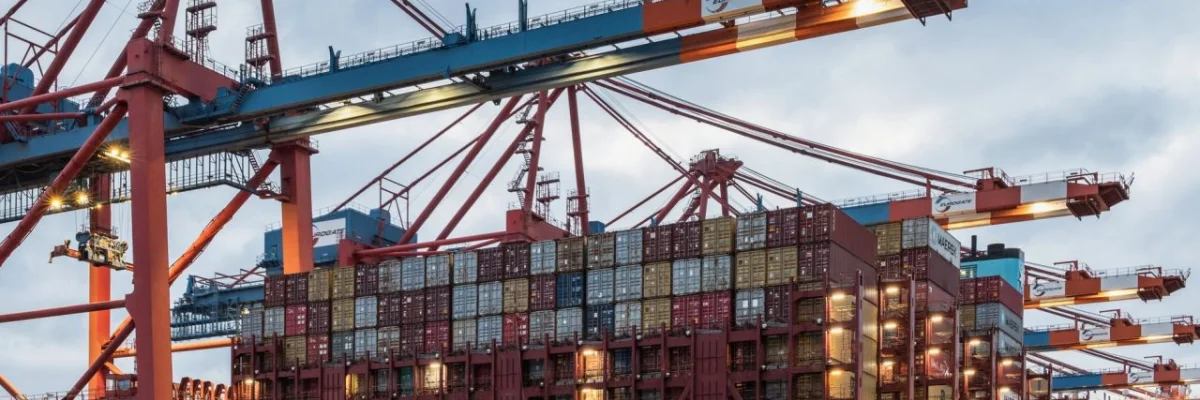
The global shipping landscape demands unprecedented agility and precision from freight forwarders aiming to maintain a competitive edge. As trade routes shift and supply chain complexities mount, the reliance on outdated manual processes becomes a significant hurdle to profitability and operational scalability. Forwarders today must embrace digital transformation, leveraging cloud-based platforms to unify fragmented data streams and provide clients with real-time visibility. By centralizing documentation, automating routine communication, and refining carrier selection strategies, businesses can significantly reduce overhead costs while simultaneously improving delivery timelines and customer satisfaction ratings throughout the intricate ocean freight lifecycle.
Modernizing Documentation Processes
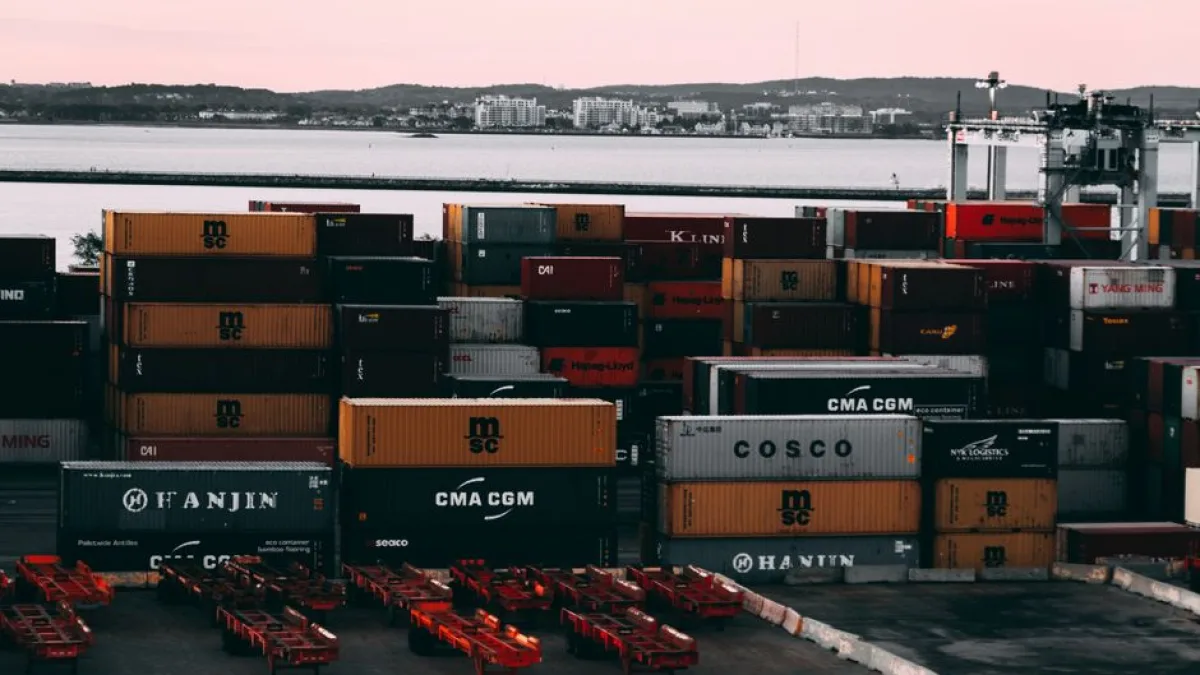
Digitizing your documentation workflow is the first step toward achieving operational excellence in ocean freight. Moving away from manual data entry and paper-heavy processes reduces human error, accelerates customs clearance procedures, and creates a single source of truth for all stakeholders involved.
- Automated Data Entry: Implement smart scanning tools to extract information from bills of lading and packing lists directly into your platform to eliminate time-consuming manual typing and transcription tasks.
- Centralized Cloud Storage: Maintain a secure digital repository where all shipment documentation is accessible instantly, ensuring that your team can retrieve critical files without searching through physical folders.
- Standardized Filing Systems: Develop consistent naming conventions and folder structures across your entire organization so that every employee finds the necessary regulatory and commercial paperwork within seconds of searching.
- Digital Approval Workflows: Utilize electronic signature capabilities to streamline the validation process for documents, which significantly reduces the turnaround time for finalizing manifests and release orders for ocean freight.
- Version Control Management: Track every change made to shipping documents in real-time, preventing confusion regarding the latest status of commercial invoices and preventing costly discrepancies at international border checkpoints.
Adopting a robust digital documentation strategy transforms how your team manages high-volume shipping cycles. By replacing manual paperwork with automated, cloud-based tools, forwarders save countless hours every week. This shift not only prevents costly errors during the customs clearance phase but also empowers your staff to focus on high-value client interactions, ultimately leading to a more streamlined and profitable ocean freight operation overall.
Enhancing Real-Time Visibility

Providing clients with live tracking updates is no longer an optional luxury but an industry standard. Leveraging cloud-based tracking software allows forwarders to provide proactive alerts regarding container status, vessel locations, and potential port delays to improve transparency.
- Integrated Tracking APIs: Connect your platform directly with carrier data feeds to ensure that your clients receive the most accurate and up-to-date information regarding their ocean freight shipments.
- Automated Status Alerts: Configure your software to send triggered notifications to clients automatically when a vessel reaches a major milestone or if an unforeseen delay affects the transit.
- Customized Client Portals: Create branded dashboards where shippers can log in to view the movement of their cargo, reducing the volume of status inquiries handled by your staff.
- Exception Management Tools: Deploy predictive analytics that highlight potential bottlenecks or port congestion events before they impact the scheduled delivery times, allowing for quicker and more effective solutions.
- Transparent Milestone Tracking: Map out every stage of the journey from origin warehouse to destination port to provide a granular view of the cargo status at all times.
Visibility serves as the backbone of modern freight forwarding services by building deep trust with your customers. When you provide immediate access to shipment data, you reduce the time spent answering phone calls about cargo status. This transparent approach fosters long-term loyalty and positions your agency as a reliable partner capable of navigating today's complex shipping environment with speed and total accuracy.
Optimizing Carrier Selection
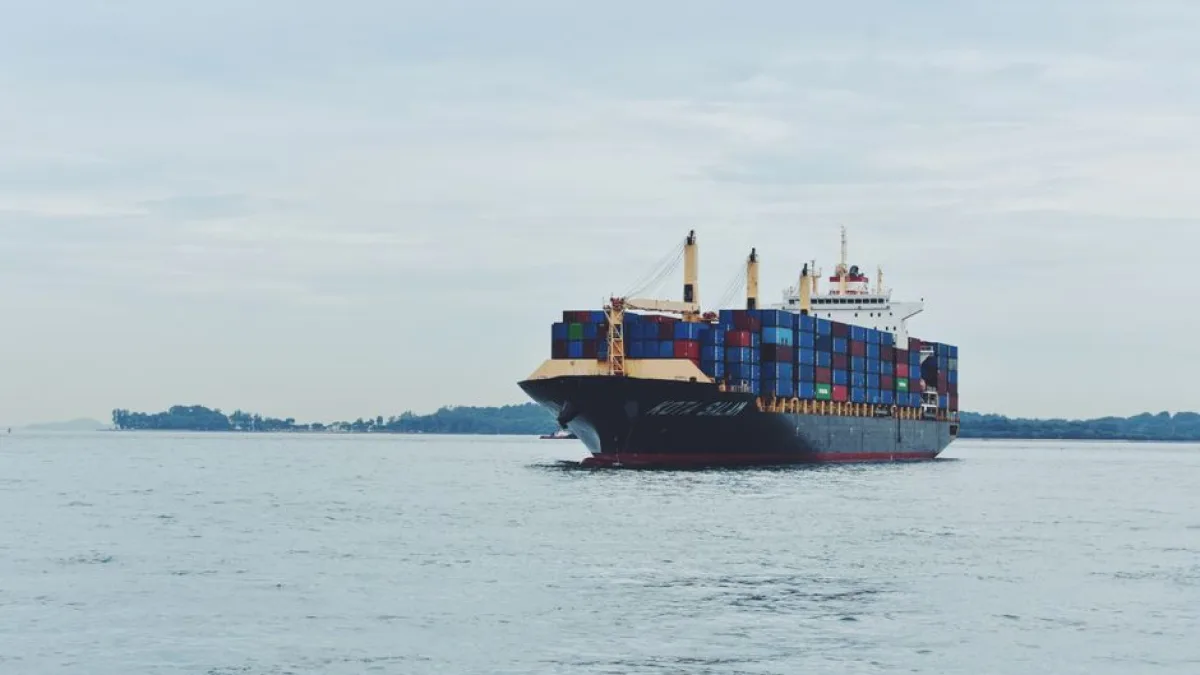
Choosing the right carrier for each shipment is critical for balancing cost, speed, and reliability. Modern freight software enables forwarders to compare various rates and service levels across multiple ocean lines within a single unified dashboard interface.
- Dynamic Rate Comparisons: Utilize software to pull live spot rates from various carriers, allowing your team to identify the most cost-effective shipping options for every specific route.
- Performance Metric Analysis: Track historical carrier performance data, including transit times and incident rates, to make informed decisions based on reliability rather than just the lowest initial quote.
- Contract Management Features: Organize complex carrier agreements within your cloud software to ensure that you are always capturing the best negotiated rates for your frequent shipping lanes.
- Strategic Route Planning: Evaluate different port pairings and transit options to optimize cargo flows, which helps in avoiding heavily congested hubs during peak seasonal demand periods worldwide.
- Scalable Booking Modules: Streamline the booking process by submitting electronic requests directly through your management software, ensuring faster confirmation and fewer communication gaps with your carrier partners.
Strategic carrier management significantly impacts your bottom line and your ability to meet client demands consistently. By leveraging data-driven insights to choose the best partners, you minimize the risk of expensive delays and unexpected surcharges. This analytical approach to ocean freight procurement turns a routine operational task into a powerful competitive advantage that drives higher margins and better service reliability for your company.
Automating Financial Workflows

Managing billing and payments manually is a drain on your internal resources. Automating financial workflows within your freight platform ensures that invoices are issued quickly and payments are tracked accurately, keeping your cash flow healthy and predictable.
- Automated Invoicing Generation: Trigger invoices automatically as soon as shipment milestones are met, ensuring that your company gets paid faster and reduces the burden of manual billing tasks.
- Currency Conversion Tools: Handle multi-currency transactions easily by using built-in calculators that update exchange rates in real-time, preventing losses during international ocean freight financial settlement processes.
- Integrated Payment Gateways: Allow your customers to pay invoices directly through your online portal, which simplifies the accounting cycle and reduces the need for manual bank reconciliations.
- Expense Tracking Features: Log all third-party carrier costs immediately to maintain a clear picture of profit margins per shipment, enabling better financial forecasting and strategic resource allocation.
- Automated Payment Reminders: Send gentle, scheduled follow-up notifications to clients with outstanding balances to improve your overall collection rates and maintain consistent liquidity for your business operations.
Efficient financial automation provides the stability needed to grow your freight forwarding business. By removing the friction from billing and payment cycles, you reduce administrative costs and free up your finance team for more complex tasks. Maintaining a tight grasp on your financials through automated software ensures that your ocean freight operations remain both highly profitable and well-positioned for future market expansion.
Conclusion
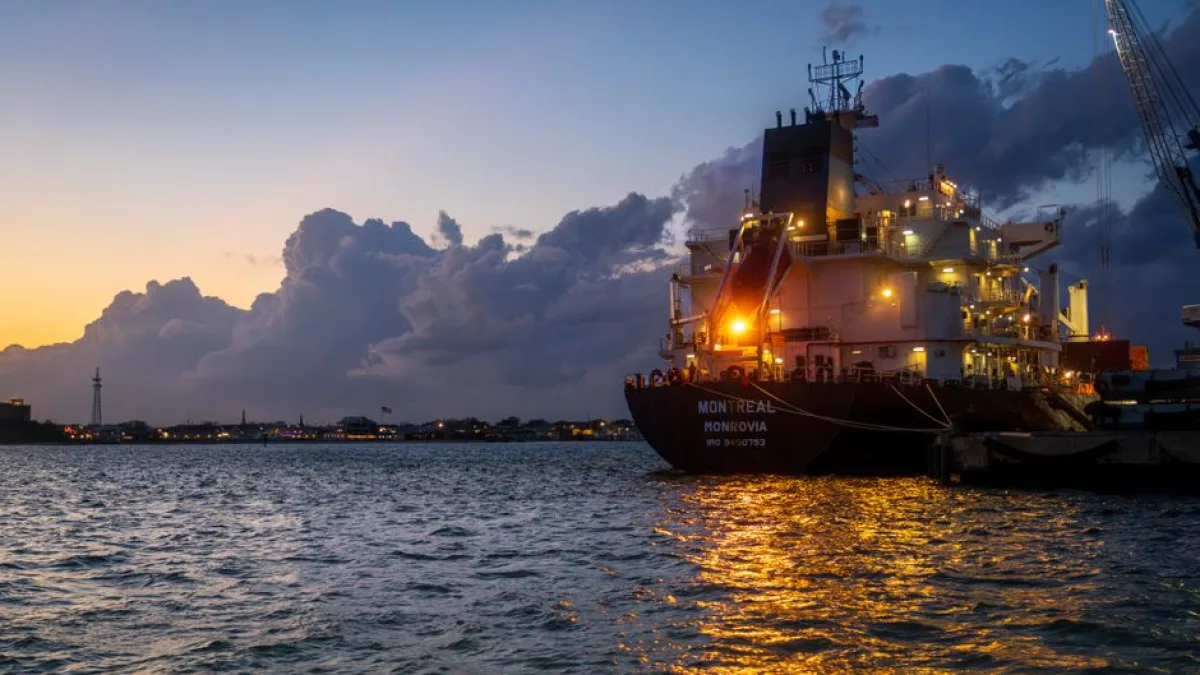
Successfully managing ocean freight requires a combination of technology, strategy, and efficient execution. By centralizing your processes in a cloud-based platform, you gain the control necessary to scale operations and delight your clients. Start modernizing your workflow today to improve transparency, reduce costs, and secure your place as a leader in the global shipping industry. Your future growth depends on these vital improvements.