Optimizing Ocean Freight Logistics for Modern Forwarders
Monday, October 12 2026

The global shipping landscape is undergoing a period of rapid digital transformation, requiring freight forwarders to move beyond manual processes and embrace technology. As ocean freight remains the backbone of international trade, the pressure to maintain transparency, cost-efficiency, and operational speed has never been higher. Today, freight forwarders must navigate complex supply chain disruptions, fluctuating carrier capacity, and demanding customer expectations. By integrating cloud-based management systems, logistics professionals can automate tedious documentation, improve real-time tracking, and enhance collaborative communication across global networks. This guide explores essential strategies for forwarders aiming to streamline ocean freight operations and maintain a competitive edge in an evolving market.
Mastering Carrier Capacity Management
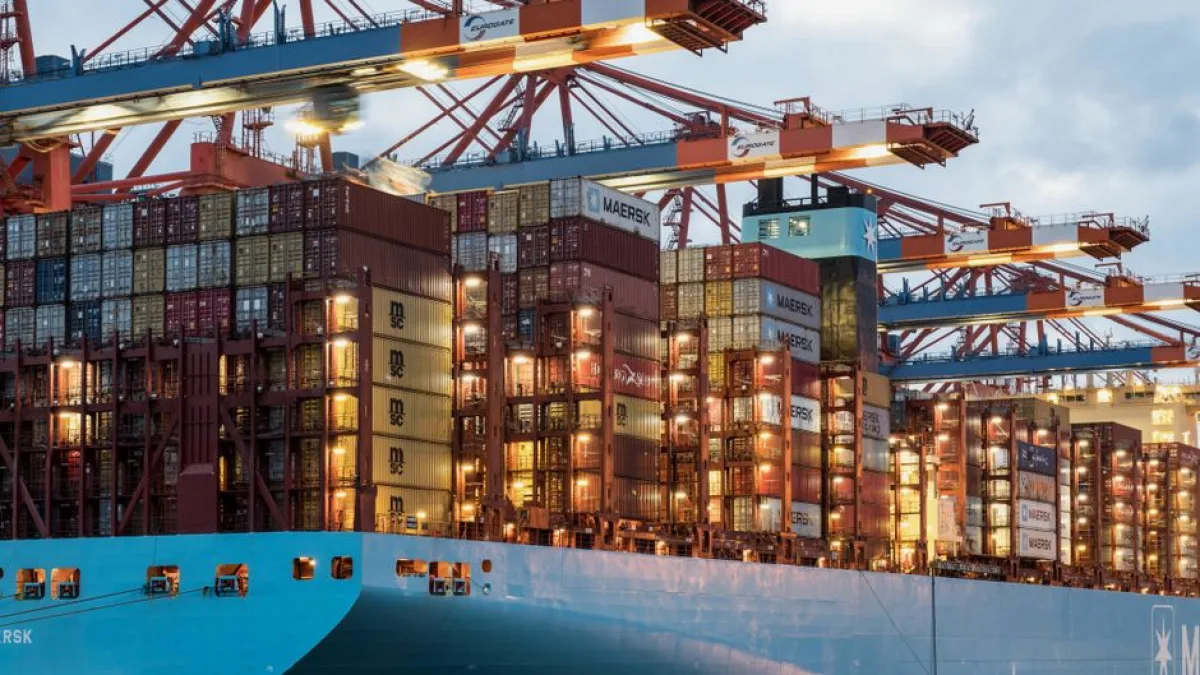
Optimizing space allocation across multiple shipping lines requires sophisticated planning and real-time visibility into carrier performance. Forwarders must actively monitor vessel schedules to ensure that booked space meets actual cargo volume requirements while mitigating the impact of sudden blank sailings or delays.
- Automated Booking Flows: Streamlining the reservation process through direct digital interfaces reduces manual entry errors and ensures that space requests are processed instantly by major global ocean shipping lines.
- Data Driven Forecasting: Analyzing historical shipping patterns allows freight forwarders to anticipate capacity shortages and secure necessary container space well in advance of peak season demand cycles.
- Real-time Capacity Updates: Integrating live carrier APIs provides immediate notification of schedule shifts, allowing your team to proactively reroute shipments before operational disruptions affect your client service levels.
- Effective Partner Relations: Maintaining strong relationships with carrier representatives ensures priority handling and better negotiation leverage when capacity becomes tight during busy annual shipping periods or seasonal peaks.
Taking control of your carrier capacity is essential for preventing revenue loss and keeping your clients satisfied throughout the entire shipping journey. By shifting from reactive booking methods to a proactive, data-informed strategy, your brokerage can handle higher volumes with significantly lower administrative overhead. Embracing these digital tools ultimately empowers your staff to focus on strategic client support instead of constant manual schedule adjustments.
Optimizing Documentation and Compliance

Managing complex international shipping documentation is often the most time-consuming task for modern forwarders. Digitizing the workflow for bills of lading, commercial invoices, and customs declarations reduces clerical errors and ensures seamless transit across international borders for all cargo.
- Template Based Generation: Creating standardized document templates within your software platform ensures that every file complies with international shipping regulations while drastically reducing the time spent on manual input.
- Centralized Cloud Storage: Keeping all shipping documents in a single secure cloud repository allows for instant retrieval and easy sharing between shippers, consignees, and customs brokerage partners.
- Automated Compliance Checks: Implementing automated verification systems flags potential errors in customs paperwork before submission, preventing costly delays and fines during the critical port clearance process for clients.
- Integrated Digital Signatures: Facilitating e-signatures for essential freight documents accelerates the overall export process and eliminates the need for physical courier services when finalizing important shipping agreements.
Moving toward a paperless documentation environment is no longer just an option but a necessity for scaling your freight forwarding business efficiently. By automating these repetitive administrative tasks, your team can eliminate bottlenecks that traditionally cause significant delays at customs checkpoints. This strategic transition not only boosts overall operational speed but also builds trust with clients who demand accuracy and professional reliability.
Enhancing Real Time Visibility
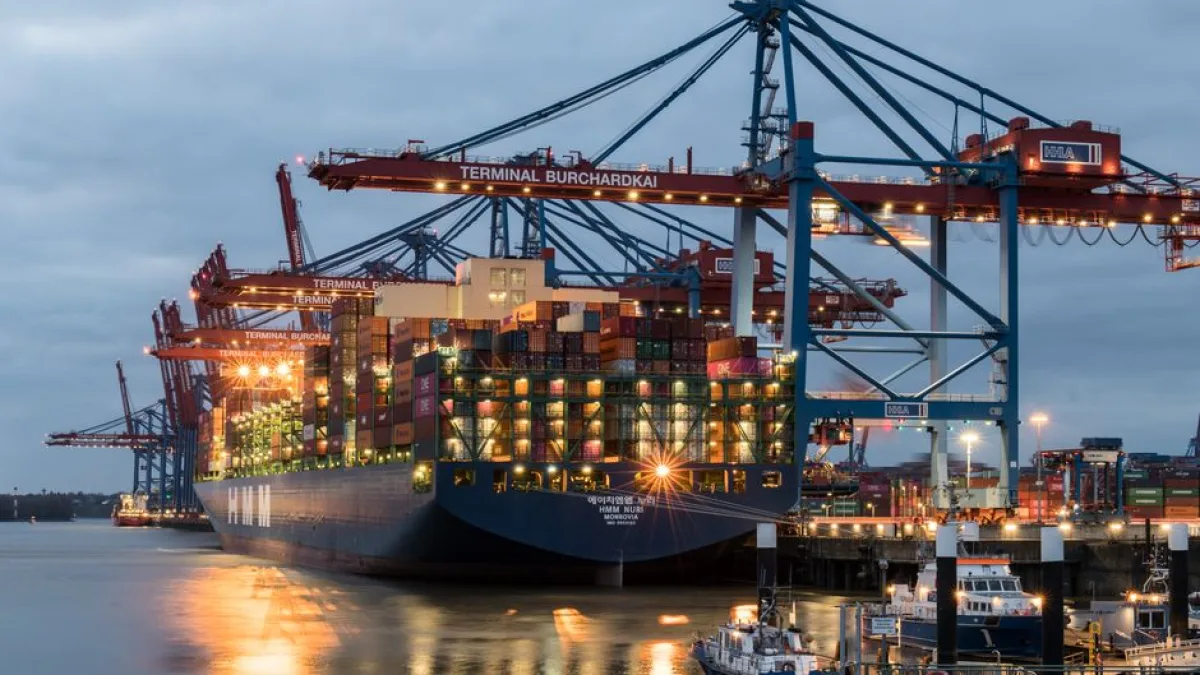
Providing clients with precise updates on their cargo location is a hallmark of premium freight forwarding services. Advanced tracking technology bridges the gap between terminal operations and the final delivery point, ensuring stakeholders remain informed through every leg of transport.
- Live Vessel Tracking: Leveraging satellite data and terrestrial signals allows your team to provide clients with minute-by-minute updates on the current location of their ocean freight vessels.
- Port Terminal Visibility: Monitoring gate-in and gate-out status at major global ports helps identify potential bottlenecks early and allows for better coordination of final mile truck dispatching.
- Customized Client Dashboards: Providing customers with secure access to a branded portal allows them to check their shipment progress independently, reducing the burden of manual status inquiries.
- Exception Alerts Automation: Configuring automated notifications for unexpected delays ensures that your customers are informed immediately, allowing for collaborative problem solving and quick adjustment of delivery expectations.
Modern clients expect radical transparency regarding their supply chain, and providing this level of insight is a powerful competitive advantage. By leveraging real-time data, you can transform the customer experience from one defined by uncertainty to one built on predictable communication. This proactive approach to shipment visibility reduces stress for your team and reinforces your reputation as a modern, reliable, and technology-driven forwarder.
Streamlining Financial Workflows

Financial management remains a critical pillar of freight forwarding, yet many firms struggle with fragmented billing and slow invoice processing. Integrating financial workflows directly into your operations platform ensures that freight costs, surcharges, and margins are calculated accurately and tracked efficiently.
- Automated Cost Allocation: Linking shipping manifests directly to financial software ensures that every expense and surcharge is billed correctly to the right client without complex manual reconciliations.
- Rapid Invoicing Cycles: Generating and sending invoices immediately upon shipment dispatch significantly improves your overall cash flow and reduces the time spent chasing outstanding payments from international clients.
- Multi Currency Support: Handling diverse global currency transactions within one integrated platform eliminates confusion and currency exchange errors during the billing process for international ocean freight services.
- Profitability Analytics Tools: Reviewing detailed margin reports on every individual shipment helps your management team identify profitable routes and optimize your overall pricing strategy for future business.
Efficient financial operations are the backbone of a sustainable and profitable logistics business. By automating the link between operational activity and billing, you minimize the risk of revenue leakage and allow your finance department to function with much greater precision. Ultimately, these digital financial tools allow you to focus your resources on business development and strategic growth rather than repetitive manual accounting tasks.
Conclusion

Mastering ocean freight logistics requires a dedication to digital integration and continuous process refinement. By adopting cloud-based tools for capacity management, documentation, visibility, and finance, your team can overcome industry bottlenecks and elevate the client experience. These technological investments serve as the foundation for long-term scalability and operational excellence. Start modernizing your workflows today to ensure your brokerage remains a leader in global trade.