Optimizing Ocean Freight Logistics for Modern Freight Forwarders
Wednesday, October 14 2026
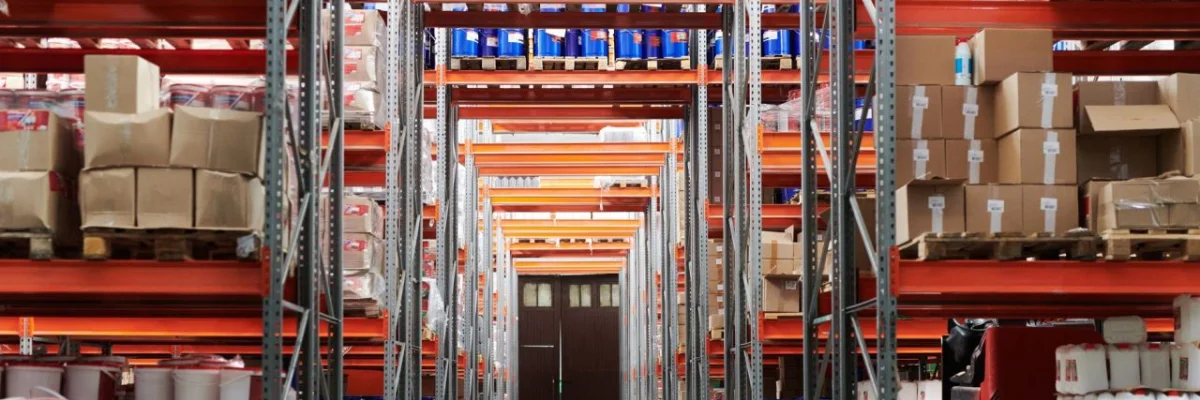
The global maritime industry remains the backbone of international trade, yet freight forwarders face increasing pressure to modernize their operations amidst complex supply chain demands. As container volumes fluctuate and port congestion persists, the necessity for robust, cloud-based digital infrastructure becomes undeniable. Forwarders must move beyond legacy manual processes to ensure real-time visibility, automated documentation, and improved profitability. By embracing sophisticated software solutions, logistics professionals can turn logistical hurdles into strategic advantages. This article explores essential pillars of ocean freight management, helping your agency thrive in an era of rapid technological transformation and intensifying global competition for cargo space.
Mastering Carrier Capacity Management
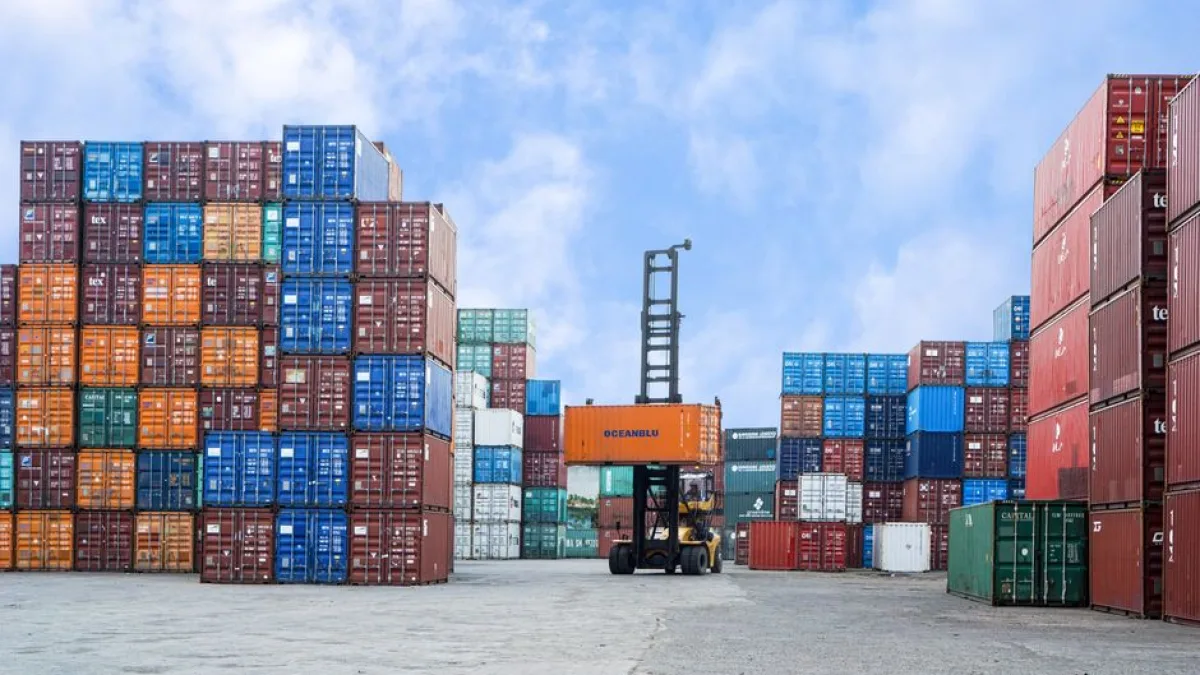
Efficient capacity management is the foundation of successful ocean freight operations, allowing forwarders to secure space during peak seasons. Utilizing digital tools helps track allocations, ensuring your team can reliably meet client demands without overcommitting or leaving valuable container slots underutilized.
- Real time scheduling: Access live carrier data to compare departure times and transit durations across various global routes to find the most efficient transport path for your cargo.
- Allocation tracking software: Monitor your pre-booked space with major shipping lines directly through your portal to prevent manual data entry errors and reduce the risk of rolling.
- Dynamic rate searching: Identify cost effective shipping options by pulling live pricing updates from multiple carriers simultaneously to ensure your quotes remain competitive in the market.
- Automated space booking: Submit shipping instructions and booking requests instantly via electronic data interchange to save time while ensuring accuracy in your critical supply chain documentation.
- Carrier performance analytics: Evaluate shipping line reliability metrics to choose partners who consistently deliver on time and help you maintain strong relationships with your loyal clients.
Optimizing capacity is not just about booking space but about maintaining agility in a volatile market. When you integrate capacity management into your core software workflow, you eliminate the friction of juggling spreadsheets and phone calls. This proactive approach empowers your team to navigate seasonal surges with confidence, ensuring that client expectations are consistently met even when global shipping conditions become difficult or unpredictable.
Streamlining Documentation and Compliance

Complex customs regulations and extensive documentation requirements often slow down cargo movement. Automating these administrative tasks minimizes delays and ensures that every bill of lading and commercial invoice adheres to international standards, keeping your operations moving through busy ports.
- Automated document generation: Produce standard shipping documents automatically using pre-filled templates that pull data from your existing cargo records to ensure total accuracy every single time.
- Compliance validation checks: Implement automated screening tools that cross reference your shipments against global customs databases to identify potential issues before they cause costly shipping delays.
- Cloud based document storage: Provide secure and centralized access to all historical shipping files for your staff members and clients to retrieve necessary information at any time.
- Digital signature integration: Collect essential client approvals and carrier authorizations electronically to bypass the slow process of printing, scanning, and emailing physical copies of your paperwork.
- Customs data transmission: Enable direct digital filing of manifest information to port authorities to streamline the release process and reduce your team burden during peak volumes.
Documentation accuracy is vital for maintaining a seamless supply chain. By removing manual entry from the equation, you significantly reduce the risk of human error and regulatory penalties. Your staff can then focus on higher value tasks, such as solving complex logistics problems or strengthening client relationships. A fully digitized documentation workflow is a key driver for long-term growth and operational excellence.
Enhancing Real Time Cargo Visibility
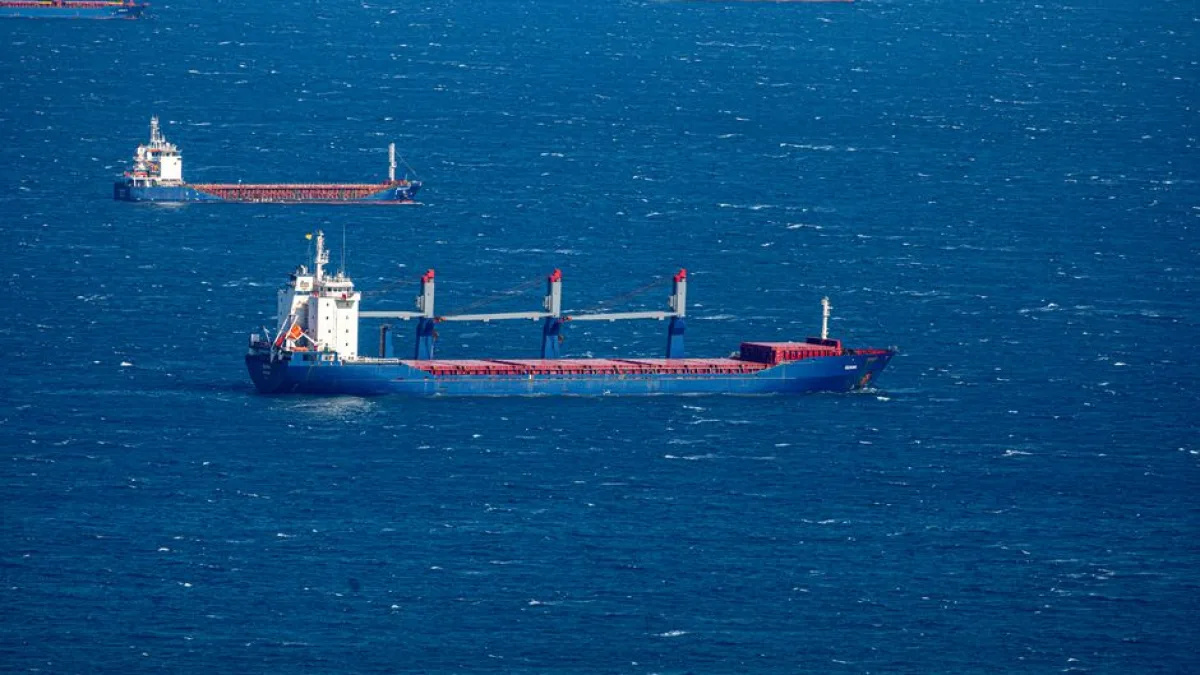
Visibility is the primary currency of modern freight forwarding, as clients expect instant updates on their ocean freight shipments. Integrating live tracking data provides transparency, allowing stakeholders to manage inventory effectively and react quickly to unexpected disruptions occurring along their planned ocean transit routes.
- Live GPS tracking: Integrate satellite data into your platform to provide clients with precise and accurate locations of their shipping containers at every step of transit.
- Automated status updates: Configure your software to send instant notifications to shippers whenever a shipment hits a key milestone like loading, discharge, or final arrival.
- Exception management alerts: Receive proactive warnings if a vessel is delayed or diverted so you can communicate changes to your clients before they cause disruption.
- Digital visibility dashboards: Visualize complex container movements through intuitive map interfaces that offer a comprehensive view of all active ocean freight currently in your care.
- Client portal access: Offer your customers a self service tracking interface that displays live status updates to reduce the number of inquiries hitting your office.
In the current competitive landscape, visibility is the standard expectation rather than a premium feature. Providing your clients with a transparent view of their cargo builds profound trust and establishes your firm as a reliable industry leader. When you leverage technology to provide accurate and timely tracking, you effectively differentiate your services from legacy competitors who struggle to communicate status updates to their customers.
Leveraging Data for Financial Growth

Financial health depends on accurate billing, profit tracking, and efficient invoicing. Digital freight platforms provide the necessary insights to manage cash flow, monitor margins per lane, and identify new opportunities for cost savings that keep your ocean freight operations profitable over time.
- Automated invoice reconciliation: Match carrier charges against original quotes to identify discrepancies and ensure that you are never overpaying for your essential freight forwarding services.
- Profitability analytics modules: Generate detailed reports on every shipment to see which ocean lanes provide the highest margins for your company and where to adjust.
- Dynamic cost management: Track fluctuating fuel surcharges and currency adjustments to ensure your pricing models remain profitable despite the constant movement in global fuel market costs.
- Integrated accounting sync: Push your logistics billing data directly into your corporate accounting system to save your finance team from double entry and manual bookkeeping.
- Vendor payment tracking: Keep a clear record of all carrier and agent payments to maintain healthy business relationships and avoid late fees or service interruptions.
Data driven decision making is essential for scaling a logistics firm profitably. By mastering your financial metrics, you gain a clear picture of what makes your business successful and where you might be losing money. These insights allow for strategic pivots, ensuring that every container moved contributes positively to your bottom line. Investing in robust financial tools is a smart move for sustainable success.
Conclusion
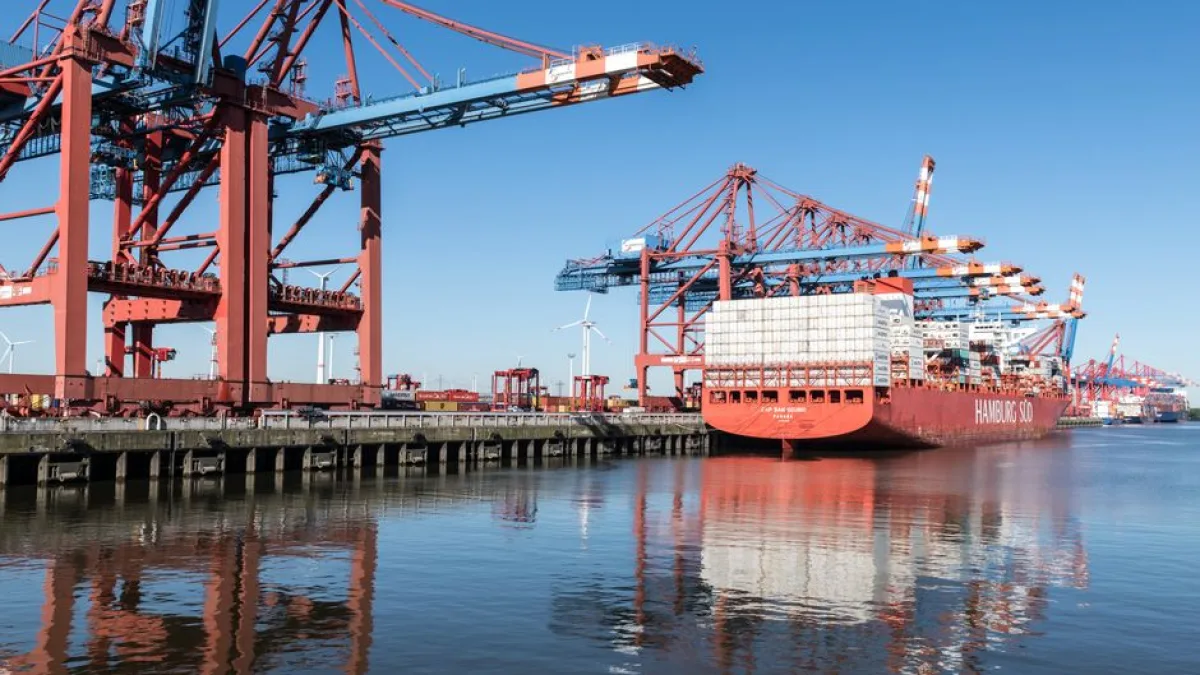
Transforming your ocean freight operations requires a commitment to digital tools that enhance efficiency and visibility. By prioritizing technology in capacity management, documentation, tracking, and financial oversight, you position your agency for long-term success. Now is the time to audit your existing workflows and embrace the modern digital solutions that define industry leaders. Start optimizing your freight forwarding processes with MakeCargo today for better results.