Optimizing Ocean Freight Logistics for Modern Freight Forwarders
Sunday, October 18 2026
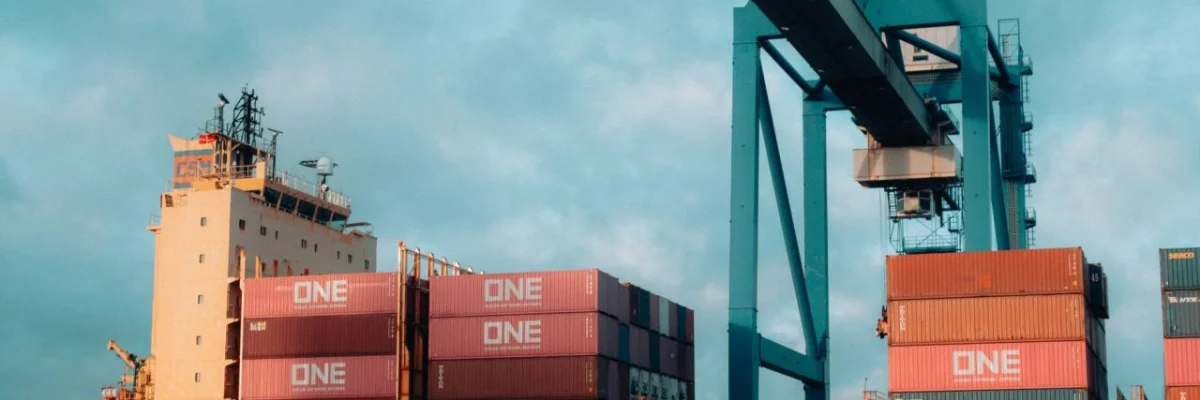
The global maritime industry remains the backbone of international trade, yet freight forwarders face increasing pressure to modernize their operations in an era of volatility. Rising bunker costs, unpredictable port congestion, and complex regulatory requirements demand a shift from legacy manual processes to integrated digital solutions. By leveraging cloud-based platforms, logistics providers can gain real-time visibility into their supply chains, optimize route planning, and improve collaboration with carriers. This transition not only reduces operational overhead but also builds the resilience necessary to navigate the complexities of ocean freight while delivering superior service value to shippers around the world.
Mastering Carrier Capacity Management
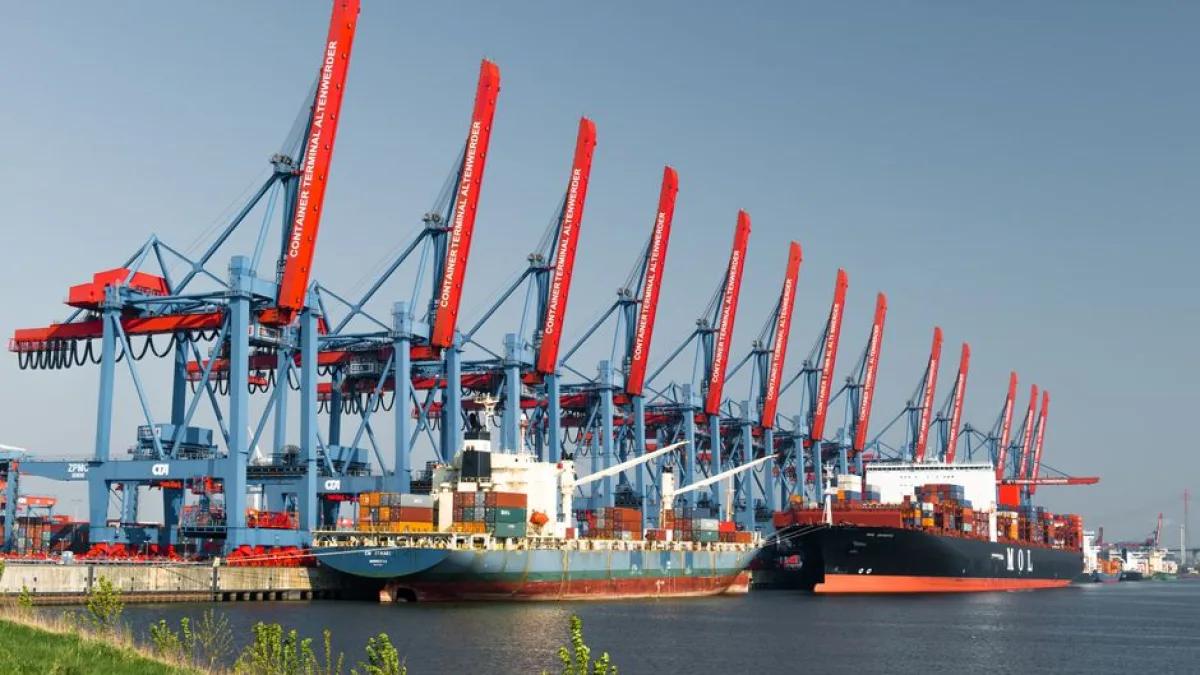
Effective capacity management involves balancing volume commitments with the shifting availability of space across various shipping lines. Forwarders must actively monitor carrier performance to ensure that space allocations align with customer requirements throughout the peak season and beyond.
- Strategic Space Booking: Securing allotments in advance allows freight forwarders to protect their customers from sudden market spikes and vessel space shortages that frequently disrupt critical global supply chains.
- Carrier Performance Tracking: Monitoring vessel reliability and schedule adherence helps logistics providers select the best partners for their clients based on historical transit data rather than just initial rates.
- Volume Commitment Balancing: Balancing minimum quantity commitments with actual demand requires precise analytical tools that can forecast shipping volumes and adjust allocations to avoid costly penalty fees for underutilization.
- Direct API Integration: Connecting systems directly with carrier platforms enables instant booking confirmations and real time updates, significantly reducing the administrative burden of manual data entry for operational staff.
Optimizing capacity is not merely about finding space, but about building strategic partnerships that withstand market fluctuations. When forwarders utilize sophisticated software to analyze carrier reliability and load factors, they transform capacity management from a reactive chore into a competitive advantage. This systematic approach empowers teams to confidently manage high volume accounts while maintaining the agility required to pivot when unexpected disruption occurs on trade lanes.
Streamlining Documentation and Compliance

Accurate documentation is the foundation of smooth maritime operations, yet manual processing remains a significant bottleneck for many firms. Automating the flow of bills of lading and customs declarations reduces human error and accelerates the clearance process at ports.
- Automated Document Generation: Cloud based systems automatically pull data from booking records to populate shipping documents, ensuring that every piece of paperwork remains consistent and legally compliant throughout transit.
- Centralized Digital Repository: Storing all shipping files in a secure cloud environment allows remote teams to access vital records instantly, improving communication with customs agents and overseas partners.
- Real Time Compliance Checks: Integrated software solutions flag missing information or regulatory errors before submission, preventing costly delays and heavy fines during the complex international customs clearance verification process.
- Electronic Signatures Integration: Implementing digital signing workflows speeds up the approval process, eliminating the need for printing, scanning, or courier services when managing international trade shipping documents across borders.
Digital documentation transforms the traditionally slow customs process into a fast and reliable workflow for logistics professionals. By minimizing manual intervention, teams can process higher volumes of cargo without sacrificing accuracy. This transition reduces the administrative stress on logistics teams and provides shippers with the confidence that their cargo will move through port authorities with minimal friction and no avoidable delays.
Enhancing Real Time Cargo Visibility

Visibility has become the most critical metric for shippers who need to know exactly where their cargo is located. Modern cloud platforms provide granular tracking updates that allow forwarders to communicate proactively with their clients regarding vessel status.
- Automated Tracking Notifications: System generated alerts inform customers of milestone changes automatically, reducing the time your staff spends answering routine status inquiries via email or phone calls daily.
- Interactive Dashboard Analytics: Customizable dashboards provide a comprehensive view of all active shipments, allowing operations managers to identify potential bottlenecks before they impact final delivery schedules for clients.
- Exception Management Alerts: Sophisticated monitoring tools trigger instant notifications when a shipment misses a connection or experiences a delay, enabling teams to offer alternative routing solutions to customers.
- Enhanced Client Portals: Providing your shippers with a secure portal to track their own containers creates transparency and builds long term trust in your company service capabilities.
Providing real time visibility is no longer an optional feature but an essential requirement for client retention in the shipping sector. When forwarders proactively share precise tracking data, they reduce the anxiety inherent in ocean logistics. This level of transparency fosters stronger partnerships, as shippers feel informed and empowered to make better decisions regarding their internal inventory planning and distribution strategies worldwide.
Driving Operational Cost Efficiency

Reducing operational costs requires a focus on automating repetitive tasks and optimizing the utilization of resources. Cloud based freight software enables forwarders to identify inefficiencies and reallocate their budget toward growth rather than manual processing overhead.
- Automated Invoicing Workflows: Replacing manual billing with automated systems ensures that all charges are accurate and distributed on time, significantly improving your company cash flow and reducing errors.
- Resource Optimization Tools: Software insights help managers determine which shipping routes are most profitable, allowing teams to prioritize these paths for higher margin growth and better results.
- Supplier Cost Benchmarking: Analyzing historical freight costs allows firms to negotiate better rates with carriers, ensuring that the forwarder remains profitable while providing competitive pricing for their customers.
- Cloud Scalability Benefits: Using a cloud based platform allows businesses to scale their operations effortlessly during busy seasons without the need for expensive hardware or additional staff.
Operational efficiency is the primary driver of profitability in the competitive world of ocean freight. By automating manual workflows and focusing on data driven cost management, freight forwarders can significantly improve their profit margins. This strategic shift creates a lean organization capable of handling increased shipping volumes with ease, ensuring the business stays ahead of rivals while consistently meeting diverse customer demands.
Conclusion

Modernizing your ocean freight operations is essential for thriving in the current logistics landscape. By adopting cloud software that automates manual tasks, improves tracking transparency, and enhances carrier management, your firm gains the agility to scale and succeed. Start optimizing your workflows with MakeCargo today to provide superior service, reduce operational errors, and ensure your logistics business remains profitable in an increasingly digital world.