Optimizing Ocean Freight Logistics for Modern Forwarders
Tuesday, October 20 2026
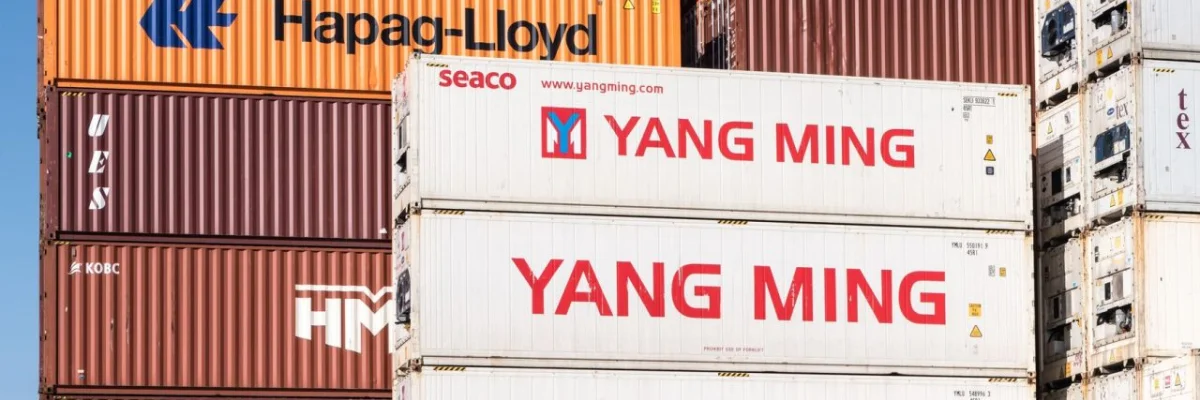
The global shipping industry faces unprecedented challenges that demand smarter operational strategies and advanced digital infrastructure for long-term success. Freight forwarders are increasingly tasked with managing complex supply chains while navigating volatile market fluctuations and tightening capacity constraints. To remain competitive in this fast-paced environment, logistics providers must embrace automated tools that offer real-time visibility and robust data management. This article examines the essential pillars of modern ocean freight operations, focusing on how cloud-based platforms and strategic planning empower businesses to improve margins, enhance customer satisfaction, and achieve greater operational agility in an evolving international maritime market.
Leveraging Real-time Visibility
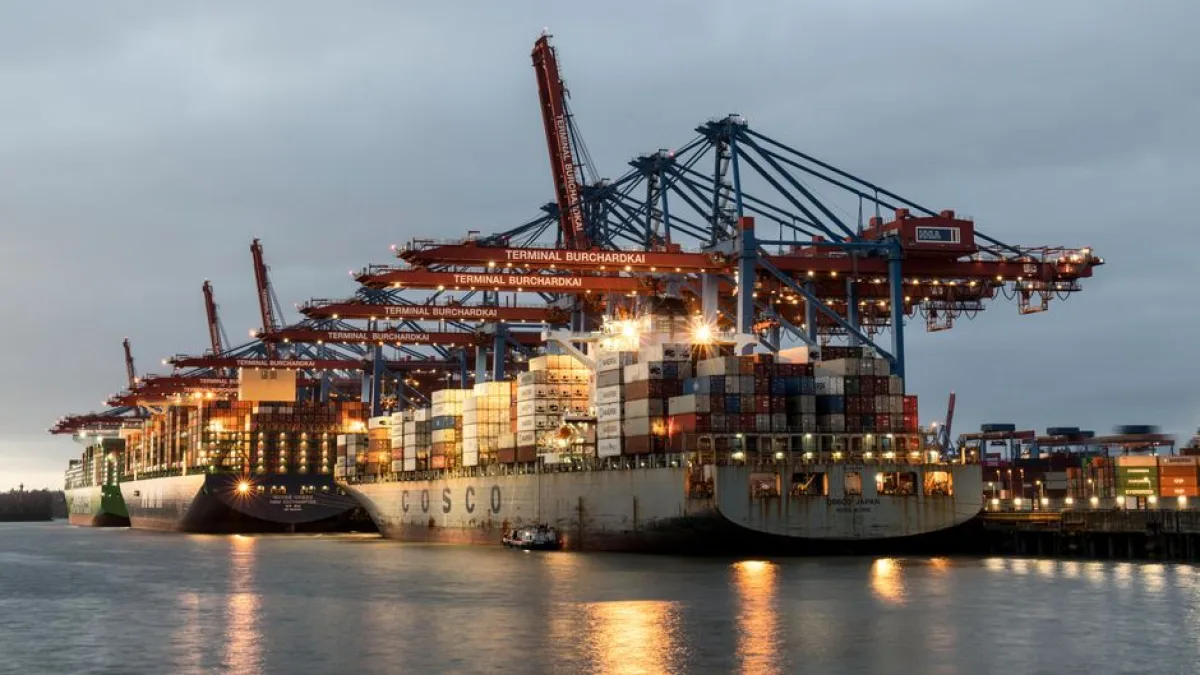
Advanced tracking technology provides freight forwarders with precise location updates and status notifications. By integrating real-time data into your daily operations, you gain the ability to proactively address potential delays and maintain transparent communication with your clients throughout the transit.
- Improved shipment monitoring: Digital dashboards allow your team to track multiple ocean containers simultaneously while receiving automated alerts regarding port congestion or schedule changes to keep your operations running smoothly.
- Proactive delay management: Early detection of potential bottlenecks enables your staff to reroute shipments or adjust delivery expectations before issues escalate into costly problems for your valued logistics clients.
- Client portal transparency: Offering customers direct access to their shipment data increases trust and reduces the administrative burden of manual status updates handled by your customer service team.
- Data driven decisions: Accessing historical transit performance analytics allows your firm to select carriers that consistently meet reliability standards and avoid partners prone to excessive service disruptions.
Integrating real-time visibility tools transforms your freight forwarding business by shifting your focus from reactive firefighting to strategic supply chain management. When your team can identify potential delays before they impact delivery schedules, you effectively reduce operational friction and build a reputation for reliability. This level of transparency is no longer optional but a baseline requirement for maintaining strong relationships with global trade partners.
Optimizing Container Space Utilization
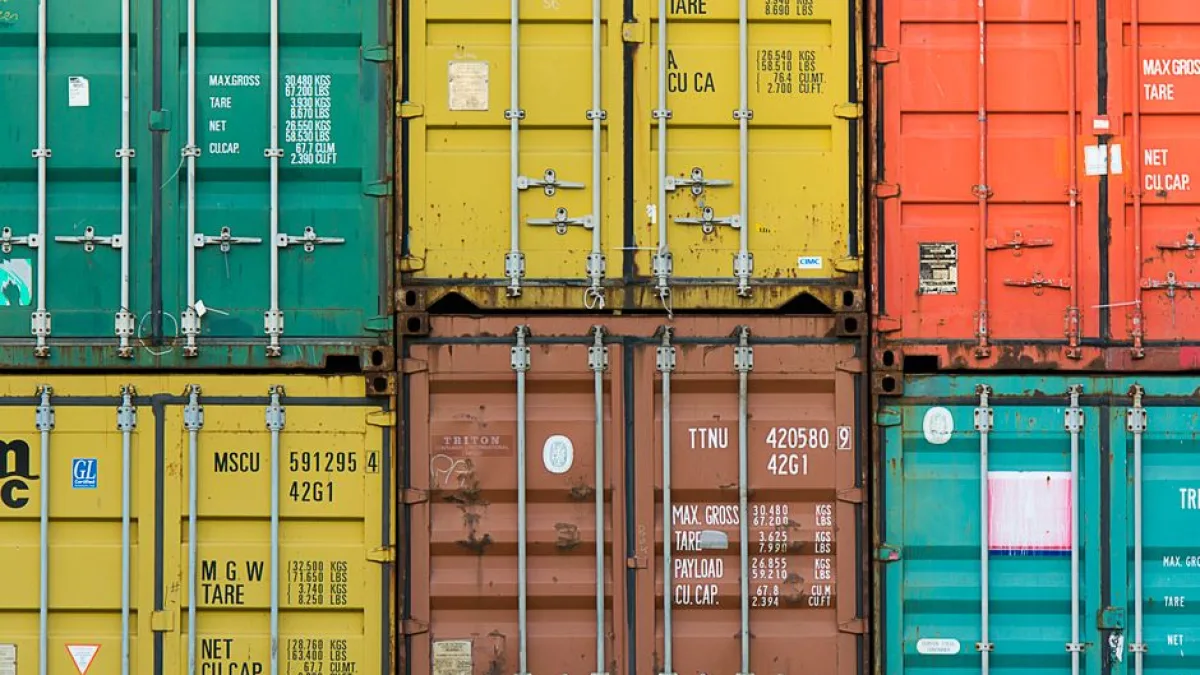
Efficiently managing space inside shipping containers is vital for minimizing costs and maximizing revenue per voyage. Freight forwarders who implement smart consolidation strategies can significantly lower shipping expenses while ensuring that client cargo remains safe and secure during transit.
- Advanced load planning: Utilizing automated software to calculate precise volume usage helps your team maximize every square inch of space for FCL and LCL shipments across major lanes.
- Strategic consolidation efforts: Combining smaller loads from multiple shippers into a single container optimizes cost efficiency and improves your margin on competitive routes without sacrificing service quality levels.
- Weight distribution analysis: Ensuring balanced cargo weight prevents safety hazards and potential port fines while protecting the integrity of the container throughout its long international journey at sea.
- Automated invoicing processes: Accurate measurement data from load planning tools ensures that you bill clients correctly for actual space consumed, eliminating disputes and preventing revenue leakage issues.
Optimizing how you pack and manage container space is a direct path to improved profitability for your firm. By prioritizing precise load planning and effective consolidation strategies, you maximize the utility of every vessel shipment while keeping costs manageable. Your ability to consistently deliver cost effective shipping solutions will differentiate your brand in a crowded market and support long-term business growth goals.
Streamlining Documentation Workflows

Paperwork remains a significant bottleneck in maritime logistics, often causing costly delays at customs and ports. Modernizing your document management process ensures that all compliance requirements are met swiftly, keeping your ocean freight shipments moving without unnecessary administrative hurdles.
- Automated filing systems: Centralizing all shipping documents in a cloud environment reduces the risk of lost files and accelerates the preparation of essential customs and export documentation.
- Error reduction measures: Implementing digital verification steps ensures that commercial invoices and bills of lading are accurate, which prevents expensive delays caused by minor clerical mistakes at borders.
- Compliance tracking updates: Digital systems provide automatic reminders for expiring permits or licenses, ensuring your firm remains compliant with changing international maritime regulations and safety standards today.
- Paperless operational shifts: Transitioning to electronic documentation formats significantly cuts printing costs and saves valuable time for staff who would otherwise handle manual physical processing for shipments.
Eliminating paper-heavy workflows is essential for forwarders aiming to increase their operational speed and accuracy. By adopting digital documentation solutions, your team spends less time processing static files and more time delivering high value logistics services to your customers. Streamlined workflows decrease the administrative burden on your staff, resulting in fewer errors, faster port clearances, and a more efficient overall shipping experience.
Managing Carrier Relationships Effectively
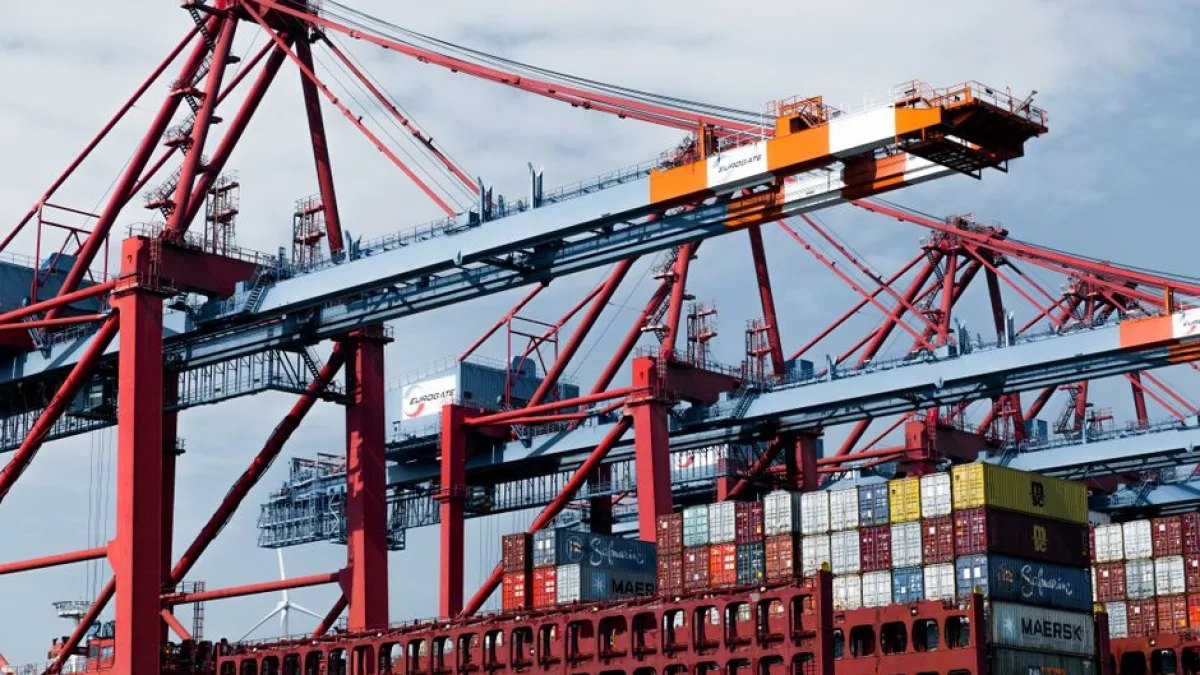
Building strong partnerships with ocean carriers is vital for securing space and favorable rates during periods of high demand. Maintaining a proactive approach to communication and contract management ensures that your firm receives priority service and consistent support from your shipping line partners.
- Contract negotiation leverage: Leveraging accurate historical data regarding your shipping volumes helps you negotiate better service agreements and more competitive rates with key ocean carriers during renewals.
- Performance evaluation metrics: Regularly reviewing carrier performance through scorecards enables you to hold your partners accountable for service promises, transit times, and equipment availability on specific lanes.
- Open communication lines: Maintaining consistent contact with carrier representatives fosters collaborative relationships that often lead to better problem solving when unexpected disruptions occur within the global supply chain.
- Equipment priority access: Cultivating deep relationships with major carriers often results in improved access to limited equipment pools, ensuring that your shipments depart on time despite market fluctuations.
Active relationship management turns transactional carrier interactions into strategic partnerships that drive your business success. When you treat your ocean carriers as long-term allies rather than just vendors, you gain better access to capacity and improved service reliability. This collaborative approach provides your logistics firm with the stability needed to navigate volatile markets while delivering consistent and dependable shipping results for your clients.
Conclusion
Mastering ocean freight logistics requires a blend of technology, strategic planning, and strong industry partnerships. By focusing on real-time visibility, container space efficiency, streamlined documentation, and carrier relationships, your freight forwarding business can achieve a significant competitive advantage. Leverage cloud-based solutions to optimize your workflows and stay ahead of the curve. Build a more resilient and profitable logistics operation with the right digital tools.