Optimizing Ocean Freight Logistics for Modern Forwarders
Friday, October 23 2026
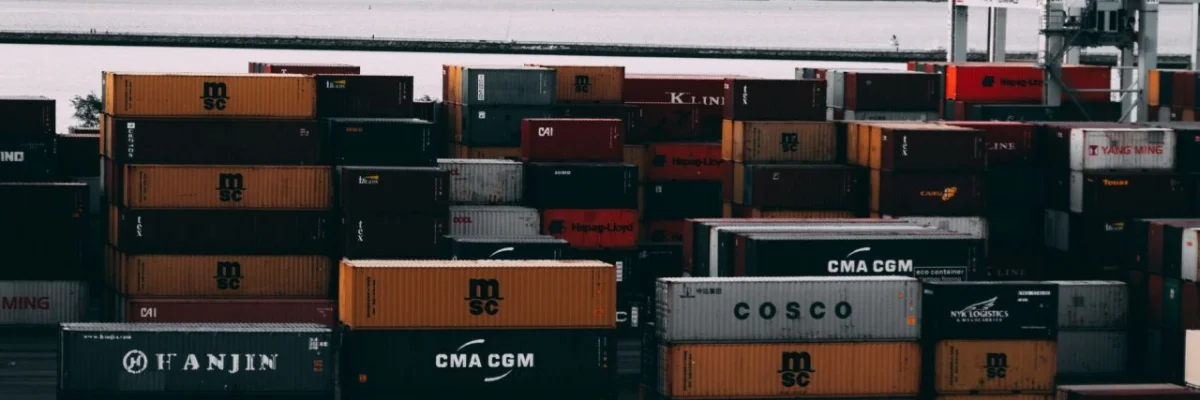
The global ocean freight landscape continues to undergo rapid transformation, driven by digital disruption and volatile supply chains. Freight forwarders are increasingly tasked with navigating complex port congestion, fluctuating capacity, and heightened customer expectations for transparency. Moving beyond traditional manual processes is no longer optional for firms aiming to maintain profitability and service quality. By integrating cloud based platforms like MakeCargo, forwarders can unlock significant operational efficiencies. This article examines key strategies for modernizing your ocean logistics workflow, ensuring your business remains competitive while delivering reliable, data driven shipping solutions in an unpredictable global trade environment.
Leveraging Real Time Visibility
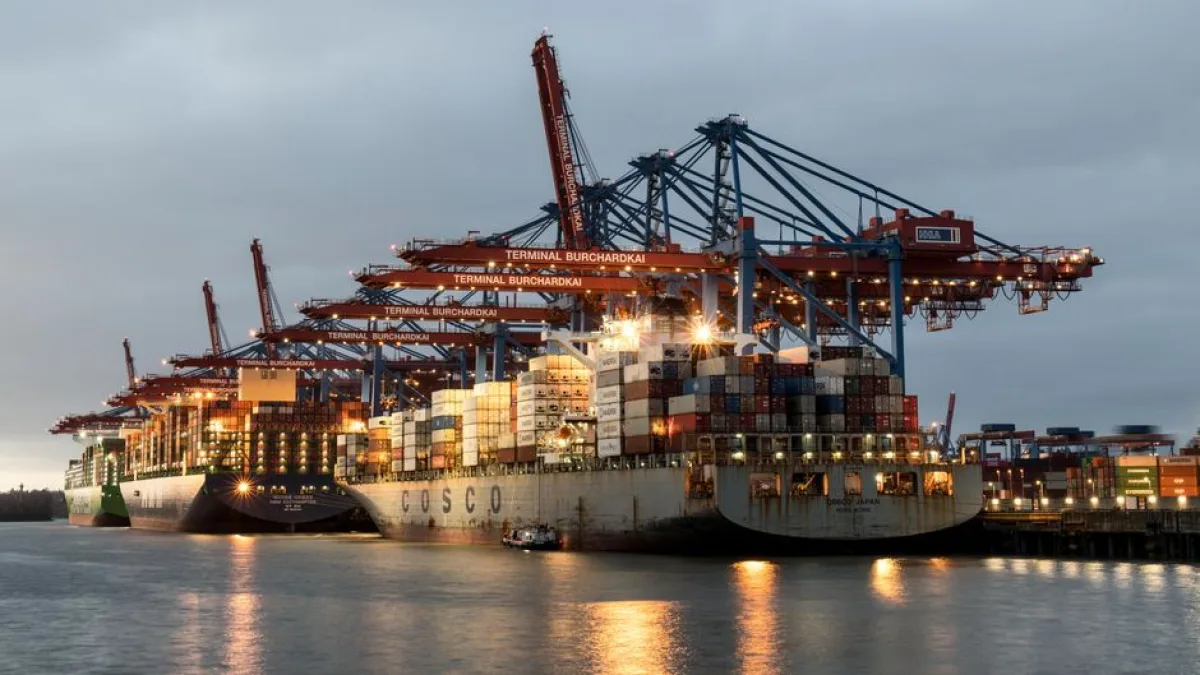
Real time tracking tools empower freight forwarders to provide clients with precise status updates throughout the entire ocean journey. By eliminating communication gaps, teams can proactively manage disruptions and maintain high levels of trust with stakeholders who prioritize transparency.
- Proactive Incident Management: Advanced tracking solutions alert your team to vessel delays or port congestion immediately so you can notify shippers before issues escalate into major operational bottlenecks.
- Data Driven Decisions: Accessing live shipment data allows forwarders to analyze performance metrics and optimize carrier selection based on actual historical reliability rather than just estimated transit times.
- Client Portal Integration: Providing customers with a branded self service portal reduces repetitive status requests and allows your support staff to focus on solving high value logistical problems.
- Automated Milestone Alerts: Configurable notifications ensure that your internal teams and external clients receive automatic status updates at every stage of the shipment lifecycle without manual input.
Adopting digital visibility tools transforms the client experience from reactive to proactive communication. Instead of fielding constant status inquiries, your team can utilize automated notifications to keep all parties informed. This shift reduces administrative workload significantly while simultaneously building stronger long term partnerships. When clients trust your visibility capabilities, they are more likely to commit to larger shipment volumes and extended service agreements.
Automating Complex Documentation

Managing maritime documents manually remains a significant time sink for most freight forwarding operations. Transitioning to automated documentation workflows helps eliminate human error, ensures compliance with international maritime regulations, and accelerates the release of critical shipping paperwork for clients.
- Seamless Digital Filings: Automation software allows you to generate bills of lading and commercial invoices rapidly while ensuring that all mandatory fields meet strict customs requirements.
- Centralized Document Storage: Cloud based systems provide a single source of truth for all shipping documents, preventing data loss and simplifying the retrieval process during audits.
- Customs Compliance Checking: Intelligent validation tools flag potential errors in shipping documents before they are submitted to authorities, saving valuable time and preventing costly customs delays.
- Integrated Signature Workflows: Digital signature features allow for rapid document approval and execution, bypassing the slow and cumbersome processes associated with traditional paper based shipping documentation cycles.
Streamlined documentation processes are essential for maintaining a high velocity supply chain in the ocean freight sector. By minimizing the time spent on repetitive data entry, your staff can dedicate more effort to strategic account growth and complex problem solving. Consistent and accurate documentation reduces the risk of fines and detention fees, ultimately protecting your profit margins in this competitive market.
Optimizing Carrier Procurement

Strategic procurement requires deep analysis of carrier capacity and fluctuating ocean freight rates. Forwarders who utilize smart software to compare carrier performance and pricing can secure better margins while providing shippers with the most cost effective routing options available.
- Centralized Rate Management: Storing all carrier contracts in one accessible digital database makes it easy for sales teams to quote prices quickly and accurately to customers.
- Comparative Performance Analysis: Evaluating carriers based on documented transit times and reliability scores ensures you choose the best partners for specific shipping lanes and cargo types.
- Instant Quotation Tools: Automated quoting engines allow your team to generate professional freight quotes in seconds by pulling live rate data from multiple carriers simultaneously today.
- Market Trend Analytics: Software tools help track historical rate trends, allowing your procurement team to negotiate better volume agreements with carriers based on accurate seasonal demand forecasting.
Improving how you manage carrier relationships directly impacts your company bottom line. With the right software, you gain the ability to leverage data when negotiating rates, ensuring you always offer competitive pricing without sacrificing service quality. This analytical approach to procurement minimizes risk and helps you build a resilient carrier network capable of handling the inevitable fluctuations of global shipping demand.
Emphasizing Scalable Technology Adoption
Scaling your freight forwarding business requires a robust digital infrastructure that grows with your transaction volume. Cloud platforms provide the flexibility to add new users, integrate with different systems, and expand services without needing significant upgrades to your underlying software.
- Cloud Based Flexibility: Access your logistics platform from any device or location, ensuring that your global team remains synchronized and efficient regardless of their physical work environment.
- API Integration Capability: Connecting your freight software with accounting, warehouse, and customs systems creates a unified workflow that minimizes data silos and eliminates redundant entry tasks.
- Secure Data Backups: Automated cloud backups protect your company from data loss events, ensuring that critical shipping information is always available even during system failures or incidents.
- Scalable User Management: Easily grant or revoke system access as your company expands, ensuring that your growing staff has exactly the permissions they need to succeed daily.
Investing in scalable technology is the foundation of long term growth for any freight forwarding firm. By moving away from local servers to a cloud based ecosystem, you gain the agility needed to respond to shifting market conditions. This operational resilience allows you to handle increased shipment volumes efficiently, ensuring that your infrastructure supports your business ambitions rather than acting as a major constraint.
Conclusion

Modernizing your ocean freight operations requires a strategic combination of digital tools and efficient workflows. By prioritizing visibility, automation, and data driven decision making, you position your forwarding firm for sustained growth. Embracing cloud based platforms like MakeCargo ensures you remain competitive while delivering superior value to your clients. Start optimizing your digital logistics strategy today to thrive in the complex global marketplace.