Optimizing Ocean Freight Logistics for Modern Freight Forwarders
Sunday, October 25 2026

The global shipping landscape is undergoing a massive transformation driven by digital integration and shifting supply chain demands. For freight forwarders, the complexity of managing ocean freight requires more than just traditional coordination; it demands real-time data visibility and proactive exception management. As cargo volumes fluctuate and port congestion continues to challenge operational schedules, professionals must adopt advanced cloud-based technologies to remain competitive. By leveraging modern software platforms, forwarders can automate tedious documentation processes, improve communication with carriers, and provide clients with accurate tracking information. Mastering these logistics workflows is essential for scaling your business and ensuring long-term profitability in the volatile maritime market.
Digital Documentation Efficiency
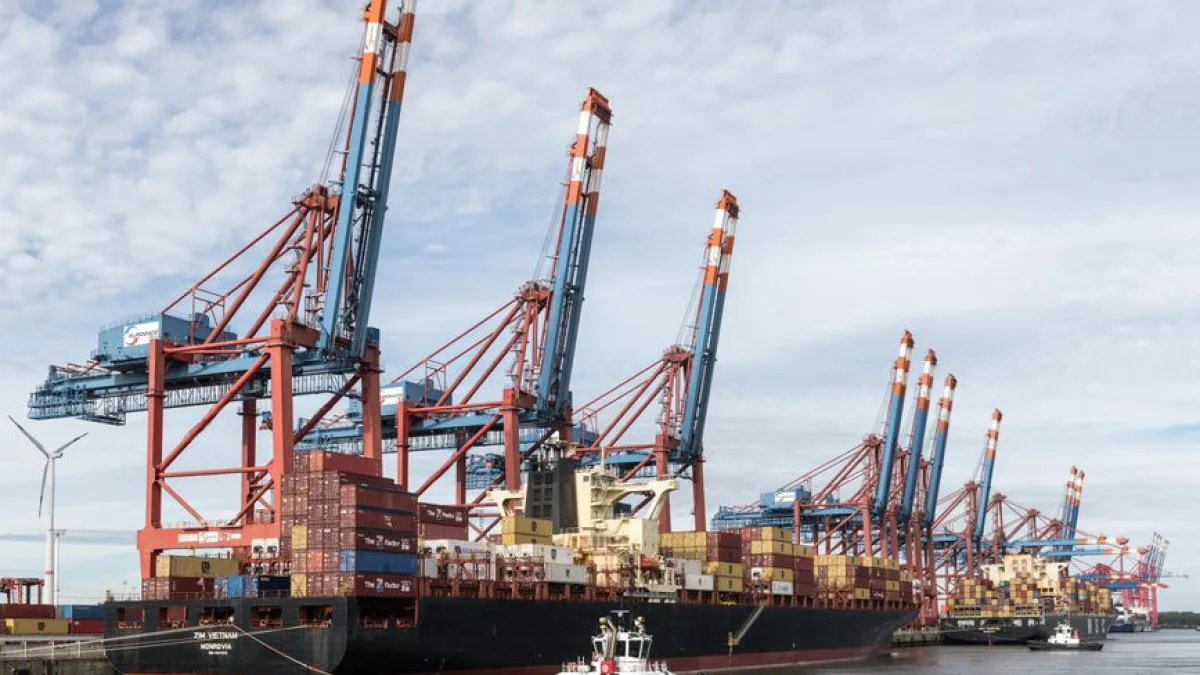
Digital documentation remains a core pillar for modern ocean freight logistics, reducing the reliance on paper processes. Streamlining your paperwork flow minimizes human error and significantly speeds up the clearance process while ensuring compliance with international maritime trade regulations.
- Automated Bill Lading: Generate standardized bills of lading instantly by pulling data from your existing booking systems, which drastically reduces manual entry time and prevents costly shipping documentation errors.
- Secure Cloud Storage: Maintain a centralized repository for all your shipping documents, allowing authorized team members to access critical clearance files from any location around the world immediately.
- Real-time Custom Integration: Connect your documentation platform directly with customs authorities to facilitate rapid information exchange, ensuring that your shipments face fewer delays during the critical port clearance.
- Digital Signature Compliance: Utilize integrated e-signature tools to finalize contracts and delivery notes remotely, which accelerates the entire booking lifecycle and keeps your operational workflow moving forward quickly.
Adopting a paperless strategy does more than save time on administrative tasks, as it also improves the overall accuracy of your shipping records. When data flows seamlessly between systems, your team can resolve discrepancies faster and keep stakeholders updated. This transition to digital-first documentation provides a clear audit trail that is indispensable for handling complex audits and maintaining high levels of professional service quality.
Enhanced Visibility Tools

Real-time visibility allows forwarders to monitor cargo status throughout the entire ocean transit journey. Providing clients with accurate, up-to-the-minute updates builds immense trust and helps manage expectations when unexpected delays occur due to port traffic or bad weather conditions.
- Live Tracking Dashboards: Integrate live GPS tracking data into your client portal, offering customers a transparent view of their container progress without requiring constant manual status update emails.
- Automated Milestone Alerts: Configure your software to send proactive notifications to clients at key points in the journey, such as vessel departure, arrival at port, and customs clearance.
- Exception Management Reporting: Gain immediate insights into shipping bottlenecks with automated alerts, allowing your team to re-route cargo or communicate delays to clients before they become major issues.
- Carrier Data Integration: Sync your software with major ocean carriers to pull schedule changes directly into your dashboard, ensuring that your planning remains accurate and fully updated.
Superior visibility transforms the client experience from a reactive process into a proactive partnership. By offering tools that allow customers to see exactly where their freight is located, you differentiate your service in a crowded market. This level of transparency reduces support costs by minimizing routine inquiries, ultimately empowering your team to focus their energy on high-value logistics challenges and strategic growth.
Optimized Carrier Management
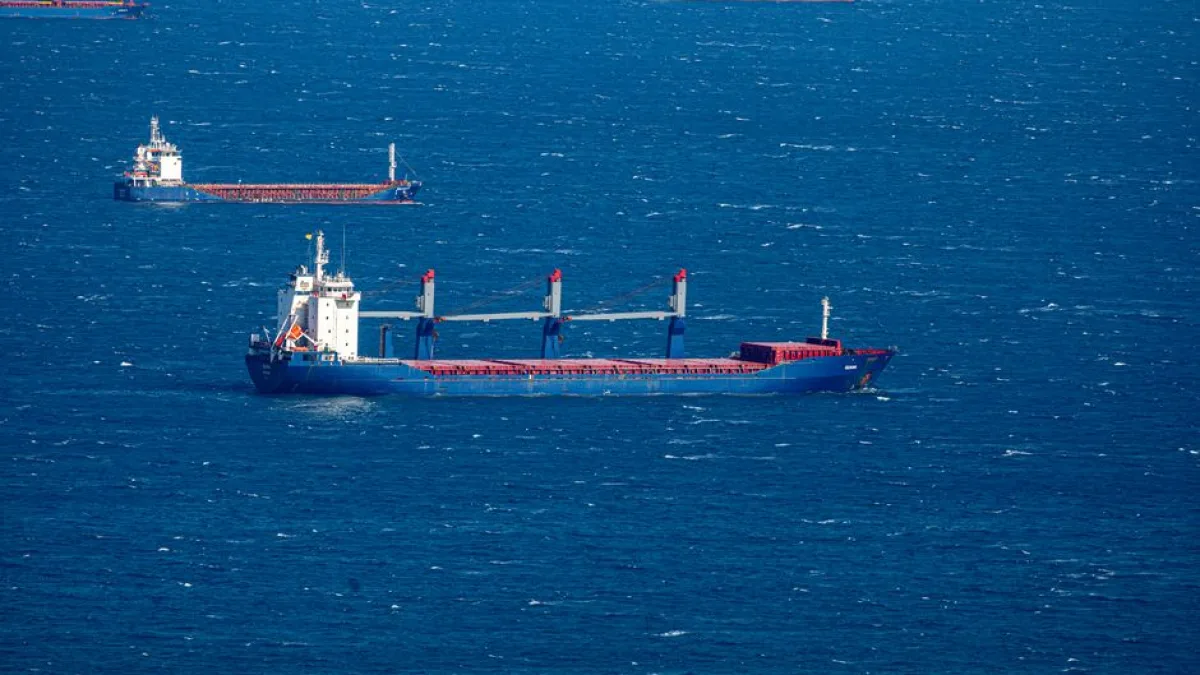
Managing relationships with ocean carriers requires balancing cost, reliability, and transit times for every shipment. Effective carrier management software enables forwarders to compare various shipping lanes, ensuring that you select the best partner for every specific client request.
- Dynamic Rate Comparison: Utilize built-in tools to compare live freight rates across multiple carriers, enabling your team to secure the most cost-effective solutions for your customer base.
- Carrier Performance Analytics: Review historical performance data for different carriers to identify who offers the most reliable service, which helps in negotiating future contracts and service agreements.
- Centralized Communication Hubs: Keep all carrier correspondence within the platform to ensure that every team member understands the status of ongoing negotiations and specific shipment container requirements.
- Smart Booking Management: Streamline the booking process by submitting requests directly to carriers through your platform, which eliminates the need for separate portals and disconnected software applications.
Refining how you handle carrier relationships is a vital step toward achieving long-term operational excellence. When your team has access to centralized data regarding rates and performance, you make informed decisions that benefit your bottom line. Investing in carrier management software ensures that you are always selecting the optimal route and price, providing your clients with the best value while increasing your profit margins.
Streamlined Workflow Automation

Automation is the engine that drives efficiency in ocean freight forwarding, removing repetitive tasks from your daily schedule. By automating routine workflows, you allow your logistics professionals to dedicate more time to strategic decision-making and client relationship management growth.
- Task Assignment Automation: Automatically distribute incoming booking requests to the appropriate team members based on their specialization, which ensures that no customer request is ever overlooked or delayed.
- Customizable Workflow Triggers: Set up automated triggers that initiate specific actions when a shipment status changes, ensuring that all necessary tasks are completed on time for every.
- Integrated Accounting Tools: Link your shipping operations directly to your accounting software to automate invoicing, which reduces the time spent on manual billing and improves cash flow.
- Batch Processing Capabilities: Manage multiple shipments simultaneously through batch processing features, allowing your staff to handle higher cargo volumes without needing to increase the size of your team.
Workflow automation is the key to scaling your freight forwarding business without increasing overhead costs. By identifying repetitive processes and applying intelligent software solutions, you create a robust foundation for consistent growth. Your team will experience fewer bottlenecks, higher productivity, and increased job satisfaction, as they spend less time on manual entry and more time delivering exceptional results for your global shipping clients.
Conclusion

Modernizing your ocean freight operations is no longer optional for forwarders aiming to stay relevant in a competitive industry. By leveraging cloud-based platforms to integrate documentation, tracking, and carrier management, your business becomes more agile and responsive. Start implementing these digital solutions today to reduce your administrative burden, improve service reliability, and create a sustainable path toward increased profitability and long-term success in logistics.