Optimizing Ocean Freight Logistics for Modern Freight Forwarders
Tuesday, October 27 2026
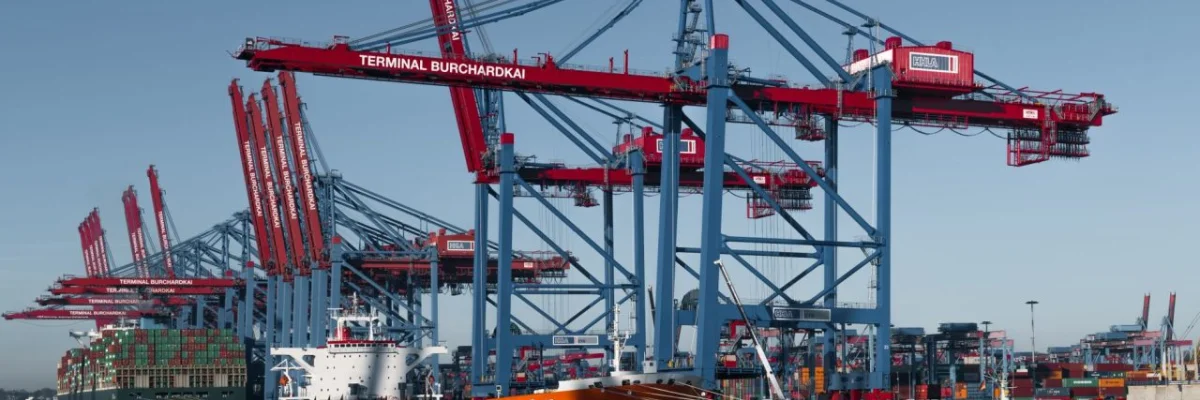
The global maritime landscape remains the backbone of international trade, yet freight forwarders face increasing pressure to modernize their operations amidst rising complexity. Fluctuating carrier rates, unexpected port congestion, and the urgent need for real-time visibility require a shift toward digitized workflows. By leveraging cloud-based platforms like MakeCargo, forwarders can transition from manual spreadsheet tracking to automated, data-driven decision making. This evolution not only reduces administrative overhead but also empowers teams to provide superior customer service. Staying competitive in this fast-paced industry demands embracing technological transformation to handle the intricate challenges inherent in modern global ocean freight management today.
Streamlining Carrier Operations
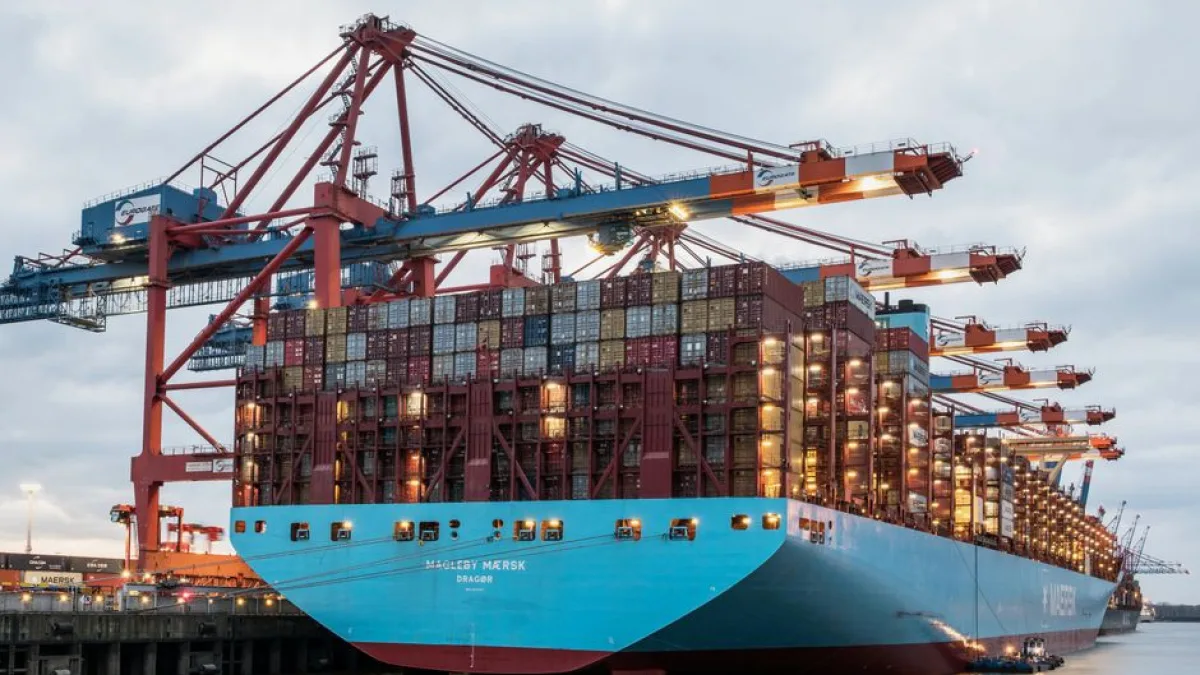
Effective carrier management is the cornerstone of a successful freight forwarding business. By centralizing communication and documentation, teams can avoid the pitfalls of manual errors while ensuring that every shipment remains on track from origin to final destination warehouse.
- Centralized Documentation Management: Consolidating bills of lading and commercial invoices in one cloud system eliminates data silos, allowing your entire team to access critical shipment information with absolute speed.
- Automated Rate Requests: Leveraging digital platforms allows your procurement team to send automated rate inquiries to multiple carriers simultaneously, significantly reducing the time spent on manual quoting processes.
- Carrier Performance Tracking: Maintain detailed records of carrier reliability by tracking historical transit times and service quality to make informed decisions for future client routing and bookings.
- Instant Booking Confirmations: Real-time integrations with major shipping lines ensure that your booking confirmations are processed instantly, removing the latency that often leads to costly cargo delays.
Digital transformation in carrier operations creates a seamless flow of information that reduces human error and accelerates processing times. Forwarders who prioritize these automated workflows gain a distinct advantage in a crowded market by offering reliable, timely service to their clients. Embracing software solutions is no longer an optional luxury but a necessity for those aiming to scale their operations in modern logistics.
Enhancing Real-time Shipment Visibility

Providing clients with precise status updates is a core differentiator for top-tier forwarders. Modern cloud platforms utilize API connections to deliver continuous tracking updates, ensuring that stakeholders remain informed about vessel locations and any potential port delays at all times.
- Live Vessel Tracking: Integrate live vessel geolocation data directly into your dashboard to provide your customers with accurate arrival estimates and proactive notifications regarding any schedule deviations.
- Automated Status Alerts: Configure your system to send automated email or SMS updates to clients whenever a shipment moves between key milestones in the transit supply chain.
- Exception Management Workflows: Utilize intelligent software alerts to flag shipments that exceed expected transit windows, allowing your team to resolve potential disruptions before they impact final delivery.
- Client Portal Access: Grant your high-value customers direct access to a branded portal where they can view their shipment statuses independently, reducing their reliance on manual inquiries.
Transparency builds long-term trust in the freight forwarding industry, turning casual clients into loyal partners. By utilizing automated tracking tools, your team can focus on complex problem solving instead of answering repetitive status update requests. This shift in focus elevates the overall customer experience and demonstrates a commitment to operational excellence that sets your brand apart in a competitive global market.
Optimizing Freight Cost Management

Profit margins are often thin in ocean freight, making cost management a vital strategic priority. Detailed financial reporting and automated billing help forwarders capture hidden costs and maximize their revenue on every single shipment processed through the logistics network.
- Accurate Cost Allocation: Break down complex freight charges to ensure that every accessory fee is correctly attributed to the specific shipment, preventing revenue leakage across your operations.
- Automated Invoice Auditing: Utilize intelligent software to cross-reference carrier invoices against initial quotes to identify discrepancies, ensuring you never overpay for services rendered by external shipping lines.
- Dynamic Profit Analysis: Generate detailed reports on profit margins per shipment, trade lane, or client to help your management team identify the most profitable growth areas.
- Efficient Billing Cycles: Streamline your invoicing process by generating digital bills as soon as proof of delivery is received, significantly improving your company's overall cash flow.
Mastering financial data is essential for maintaining healthy growth in the freight forwarding sector. When you have full control over your cost structures and billing processes, your firm can make data-backed pricing decisions that protect margins while remaining competitive. Transforming your financial workflows through digital platforms ensures that your back-office operations are as efficient and robust as your frontline logistical capabilities.
Building Scalable Freight Infrastructure

As your forwarding business grows, the need for scalable software infrastructure becomes apparent. Moving beyond legacy systems allows your team to handle higher container volumes without requiring additional headcount, effectively boosting overall productivity and operational efficiency across the enterprise.
- Seamless Team Collaboration: Enable remote and office staff to work from a single source of truth, ensuring that every team member has the context needed for success.
- Standardized Operational Processes: Build repeatable task templates within your software to ensure that every shipment follows your company's quality control standards, regardless of which team manages it.
- Data Security Compliance: Protect sensitive client and shipment data with robust, cloud-based security measures that meet industry standards for privacy, reliability, and continuous uptime for operations.
- Customizable Reporting Modules: Leverage advanced analytics to gain insights into your operational performance, identifying bottlenecks and opportunities to optimize your workflow for maximum output and capacity.
Scaling a logistics business requires a foundation built on agility and consistent performance. By moving your infrastructure to the cloud, you ensure that your firm can adapt to seasonal peaks and industry fluctuations with ease. Investing in scalable technology today prepares your team to handle the increasing complexities of tomorrow, ensuring that your operations remain resilient, efficient, and profitable for years ahead.
Conclusion
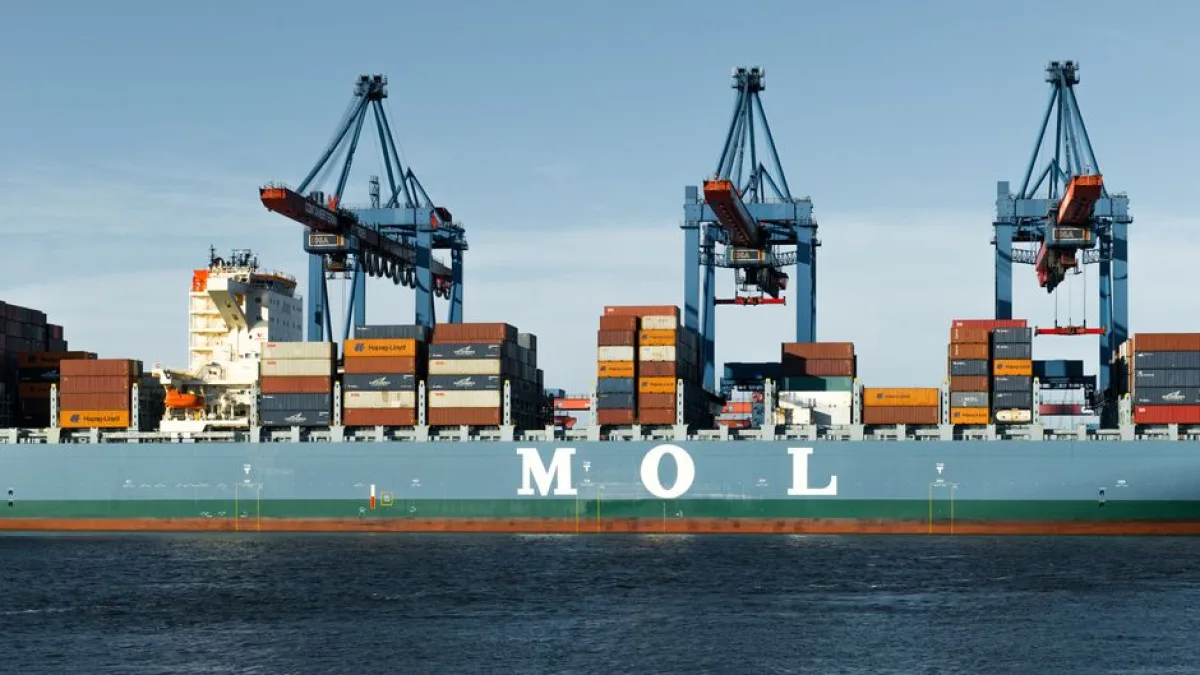
Adopting advanced digital tools is the defining factor for forwarders aiming to thrive in the modern ocean freight sector. By streamlining operations and embracing real-time data, your team can improve service levels and operational efficiency significantly. MakeCargo provides the essential platform to unify your workflows, helping you scale with confidence. Start your digital transformation today to secure your company's future success in logistics.