Optimizing Ocean Freight Logistics for Modern Freight Forwarders
Thursday, October 29 2026
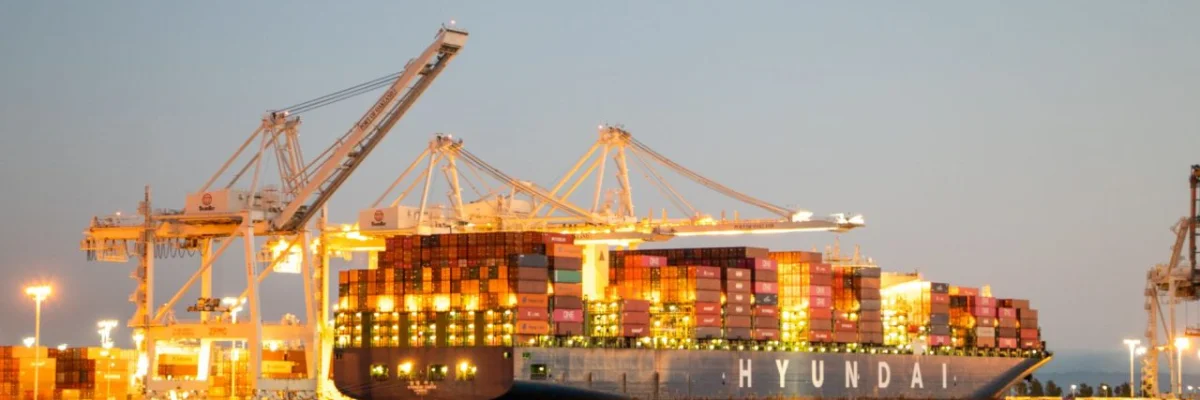
The global ocean freight landscape faces unprecedented complexity, demanding that freight forwarders leverage advanced technology to remain competitive. Volatile shipping rates, unpredictable port congestion, and shifting trade regulations create a high-stakes environment where efficiency becomes the primary differentiator. Modern professionals must transition away from manual processes toward integrated digital ecosystems that provide end-to-end visibility. By harnessing cloud-based platforms like MakeCargo, logistics providers can automate documentation, enhance communication with carriers, and provide clients with real-time tracking data. Embracing this digital transformation is no longer a luxury but a fundamental necessity for those aiming to scale operations effectively and deliver superior customer service.
Mastering Carrier Rate Management
Managing complex rate structures from multiple ocean carriers requires precision and speed to remain profitable. Digital tools allow forwarders to centralize procurement data, ensuring that quotes provided to clients are always accurate, competitive, and backed by the latest market intelligence.
- Centralized Rate Databases: Aggregating all carrier contracts into a single cloud dashboard eliminates the risk of human error during manual data entry and ensures teams always access current pricing.
- Instant Quote Generation: Automated systems calculate costs based on real-time carrier data, enabling your sales team to provide accurate freight quotes to shippers in mere seconds rather than hours.
- Market Trend Analytics: Advanced software identifies shifting price patterns across global trade lanes, helping forwarders adjust their procurement strategies to mitigate the impact of sudden container rate volatility.
- Automated Margin Protection: Built-in validation rules ensure that service fees are applied consistently across every shipment, preventing revenue leakage and maintaining healthy profit margins on every single booking.
Forwarders who embrace centralized rate management gain a significant advantage in speed and reliability. By removing the silos of manual spreadsheets and fragmented communication channels, your team can focus on higher value tasks like customer relationship building. Implementing these systems ensures that your business stays agile despite market fluctuations, ultimately resulting in more consistent service delivery for your global clients and partners.
Streamlining Documentation Workflows

Paperwork remains a significant bottleneck in ocean freight, causing delays that ripple through the entire supply chain. Automating the creation, storage, and sharing of bills of lading and invoices reduces manual administrative burdens and minimizes the risk of costly errors.
- Automated Document Generation: Intelligent software pulls shipment data directly from booking files to create error-free documents, saving hours of manual typing and reducing the potential for costly customs fines.
- Digital Document Storage: Cloud-based repositories provide secure access to all shipping records for your team, allowing for quick retrieval during audits or inquiries from global customs authorities.
- Seamless File Sharing: Integrated platforms facilitate instant sharing of shipping documents with overseas agents and importers, cutting down on email clutter and preventing miscommunication during the transit process.
- Compliance Error Checking: Automated systems flag missing or inconsistent information on shipping papers before they are submitted, ensuring that every shipment adheres to international trade regulations and standards.
Efficient documentation is the backbone of a successful freight operation, ensuring cargo moves smoothly across borders without unnecessary administrative hurdles. By shifting to paperless workflows, your company reduces operational costs while simultaneously increasing the speed of business transactions. This level of professional organization builds trust with clients, who appreciate the precision and reliability that your digital-first approach brings to their global shipping requirements.
Achieving Real-Time Shipment Visibility
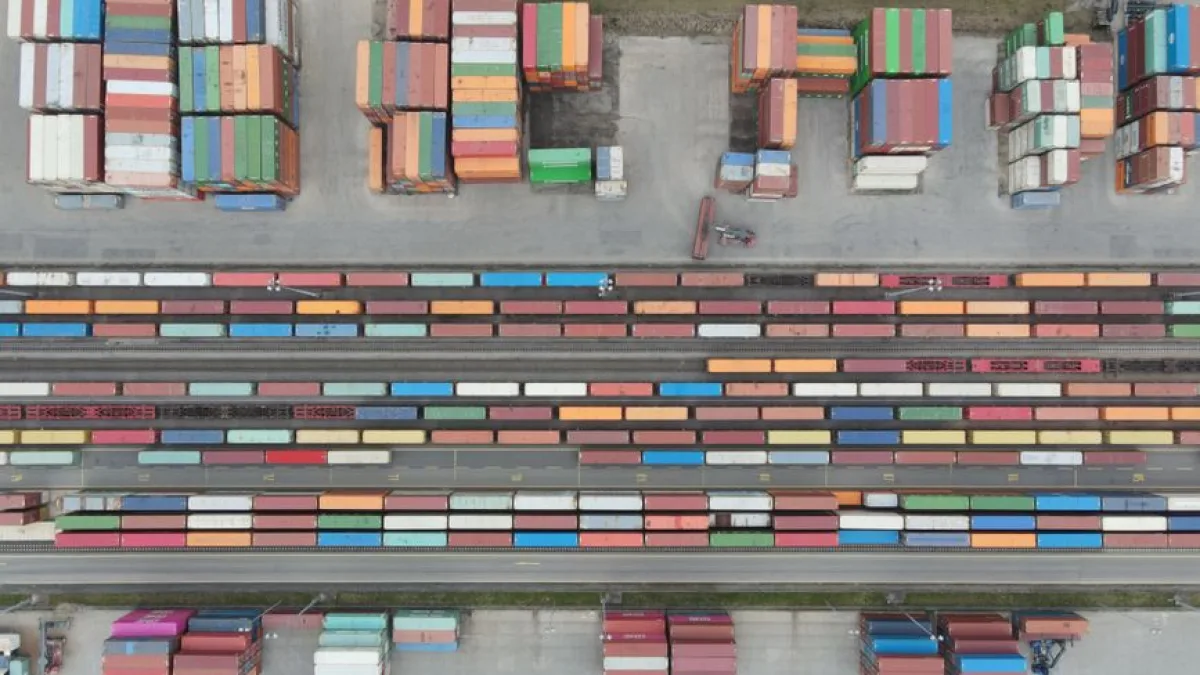
Tracking cargo across vast oceans is easier when using integrated visibility solutions that connect directly to vessel schedules. Providing clients with live updates on their cargo status builds immense trust and helps them plan their own inventory and supply chain cycles.
- Live Vessel Tracking: Integration with global carrier AIS data enables your clients to view the exact location of their containers on an interactive map throughout the entire journey.
- Automated Status Alerts: Proactive email and dashboard notifications inform stakeholders of arrival changes or port delays immediately, allowing them to adjust their operations before issues become critical.
- Exception Management Tools: Software identifies potential bottlenecks or cargo delays early, giving your team time to find alternative routes or solutions before the client experiences any operational impact.
- Client Portal Transparency: Providing a dedicated login for shippers lets them monitor their own freight progress 24/7, reducing the volume of status inquiries handled by your operations team.
Visibility serves as the ultimate tool for client retention in a crowded marketplace. When clients can see the real-time status of their shipments without needing to call your office, it frees your staff to solve complex logistics problems. This transparency improves satisfaction levels and positions your firm as a modern, technology-driven partner capable of handling the most demanding global supply chain challenges.
Optimizing Operations for Growth
Scaling your freight forwarding business requires robust backend processes that can handle increasing shipment volumes without breaking. Optimizing your operational workflow ensures that your growth is sustainable and that your customer service quality remains high as you add new clients.
- Integrated Booking Portals: Enabling clients to book shipments online through your own branded portal reduces manual order entry time and allows your team to focus on shipment execution.
- Task Automation Sequences: Workflow automation handles routine tasks like status updates and invoice reminders, letting your staff focus their energy on managing exceptions and complex logistics client issues.
- Scalable Resource Planning: Data insights from your software allow leadership to forecast volume peaks, helping you allocate personnel effectively and maintain high service standards during busy shipping seasons.
- Interdepartmental Data Sync: Synchronizing data between finance, operations, and sales ensures everyone works from the same information, eliminating conflicts and speeding up internal processes across the entire organization.
Sustainable growth is achieved when technology handles the repetitive work while your team focuses on strategy and client success. By choosing the right software platform, you create a scalable foundation that supports expansion into new trade lanes and service offerings. This commitment to efficiency keeps your overhead low and your operational performance high, giving you the edge needed to thrive in ocean freight.
Conclusion
Success in ocean freight depends on your ability to leverage technology to handle complexity and drive operational efficiency. By mastering rate management, documentation, visibility, and internal workflows, you position your forwarding company for long-term growth. Embracing these digital tools allows you to focus on delivering exceptional value to your customers. Now is the perfect time to modernize your processes and lead the industry forward.