Optimizing Ocean Freight Logistics for Global Efficiency
Tuesday, October 20 2026

Ocean freight remains the backbone of global commerce, moving the vast majority of international goods across complex maritime routes. As freight forwarders navigate an era defined by volatile market conditions, fuel price fluctuations, and strict environmental regulations, operational excellence is no longer optional. Modern technology has become the primary differentiator for companies aiming to scale their capacity while maintaining profitability. By leveraging cloud-based platforms and data-driven insights, forwarders can now transform how they manage shipments, optimize container utilization, and communicate with partners. This guide explores essential strategies for forwarders looking to modernize their ocean freight operations in competitive global markets.
Mastering Container Load Optimization
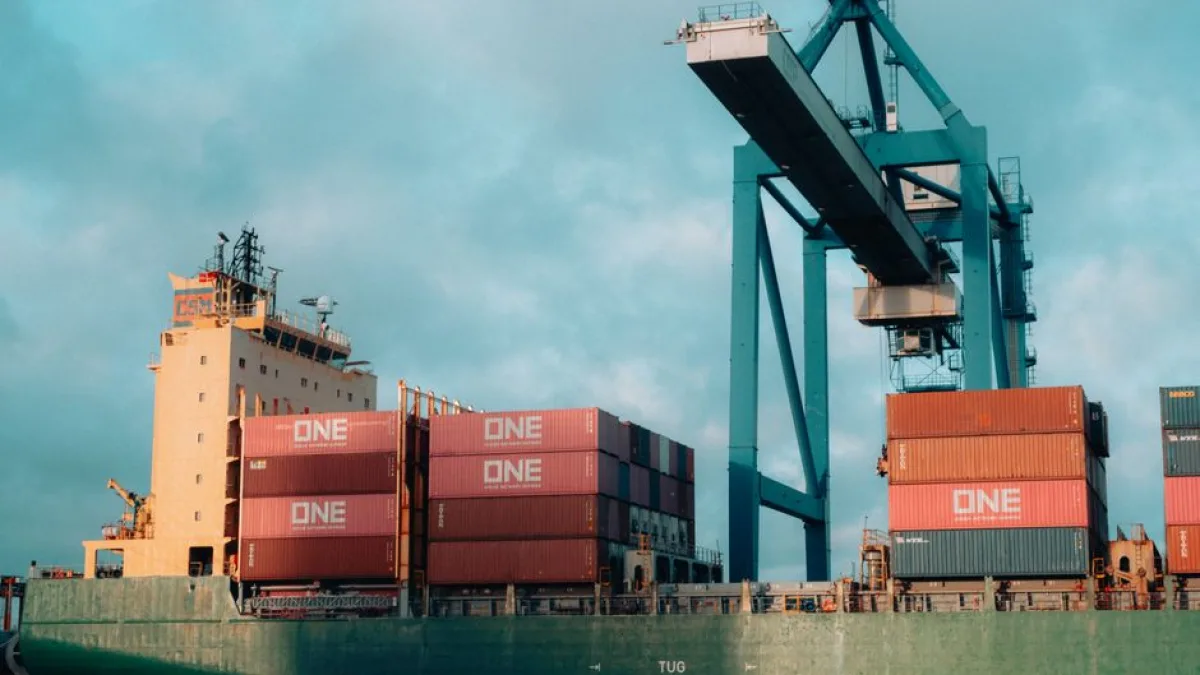
Maximizing the space within every shipping container is essential for reducing costs and improving your margins on every voyage. Efficient loading strategies ensure that your clients pay for the capacity they use, rather than wasting space on air or inefficient packing.
- Automated Weight Calculations: Our software automatically calculates maximum load capacity to prevent overloading while ensuring every container is filled to its optimal weight limit for safe maritime transport across oceans.
- Digital Load Mapping: Use integrated visualization tools to plan how goods are positioned inside containers, minimizing damage risks during transit and ensuring that every cubic meter is utilized effectively.
- Real Time Analytics: Track your container utilization rates through dynamic dashboards that highlight trends in your shipping volume, allowing you to make smarter decisions about your carrier booking requirements daily.
- Carrier Compliance Checks: Automatically verify that your loading configurations meet the specific safety standards required by major ocean shipping lines, reducing the likelihood of rejected cargo or costly port delays.
By shifting to digital load management, forwarders can significantly decrease their environmental footprint while simultaneously boosting profitability. Optimizing your container density reduces the number of trips required for your clients, which directly lowers shipping costs and carbon emissions. Implementing these automated solutions today will position your logistics firm as a leader in efficiency and sustainability within the highly competitive international shipping industry.
Streamlining Carrier Rate Management
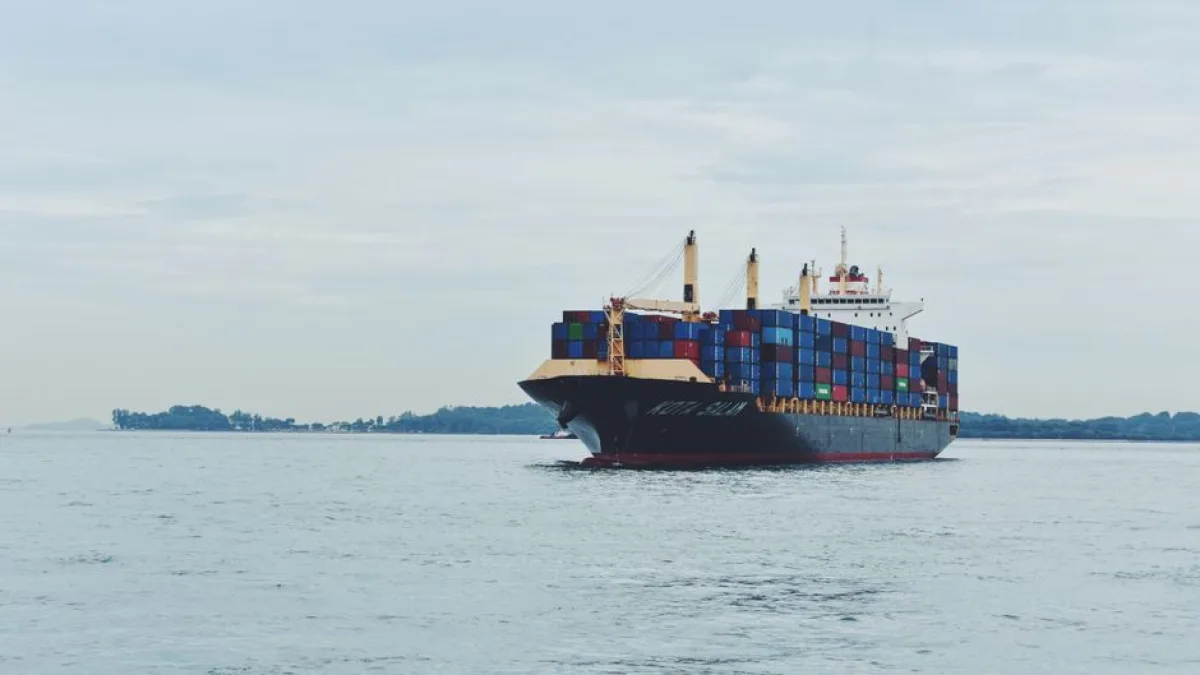
Managing a massive influx of carrier pricing requires robust systems that prevent errors and delays. Forwarders who rely on manual spreadsheets often struggle with outdated rates, which leads to disputes, lost time, and damage to their professional reputation with clients.
- Centralized Rate Database: Store every carrier contract in a secure cloud repository where authorized team members can access real time pricing to provide quotes to customers without unnecessary administrative delays.
- Dynamic Pricing Comparison: Quickly compare rates across multiple shipping lines to identify the most cost effective routing options, ensuring that your clients always receive the best possible ocean freight deal.
- Automated Surcharge Updates: Automatically adjust your quotes when carriers announce new fuel, port, or peak season surcharges so your profit margins remain protected against unexpected market fluctuations in shipping.
- Historical Rate Analysis: Review your past booking data to identify patterns in pricing volatility, which helps you negotiate better long term contracts with your preferred ocean freight shipping partners annually.
Efficient rate management allows your sales team to provide accurate quotes in seconds rather than hours. This speed is critical when customers are shopping around for the best logistics solutions. By centralizing your data and automating the update process, you remove human error from the equation, giving your business a decisive advantage in a fast paced global market that demands instant responses.
Digital Documentation and Compliance

The sheer volume of paperwork in ocean freight can slow down operations significantly. Transitioning to a paperless environment not only speeds up the shipping process but also ensures that you remain fully compliant with complex international customs regulations worldwide.
- Unified Document Storage: Keep all bills of lading, commercial invoices, and packing lists in one accessible cloud location, ensuring your team stays organized and compliant during every single shipment.
- Electronic Data Interchange: Use automated EDI connections to transmit required documents directly to carriers and port authorities, eliminating manual entry errors that cause customs holds and port delays.
- Customs Compliance Automation: Benefit from built-in verification tools that flag missing information or regulatory errors in your shipping documentation before the cargo reaches the port for customs clearance.
- Digital Signatures Integrated: Execute necessary legal documents instantly with electronic signatures that satisfy international maritime law requirements, allowing your workflow to continue without waiting for physical mail or faxes.
Moving your documentation online reduces the risk of lost paperwork, which is a common cause of costly cargo delays at busy shipping ports. By streamlining the document lifecycle, you create a transparent audit trail that satisfies regulators and builds trust with your clients. This professional approach to compliance ensures that your logistics operations remain seamless, scalable, and fully protected against legal risks.
Enhanced Visibility and Communication
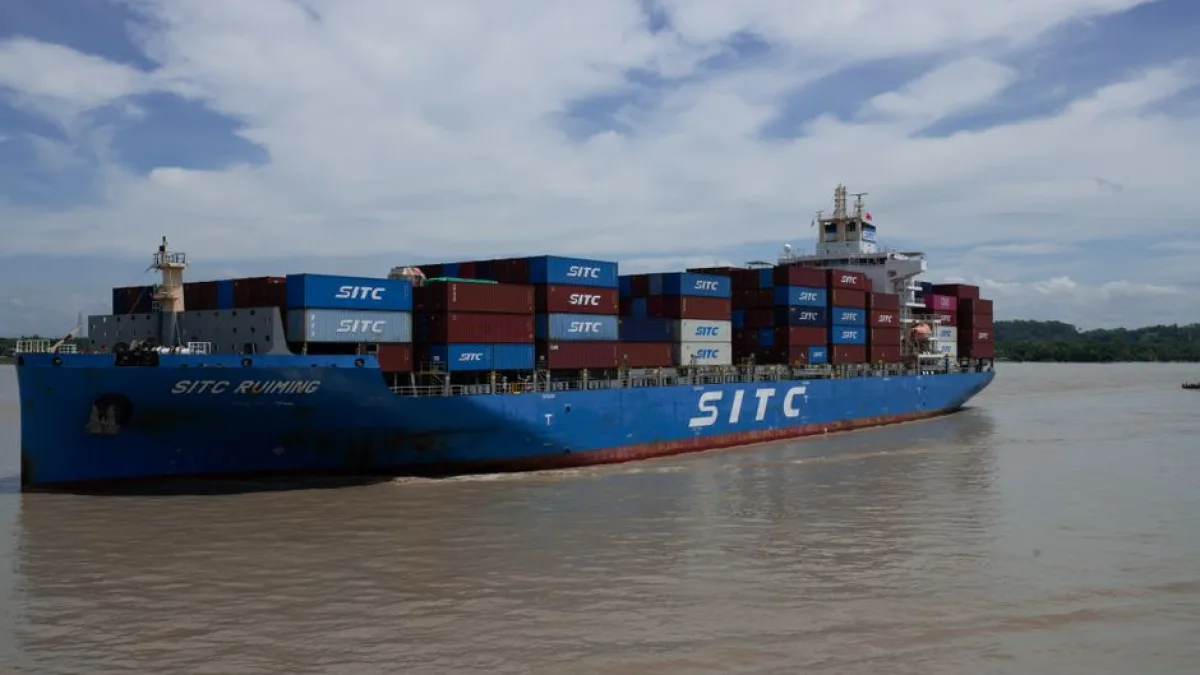
Clients expect constant transparency regarding their shipments. Providing real time tracking and proactive communication is the best way to foster long term loyalty while reducing the time your customer support team spends answering status update inquiries.
- Live Cargo Tracking: Offer your clients a dedicated portal where they can monitor their shipments in real time, reducing the need for constant phone calls to your office.
- Proactive Status Alerts: Automatically notify clients when their cargo hits major milestones like arrival at port, customs release, or departure, keeping them informed without requiring your direct manual intervention.
- Collaborative Partner Portals: Share essential shipment data with trucking partners and warehouses through a unified interface, ensuring everyone involved in the chain is working from the same accurate information.
- Direct Client Messaging: Communicate with your customers directly within the platform, keeping all conversation logs attached to specific shipment files for future reference and improved clarity on client needs.
When you provide clients with full visibility into their supply chain, you demonstrate professional reliability. This transparency reduces uncertainty and builds stronger business relationships. By investing in modern communication tools, your freight forwarding company moves from being a simple service provider to a strategic logistics partner. Your customers will value the consistency, which ultimately drives retention and growth for your ocean freight business.
Conclusion
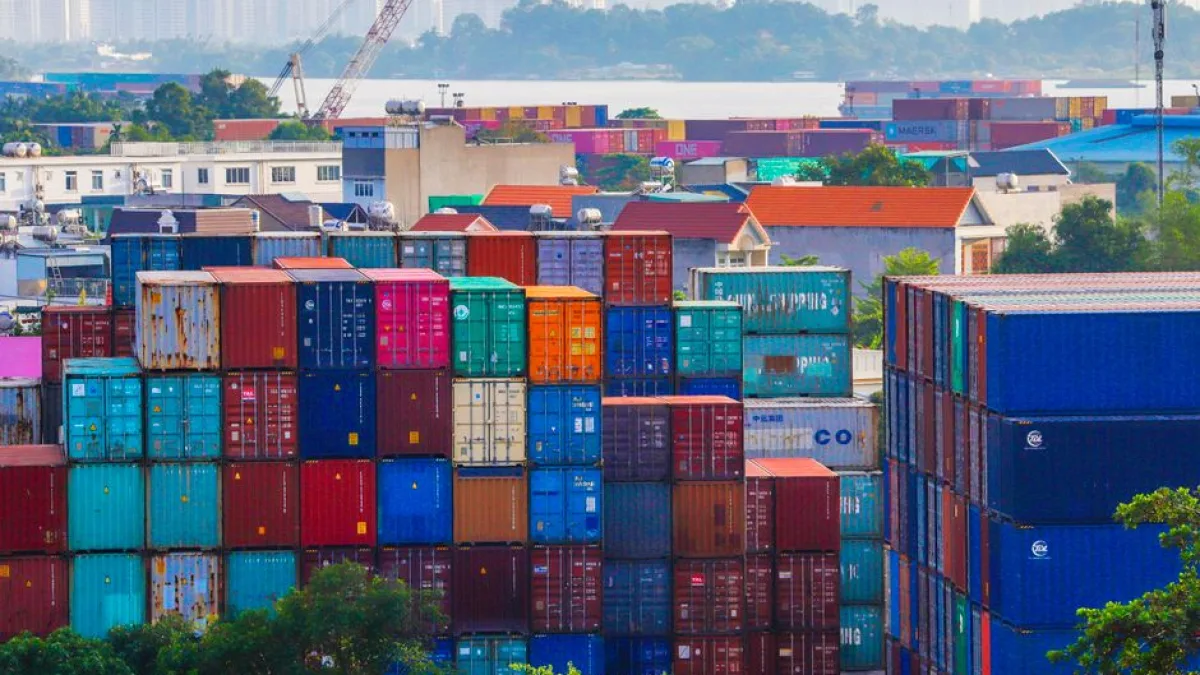
Success in ocean freight depends on embracing digital transformation to manage complexity. By optimizing your container loads, automating carrier rates, digitizing documentation, and improving client visibility, you build a resilient business that can scale with market demands. Start your digital journey with MakeCargo to simplify your workflows and gain a competitive edge in global trade. Contact our logistics team to schedule your software demo today.