Optimizing Ocean Freight Logistics for Modern Forwarders
Sunday, July 26 2026
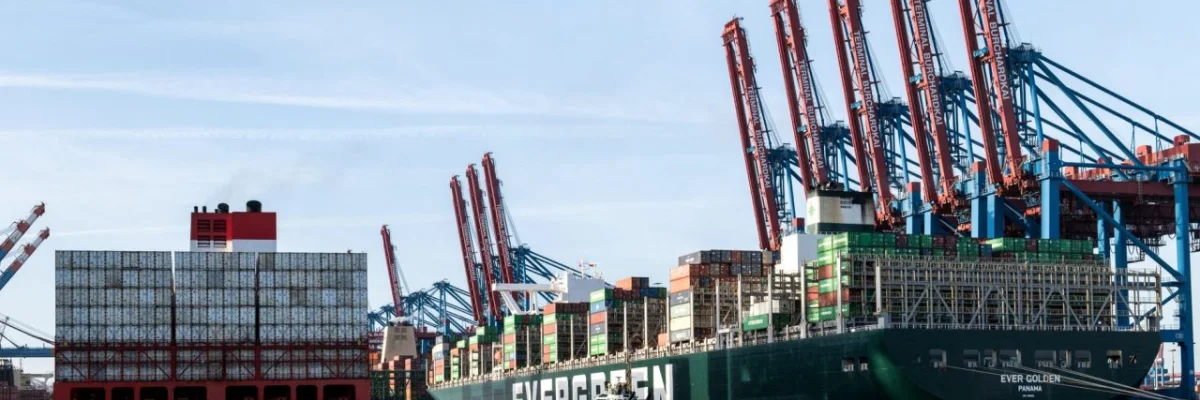
The global ocean freight landscape is undergoing a massive transformation driven by digitalization and shifting trade patterns. As freight forwarders manage increasingly complex supply chains, the demand for visibility, speed, and reliability has never been higher. Navigating these waters requires more than just traditional shipping expertise; it demands a strategic adoption of cloud-based technology to handle real-time data and regulatory requirements. By embracing automation and centralized platform solutions, forwarders can mitigate risks while enhancing client satisfaction. This article explores essential strategies to refine your ocean freight operations, ensuring your business stays competitive and resilient in an evolving maritime environment that prioritizes efficiency and transparent communication.
Strategic Capacity Management
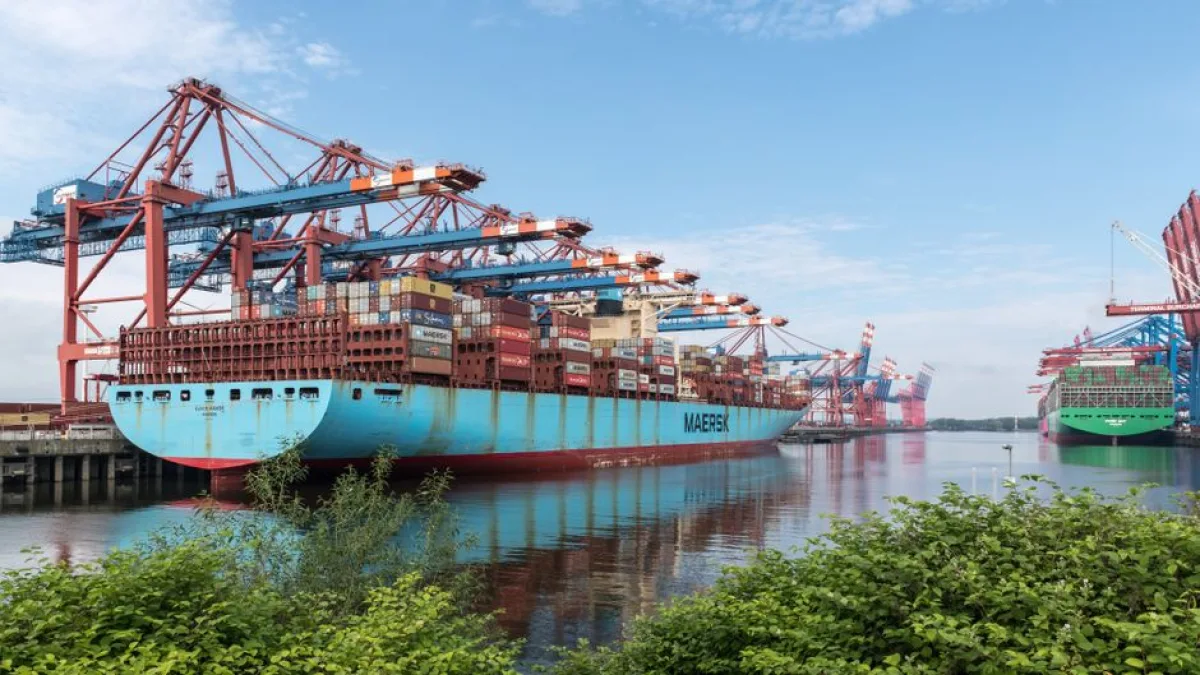
Effective capacity management is the backbone of successful ocean freight operations. By anticipating market demand fluctuations and securing space with carriers early, forwarders can protect their profit margins and ensure that client cargo moves without significant delays in the supply chain.
- Proactive Space Booking: Secure container allocations well in advance of peak seasons to avoid the volatility of spot rates and ensure your cargo remains prioritized during high-demand cycles.
- Carrier Relationship Management: Develop strong, collaborative partnerships with ocean carriers to negotiate better rates and obtain flexible terms that allow your business to adapt during unforeseen market disruptions.
- Demand Forecasting Tools: Utilize advanced analytics software to predict shipment volumes and capacity needs, helping you make data-driven decisions that minimize waste and maximize your vessel utilization rates.
- Dynamic Route Planning: Evaluate multiple maritime routes regularly to identify the most cost-effective and time-efficient options, allowing you to provide your customers with superior routing alternatives and transparency.
Mastering capacity management is a continuous process that requires a delicate balance between foresight and reactive agility. When forwarders leverage technology to monitor vessel availability, they transform potential logistical bottlenecks into opportunities for growth. Consistent attention to these details will ultimately foster stronger client loyalty and solidify your reputation as a reliable logistics partner capable of navigating even the most challenging maritime market conditions.
Leveraging Digital Documentation

Moving away from manual paperwork is essential for speeding up port processing times. Digital documentation solutions allow freight forwarders to streamline customs clearance and minimize costly errors that frequently occur during traditional, document-heavy manual handling processes at various busy hubs.
- Automated Bill Lading: Implement automated document generation systems to ensure that Bills of Lading are accurate and compliant with international shipping regulations, significantly reducing the risk of clerical mistakes.
- Secure Cloud Storage: Utilize centralized cloud-based platforms to store critical shipping documents, ensuring that every stakeholder has immediate, secure access to the information required for smooth customs clearance.
- Electronic Customs Filing: Adopt digital interfaces for direct filing with customs authorities, which accelerates the release of goods and prevents unnecessary storage fees at ports of arrival today.
- Blockchain for Tracking: Explore blockchain technology to create an immutable audit trail for every shipment, providing enhanced security and trust for all parties involved in the trade journey.
Transitioning to a paperless environment is not merely an aesthetic upgrade; it is a fundamental shift toward operational excellence. By automating documentation, forwarders reduce the administrative burden on their teams and free up valuable time for strategic account management. This digital evolution ensures that your business remains compliant and agile, providing a seamless flow of information that drives efficiency across all ocean freight activities.
Enhancing Shipment Visibility

Real-time visibility into the movement of goods has become a mandatory expectation for modern shippers. Providing accurate tracking updates from the point of origin to the final destination is crucial for maintaining transparency and trust throughout the shipping process.
- IoT Tracking Integration: Use Internet of Things sensors to monitor container conditions such as temperature and location, allowing for immediate intervention if sensitive cargo encounters any unexpected transit issues.
- Real-time Tracking Dashboards: Provide your clients with a custom web-based portal that shows the exact location of their shipments, reducing the need for constant email inquiries or phone calls.
- Automated Status Alerts: Set up automated notification systems that trigger alerts for significant shipment milestones, ensuring your customers are always informed about their cargo status without extra effort.
- Data Integration Hubs: Connect your logistics platform with carrier APIs to pull live data updates, ensuring that all information viewed by your team remains accurate and current globally.
Visibility serves as the bridge between freight forwarders and their clients, fostering a relationship defined by trust and clear communication. By investing in tools that offer deep insights into the shipping journey, you provide tangible value that differentiates your services in a crowded market. When customers can self-serve their tracking needs through your platform, your internal resources are better utilized for growth initiatives.
Optimizing Port Turnaround Times
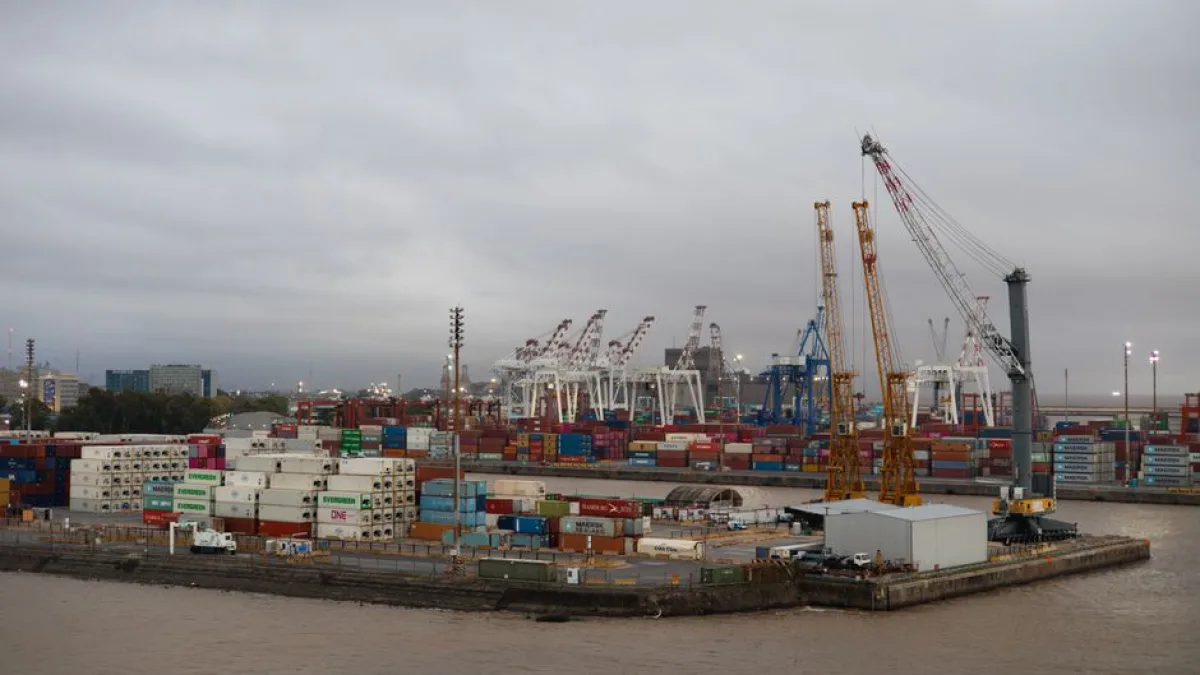
Reducing the time spent at ports is vital for maintaining healthy cash flow and operational throughput. Efficient coordination between drayage providers, port terminals, and warehouse operators ensures that cargo continues to move swiftly, avoiding costly detention and demurrage charges daily.
- Drayage Coordination Software: Use specialized logistics software to schedule container pickups and deliveries, ensuring that drivers are dispatched effectively to avoid long wait times at busy port gates.
- Terminal Appointment Systems: Leverage digital appointment booking tools for port terminals to secure specific windows for cargo retrieval, which helps prevent scheduling conflicts and optimizes your drayage fleet.
- Early Document Submission: Ensure that all essential customs paperwork is submitted well before the cargo reaches the port, allowing for pre-clearance that facilitates faster exit from terminal yards.
- Intermodal Synergy Planning: Coordinate ocean arrivals with rail or trucking schedules to create a fluid supply chain, reducing the time containers sit idle while waiting for onward transit.
Port operations represent the most unpredictable phase of ocean freight, making preparation the key to success. By focusing on meticulous coordination and leveraging technology for scheduling, forwarders can minimize the impact of port congestion. Maintaining a smooth transition at these critical junctions not only saves money but also enhances the overall customer experience by ensuring reliable and predictable delivery timelines every time.
Conclusion
The future of ocean freight belongs to forwarders who embrace digital innovation and strategic planning. By optimizing capacity, digitizing documentation, improving visibility, and streamlining port operations, your business can achieve higher efficiency and client satisfaction. Implementing these core strategies will help you navigate complex global trade environments. Stay ahead of market changes by continuously refining your logistics processes with modern software solutions today.