Optimizing Ocean Freight Logistics for Modern Forwarders
Tuesday, August 4 2026
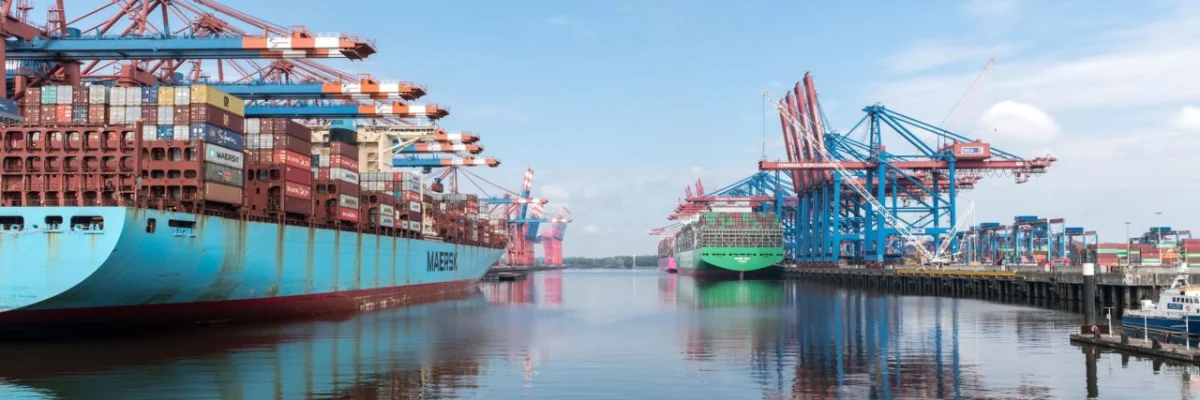
The global shipping industry faces unprecedented pressure as supply chain complexities and customer expectations for real-time visibility continue to escalate. For freight forwarders, the ability to manage ocean freight operations efficiently is no longer a competitive advantage but a fundamental requirement for survival in a saturated market. Leveraging cloud-based platforms allows forwarders to centralize documentation, automate manual tasks, and improve communication across the entire shipping lifecycle. By embracing digital transformation, logistics professionals can reduce operational errors and enhance service quality, ultimately driving long-term growth and stability while successfully navigating the unpredictable nature of modern maritime trade routes and fluctuating international regulations.
Streamlining Booking Processes
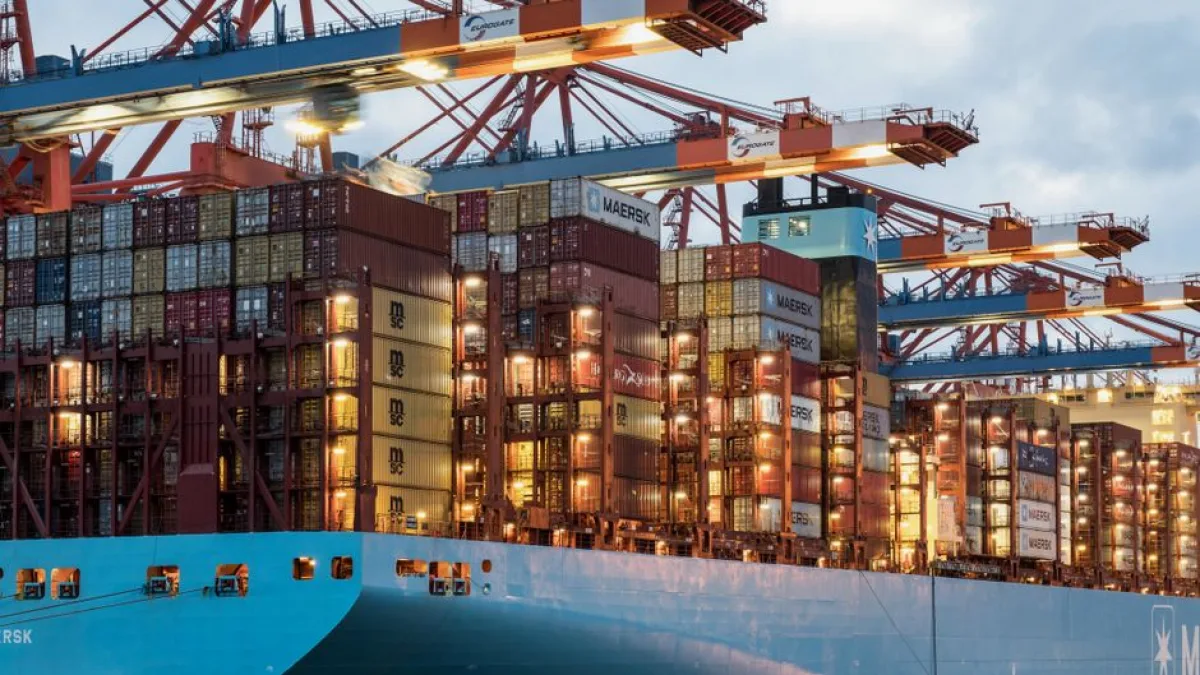
Automating the booking procedure helps eliminate repetitive data entry tasks that consume precious time. By using integrated software systems, forwarders can request quotes and confirm shipments with carriers instantly, ensuring higher accuracy and speed for every single client shipment processed daily.
- Automated quote generation: Software solutions allow your team to generate accurate quotes in seconds by pulling real-time pricing data directly from multiple carrier API connections across various shipping lanes.
- Centralized booking management: Consolidate all your incoming booking requests into one dashboard to avoid email clutter while ensuring that every shipment is tracked from the initial request phase.
- Instant carrier integration: Connect your platform with global carriers to receive instantaneous status updates and confirmations, reducing the time spent on manual follow-up emails and phone calls.
- Reduced manual errors: Eliminate human mistakes by syncing booking details directly from your client portal to the master shipment record without the need for redundant data entry tasks.
Efficiency in the booking stage sets the tone for the entire logistics journey. When forwarders replace legacy manual processes with robust digital tools, they empower their staff to focus on high-value client relationship management. This shift prevents bottlenecks and ensures that communication flows seamlessly between carriers, partners, and the final consignees throughout the duration of the ocean transport process for every cargo movement.
Enhancing Real-Time Visibility
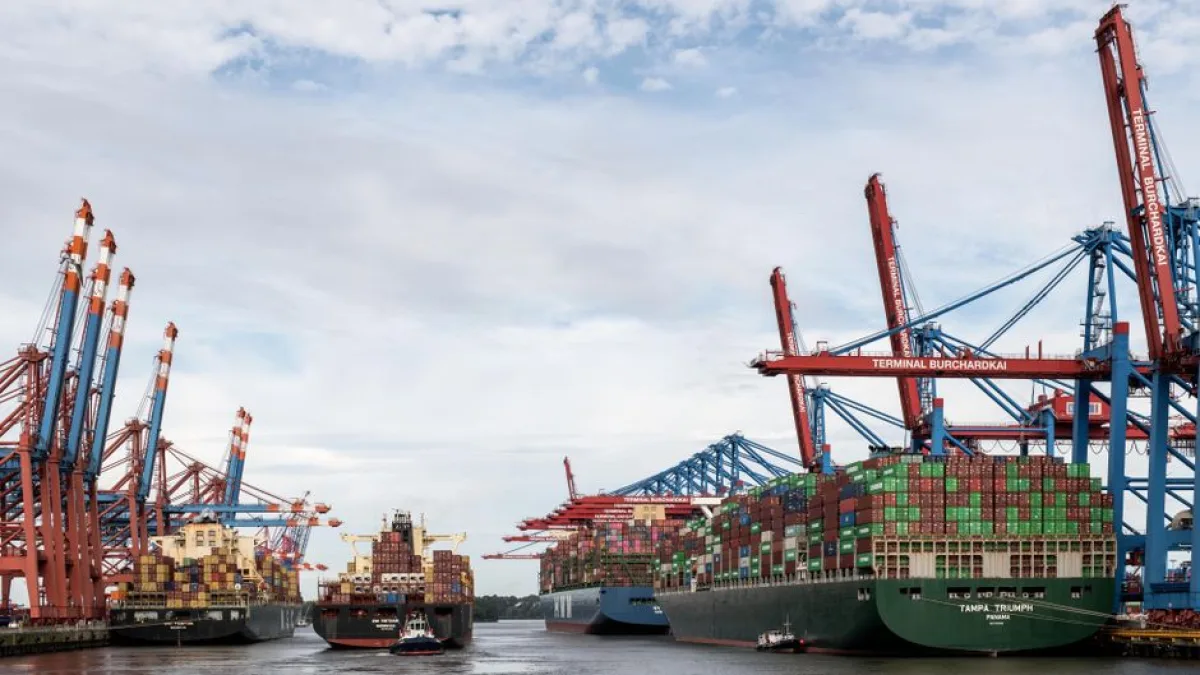
Real-time tracking provides clarity in a volatile maritime environment. Modern cloud platforms integrate satellite and carrier data to provide live updates on container status, helping forwarders proactively manage exceptions before they escalate into major problems for their customers.
- Live tracking updates: Provide your clients with reliable, up-to-the-minute data regarding the current location and estimated arrival time of their ocean freight cargo using automated API feeds.
- Proactive exception alerts: Receive automatic notifications if a container is delayed at a transshipment hub or port, allowing your team to inform clients and provide solutions quickly.
- Interactive map visualization: Display shipping routes on a digital dashboard to help clients visualize the journey of their goods across the ocean with clear, readable data.
- Predictive arrival forecasting: Utilize historical and live weather data to provide more accurate arrival estimates, which helps clients plan their inventory and trucking operations more effectively.
Visibility serves as the backbone of customer satisfaction in the ocean freight industry. When you offer transparent data, you build trust with shippers who need to plan their supply chains with precision. Using a cloud platform to deliver this information gives your business a distinct edge, positioning your agency as a reliable partner capable of handling the complexities of international trade and logistics.
Managing Documentation Digitally

Effective document management is essential for smooth customs clearance and regulatory compliance. Shifting from paper-based files to cloud storage ensures that vital records are accessible, secure, and easily shareable among all stakeholders involved in the international shipping process.
- Secure document storage: Keep bills of lading, commercial invoices, and packing lists in a highly secure cloud environment that is accessible from anywhere by authorized users.
- Automated document generation: Produce standard shipping documents automatically using the data captured during the booking phase to save time and ensure total consistency across all files.
- Collaborative editing tools: Allow multiple team members to review or update shipment documents simultaneously, ensuring that all information remains accurate throughout the complex transit cycle process.
- Digital audit trails: Maintain a complete history of every change made to your shipping documentation to ensure full compliance with international regulations and internal reporting requirements.
Digital documentation reduces the risk of lost paperwork or costly delays during customs inspections. By organizing files in a centralized repository, your staff can retrieve information in seconds, speeding up the billing process and improving overall cash flow. This professional approach to file management ensures that your agency maintains high compliance standards while simultaneously cutting down on the administrative burden that slows down growth.
Optimizing Financial Operations

Profitability depends on accurate invoicing and cost management. Integrated platforms help forwarders track costs against revenues, ensuring that every shipment remains profitable while reducing the time required to close invoices and receive payments from your diverse range of clients.
- Automated billing cycles: Generate invoices automatically based on pre-set rates and actual shipment costs, reducing the billing turnaround time and improving your agency cash flow cycle significantly.
- Cost tracking dashboards: Compare projected ocean freight costs against actual expenses to identify discrepancies and optimize your margins on every single booking your team manages throughout.
- Vendor invoice reconciliation: Simplify the process of verifying carrier invoices by matching them automatically against the quoted prices and the specific shipment data stored in your software.
- Real-time profit analysis: Access detailed reports on the profitability of different shipping lanes or client accounts to make data-driven decisions that grow your business margins.
Managing the financial aspects of ocean freight is critical to maintaining a healthy bottom line. By leveraging automated billing and cost tracking, you minimize the chance of revenue leakage and payment disputes. These tools provide the financial clarity required to thrive in a competitive market, allowing you to allocate resources toward high-growth areas while keeping your standard operational costs under strict control.
Conclusion
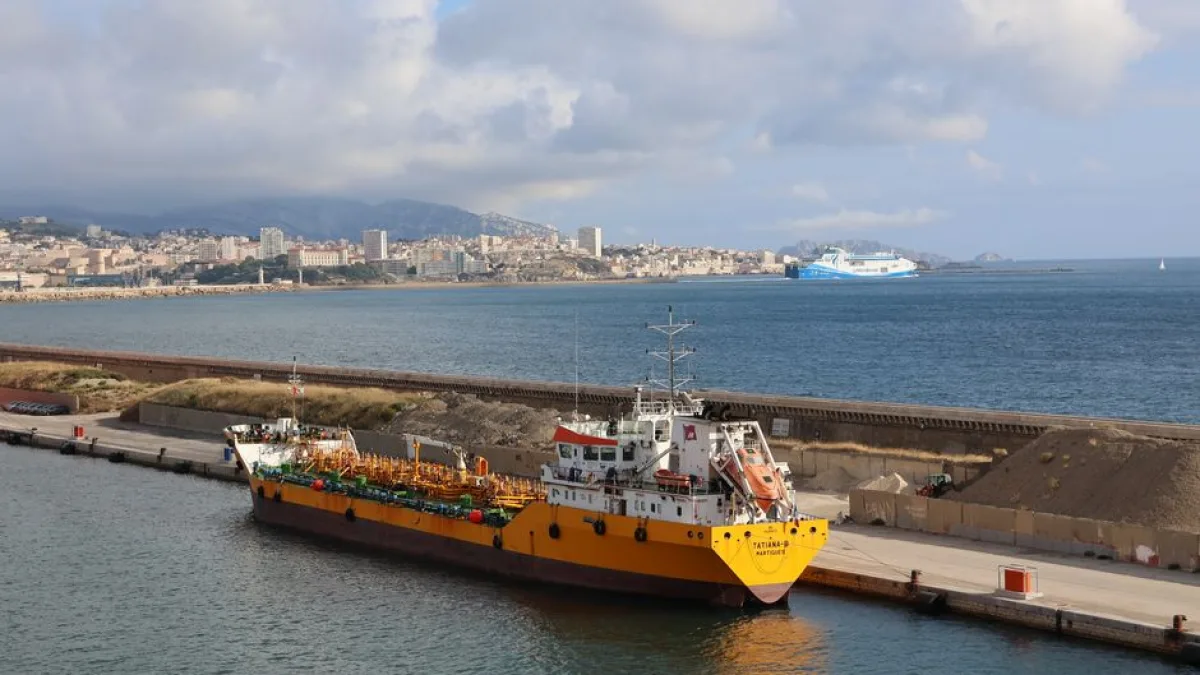
Successfully managing ocean freight requires a combination of technology and strategic oversight. By adopting cloud-based solutions, forwarders can streamline their operations, provide superior transparency to their clients, and maintain tight control over their financial performance. As the industry continues to evolve, these digital capabilities will be the primary factors that separate successful agencies from those struggling to keep up with modern market demands.