Optimizing Ocean Freight Logistics for Modern Forwarders
Tuesday, September 8 2026

The global shipping industry is currently navigating a period of unprecedented complexity, driven by shifting geopolitical landscapes and the increasing demand for real time visibility. For freight forwarders, the challenge lies in balancing capacity constraints with the need for cost effective delivery solutions. As digital transformation reshapes traditional logistics, forwarders must leverage advanced technology to remain competitive in a saturated market. By integrating cloud based platforms like MakeCargo, logistics professionals can streamline their documentation, automate compliance workflows, and enhance communication with carriers, ensuring that cargo moves efficiently across international waters while meeting the high expectations of modern shippers and consignees.
Enhancing Port Operations
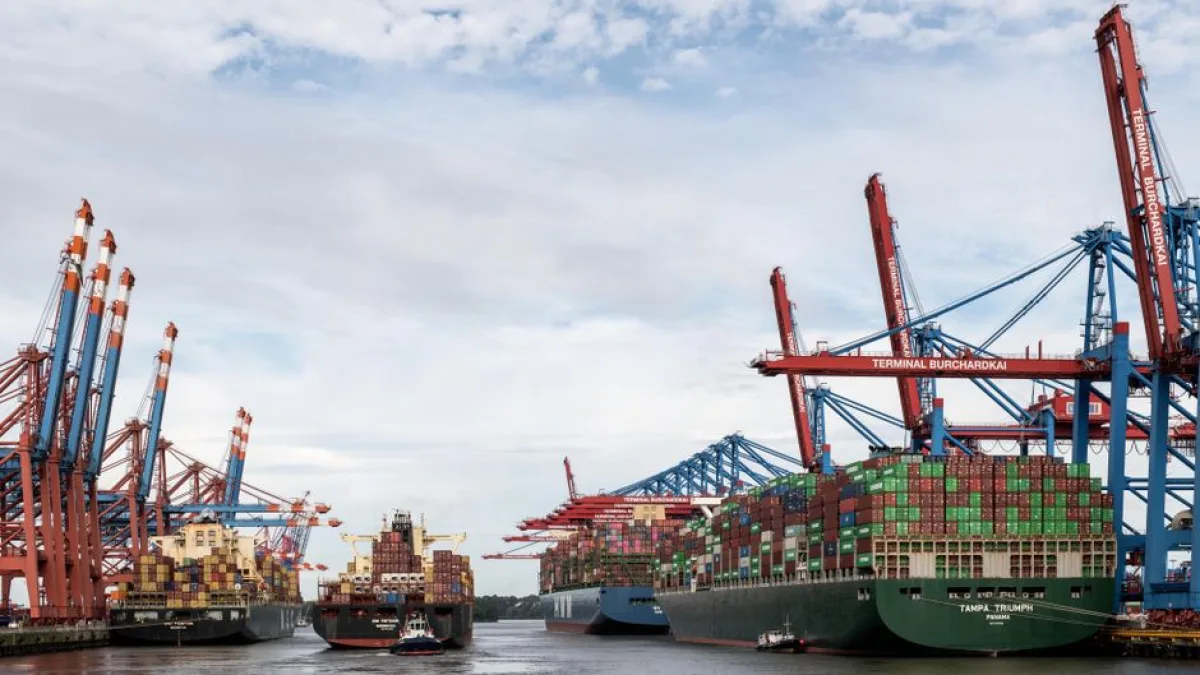
Modern port operations rely heavily on the precise orchestration of cargo loading and unloading sequences. By utilizing digital tools to track container movements in real time, forwarders can effectively mitigate the risks associated with congestion and unexpected maritime delays at terminals.
- Real time tracking: Gain full visibility over container status and location from terminal arrival to final delivery, ensuring that your clients remain informed about their precious cargo transit progress.
- Terminal slot booking: Automate the scheduling of port appointments to avoid waiting times and ensure that trucks are serviced promptly without incurring unnecessary detention or demurrage penalty charges.
- Automated document processing: Utilize intelligent software to handle bills of lading and customs documentation, reducing human error while speeding up the release of goods at busy maritime checkpoints.
- Capacity management tools: Evaluate available space on vessels through integrated carrier APIs to secure the best rates and space for your clients during peak shipping seasons effectively.
Efficient port management is the backbone of successful ocean freight strategies. When forwarders master the flow of information between carriers and terminals, they reduce operational friction significantly. This proactive approach not only improves the reliability of delivery schedules but also strengthens the professional relationships between logistics providers and their partners, fostering a stable supply chain environment that benefits all stakeholders involved in global trade.
Digital Documentation Efficiency

Managing the overwhelming volume of maritime paperwork requires robust software solutions. Streamlining the digitalization of customs forms and carrier contracts prevents delays in clearance, ensuring that shipments meet regulatory standards while minimizing the administrative burden on your logistics team.
- Cloud based filing: Store all essential shipping documents in a centralized digital repository, allowing your team to access critical files instantly from any location around the world securely.
- Automated compliance checks: Implement software that automatically flags missing or incorrect data in customs declarations to prevent costly fines and inspections during international transit and border crossings.
- Client portal access: Provide your shippers with a dedicated platform to upload their documents, reducing email clutter and ensuring that all parties are using the latest file versions.
- Digital signature integration: Execute essential legal agreements and documents electronically to reduce cycle times and eliminate the need for physical courier services for sensitive shipping paper documentation.
Transitioning to paperless operations is no longer optional for forwarders who want to scale their business operations profitably. By automating the lifecycle of shipping documents, companies save countless hours and decrease their carbon footprint. This digital transition enables your staff to focus on strategic client relationship management rather than manual data entry, driving sustainable growth and increasing overall service quality for your customers.
Carrier Relationship Management
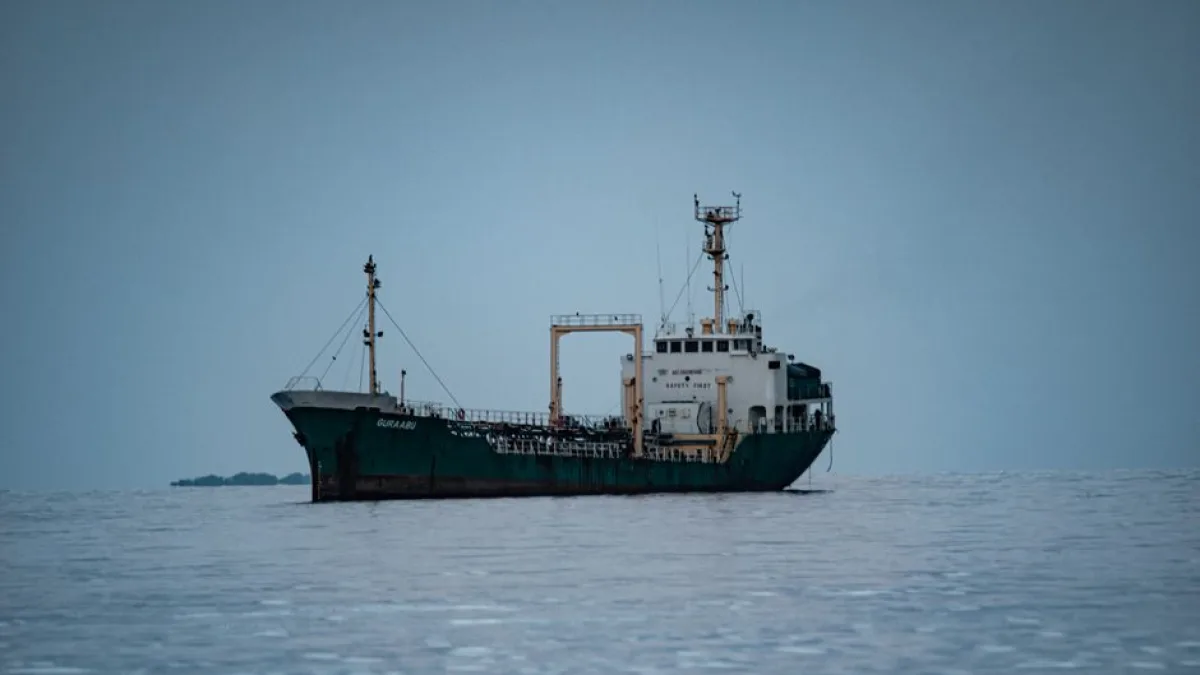
Maintaining strong partnerships with ocean carriers is essential for securing competitive freight rates and priority space. Forwarders who use data driven insights to negotiate contracts are better positioned to provide value added services to their clients during global market fluctuations.
- Performance analytics tracking: Monitor carrier reliability and transit time statistics to identify top performing partners, allowing you to make data backed decisions for future ocean freight bookings.
- Dynamic rate negotiation: Access real time pricing data to negotiate better contract terms with carriers, ensuring your company remains profitable while offering aggressive pricing to shippers.
- Integrated communication channels: Utilize direct messaging features within your logistics platform to clarify booking details and resolve disputes with carrier representatives in a fast, transparent professional manner.
- Volume forecasting tools: Predict future shipping requirements based on historical data to help carriers optimize their vessel planning, creating a mutually beneficial partnership for long term cooperation.
Solid carrier management directly impacts your bottom line and service reliability. By leveraging accurate data to evaluate performance, forwarders can confidently select the right carriers for specific trade lanes. This strategic alignment ensures that you have the capacity needed to handle sudden spikes in demand. Investing in these relationships creates a foundation for success, allowing you to navigate the volatility of the global shipping industry.
Optimizing Supply Chain Visibility

Providing clients with granular visibility into their ocean freight movements is a key competitive differentiator. Modern software platforms aggregate data from various sources to offer a comprehensive view of the supply chain, which improves decision making for every stakeholder.
- End to end tracking: Monitor cargo shipments from the point of origin warehouse to the final destination, providing stakeholders with clear status updates and expected arrival time estimates.
- Exception management alerts: Receive automated notifications about potential delays or schedule changes, allowing you to communicate effectively with clients before minor issues become major logistics problems.
- Interactive data dashboards: Display key performance indicators in intuitive graphical formats, enabling management to quickly assess operational health and identify areas that require immediate process improvement actions.
- Multi modal transparency: Connect ocean freight data with inland trucking and rail milestones to offer a seamless, holistic view of the entire global logistics transportation journey today.
Complete visibility empowers forwarders to act as trusted advisors to their clients. When you can provide accurate and proactive updates, you minimize anxiety and build long term loyalty with your customer base. As the industry becomes more transparent, technology will remain the primary driver of operational excellence. Adopting these modern visibility tools today prepares your business to handle the demands of tomorrow.
Conclusion
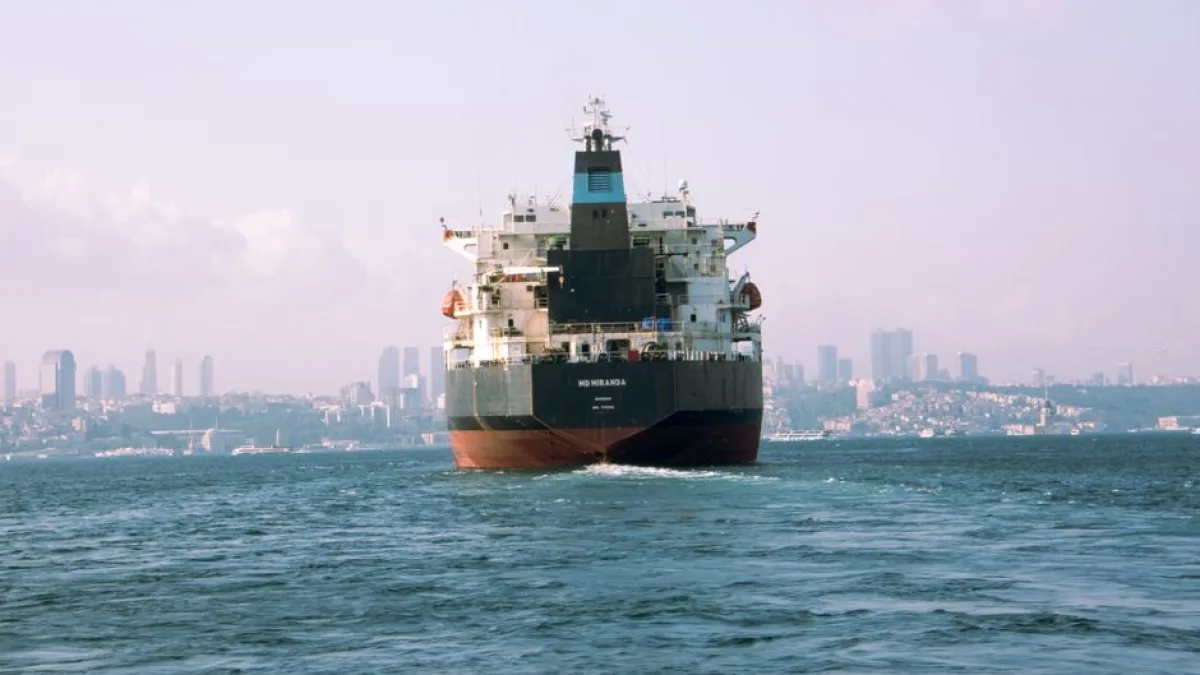
Mastering ocean freight requires a blend of industry expertise and the right technological infrastructure. By streamlining port operations, digitizing documentation, strengthening carrier relationships, and improving visibility, you position your firm as a leader in the global logistics market. Start your digital transformation journey with MakeCargo to simplify complex workflows and drive greater profitability. Contact our team today to optimize your logistics operations.