Optimizing Ocean Freight Logistics for Modern Freight Forwarders
Wednesday, July 29 2026

The global ocean freight landscape is currently undergoing a radical transformation driven by digital integration and data transparency. For freight forwarders, the ability to manage complex supply chain movements requires more than just traditional shipping knowledge. It demands a sophisticated approach to tracking, documentation, and partner collaboration. As capacity fluctuations and port congestion continue to challenge operational efficiency, forwarders must leverage modern technology to maintain competitive margins and provide superior service. By embracing cloud-based platforms and real-time visibility, professionals can mitigate risks, reduce administrative overhead, and ultimately provide a seamless experience for their clients across international shipping lanes.
Mastering Digital Documentation

Effective document management is the backbone of ocean freight success. Moving away from manual processes towards automated digital solutions reduces errors, accelerates customs clearance times, and ensures that sensitive shipping data remains secure and accessible to all relevant stakeholders in the supply chain.
- Streamlined Data Entry: Cloud platforms enable automated capture of shipping data to eliminate manual input errors while increasing the speed at which forwarders process complex house bills of lading.
- Automated Customs Compliance: Built-in validation rules ensure all international regulatory documents meet destination requirements before departure, significantly reducing the risk of costly port delays or cargo seizures.
- Secure Cloud Storage: Centralized digital repositories provide instant access to historical shipment data while maintaining strict security protocols to protect sensitive customer information against unauthorized data access.
- Real-time Document Updates: Instant notifications alert teams whenever a new document is uploaded or modified, ensuring that every participant stays aligned throughout the entire cargo transit process.
Adopting digital workflows transforms how forwarders handle the administrative burden of international trade. By shifting away from fragmented email chains and physical paperwork, teams can focus their energy on high-value tasks such as customer relationship management and strategic expansion. This transition not only boosts operational productivity but also creates a scalable foundation for handling increased shipment volumes without requiring additional administrative staff resources.
Enhancing Real-Time Cargo Visibility
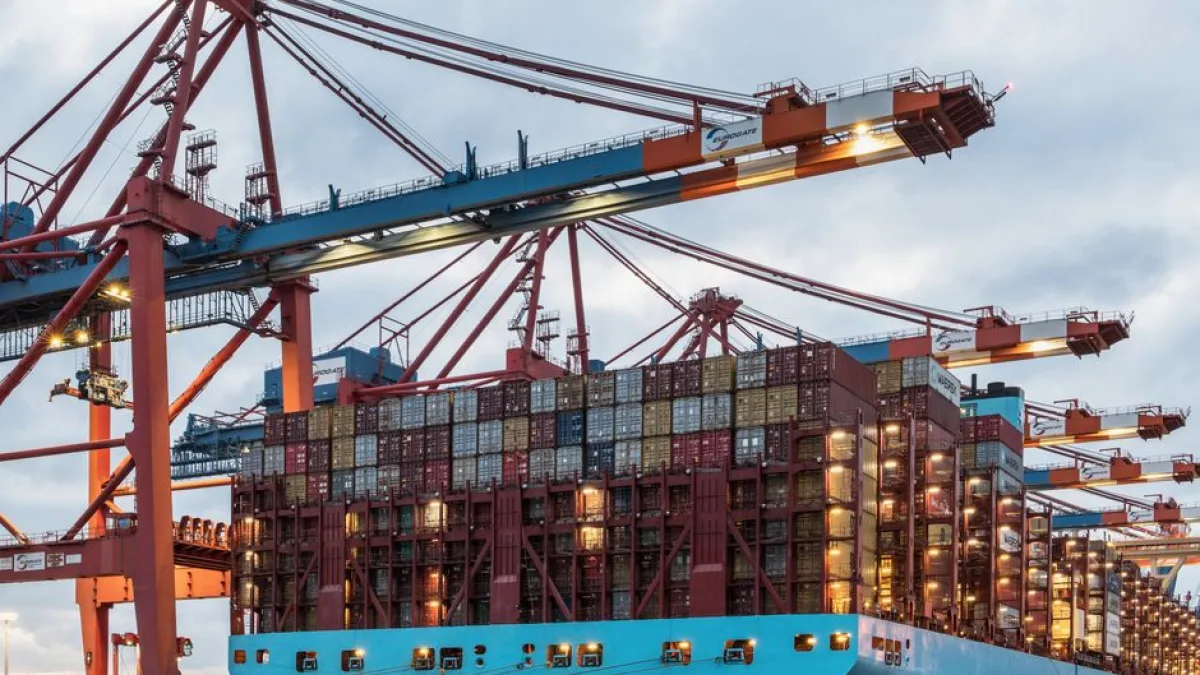
Knowing the exact location of goods in transit is no longer a luxury but a fundamental necessity. Advanced tracking technology provides freight forwarders with the data required to proactively manage expectations and address potential delays before they impact delivery timelines.
- Live Tracking Integration: Direct API connections with major carriers allow forwarders to display accurate container status updates directly on their customer dashboards for improved user satisfaction.
- Proactive Delay Alerts: Intelligent algorithms identify anomalies in transit times and provide automated warnings to teams, enabling them to reroute shipments or inform clients immediately.
- Port Congestion Monitoring: Access to real-time berth data helps logistics planners anticipate bottlenecks, allowing for better vessel scheduling and more accurate arrival time estimates for shippers.
- Unified Tracking Portals: Consolidating various carrier tracking systems into one platform saves valuable time, allowing staff to monitor global shipments from a single intuitive interface.
Superior visibility is the key differentiator for freight forwarders operating in a highly saturated market. When clients receive consistent, accurate information regarding their cargo status, trust in the partnership increases substantially. This level of transparency also allows forwarders to provide data-backed insights, positioning them as essential supply chain advisors rather than just transportation providers in the eyes of their customers.
Strategic Carrier Relationship Management
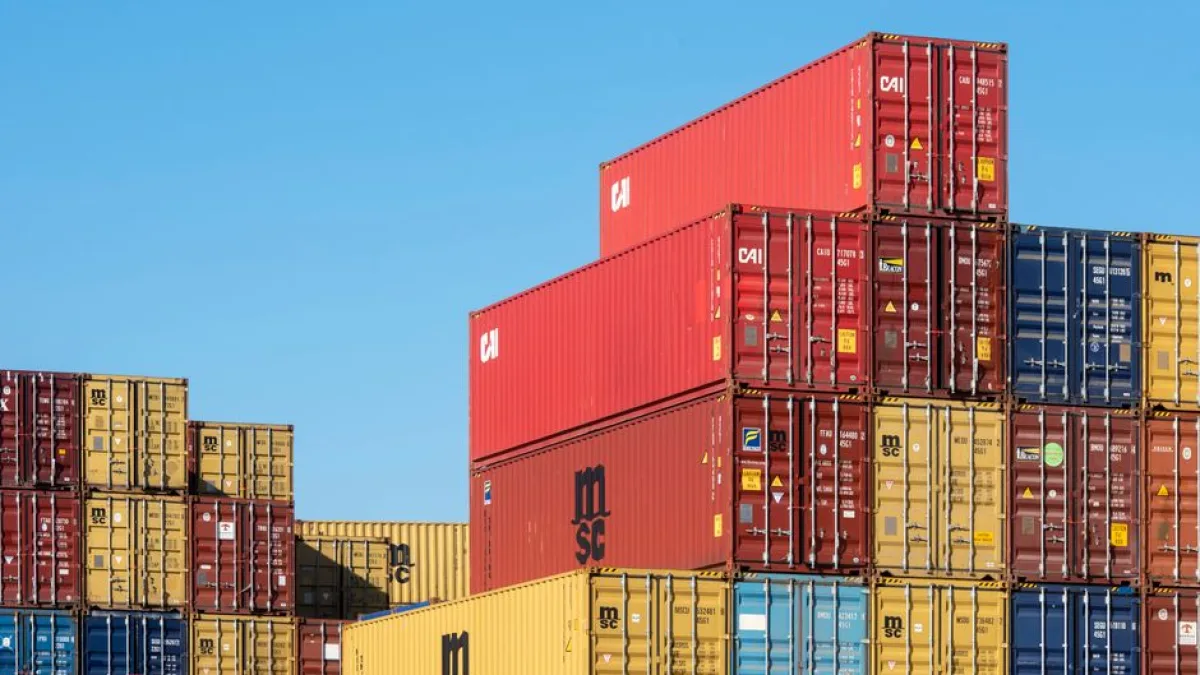
Strong relationships with ocean carriers remain critical for securing reliable capacity and competitive pricing. Managing these interactions through dedicated software helps forwarders organize communication, track contract performance, and negotiate better rates based on historical volume and route analytics.
- Performance Analytics Dashboards: Analytical tools visualize carrier performance metrics, enabling forwarders to identify which lines offer the best consistency and reliability for their specific shipping lanes.
- Automated Rate Management: Centralized systems track complex rate sheets, allowing for instant comparisons across multiple carriers to ensure the most cost-effective routing for every booking.
- Contract Lifecycle Tracking: Managing expiration dates and terms within a software platform prevents missed renewal opportunities and ensures that agreed-upon service levels are consistently met.
- Communication Audit Trails: Logging all negotiation threads and booking agreements ensures that all team members have access to the history of carrier interactions for future reference.
Leveraging software to manage carrier partnerships turns subjective decisions into data-driven strategies. By clearly identifying which carriers provide the most value, forwarders can allocate their business more effectively. This strategic alignment minimizes operational friction and ensures that capacity is available when it matters most, ultimately strengthening the resilience of the supply chain against market volatility and sudden capacity shortages globally.
Leveraging Advanced Freight Analytics

Analytics provide the insight necessary to turn raw shipment data into actionable business intelligence. Forwarders who utilize these tools gain a significant advantage in forecasting market trends and refining their internal processes for improved financial performance over the long term.
- Profitability Analysis Tools: Detailed reports break down costs per shipment, allowing forwarders to identify high-margin lanes and adjust pricing strategies to maximize overall company revenue growth.
- Trend Forecasting Reports: Analyzing historical shipping data helps predict seasonal capacity fluctuations, enabling teams to prepare resources in advance and maintain service levels during peak periods.
- Customer Behavior Insights: Understanding client shipping patterns assists in creating tailored service packages that address specific needs, leading to higher customer retention and increased loyalty.
- Operational Efficiency Benchmarks: Measuring internal team KPIs against industry standards highlights areas for improvement, facilitating continuous training and process refinement to enhance organizational performance standards.
Using analytics to drive decision making marks the final step in modernizing ocean freight operations. Forwarders who adopt a data-first mentality are better equipped to navigate the complexities of international trade while maintaining a focus on profitability. These insights create a clearer path for sustainable growth, allowing forwarders to refine their services based on what actually works for their business success.
Conclusion

Modernizing ocean freight processes through integrated software is essential for forwarders who want to remain relevant and profitable. By focusing on digital documentation, real-time visibility, carrier management, and data analytics, your business can overcome traditional industry challenges. Start implementing these technological improvements today to streamline your logistics operations and provide exceptional service that sets your company apart in the competitive global market.