Optimizing Ocean Freight Operations in a Digital Era
Wednesday, July 22 2026
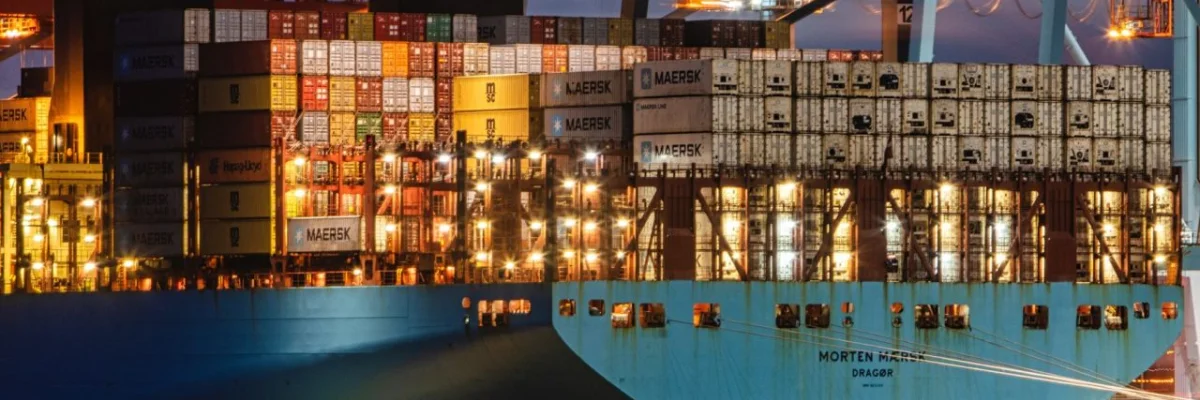
The global maritime industry is currently undergoing a significant transformation driven by the integration of cloud-based technology and real-time data analytics. As freight forwarders face increasing pressure to provide transparency and efficiency, moving away from legacy systems has become a strategic necessity. Mastering ocean freight operations requires a balance of logistical expertise and the ability to leverage digital tools that streamline complex documentation and communication flows. By embracing these modern advancements, forwarders can mitigate risks, reduce operational overhead, and deliver superior service levels to their clients in an increasingly volatile global shipping environment that demands constant innovation and adaptability.
Mastering Carrier Capacity Planning
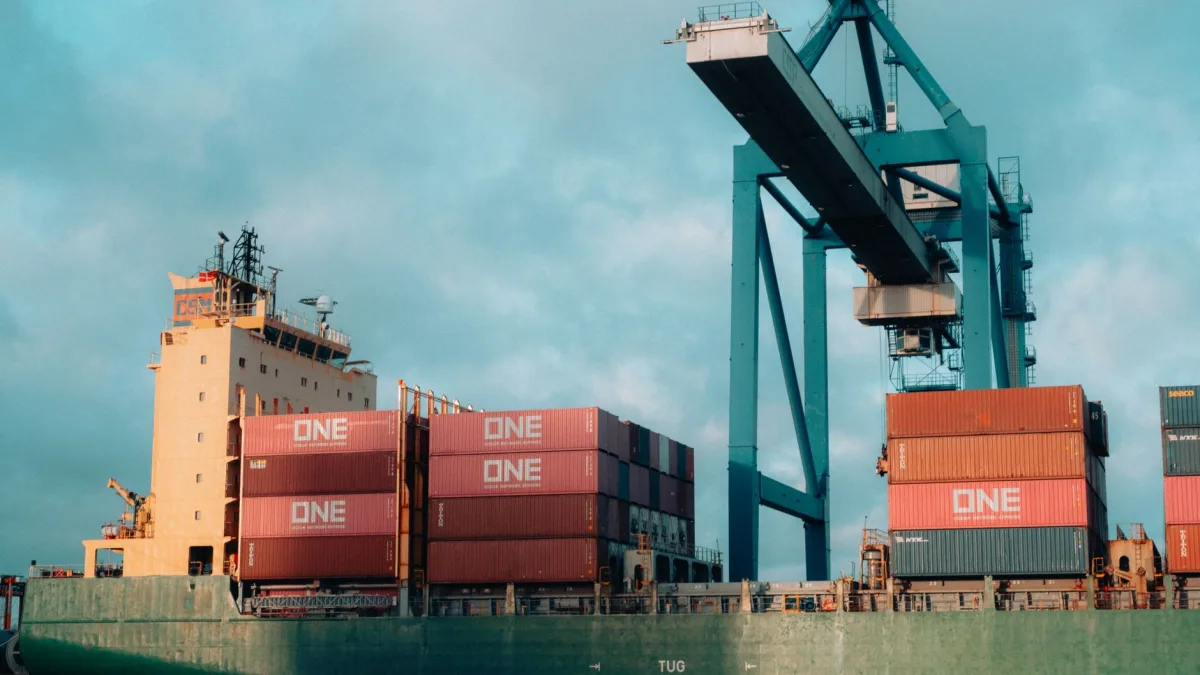
Effective capacity planning remains the backbone of successful ocean freight management. By utilizing advanced software tools, forwarders can predict vessel availability and secure space more efficiently during peak seasons, ensuring that client cargo maintains its schedule despite market fluctuations and carrier constraints.
- Proactive Space Booking: Advanced algorithms allow your team to secure vessel space weeks in advance based on historical volume patterns and projected client demand for specific trade lanes.
- Carrier Performance Tracking: Monitor carrier reliability and historical transit times to make data-driven decisions that prioritize the most dependable shipping partners for your high-priority export shipments.
- Automated Capacity Alerts: Receive real-time notifications regarding vessel blank sailings or port congestion to adjust your booking strategies before operational delays impact your bottom line or client trust.
- Integrated Schedule Management: Centralize all carrier schedules within your platform to eliminate manual data entry errors and provide your team with a single source of truth for planning.
Strategic capacity planning is no longer just about filling containers. It requires a forward thinking approach that utilizes historical data to anticipate market shifts. By digitizing the planning process, freight forwarders create a robust buffer against supply chain disruptions. This shift towards proactive management ensures that your logistics operations remain agile and highly responsive, even when facing significant industry-wide challenges or sudden shifts in global shipping capacity.
Streamlining Documentation and Compliance

Managing the overwhelming volume of shipping documentation is a primary pain point for modern forwarders. Digitizing bills of lading, commercial invoices, and customs declarations significantly reduces manual entry errors while ensuring full compliance with international maritime laws and local regulatory requirements.
- Centralized Document Storage: Store all essential shipping documents in a secure, cloud-based environment that allows for instant retrieval and easy sharing between internal teams and external stakeholders.
- Automated Compliance Checks: Utilize built-in validation tools to cross-reference customs data against regulatory updates, ensuring that every shipment meets destination country requirements before reaching the terminal gate.
- Paperless Workflow Adoption: Transition your office to a completely digital document environment to save time on administrative tasks and reduce the physical footprint of your logistics operations.
- Standardized Filing Systems: Implement uniform naming conventions and document tagging that make tracking specific client files effortless for your support staff during busy shipping cycles.
Precision in documentation is the bridge between a seamless transit and a costly customs hold. By moving to digital workflows, you eliminate the risks associated with lost paperwork and manual input mistakes. Your team gains valuable time to focus on complex client challenges rather than administrative drudgery. This professional approach to compliance keeps your cargo moving efficiently through every necessary international checkpoint without delay.
Leveraging Real-Time Cargo Visibility

Visibility is the ultimate competitive advantage in ocean freight. Clients expect to know the status of their cargo at any moment, and providing this information via automated tracking updates fosters deep loyalty and long-term business partnerships for your firm.
- Instant Status Updates: Integrate direct API feeds from carriers to provide your clients with accurate container location data updated as soon as the vessel hits each port.
- Proactive Exception Management: Identify potential delivery delays before they happen by monitoring vessel movements and weather patterns to keep your clients informed with immediate and honest updates.
- Customizable Client Dashboards: Provide your high-volume shippers with access to a branded digital portal where they can view shipment milestones and performance metrics in one view.
- Automated Notification Systems: Configure triggers that automatically send email or SMS alerts to stakeholders when a shipment enters a new stage or requires a specific action.
True visibility goes beyond simply knowing where a container is located. It is about understanding the narrative of your shipment as it travels across oceans. By utilizing these digital tracking tools, you turn passive updates into a proactive service experience. Clients value the transparency, and you gain the efficiency that comes from having fewer manual status inquiries flooding your inbox every single day.
Managing Financials and Freight Costs

Controlling costs while maximizing profitability requires a deep understanding of your operational financials. From carrier invoices to client billing, automating your financial processes ensures accuracy and provides clear insights into the profit margins of every individual shipping container.
- Automated Invoice Matching: Automatically compare carrier invoices against original quotes to identify overcharges or discrepancies, allowing for immediate disputes and faster financial resolution for your accounting department.
- Dynamic Profit Analysis: Gain immediate visibility into the profit margin of every shipment by calculating total costs against client revenue in real-time within your freight forwarding software.
- Integrated Payment Portals: Simplify the collection process by offering clients digital payment options that reduce the time between invoicing and the actual receipt of your funds.
- Customized Financial Reporting: Generate detailed performance reports that highlight your most profitable trade lanes and identifying areas where operational costs are currently exceeding projected company budgets.
Mastering your financial operations is essential for scaling your business in a competitive market. Automating the complex billing cycle allows you to maintain healthy cash flow while minimizing the human error inherent in manual accounting. By focusing on data-backed financial decisions, you can confidently navigate pricing volatility and ensure your company remains profitable while delivering world-class service to every ocean freight customer.
Conclusion
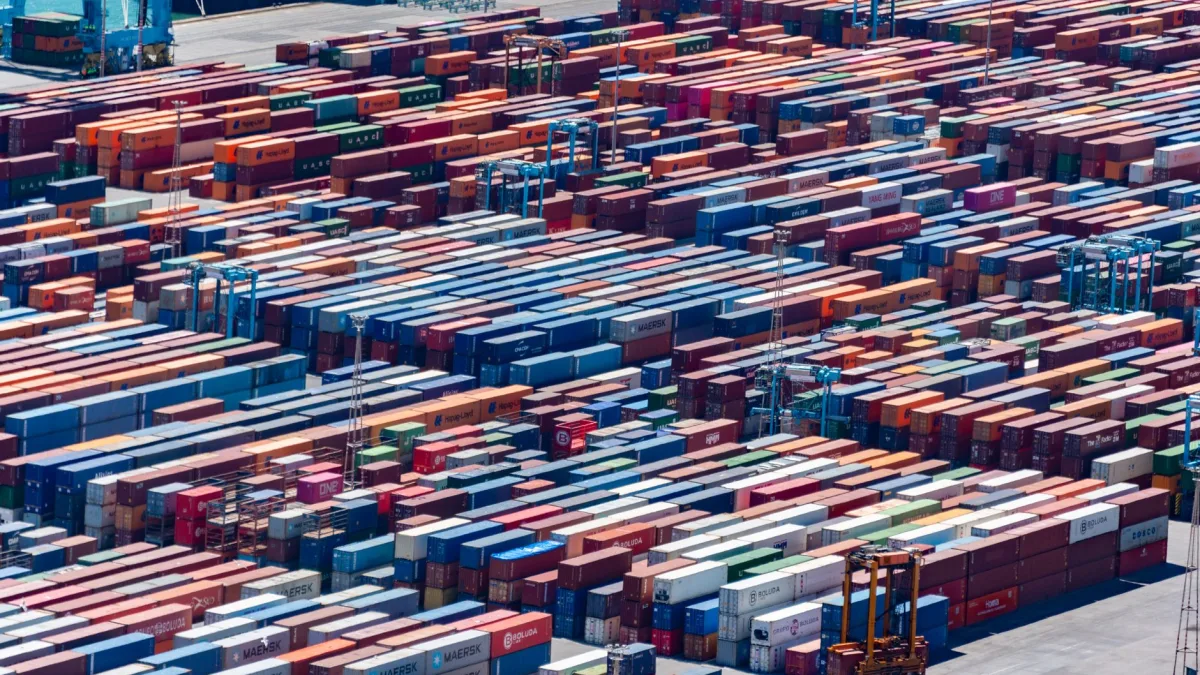
Successful ocean freight operations rely on a combination of technology, transparency, and strategic financial management. By embracing modern digital tools to handle capacity, documentation, tracking, and billing, forwarders can overcome the complexities of global trade. These improvements not only increase internal efficiency but also build the strong client relationships necessary for long-term growth. Start optimizing your workflows today to remain competitive in this evolving industry.