Optimizing Ocean Freight Operations for Modern Logistics
Thursday, July 23 2026

The global shipping landscape demands unparalleled precision and agility from freight forwarders aiming to maintain a competitive edge. As supply chains become increasingly complex, relying on outdated manual processes or disconnected spreadsheets creates bottlenecks that stifle growth and erode client trust. Modern freight forwarding requires a shift toward digital transformation, leveraging cloud-based platforms to enhance visibility and operational speed. By integrating advanced software solutions into your daily ocean freight workflows, your team can automate repetitive tasks, reduce human error, and provide the transparent, real-time status updates that modern shippers expect in an ever-shifting international marketplace.
Mastering Container Logistics
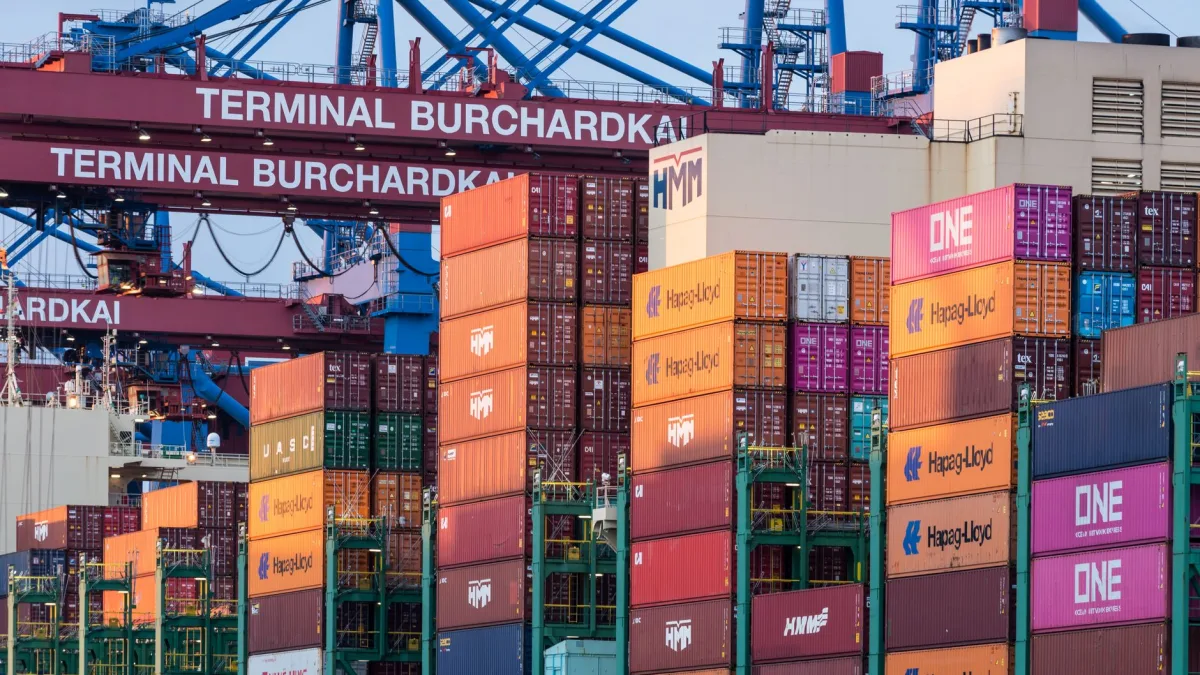
Port operations serve as the heart of global trade where efficiency determines the profitability of an entire shipment cycle. Managing container flow effectively requires robust digital tools that track movement from the moment of pickup to the final gate out.
- Real-time container tracking: Advanced digital platforms allow forwarders to monitor container movements instantly across global ports to ensure that delays are identified before they impact your client delivery schedules.
- Automated gate management: Integrating port data directly into your software streamlines the documentation process for gate moves and reduces the time spent on manual administrative tasks for dispatchers.
- Optimized load planning: Utilizing intelligent planning software helps teams maximize container space usage which significantly reduces shipping costs and enhances the overall efficiency of your ocean freight operations.
- Document digitalization workflows: Transitioning from paper based records to digital formats ensures that container manifests and bills of lading are stored securely and accessible to authorized personnel immediately.
Optimizing these processes reduces the risk of expensive port demurrage and detention charges that frequently plague logistics providers. By utilizing automated workflows, your operations team can focus on exceptions rather than routine data entry. This proactive approach to container management ensures that your agency remains resilient even when facing port congestion or sudden shifts in carrier capacity, ultimately leading to higher client satisfaction and retention.
Digitalizing Shipping Documentation

The manual preparation of bills of lading and commercial invoices remains a significant source of operational friction. Adopting digital documentation systems eliminates redundant data entry and ensures that vital shipping information remains accurate throughout the entire export process.
- Electronic document automation: Cloud platforms enable the instant generation of shipping documents using existing data fields which drastically cuts down the time required for standard paperwork preparation tasks.
- Integrated compliance checks: Built in validation tools ensure that every document meets international customs requirements before submission to prevent costly delays at border crossings and transit points.
- Secure document sharing: Centralized digital vaults provide a secure way to share sensitive shipping documents with carriers and customs brokers while maintaining strict access controls for safety.
- Automated data validation: Systems that cross reference shipping data against pre-defined rules help catch typos or formatting errors before documents reach the port or the client.
Precision in documentation is the foundation of successful ocean freight management. By minimizing errors, you effectively bypass customs holds and administrative delays that disrupt supply chains. As your business grows, these automated systems provide a scalable infrastructure that maintains accuracy regardless of shipment volume. Investing in these digital tools today builds the operational maturity required to handle large scale international trade accounts.
Improving Carrier Performance Management

Monitoring carrier performance is essential for maintaining service standards and controlling freight costs. By analyzing historical data, forwarders can identify which ocean carriers provide the most reliable transit times and cost-effective solutions for specific trade routes and seasonal demands.
- Historical transit analysis: Assessing previous shipment data helps in identifying which carriers consistently meet their scheduled arrival times while avoiding those known for frequent delays in transit.
- Performance KPI dashboards: Real-time visual dashboards allow managers to track critical success factors such as on-time performance and cost variances across different global shipping carrier partners.
- Automated booking comparisons: Quick access to comparative data enables your team to select the best carrier options based on price and speed for every unique client request.
- Service level reporting: Generating detailed reports for your clients proves your commitment to quality by showing exactly how your chosen carriers performed over a set period.
Data-driven decision making changes how you negotiate rates and manage expectations with your clients. When you can present concrete evidence of carrier reliability, you build stronger partnerships and establish your agency as a high-tier service provider. This level of transparency fosters long-term trust, allowing you to secure better rates and prioritize your clients shipments during periods of heavy vessel congestion.
Leveraging Cloud Software Connectivity

Connecting your logistics ecosystem through cloud technology creates a seamless flow of information between disparate parties. This connectivity is the missing link that enables true collaboration and visibility for every stakeholder involved in the complex international shipping process.
- Unified data access: Cloud-based platforms provide a single source of truth that ensures all team members view the same updated shipment status at any given moment.
- Seamless partner integrations: API-led software allows you to connect directly with carriers and warehouses to synchronize inventory updates and shipment milestones without requiring manual intervention from staff.
- Remote workforce accessibility: Cloud software empowers your team to manage ocean freight operations from any location, ensuring business continuity regardless of physical office constraints or global events.
- Scalable system architecture: Cloud solutions allow you to grow your business effortlessly by adding users and data capacity without the need for complex and expensive hardware.
The transition to cloud-based systems is no longer a luxury but a fundamental requirement for forwarders operating in the modern market. By breaking down information silos, your team can operate with unprecedented speed and accuracy. This shift empowers your business to thrive in a digital-first environment while providing your clients with the high-level service experience they require to remain competitive globally.
Conclusion

Adopting advanced digital tools is essential for freight forwarders looking to excel in the complex world of ocean freight. By automating documentation, monitoring carrier performance, and utilizing cloud connectivity, your firm will achieve greater efficiency and reliability. Start your digital transformation journey today to streamline your internal processes and deliver superior results for your clients in an evolving international logistics market.