Optimizing Ocean Freight Operations for Modern Freight Forwarders
Thursday, July 23 2026

The global shipping landscape is evolving at a rapid pace, demanding that freight forwarders modernize their operations to remain competitive. Managing complex maritime logistics requires more than just traditional manual tracking and spreadsheets. As international trade routes face ongoing pressures from supply chain volatility and fluctuating capacity, forwarders must embrace digital transformation to ensure operational agility. By integrating advanced software solutions, logistics professionals can enhance transparency, reduce human error, and provide superior service levels to their clients. This article explores essential strategies to refine ocean freight processes, enabling your company to scale effectively while navigating the multifaceted challenges inherent in modern global logistics management.
Digital Documentation Efficiency
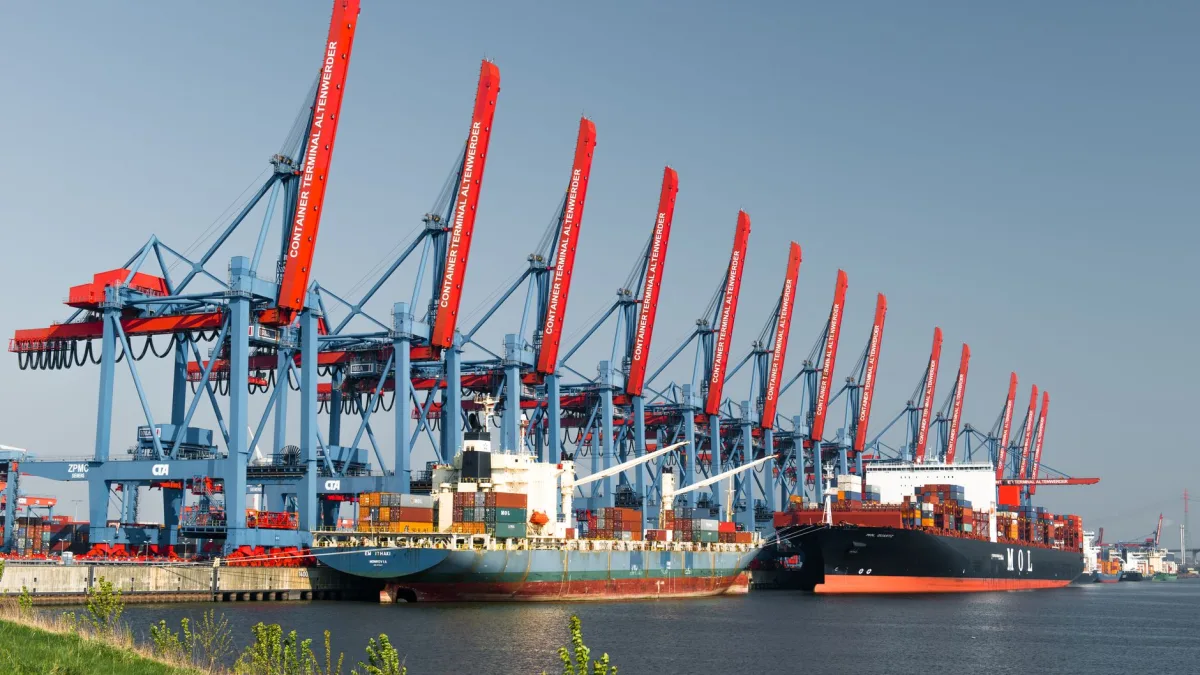
Managing maritime paperwork consumes significant time for logistics teams. By moving away from physical documents to digital automated platforms, freight forwarders can reduce processing bottlenecks and ensure that vital shipping data remains accessible, secure, and accurate across the entire logistics chain.
- Automated Bill Creation: Modern software allows you to generate bills of lading automatically by pulling data directly from shipment files, which eliminates manual entry errors and significantly speeds up processing times.
- Cloud Data Storage: Keeping all shipping documentation in a centralized cloud database ensures that your entire team can access real-time information regardless of their physical location or office workstation setup.
- Secure Data Sharing: Digital platforms enable you to share sensitive documents with customs brokers and port authorities instantly through encrypted channels to improve overall security and expedite cargo clearance.
- Paperless Workflow Adoption: Transitioning to fully electronic workflows helps your firm reduce overhead costs while simultaneously lowering your environmental footprint, which appeals to increasingly eco-conscious shippers around the world today.
Optimizing how you handle documentation creates a ripple effect that improves performance across every department. When your staff spends less time chasing paper trails, they gain extra bandwidth to focus on strategic client relations and complex route planning. This shift in focus is vital for maintaining high margins in the current market, as efficiency directly dictates your ability to handle higher shipment volumes without additional hiring.
Real-time Cargo Tracking

Visibility is the backbone of modern freight forwarding. Implementing robust tracking tools allows forwarders to monitor cargo progress across the ocean in real time, providing clients with proactive updates and reducing anxiety regarding the status of their high-value goods shipments.
- Live Vessel Tracking: Integration with satellite-based tracking systems enables you to see exactly where cargo is located at any moment, helping you identify potential delays before they impact delivery schedules.
- Automated Status Alerts: Sending proactive notifications to customers whenever a vessel reaches a major milestone fosters trust and significantly reduces the volume of incoming status inquiry emails for your team.
- Dynamic Route Adjustments: Access to live traffic and weather data allows your logistics coordinators to suggest alternative routing options to avoid congested ports or areas affected by severe storms.
- Integrated Port Data: Connecting your software directly with port terminal operating systems ensures that you have the latest information regarding berth availability and expected discharge times for every single vessel.
Transparency is no longer a luxury but a fundamental requirement for building long-term client loyalty. When you provide accurate information before your customers even ask, you position your brand as a reliable partner rather than just a service provider. These proactive insights empower shippers to manage their own inventories more effectively, which strengthens the business relationship and justifies your premium service fees consistently.
Managing Capacity Effectively
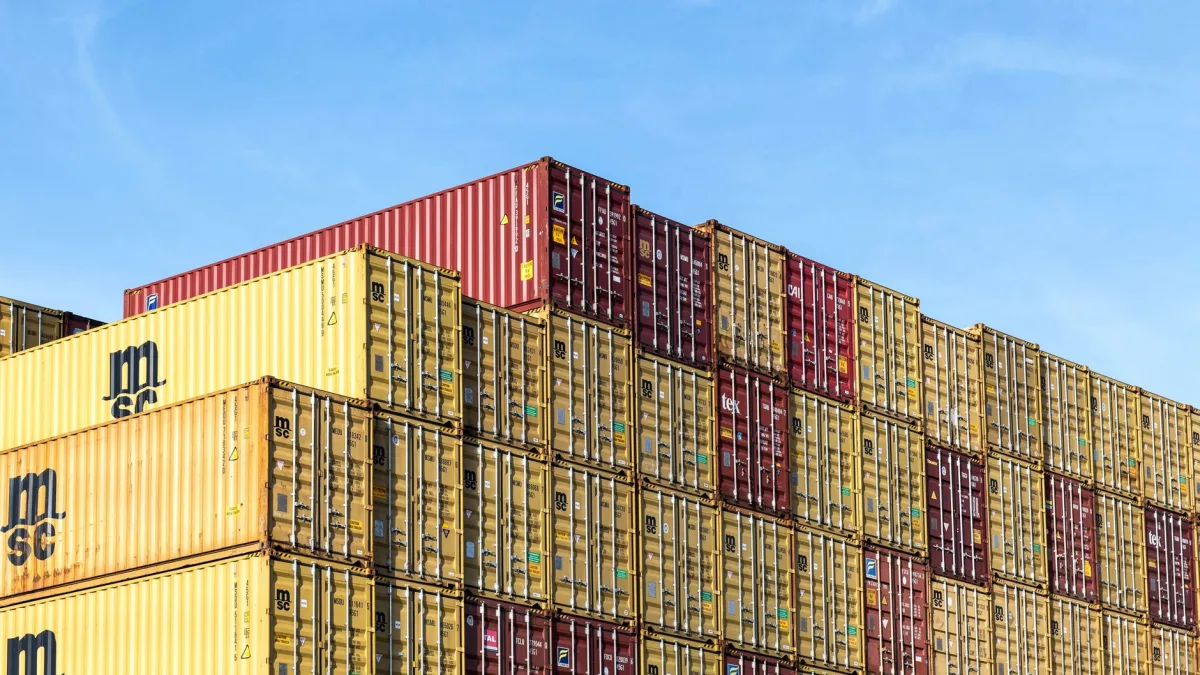
Securing space on vessels during peak seasons remains a persistent challenge for forwarders. Utilizing intelligent software helps teams forecast demand more accurately, allowing you to secure competitive rates and negotiate reliable space allocations with ocean carriers throughout the calendar year.
- Accurate Demand Forecasting: Historical data analysis within your software helps predict future shipment trends so that you can book necessary capacity well in advance of the busy holiday peak seasons.
- Rate Comparison Tools: Using digital platforms to compare quotes from multiple carriers instantly ensures you always find the most cost-effective and efficient shipping routes for every unique cargo requirement.
- Carrier Performance Reviews: Tracking how well different carriers meet their delivery promises enables you to select partners based on actual reliability statistics rather than just the lowest price quotes.
- Volume Commitment Tracking: Managing your total volume agreements through a digital dashboard prevents overbooking penalties and ensures you always satisfy the terms of your contracts with major ocean carriers.
Smart capacity management protects your bottom line against the volatile nature of global shipping rates. By staying organized with your carrier relationships, you minimize the risk of being left with stranded cargo when space becomes tight. This strategic approach to procurement ensures your business stays resilient against market shocks while maintaining consistent service levels for your clients, even when the shipping industry faces severe capacity constraints.
Customer Service Excellence

Providing a superior experience for shippers requires seamless communication and easy-to-use interfaces. Freight forwarders who empower their clients with self-service portals often find higher satisfaction rates, as customers enjoy the flexibility of accessing shipment status and financial reports on their schedule.
- Client Self-service Portals: Giving your customers direct login access to view their shipment history and current status reduces administrative friction and enhances the overall professional image of your forwarding company.
- Integrated Billing Tools: Offering simple, automated invoicing features through your portal allows clients to settle payments instantly, which significantly improves your cash flow and reduces the time spent on chasing payments.
- Personalized Communication Hubs: Keeping all correspondence related to a specific booking in a single, dedicated location prevents important details from being lost in crowded personal email inboxes during busy periods.
- Mobile Accessibility Features: Ensuring your software works seamlessly on mobile devices allows clients and your field agents to manage operations on the go, providing convenience that distinguishes you from slower competitors.
Investing in the customer experience transforms your business from a commodity into a value-added partner. When shippers feel in control of their own logistics information, their perception of your service quality improves dramatically. This satisfaction leads to repeat business and positive referrals, which are the most cost-effective ways to grow your freight forwarding company. Superior service is the ultimate competitive advantage in ocean freight.
Conclusion
Modernizing your ocean freight operations is essential for success in today's fast-paced global logistics sector. By prioritizing digital documentation, real-time visibility, capacity management, and customer satisfaction, your firm can achieve operational excellence. Start by evaluating your current software capabilities and identifying areas where automation can reduce manual effort. Embracing these technological advancements will empower your team to drive growth and maintain a strong competitive edge.