Optimizing Ocean Freight Operations in the Modern Logistics Era
Saturday, July 25 2026
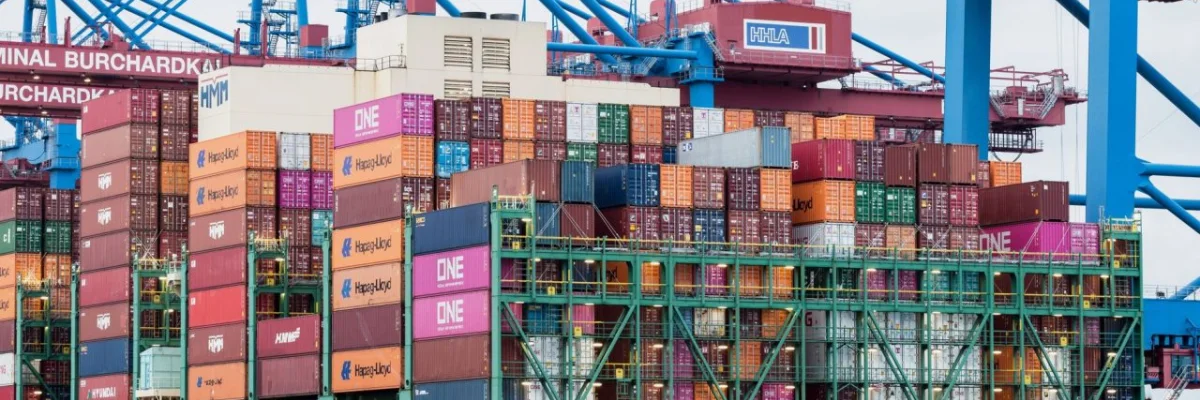
Global supply chains face unprecedented pressure as market volatility and shifting consumer demands redefine traditional maritime transport. For freight forwarders, the ability to maintain profitability while ensuring seamless cargo movement across oceans is now a competitive necessity. By embracing digital transformation and leveraging cloud-based platforms like MakeCargo, logistics professionals can overcome manual bottlenecks and gain real-time visibility into their complex operations. This guide explores essential strategies for enhancing operational efficiency, managing carrier relationships, and navigating the complexities of modern ocean freight management to ensure long-term business growth and consistent service quality for your global client base.
Digital Transformation Essentials
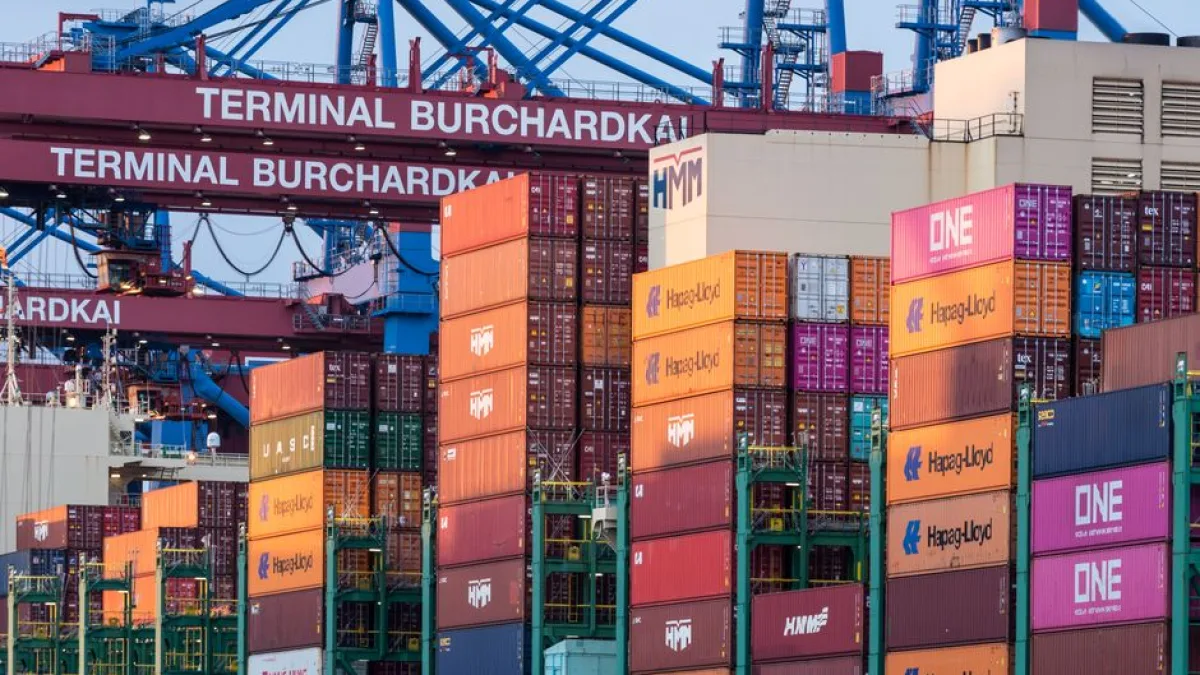
Modern freight forwarding relies on the seamless integration of digital tools to manage massive data sets. Transitioning from legacy spreadsheets to automated software reduces human error, accelerates documentation processes, and ensures that critical shipment information is accessible to all relevant stakeholders instantly.
- Automated Documentation Processing: Streamlining your paperwork flow reduces the time spent on manual data entry tasks and ensures that customs requirements are met with greater accuracy and speed.
- Real-time Shipment Visibility: Utilizing cloud platforms allows you to track vessels and cargo status updates in real time, providing clients with transparency throughout the entire transit.
- Centralized Communication Hubs: Consolidating all emails and documents into one digital environment prevents critical information silos and keeps your entire team aligned on every specific shipment.
- Advanced Data Analytics: Implementing reporting tools helps identify performance trends and cost-saving opportunities, allowing your agency to make informed decisions that improve overall operational efficiency and profitability.
Adopting these technologies is no longer an optional upgrade but a fundamental requirement for staying relevant. By digitizing your workflow, you create a scalable foundation that supports business expansion and enhances your service reliability. Clients expect modern solutions and rapid responses, making the shift to automated platforms the most effective way to secure a sustainable competitive advantage in a crowded global logistics market.
Managing Carrier Relationships
Building strong partnerships with ocean carriers is vital for securing competitive rates and reliable space allocation. A collaborative approach based on transparency and consistent volume forecasting allows forwarders to negotiate better terms and navigate challenging market cycles with greater ease.
- Strategic Volume Forecasting: Providing carriers with accurate volume projections helps them optimize their own capacity planning, which often leads to more favorable rate negotiations for your firm.
- Collaborative Performance Reviews: Hosting regular meetings with carrier representatives allows both parties to address service bottlenecks and develop proactive solutions to improve transit times and consistency.
- Multi-Carrier Diversification: Maintaining a balanced portfolio of ocean carriers ensures that your supply chain remains resilient against sudden blank sailings or disruptions within a single network.
- Transparent Rate Management: Using software to track and compare carrier performance metrics provides the leverage needed to secure priority bookings during peak periods of high demand.
Effective relationship management hinges on mutual trust and consistent communication. When freight forwarders treat carriers as long-term partners rather than temporary vendors, the benefits manifest through preferential service and better dispute resolution. Prioritizing these professional connections ensures that your operations remain stable even when global conditions become unpredictable, ultimately protecting your clients from unnecessary delays and unexpected cost escalations in transit.
Optimizing Cost Efficiency

Cost management in ocean freight requires a deep understanding of hidden charges and route inefficiencies. By analyzing historical data and optimizing shipment consolidation strategies, forwarders can significantly reduce landing costs and pass these competitive savings on to their loyal shipping customers.
- Strategic Shipment Consolidation: Grouping smaller shipments into full container loads minimizes per-unit shipping costs and maximizes the space utilization of every container moving across the global ocean network.
- Route Optimization Tools: Leveraging software to compare different transit paths and port calls helps identify the most cost-effective and time-efficient routes for diverse cargo types.
- Automated Invoice Auditing: Utilizing automated systems to cross-reference carrier invoices against agreed contracts prevents overbilling and ensures that your bottom line is protected from common calculation errors.
- Proactive Surcharge Management: Keeping an updated database of port fees and fuel surcharges allows for accurate quoting and prevents the need for retroactive billing adjustments later on.
Continuous monitoring of expenses is the hallmark of a successful freight forwarding agency. By applying data-driven insights to your cost structure, you move from reactive budgeting to proactive financial management. This disciplined approach to expenditure not only strengthens your profit margins but also provides the flexibility to offer more competitive pricing strategies that attract and retain large accounts effectively.
Ensuring Supply Chain Compliance
Regulatory compliance remains one of the most critical aspects of ocean freight forwarding. Navigating international maritime laws, safety protocols, and customs requirements requires rigorous attention to detail to avoid heavy penalties and ensure your shipments move across borders without incident.
- Standardized Compliance Checklists: Implementing digital checklists ensures that every shipment adheres to international safety standards and documentation requirements before the vessel even departs the origin port.
- Continuous Regulatory Training: Keeping your staff informed about the latest changes in maritime law prevents costly mistakes and ensures that your operations remain fully compliant globally.
- Secure Data Protection Protocols: Protecting sensitive client information with high-level encryption software is essential for maintaining trust and meeting international data privacy requirements in modern logistics.
- Integrated Customs Filing: Utilizing software that connects directly with government customs platforms streamlines the entry process and reduces the risk of long delays at busy border crossings.
Regulatory excellence builds your brand reputation as a reliable and secure logistics partner. While the burden of compliance is high, the investment in robust processes and modern software pays off through reduced risk and faster transit times. Prioritizing integrity and precision in your documentation processes will differentiate your firm, creating long-term value for clients who demand a worry-free shipping experience globally.
Conclusion

Success in the ocean freight sector requires a blend of technological adoption, strong partnerships, and rigorous operational control. By automating core processes and focusing on data-driven decision making, forwarders can thrive despite global volatility. Start optimizing your freight operations today by integrating specialized software, and ensure your logistics business is positioned for long-term growth. Contact the MakeCargo team to learn how our platform streamlines your workflow.