Optimizing Ocean Freight Operations in the Modern Logistics Landscape
Saturday, July 25 2026

Navigating the complexities of global ocean freight requires precision, foresight, and a robust digital infrastructure. As supply chain volatility remains a constant challenge, freight forwarders must leverage technology to maintain visibility and efficiency across every sea route. From managing complex carrier relationships to handling intricate customs documentation, the modern logistics professional needs tools that simplify operations while reducing human error. This article explores how adopting cloud based solutions can transform your shipping strategy, ensuring that you stay competitive in a crowded marketplace while providing superior service levels to your customers and stakeholders through data driven decision making.
Mastering Carrier Capacity Management
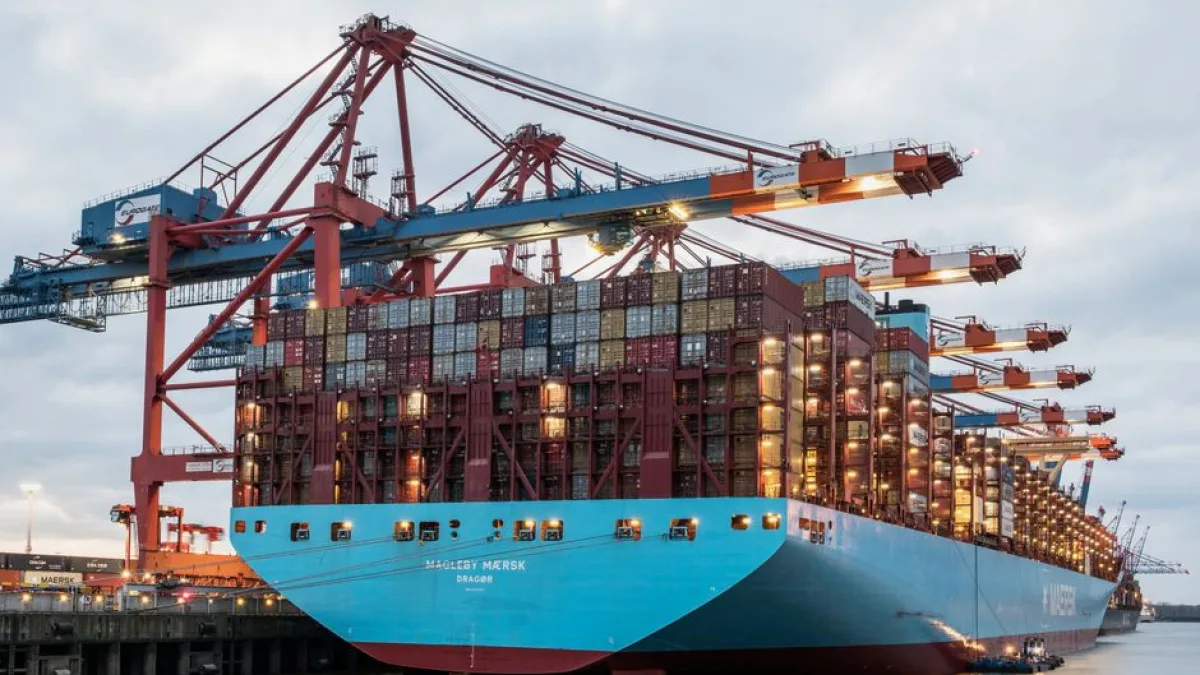
Managing carrier capacity effectively is the cornerstone of a successful ocean freight operation. By monitoring space availability and booking windows, forwarders can avoid costly delays and ensure that client cargo moves seamlessly across international waters regardless of current market demand fluctuations.
- Real time scheduling: Utilize automated tracking tools to monitor carrier schedules, allowing your team to identify and book available capacity before competitors secure the remaining space for major trade lanes.
- Rate negotiation strategies: Consolidate shipment volumes to gain leverage during contract negotiations with steamship lines, ensuring that your firm secures better pricing structures and priority booking status for clients.
- Capacity forecasting tools: Implement predictive analytics to anticipate seasonal surges in demand, enabling proactive resource planning and preventing the common pitfalls of last minute booking scramble during peak.
- Carrier performance tracking: Maintain detailed records of carrier reliability, including transit time consistency and frequency of port omissions, to make informed decisions when selecting partners for critical shipments.
By streamlining how you interact with carrier capacity, your business reduces overhead costs significantly. Implementing automated alerts and digital booking workflows eliminates the traditional back and forth of manual email management. This transition allows your staff to focus on high value tasks like customer relationship management and strategic network expansion, ultimately positioning your agency as a reliable partner in a highly volatile global logistics industry.
Digital Documentation and Compliance

Streamlining documentation workflows is vital for maintaining regulatory compliance in global ocean trade. Modern cloud platforms automate the generation of bills of lading and customs forms, which minimizes errors and accelerates the speed of cargo processing at international ports.
- Automated document generation: Reduce manual data entry by using software that auto populates shipping documents with existing order data, ensuring accuracy and saving valuable time for your documentation team.
- Centralized document storage: Keep all import and export paperwork in a secure, cloud based repository that allows for instant retrieval during customs audits or client inquiries regarding cargo status.
- Compliance verification systems: Integrated compliance modules automatically cross reference shipment data against international sanctions lists, preventing legal issues and protecting your company from severe financial penalties and trade restrictions.
- Electronic data interchange: Utilize EDI technology to exchange information directly with customs authorities and carrier systems, creating a seamless flow of data that accelerates the clearance of goods.
Investing in digital documentation tools is no longer optional for firms aiming to scale. When your team spends less time manually inputting text into static spreadsheets, they dedicate more energy to resolving complex logistics issues for clients. High levels of transparency and speed in documentation processing serve as a competitive advantage that builds lasting trust with your shipping partners and international clients.
Enhancing Supply Chain Visibility

Achieving total supply chain visibility allows freight forwarders to provide accurate updates to clients. With integrated tracking systems, your firm can transform raw data into actionable insights, turning potential disruptions into manageable events while keeping customers informed at every stage.
- End to end tracking: Monitor shipments from origin warehouse to final destination with integrated API connections that provide real time GPS location updates on all major ocean freight routes.
- Exception management alerts: Receive immediate notifications for unforeseen events like port congestion or weather delays, allowing your operations team to suggest alternative routing options to clients proactively.
- Client portal access: Provide your customers with a secure web based portal where they can track their own shipments, reducing the need for constant phone calls and emails.
- Automated milestone updates: Configure your platform to trigger automatic email or SMS notifications for key milestones, such as vessel departure or arrival, keeping stakeholders updated without manual intervention.
Increased visibility directly correlates with higher customer retention rates in the logistics sector. When you proactively notify a client about a delay and simultaneously offer a viable solution, you demonstrate professional competency and reliability. This level of service differentiates your brand from low cost competitors who lack the technological maturity to provide meaningful, data rich updates on their shipments throughout transit.
Financial Efficiency and Profitability

Optimizing the financial aspects of ocean freight ensures long term profitability. From automated invoicing to currency management, the right software stack helps forwarders capture every cent of revenue while minimizing losses caused by administrative inefficiencies and manual accounting errors within daily workflows.
- Automated billing cycles: Generate invoices immediately upon cargo departure, ensuring faster cash collection and improved liquidity for your freight forwarding business through reduced days sales outstanding and streamlined cycles.
- Cost analysis reporting: Utilize comprehensive financial dashboards to analyze profit margins per shipment, helping your team identify which trade lanes or service types offer the highest financial returns.
- Currency fluctuation management: Integrate real time exchange rate monitoring to protect your profit margins from the volatility of foreign currencies during international transactions involving multiple global regions.
- Vendor payment reconciliation: Simplify the process of paying carriers and third party providers by automating reconciliation, which ensures that all charges match contractual rates and prevents overpayments.
By digitizing your financial operations, you create a scalable foundation for business growth. Detailed financial reports provide the clarity needed to make data driven decisions regarding service offerings and regional expansion. Efficiency in back office functions directly improves your bottom line, giving your agency the necessary capital to invest in further innovation and better technology that continues to benefit your clients.
Conclusion
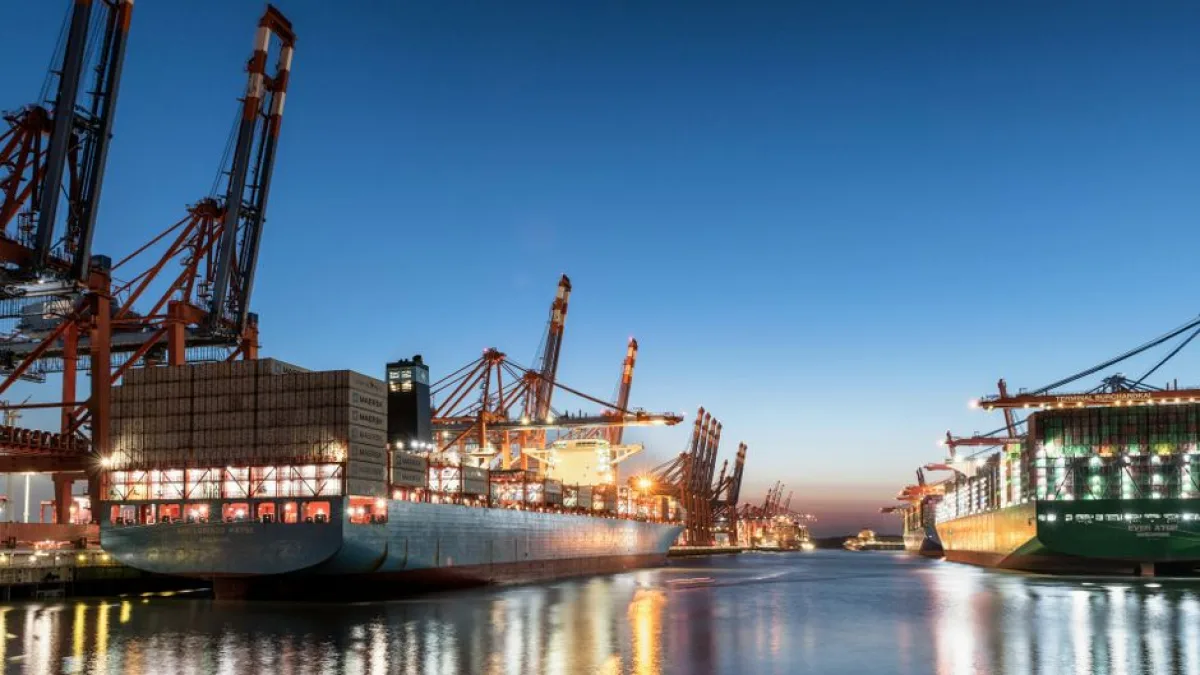
Modernizing your ocean freight operations is essential for success in today's fast moving market. By adopting cloud software that automates capacity management, documentation, visibility, and financial processes, forwarders gain a significant edge over competitors. Start optimizing your digital logistics infrastructure today to improve efficiency, increase profitability, and deliver an unmatched level of service that keeps your clients satisfied and loyal to your brand.