Optimizing Ocean Freight Operations in the Modern Logistics Era
Sunday, July 26 2026
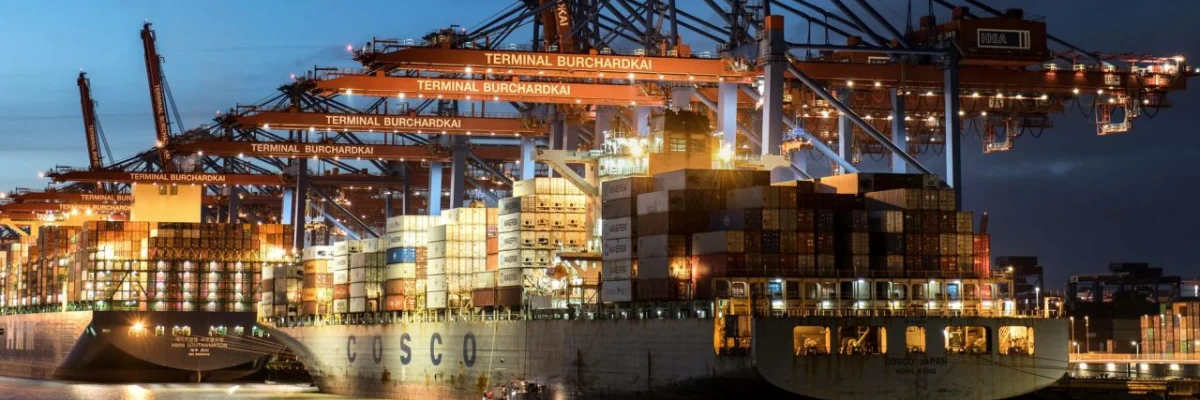
The global ocean freight industry is undergoing a rapid digital transformation as traditional manual processes give way to cloud-based solutions. Freight forwarders must navigate increasing complexity, from volatile container availability to fluctuating bunker fuel surcharges and unpredictable port congestion. Success today depends on agility, real-time data visibility, and the ability to automate mundane tasks that slow down operational throughput. By leveraging robust software platforms, logistics providers can transcend legacy limitations, effectively streamlining their workflows to provide superior value to their customers while maintaining healthy profit margins in a highly competitive international trade market.
Mastering Container Logistics Efficiency
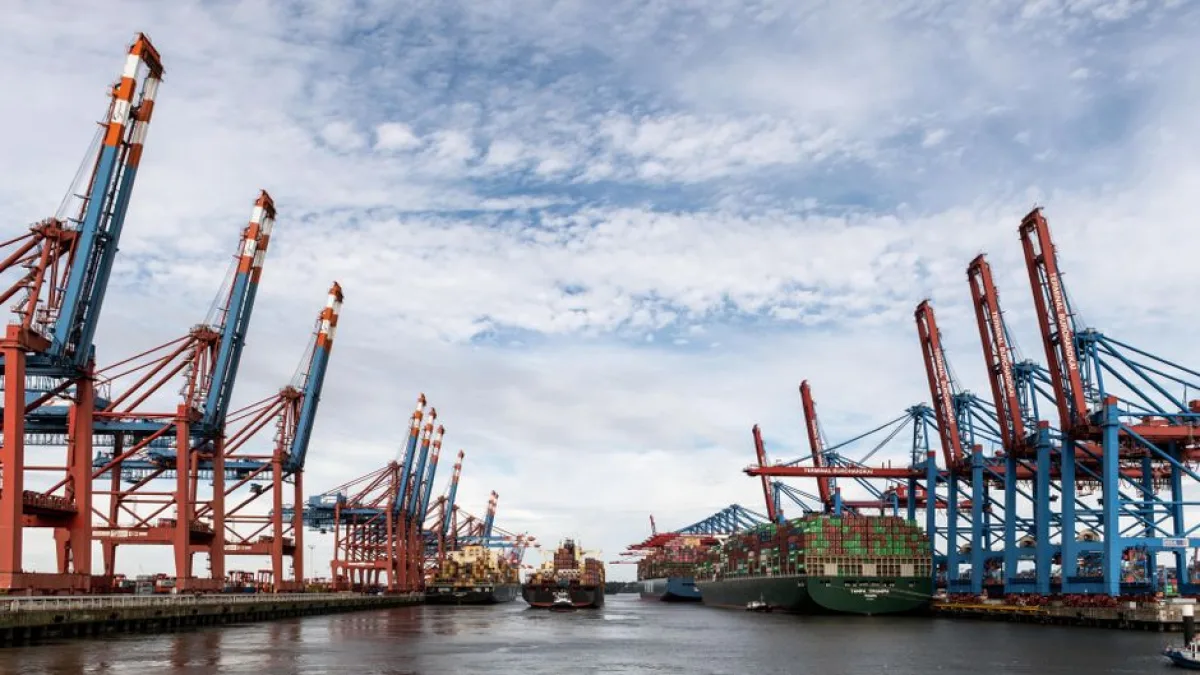
Modern container terminals serve as the heartbeat of global commerce, where precision timing and spatial management dictate the overall speed of the supply chain. Efficiently coordinating these movements requires deep insight into terminal gate activity and container turnaround times.
- Automated Tracking Systems: Implementing digital tracking solutions allows forwarders to monitor container movements across international waters, providing clients with precise status updates that eliminate unnecessary manual phone calls and status inquiries.
- Optimized Stowage Planning: Advanced software tools help in calculating optimal container distribution to reduce weight imbalances and maximize space utilization, which directly lowers the total cost per transported unit.
- Real-time Port Integration: Connecting directly with port community systems ensures that your logistics platform receives instant alerts regarding gate closures, vessel delays, or potential congestion issues before they arise.
- Container Capacity Analytics: Utilizing data-driven insights helps forwarders predict seasonal capacity trends, allowing them to secure shipping space in advance and avoid the volatility of last minute spot rates.
Achieving mastery over container logistics requires a shift toward proactive management rather than reactive fire fighting. When you integrate your operational software with live terminal data, your team gains the clarity needed to anticipate bottlenecks before they stall cargo flow. This strategic oversight reduces dwell times, improves customer satisfaction, and builds a reputation for reliability that attracts high value, long term shipping contracts.
Digital Documentation and Compliance

Paperwork remains a significant pain point for many freight forwarders, often leading to costly delays and compliance errors during the customs clearance process. Transitioning to digitized document workflows significantly mitigates these risks while enhancing overall transaction transparency.
- Electronic Bill Lading: Switching to digital bills of lading speeds up the documentation cycle, ensuring that cargo releases happen instantly once all financial and regulatory requirements are successfully met.
- Automated Compliance Checking: Intelligent software modules automatically cross-reference shipping documents against international trade databases to ensure full compliance with current export and import regulations globally.
- Centralized Document Storage: Cloud based repositories allow authorized stakeholders to access critical shipping documents from any location, eliminating the need for physical filing cabinets and manual document transfers.
- Secure Data Encryption: Protecting sensitive trade data with robust encryption protocols ensures that client information remains confidential while meeting strict international cybersecurity standards for digital logistics communications.
Digital documentation is no longer an optional upgrade but a core requirement for any forwarder operating in the modern trade environment. By automating data entry and compliance checks, your team can focus on complex problem solving instead of mundane clerical tasks. This transition drastically reduces the error rates typically associated with manual document handling, ultimately speeding up the entire export cycle significantly.
Leveraging Real-time Freight Visibility
Visibility acts as the bridge between freight forwarders and their clients, fostering trust and transparency through every stage of the shipment journey. Providing actionable intelligence instead of static status updates defines the modern standard for excellent logistics service.
- Live Shipment Tracking: Integrating GPS and AIS vessel data provides shippers with precise location information, allowing for dynamic planning based on the actual vessel speed and port arrival times.
- Automated Client Notifications: Configure proactive alerts for milestones like vessel departure or customs release, ensuring that your customers remain informed without requiring your staff to manually update them.
- Dynamic Exception Management: Early warning systems detect potential delays during transit, enabling your team to suggest alternative routings or port destinations to avoid prolonged cargo stagnation at sea.
- Unified Logistics Dashboard: Consolidating data from multiple shipping lines into one interface creates a single source of truth, making it easier for your team to identify performance trends.
Visibility is the primary driver of customer loyalty in the freight forwarding industry. When clients can access their own data via a self-service portal, the administrative burden on your staff decreases significantly. This approach shifts the relationship from vendor to partner, as you provide the data-driven insights necessary to help your clients navigate the complexities of international trade with total confidence.
Optimizing Freight Cost Management

Managing costs in ocean freight involves more than just quoting rates; it requires a sophisticated approach to cost accounting, margin analysis, and carrier performance evaluations. Controlling these variables is essential to maintaining profitability despite market fluctuations.
- Automated Rate Management: Centralizing carrier contracts within a digital platform allows for instant rate comparisons, ensuring that your team consistently selects the most cost-effective routing option available.
- Margin Analysis Tools: Sophisticated reporting modules help you identify the actual profitability of individual shipments by accounting for hidden costs like detention, demurrage, and unexpected terminal surcharges.
- Carrier Performance Scoring: Tracking the reliability and cost performance of different carriers allows you to negotiate better terms during contract renewals based on hard historical performance data.
- Invoice Reconciliation Automation: Matching carrier invoices against expected costs automatically identifies discrepancies, preventing overpayments and saving your finance team significant time spent on complex invoice dispute resolution.
Effective cost management provides the financial stability needed to invest in further technological growth and personnel development. By automating the auditing and comparison processes, your business can quickly identify where funds are leaking and take corrective action. This lean operational style allows you to remain competitive on pricing while simultaneously protecting the margins required to support your business expansion objectives.
Conclusion
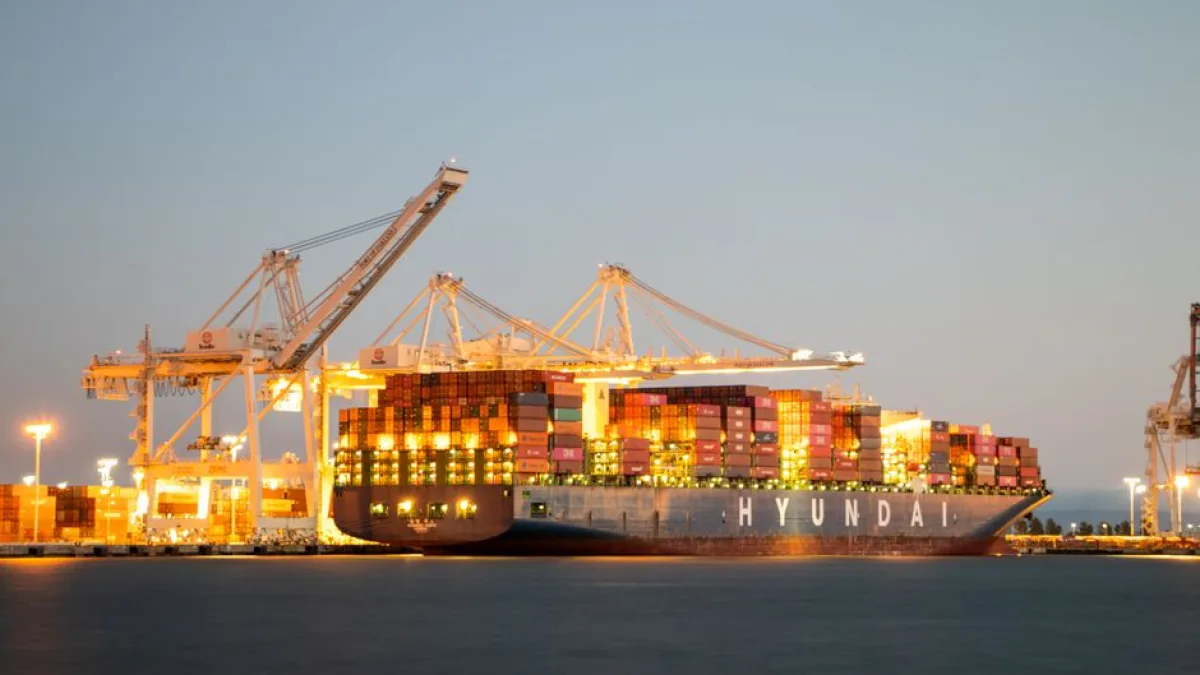
Transforming your ocean freight operations through cloud technology is the most effective way to scale your business in the modern shipping landscape. By focusing on visibility, compliance, and cost management, you create a resilient supply chain that stands up to global uncertainty. Start your digital evolution today to ensure that your freight forwarding business remains a leader in the industry.