Optimizing Ocean Freight Operations in a Volatile Global Market
Monday, July 27 2026
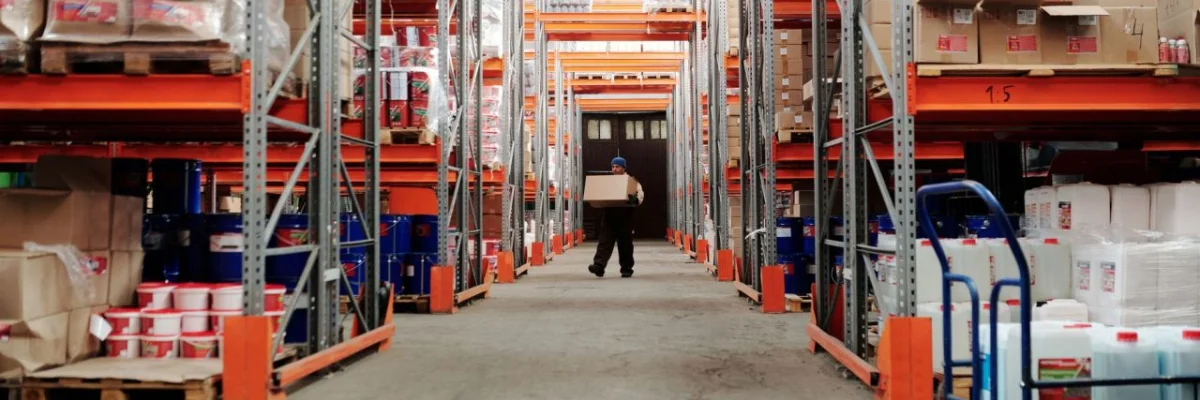
The global maritime logistics landscape remains in a state of perpetual transition as freight forwarders navigate the complexities of fluctuating demand and capacity constraints. For modern professionals, the ability to maintain visibility across complex supply chains is no longer a luxury but a fundamental necessity for operational survival. Leveraging cloud-based technology allows firms to anticipate disruptions, manage documentation with precision, and offer clients real-time data that builds lasting trust. As we look toward the future, the integration of smart digital solutions will define the winners in the ocean freight sector by transforming traditional cargo handling into a seamless and transparent digital experience.
Mastering Container Capacity Planning
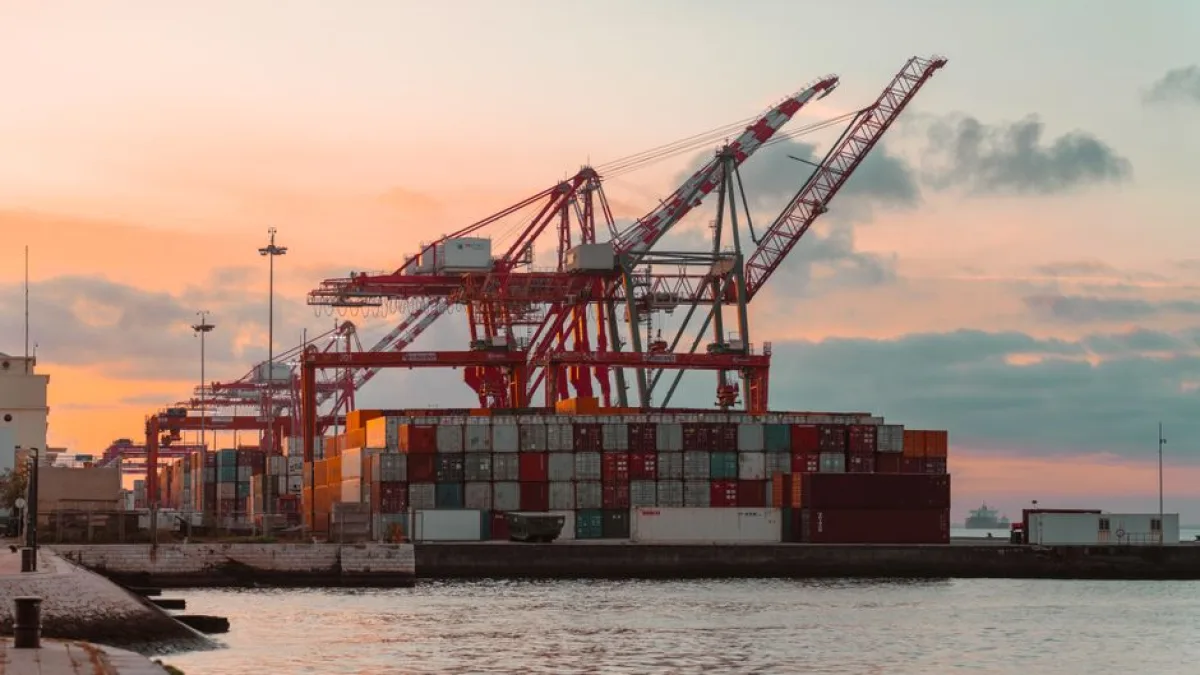
Efficient capacity planning serves as the backbone of successful ocean freight management by ensuring that available space is maximized while minimizing wasted transit potential. Forwarders who adopt a proactive approach can effectively navigate space shortages and fluctuating slot availability throughout peak seasons.
- Automated slot booking: Integrating booking systems with carrier schedules reduces manual errors and ensures that space is secured instantly, providing a competitive edge during high demand periods in international shipping.
- Data driven forecasting: Analyzing historical shipping volumes helps your team predict upcoming capacity needs, allowing you to secure space allocation with carriers well before market prices begin to climb.
- Real time monitoring: Accessing live updates on vessel departures and arrivals allows for better planning of inland drayage, ensuring that your ground transport aligns perfectly with ocean vessel timelines.
- Client visibility tools: Providing your customers with a clear dashboard showing their active bookings increases transparency and reduces the number of status inquiries your support team must handle manually.
Optimizing your container usage requires a harmonious blend of historical data analysis and modern software tools to stay ahead of the curve. By adopting digital platforms, forwarders can transition from reactive scheduling to a strategic model that anticipates market shifts. This proactive methodology not only stabilizes your internal operations but also enhances the overall reliability of the services you provide to your global clients.
Streamlining Documentation and Compliance

The administrative burden of ocean freight often centers on complex documentation including bills of lading and customs declarations that must be accurate to avoid significant port delays or heavy financial penalties for your forwarding organization and its customers.
- Automated form generation: Using standardized templates that pull data directly from your shipment files ensures accuracy, which helps prevent costly errors that often lead to major customs processing delays.
- Secure document cloud: Storing all shipping records in a centralized cloud environment allows for instant retrieval, ensuring that compliance audits or client requests are handled with absolute speed.
- Digital signatures integration: Implementing electronic signature workflows accelerates the signing process for critical legal documents, removing the bottlenecks associated with printing, scanning, and mailing physical paper copies of bills.
- Automated compliance checks: Real time validation against updated international trade regulations ensures that your shipments meet all requirements, protecting your firm from potential legal disputes or unexpected border fees.
Manual paperwork is a relic of the past that frequently introduces human error into critical shipping processes. By digitizing documentation, you ensure that every manifest and declaration is consistent and readily accessible. This digital shift minimizes the risk of detention and demurrage charges, ultimately protecting your profit margins while ensuring that goods move efficiently through ports and customs checkpoints without unnecessary interference.
Enhancing Carrier Performance Management
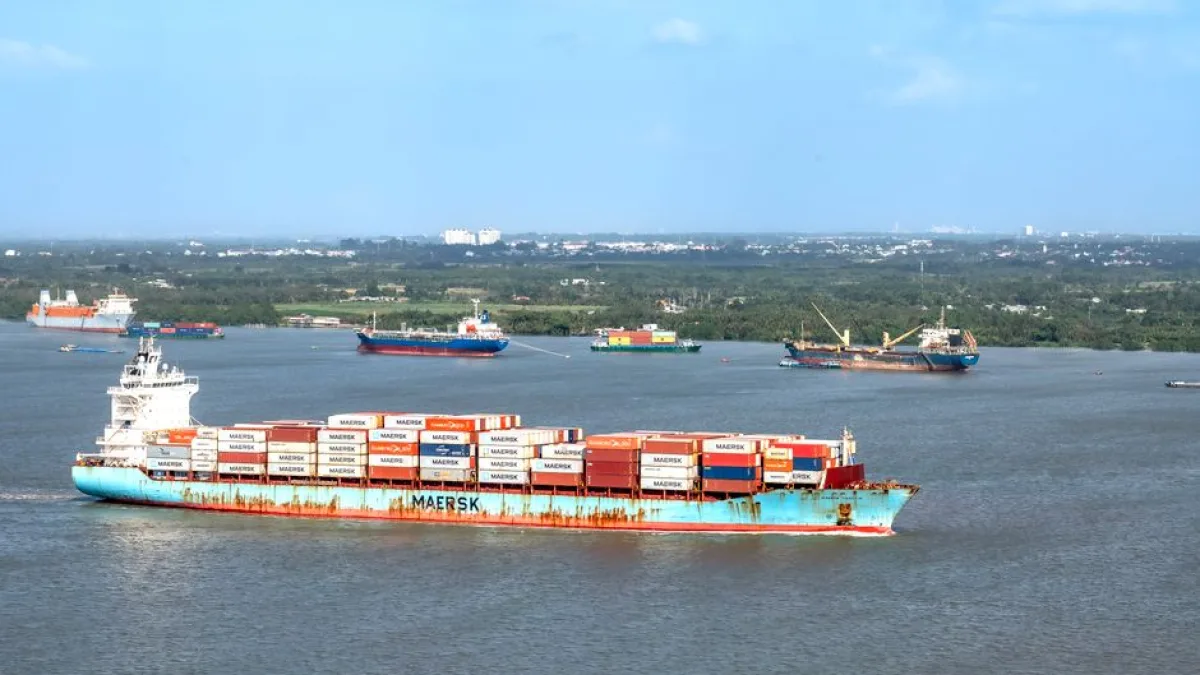
Evaluating carrier performance is essential for maintaining high service standards because it allows you to identify reliable partners and address recurring issues that might affect the timely delivery of your customers cargo across various international trade lanes.
- Reliability scorecards: Creating performance reports for your carrier partners allows you to measure metrics such as on time arrivals and frequency of sudden port omissions in your lanes.
- Exception reporting tools: Configuring automatic alerts for delayed shipments helps you identify service failures immediately, enabling you to communicate proactively with affected clients before they even notice issues.
- Rate management systems: Maintaining a digital library of carrier contracts and spot rates ensures that you can compare costs quickly to identify the most economical and reliable routes.
- Communication automation: Using integrated messaging platforms keeps all correspondence with carriers in one place, which prevents important information from being lost in private emails and individual messaging apps.
Strong relationships with carriers are built on the foundation of consistent communication and data driven performance reviews. By using software to track these vital metrics, you shift from guessing which carriers are performing well to making evidence based decisions. This level of oversight ensures that your firm remains resilient, allowing you to pivot quickly when a specific route or carrier fails expectations.
Leveraging Real Time Cargo Tracking

Real time tracking provides the transparency required by modern supply chains, allowing freight forwarders to provide accurate updates that improve customer satisfaction and reduce the stress of managing long transit times across major ocean routes for your clients.
- GPS integration modules: Connecting your management software with global vessel tracking feeds gives you precise location data, ensuring that you always know where specific cargo is situated at sea.
- Custom event triggers: Setting automated notifications for port entry or departure ensures that you are alerted to status changes instantly, allowing for faster coordination with final mile delivery teams.
- Proactive delay alerts: Receiving early warnings regarding port congestion or weather disruptions enables your team to offer alternative routing options before a situation turns into a major crisis.
- Client portal access: Empowering your customers to log in and view the real time status of their shipments builds trust and reduces the workload on your customer service department.
In the current logistics market, customers expect instant answers regarding the whereabouts of their goods. Providing this transparency turns your logistics service into a strategic asset for your clients, helping them manage their own inventory more effectively. By embracing real time data through cloud platforms, you position your forwarding company as a modern leader that offers unparalleled value, clarity, and peace of mind.
Conclusion
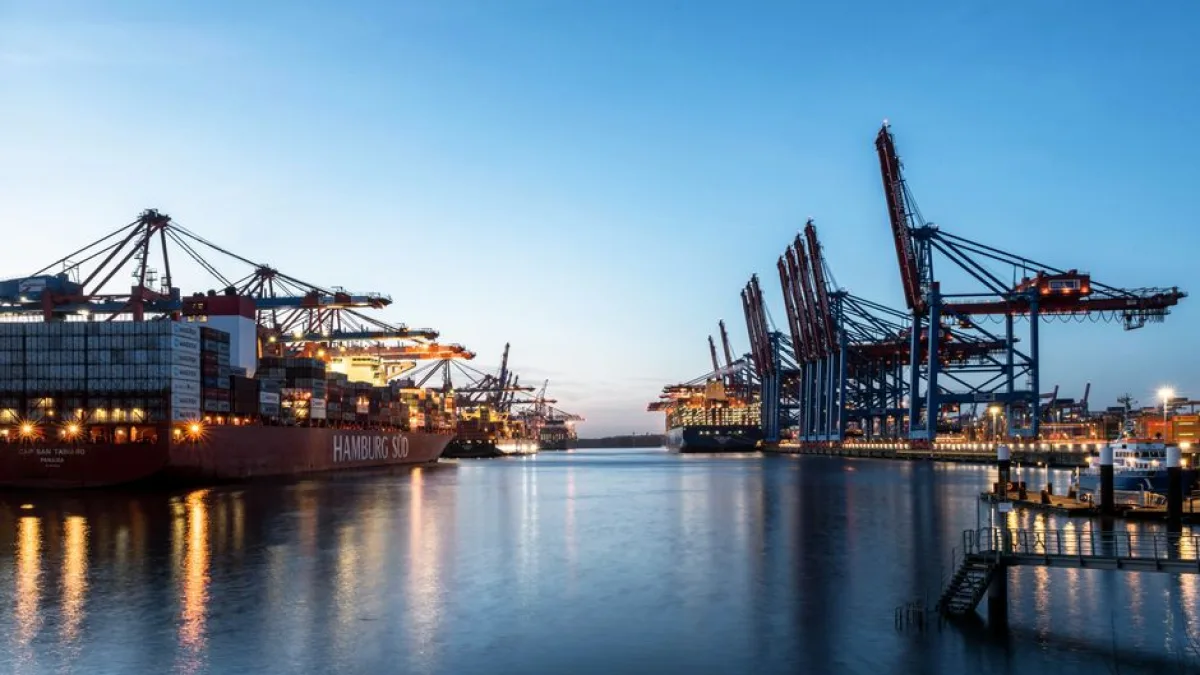
Advancing your ocean freight operations requires a commitment to digital transformation and the adoption of tools that unify data and communication. By focusing on capacity, documentation, carrier performance, and real-time tracking, you can effectively manage the complexities of global trade. Start optimizing your workflows with MakeCargo today to ensure your freight forwarding business remains efficient, transparent, and ready to meet the challenges of tomorrow.