Optimizing Ocean Freight Operations in the Digital Age
Tuesday, July 28 2026

Modern global trade relies heavily on the resilience and efficiency of ocean freight networks. As supply chains grow increasingly complex, freight forwarders face mounting pressure to deliver transparency, speed, and cost effectiveness. Manual processes and legacy spreadsheets are no longer sufficient to handle the demands of international shipping in a volatile market. Adopting cloud-based platforms is the necessary evolution for businesses aiming to maintain a competitive advantage. By leveraging real-time data and automated workflows, forwarders can transform their operations, reduce human error, and provide superior service levels that meet the expectations of modern shippers across the globe.
Mastering Carrier Capacity Management
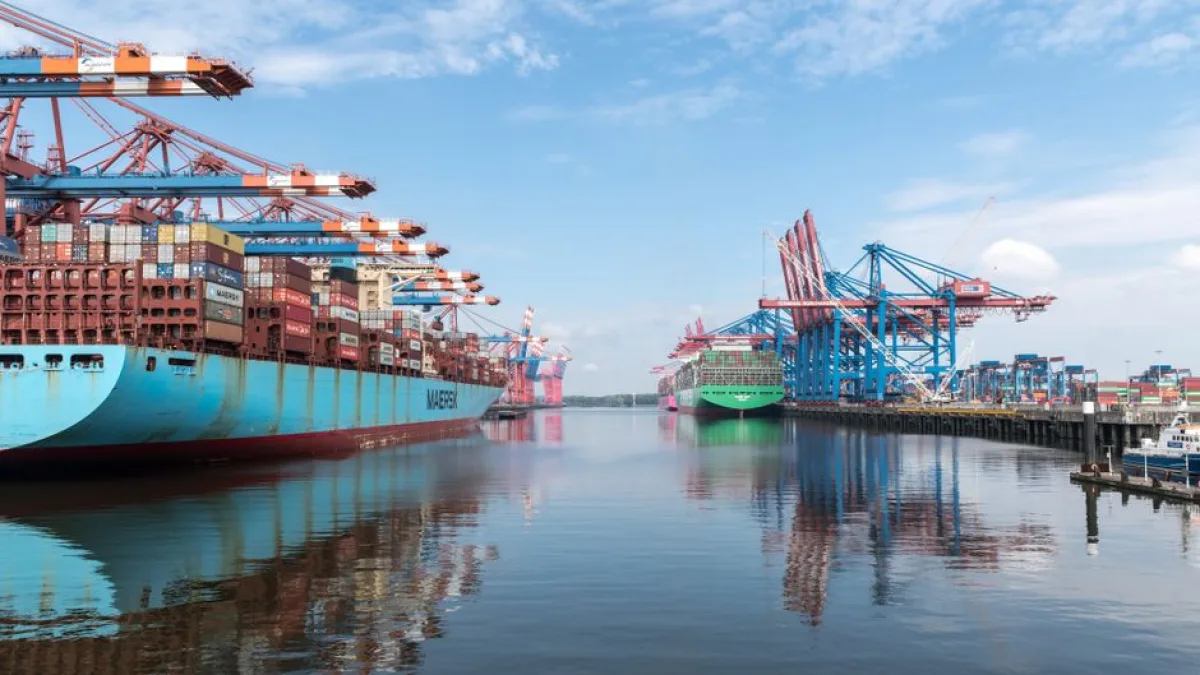
Managing space allocation across various ocean carriers requires precision and deep insight into current vessel schedules. Forwarders must actively monitor global capacity trends to ensure that their client cargo maintains priority status even during periods of heavy seasonal volume demand.
- Real-time tracking integration: Synchronize your internal systems directly with carrier APIs to receive instant updates on vessel locations, port congestion, and schedule changes affecting your current transit shipments.
- Automated space booking: Utilize intelligent software tools to automate the booking process, reducing the time spent on manual data entry and minimizing the risk of costly administrative errors.
- Carrier performance analysis: Evaluate the historical reliability of various shipping lines to make data-driven decisions when selecting partners for specific trade lanes or high-priority client shipments.
- Dynamic route optimization: Assess multiple routing options simultaneously to identify the most efficient paths that balance transit time with cost considerations for your specific cargo requirements.
Effective capacity management is the backbone of a successful freight forwarding business today. By utilizing robust digital tools, you can anticipate potential bottlenecks before they disrupt your supply chain operations. This proactive stance not only improves your operational efficiency but also strengthens your relationships with shippers who value reliability above all else. Transitioning to digital workflows ensures that your team remains agile and responsive.
Streamlining Documentation and Compliance

The paperwork involved in international maritime trade is immense and prone to delays if managed manually. Streamlining the generation, verification, and submission of critical shipping documents is essential for ensuring that goods pass through customs borders without significant interruptions.
- Automated document generation: Eliminate repetitive typing tasks by using templates that auto-fill shipping data directly from your order management system into standardized bills of lading forms.
- Digital compliance checks: Implement automated screening tools to verify that all international shipments adhere to current trade regulations and safety standards required by global customs authorities.
- Cloud document storage: Maintain a centralized and secure repository for all shipping documents, ensuring that every team member can access vital files from any global location.
- Integrated customs filing: Reduce the risk of processing delays by using software that enables direct digital submission of customs declarations to relevant port and national agencies.
Digital transformation in documentation significantly reduces the risk of human error, which often leads to costly cargo detention or demurrage fees at the port. By automating these repetitive administrative tasks, your staff can focus on higher value activities such as customer service and strategic planning. Simplifying compliance workflows ultimately creates a smoother experience for everyone involved in the international shipping journey.
Enhancing Customer Visibility and Communication

Shippers today demand high levels of transparency regarding their cargo status at every stage of the journey. Providing clients with clear, actionable insights through a digital portal is a major differentiator in a crowded freight forwarding marketplace.
- Customer self-service portals: Empower your clients with secure access to their shipping data, allowing them to track cargo status and download documents without needing to contact you.
- Automated email notifications: Configure custom triggers to send proactive status updates to stakeholders whenever significant milestones, such as vessel arrivals or customs clearance, are successfully completed.
- Instant reporting tools: Generate comprehensive analytics reports that highlight key performance indicators, providing your clients with the data-driven insights they need for their own strategic planning.
- Direct messaging features: Facilitate fast and clear communication through integrated chat tools that keep all project-related conversations within the context of the specific shipment file record.
Transparency is no longer just a luxury but a fundamental requirement for maintaining client loyalty in the shipping industry. When you offer your customers a clear window into their supply chain, you build immense trust and credibility. Providing this level of service sets your firm apart and ensures that your clients feel confident in your ability to manage their ocean freight.
Leveraging Data for Strategic Growth

Extracting intelligence from your historical shipping data is the key to long-term profitability. By identifying trends in your performance, you can better negotiate with carriers and refine your operational strategy to maximize your margins on every single booking.
- Profitability margin tracking: Analyze the net revenue of every shipment to identify your most profitable trade lanes and services, allowing for better focus on high-impact business opportunities.
- Carrier rate analysis: Compare historical freight rates against current market averages to ensure you are securing the most competitive pricing for your clients and your own firm.
- Operational efficiency audits: Review team performance metrics to identify where delays occur and implement process improvements that reduce the overall time taken to manage ocean shipments.
- Trend forecasting tools: Utilize predictive analytics to anticipate future demand surges, enabling your business to prepare capacity and resources well before the peak season hits the market.
Making data the heart of your business strategy allows you to transition from reactive troubleshooting to proactive growth. By understanding exactly where your resources are best utilized, you can scale your operations more effectively and handle larger volumes without sacrificing quality. Leverage your proprietary shipping data to gain a significant edge over competitors who rely on guesswork rather than concrete industry evidence.
Conclusion

Digital transformation is the most important step for freight forwarders looking to excel in the ocean shipping sector. By embracing cloud technology and automation, you can improve efficiency, increase customer trust, and drive profitability. Start optimizing your operations today with MakeCargo and see how our platform can support your growth in a competitive global market. Your future success depends on your ability to innovate.