Optimizing Ocean Freight Operations in a Digital Era
Tuesday, July 28 2026
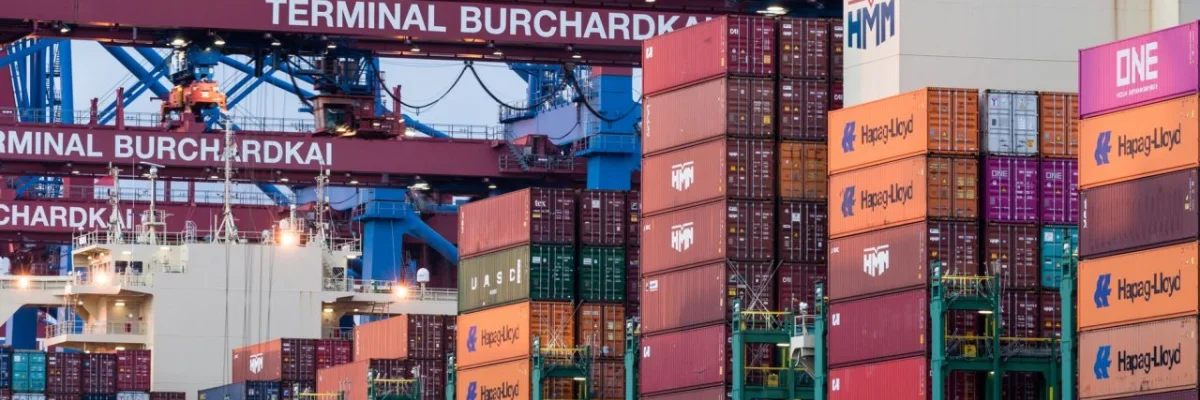
Global supply chains face unprecedented volatility, forcing freight forwarders to move beyond manual processes to remain competitive. Today, successful logistics firms prioritize visibility, speed, and data accuracy to navigate the complexities of international ocean freight shipping. By leveraging cloud-based platforms, professionals can now synchronize documentation, track vessel movements in real-time, and manage carrier communication from a single interface. Adopting modern technology is no longer a luxury but a fundamental necessity for those aiming to reduce operational costs and improve client satisfaction. As market demands evolve, freight forwarders must embrace digital transformation to turn logistical challenges into distinct competitive advantages for their businesses.
Mastering Real-time Shipment Visibility
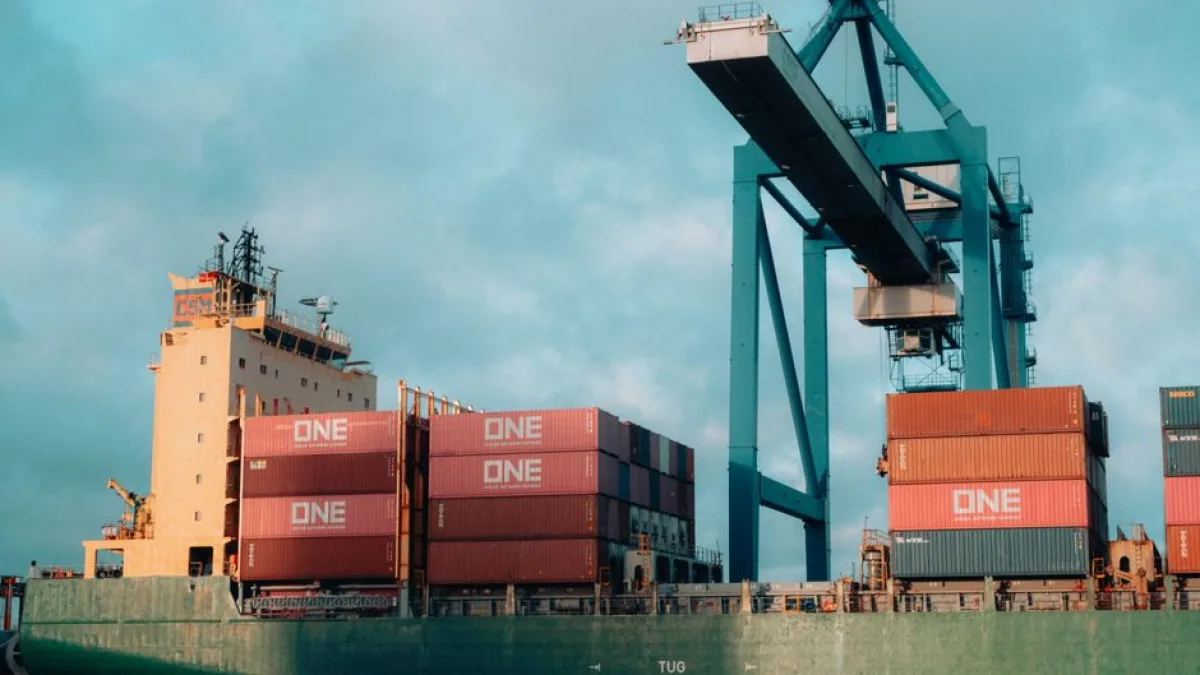
Modern tracking technology allows logistics teams to monitor vessel locations and container status with high precision. By integrating live data feeds into your workflow, you can proactively manage exceptions rather than reacting to delays when they inevitably impact your delivery schedule.
- Automated status updates: Receive instant notifications regarding vessel arrival times and terminal status changes, allowing your team to inform clients immediately without manual checks or repeated email inquiries to carriers.
- Reduced manual tracking: Eliminate the need for logging into multiple carrier websites by centralizing all tracking data directly within your freight management software for a unified view.
- Enhanced operational efficiency: Streamline your daily tasks by focusing on exceptions rather than routine status checks, which allows your staff to handle higher volumes without increasing headcount.
- Data accuracy improvements: Minimize human error by utilizing automated data entry tools that sync shipment details directly from carrier manifests to your internal documentation systems.
Achieving total visibility empowers your team to make informed decisions that prevent cascading delays across the supply chain. When information flows freely through your digital infrastructure, the entire organization benefits from increased transparency and improved reliability. Clients notice the difference when they receive accurate updates, which builds long-term trust and loyalty, setting your agency apart from those relying on outdated legacy systems.
Streamlining Documentation and Compliance

Paperwork remains the biggest bottleneck in ocean freight logistics, often leading to costly port congestion and administrative errors. Transitioning to digital document management systems helps ensure that bills of lading, customs filings, and invoices are processed rapidly and accurately.
- Cloud document storage: Securely archive all shipping documents in a centralized location that is accessible to authorized team members from any device, anywhere in the world.
- Standardized compliance templates: Utilize pre-configured forms that meet international trade requirements, ensuring that your documentation consistently aligns with global customs regulations and carrier standards.
- Rapid approval workflows: Implement automated document verification processes that flag missing signatures or incorrect data points immediately, reducing the turnaround time for critical shipment paperwork.
- Digital signature integration: Speed up the authorization process by allowing partners and clients to sign documents electronically, removing the need for physical mailing or scanning of paperwork.
Digital documentation transforms the way your office handles administrative burdens, turning manual labor into automated efficiency. By reducing the time spent on data entry and filing, your staff can dedicate their energy to high-value client relations and strategic planning. This shift towards a paperless environment not only boosts productivity but also contributes to your company sustainability goals while lowering operational overhead.
Leveraging Data Analytics for Strategy
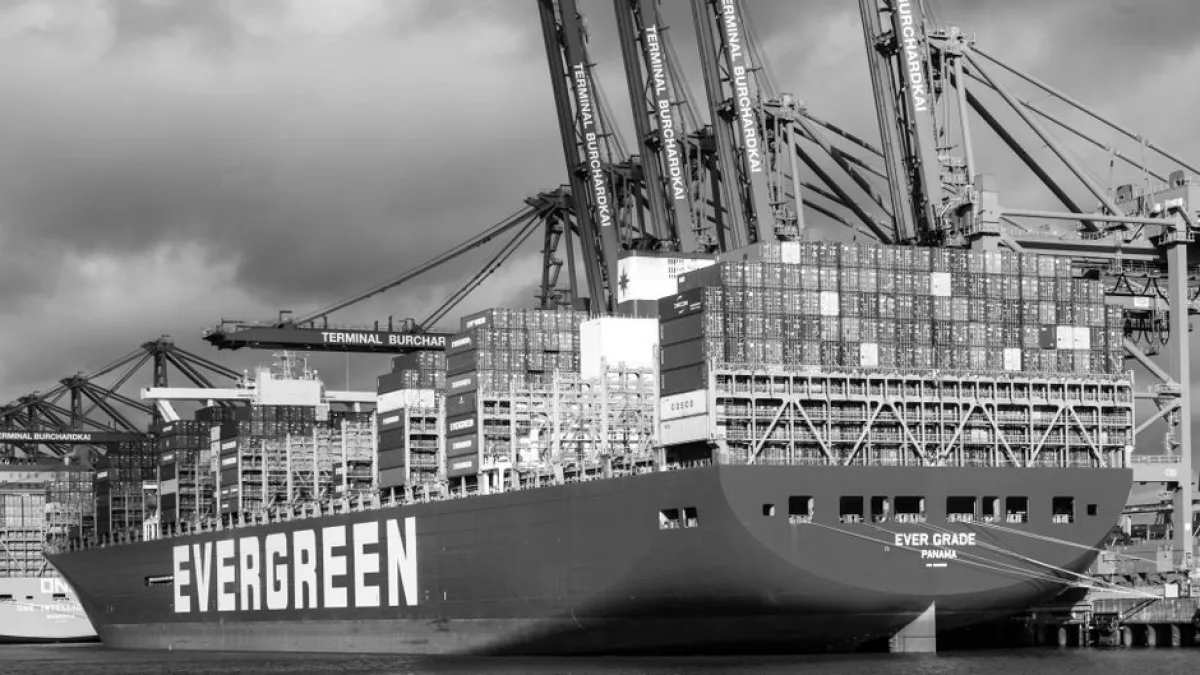
Data is the most valuable asset for a freight forwarder, yet many firms fail to analyze their own operational metrics. By reviewing transit times and carrier performance, you can identify patterns that help in optimizing future shipping routes and costs.
- Carrier performance analysis: Evaluate historical data on transit times and reliability to choose the best partners for specific routes, ensuring your clients receive consistent service every time.
- Cost trend monitoring: Track fluctuations in freight rates and surcharges to provide clients with accurate quotes and proactive advice regarding market conditions in the ocean sector.
- Resource allocation planning: Use performance insights to distribute workloads among your team members effectively, preventing bottlenecks during peak seasons or periods of high market demand.
- Client profitability reports: Analyze which shipping lanes or clients provide the best margins for your business, allowing you to focus your growth efforts on the most profitable segments.
Transforming raw logistics data into actionable strategy helps you move from a reactive posture to a proactive business model. When you understand the underlying trends in your operations, you can negotiate better contracts and offer competitive pricing. This data-driven approach creates a resilient foundation for your company, ensuring you remain profitable and ready to tackle the challenges of international trade markets.
Building Stronger Partner Networks

Successful freight forwarding relies heavily on the quality of your relationships with carriers, agents, and port authorities. Digital platforms foster collaboration by creating a shared space for all stakeholders to communicate and exchange vital information during the shipping cycle.
- Shared portal access: Invite partners to collaborate on specific shipment files, ensuring that everyone involved has the same information and works from the same set of data.
- Real-time message logs: Track all communication regarding a shipment directly within the associated file, preventing the loss of critical instructions or updates in private emails.
- Performance tracking accountability: Hold your global network partners to high standards by using shared dashboards that highlight operational performance and emphasize the need for consistent service.
- Simplified financial settlement: Automate the reconciliation of invoices and payments between your firm and global partners, reducing friction and ensuring prompt financial transactions for all services.
Strengthening your partner network through improved connectivity results in a more responsive and agile supply chain for your customers. When communication is seamless, errors are corrected faster, and problems are solved collaboratively before they escalate. Investing in the tools that connect your global team is the best way to maintain high service standards while scaling your operations to meet future demands.
Conclusion
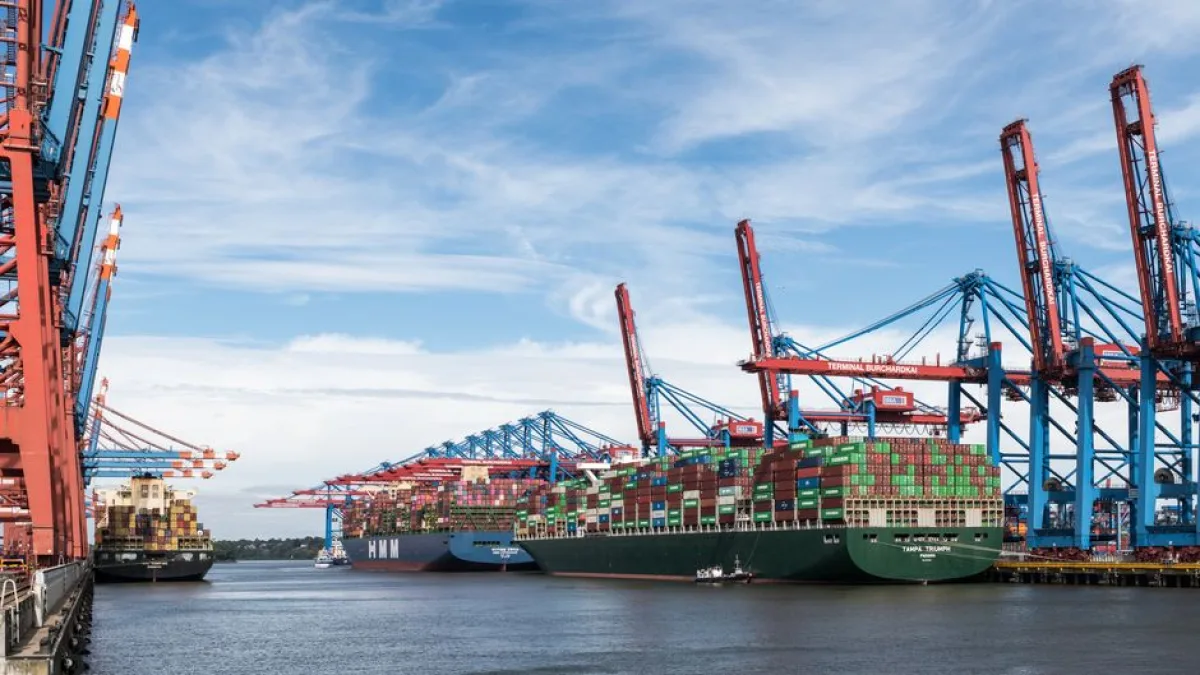
Embracing digital transformation in ocean freight is essential for modern freight forwarders. By centralizing visibility, automating documentation, utilizing analytics, and strengthening partner connections, you position your agency for long-term success. MakeCargo provides the tools necessary to bridge these gaps, ensuring your operations remain efficient and competitive. Start optimizing your digital logistics strategy today to build a more reliable, profitable, and future-ready freight forwarding business.