Optimizing Ocean Freight Operations in a Volatile Global Market
Wednesday, July 29 2026
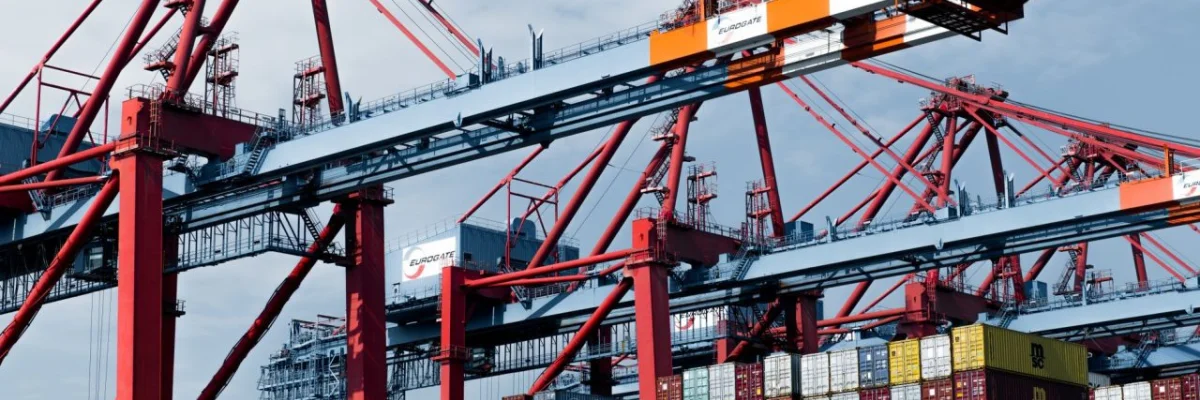
Navigating the complexities of modern ocean freight requires a blend of technological agility and strategic foresight. As global supply chains face unprecedented pressure from fluctuating fuel costs and changing regulatory landscapes, freight forwarders must prioritize efficiency to maintain competitive margins. Digital transformation has shifted from a luxury to a fundamental necessity, enabling companies to track cargo in real time while automating tedious documentation processes. By adopting cloud-based platforms like MakeCargo, forwarders can synchronize their operations, mitigate risks associated with port congestion, and provide superior service levels that foster long-term client loyalty in an increasingly demanding logistics environment.
Mastering Container Logistics
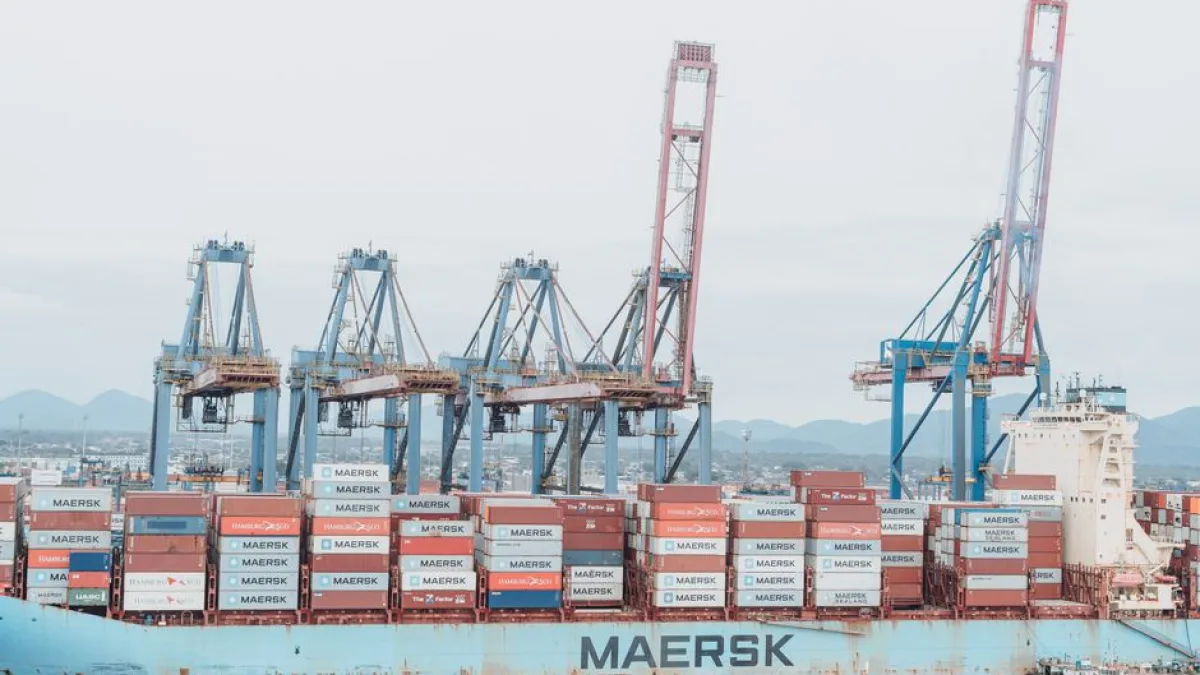
The effective management of container flows is the backbone of successful ocean freight operations. When forwarders leverage intelligent software to track container availability and status, they significantly reduce the likelihood of costly demurrage and detention fees while improving overall fleet utility.
- Automated Tracking Systems: Real time visibility into container locations allows your team to provide precise updates to clients, effectively reducing manual status inquiries and operational workload for your staff.
- Detention Fee Prevention: Smart alerts notify your operations team of upcoming free time deadlines, ensuring that containers are returned promptly to avoid unnecessary financial penalties and disputes with carriers.
- Load Optimization Tools: Advanced algorithms help you maximize space utilization within each container, reducing the total number of shipments required and lowering the overall cost for your clients.
- Equipment Availability Checks: Integrated digital portals provide instant access to carrier equipment status, helping you choose the most reliable shipping lines based on current port inventory levels.
By streamlining how containers are booked and managed, your business gains a clear edge over competitors who still rely on manual data entry or fragmented spreadsheets. Consistent oversight prevents the common bottlenecks that delay transit and erode profit margins. Investing in these digital workflows ensures that your operational capacity grows in line with your client demand, positioning your brand as a reliable leader in ocean freight.
Digital Documentation Efficiency

Paperwork remains a significant hurdle in global trade, yet digital documentation platforms are revolutionizing this sector. By centralizing bills of lading and customs declarations, forwarders can eliminate manual errors, ensure regulatory compliance, and speed up the entire release process.
- Cloud Based Storage: Securely store all shipment documentation in a centralized cloud environment where it remains accessible to authorized team members and clients from any global location.
- Automated Data Entry: Intelligent software parses data directly from shipping forms, significantly reducing the human error associated with retyping information into multiple disparate systems during the transit.
- Instant Digital Signatures: Enable fast approvals and document signings through integrated e-signature tools, which accelerate the processing time for critical paperwork and avoid traditional courier service delays.
- Regulatory Compliance Checks: Automated verification processes flag potential issues in customs paperwork before submission, ensuring all declarations meet international standards and preventing costly delays at border points.
Transitioning away from paper intensive workflows is the fastest way to increase throughput without increasing your headcount. When your documentation is handled through a unified platform, the audit trail becomes transparent and simple to manage. This level of organization not only enhances internal productivity but also builds immense trust with shippers who value transparency and speed in their international shipping documentation lifecycle.
Strategic Carrier Relationship Management
Strong partnerships with ocean carriers are essential for securing space and favorable rates during peak seasons. Modern software solutions empower forwarders to analyze carrier performance metrics, allowing for data driven negotiations that lead to more resilient shipping schedules and pricing models.
- Performance Analytics Dashboards: Compare carrier transit times and reliability ratings over time to identify which partners provide the highest value for your specific trade lanes and client needs.
- Automated Rate Comparisons: Quickly aggregate quotes from multiple carriers in one interface, allowing your team to identify the most cost effective shipping options in seconds instead of hours.
- Contract Negotiation Data: Use comprehensive historical data to negotiate better contract terms and volume incentives, ensuring your company remains competitive even during periods of significant market rate volatility.
- Dynamic Schedule Adjustments: Gain immediate visibility into carrier schedule changes or vessel omissions, enabling your team to proactively reroute shipments before delays impact your customers bottom line performance.
Cultivating robust relationships with carriers requires more than just communication; it demands accurate data that highlights your reliability as a partner. By sharing precise volume forecasts and leveraging analytics to address issues early, you transform vendor interactions into strategic alliances. This collaborative approach safeguards your capacity during market shortages, ensuring your clients receive consistent service even when global shipping conditions become exceptionally difficult.
Optimizing Client Communication Loops

Transparency is the foundation of client satisfaction in the ocean freight industry. Providing customers with a branded, intuitive portal for shipment tracking and messaging transforms the service experience from reactive to proactive, effectively reducing your support burden while increasing client retention.
- Branded Customer Portal: Offer your clients a customized login area where they can monitor their shipments, download invoices, and view real time updates without calling your support staff.
- Proactive Status Notifications: Configure automatic email or SMS alerts to notify clients about milestone changes, such as vessel arrival or customs clearance, without requiring manual intervention from employees.
- Integrated Messaging Tools: Consolidate all client communication within the shipment record, ensuring that every team member has full context when answering questions regarding specific ocean freight cargo status.
- Transparent Billing Insights: Provide clients with clear, itemized visibility into their freight costs and invoices, which helps minimize disputes and speeds up the entire payment collection cycle process.
A superior client experience is often what differentiates a top tier forwarder from the competition. By moving beyond email chains to a collaborative digital platform, you empower clients to manage their own inquiries effectively. This level of empowerment creates a partnership model that scales effortlessly as your business grows, ensuring your team focuses on high value strategy rather than routine status check updates.
Conclusion
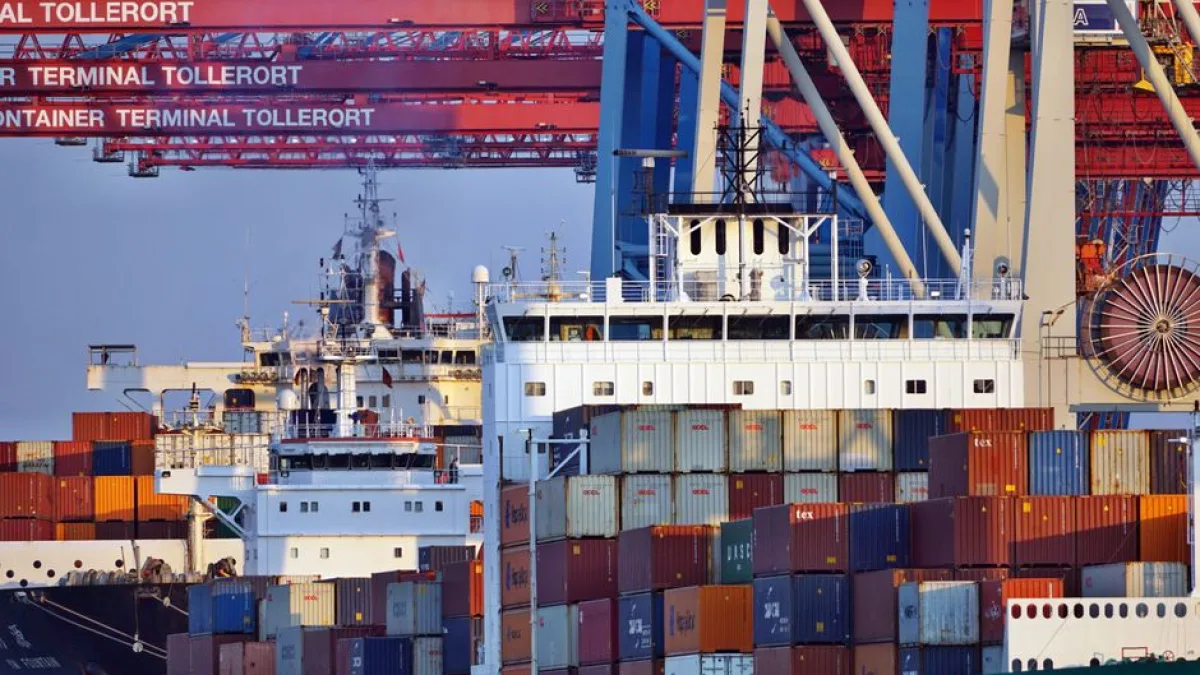
Success in the ocean freight industry requires the deliberate integration of technology to manage complex logistics. By focusing on container management, digital documentation, carrier relations, and client communication, your firm will achieve greater operational efficiency. Start your journey toward a more streamlined business model by choosing MakeCargo as your central platform. Contact our support team today to schedule your personalized software demonstration.